

2016-2025 Volvo SPA Platform Front Upper Control Arm: Diagnosing Clunks & Bushing Failures
This guide covers the common front-end clunking noise on the Volvo S60, S90, V60, V90, XC60, and XC90, which is often caused by premature control arm bushing failure.
- The most common failure is the front upper control arm's bushings, causing a clunking noise over bumps.
- Volvo updated the part from solid rubber to fluid-filled 'hydro-bushings' which can leak when they fail.
- This issue affects models with standard suspension, NOT those with optional Air Suspension or Active Chassis.
- A professional wheel alignment is mandatory immediately after replacement to ensure safety and prevent tire damage.
Vehicles Covered
This guide applies to the following vehicles built on Volvo's Scalable Product Architecture (SPA) platform. While the general issue is the same, always verify the specific part number for your vehicle using your VIN.
- 2019-2025 Volvo S60
- 2017-2024 Volvo S90
- 2019-2024 Volvo V60
- 2017-2024 Volvo V90
- 2018-2024 Volvo XC60
- 2016-2024 Volvo XC90
Compatibility Warning: These control arms are for vehicles with the standard coil spring suspension. They are not compatible with models equipped with the optional Air Suspension or the Four-C Active Chassis. The part numbers and specific design can vary, so confirming fitment with your vehicle's VIN before ordering is essential.
Common Failure Point: Control Arm Bushings
The bushings on these front upper control arms are a known wear item. Owners on forums for the XC90, S60, and XC60 have reported failures at relatively low mileage, sometimes between 50,000 and 70,000 miles, particularly in regions with harsh road conditions. The primary symptom is a distinct clunking or popping noise from the front of the car when driving over bumps or uneven pavement.
To improve ride quality and reduce Noise, Vibration, and Harshness (NVH), Volvo updated the original solid rubber bushings to fluid-filled "hydro bushings" in a design change. While these provide a quieter ride, some technicians and owners note that these fluid-filled bushings may not last as long as the older, solid rubber design. A tell-tale sign of a failed hydro bushing is fluid leakage, which looks like a dark, oily stain around the bushing.
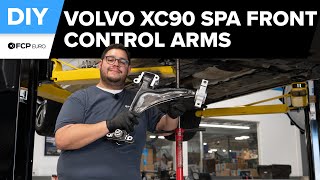
🎬 See a visual breakdown of common symptoms and the replacement process.Symptoms of a Bad Front Upper Control Arm
The main cause of failure is the wear of the integrated bushings. When they fail, you may experience one or more of the following symptoms:
- Clunking or Knocking Noises: This is the most common symptom. You'll hear a distinct clunk, pop, or knock from the front suspension when going over bumps, potholes, or even small road imperfections. The sound is caused by excessive movement in the worn bushing, allowing metal-to-metal contact.
- Steering Wander or Instability: The steering may feel loose, vague, or less responsive. Your vehicle might pull to one side, requiring constant steering corrections to keep it driving straight.
- Vibrations: A worn control arm bushing can cause vibrations that you feel through the steering wheel, especially at highway speeds. This can sometimes be mistaken for a wheel balance issue.
- Uneven Tire Wear: Because the worn bushing allows the wheel's alignment to shift dynamically, it can lead to premature and uneven tire wear, typically on the inside or outside edge of the tire.
- Instability During Braking: In some cases, a failing control arm can cause the vehicle to feel unstable or dive to one side when braking hard.
Buying a Used Suspension Control Arm
A used OEM control arm can be a cost-effective solution, but a thorough inspection is critical. Since the bushings are the primary failure point, you are essentially buying the bushings, not the metal arm.
- Inspect the Bushings: This is the most important check. For arms with hydro bushings, look for any signs of black fluid leakage, staining, or a collapsed appearance. For solid rubber bushings, check for cracks, tears, or dry rot. A good bushing should be pliable, not hard and brittle.
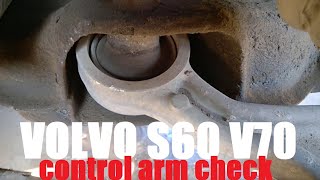
- Check for Play: Grab the inner part of the arm and the outer part and try to twist them. There should be no significant play 🎬 Watch this quick video on how to check for control arm play. or looseness in the bushings.
- Inspect the Ball Joint: The upper control arm has a ball joint at the outer end that connects to the steering knuckle. Check the rubber boot for any rips or tears. If the boot is torn, the joint is likely contaminated and worn. Push and pull on the ball joint stud to check for any play or looseness. There should be none.
- Examine the Arm Itself: Inspect the aluminum arm for any cracks, deep gouges, or signs of bending from an accident. While durable, a significant impact can damage the arm.
- Why Used OEM? For this part, a high-quality used OEM arm with healthy bushings is often a better choice than a cheap, new aftermarket part. The geometry, materials, and bushing quality of the OEM part are designed specifically for your vehicle's handling and safety characteristics.
Replacement Overview & Difficulty
Replacing the front upper control arm is a moderately difficult job that can be done by an experienced DIY mechanic with the right tools.
- Difficulty: 4/5
- Estimated Time: 1.5 - 2 hours per side
- Key Steps: The process generally involves raising and supporting the vehicle, removing the wheel, detaching the wheel speed sensor wiring, disconnecting the ball joint from the steering knuckle, and unbolting the two inner mounting points from the chassis.
- Special Procedures: It is critical to only tighten the inner bushing bolts when the suspension is compressed to its normal ride height. Tightening the bolts with the wheel hanging down (at full droop) will twist the new bushings and cause them to fail very quickly. This can be achieved by using a floor jack to lift the knuckle to a measured height before final tightening. 🎬 Watch this step-by-step DIY guide for replacing the control arm.
- Alignment Required: A full four-wheel alignment from a professional shop is mandatory immediately after replacing a control arm. Failure to do so will result in poor handling, unsafe driving characteristics, and rapid tire wear.
Pro Tip: The mounting bolts and nuts for this part are typically single-use torque-to-yield fasteners and should be replaced with new ones during installation. Kits often include the necessary new hardware.
Cost Comparison
| Part/Service | Estimated Cost |
|---|---|
| New OEM (Dealer) | $180 - $300 per arm |
| New Aftermarket | $65 - $150 per arm |
| Used OEM | $75 - $150 per arm |
| Shop Labor | $150 - $300 per side |
| Wheel Alignment | $150 - $250 |
Note: Costs are estimates and will vary based on location, vehicle model, and the specific parts used.
Frequently Asked Questions (FAQ)
Can I just replace the bushings instead of the whole control arm?
While the bushings are available separately, replacing them requires a hydraulic press and special tools. The labor involved often makes it more expensive and time-consuming than simply replacing the entire control arm assembly, which comes with new bushings and a new ball joint pre-installed.
Do I need to replace both the left and right control arms at the same time?
It is highly recommended. Suspension components wear at similar rates, so if one side has failed, the other is likely not far behind. Replacing them in pairs ensures balanced handling and prevents you from having to do the same job twice in short order.
Is there a recall for this issue?
As of late 2025, there are no specific safety recalls for front upper control arm bushing failure on these SPA platform vehicles. There was a recall (Volvo Recall #R19938) for the 2019 S60, but it concerned the rear suspension toe link nuts, not the front control arms.
What happens if I don't replace a bad control arm?
Continuing to drive with a failed control arm is unsafe. It will lead to unpredictable handling, significantly increased braking distances, and excessive tire wear. In a severe failure, the ball joint could separate from the steering knuckle, causing a complete loss of control of that wheel.
Helpful Videos

Technical Specifications
OEM Part Numbers: 31360584 31360863 31360866 31406338 31406339 32370930
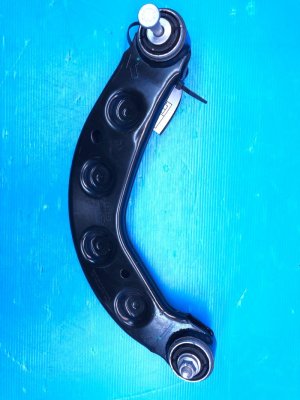
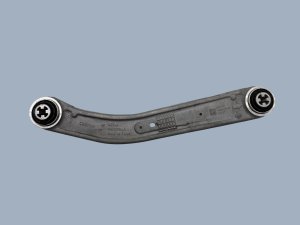
The front suspension is a double-wishbone design. The upper control arm is typically a single cast aluminum piece with two inner bushings and one outer ball joint. Some versions use solid rubber bushings, while others use fluid-filled hydro bushings.
We Have This Part in Stock

The information in this article is provided for general reference and educational purposes only. Vehicle specifications, procedures, and part compatibility can vary by production date, trim level, and region. Always consult your vehicle's factory service manual and verify part numbers before purchasing or performing repairs. Safety-critical components such as airbags, seat belts, and braking systems should be installed by a qualified professional.
- Volvo S60:
- Volvo S90:
- Volvo V60:
- Volvo V90:
- Volvo XC60:
- Volvo XC90: