

Rolls-Royce Ghost, Dawn & Wraith Air Suspension Pump Failure (2009-2021): Why It's Rarely the Pump's Fault
This guide covers the suspension self-leveling pump for the 2009-2020 Rolls-Royce Ghost, 2016-2021 Dawn, and 2013-2021 Wraith, focusing on why pump failure is almost always a symptom of a bigger problem.
- Pump failure is almost always caused by a leak elsewhere in the system, typically in the air springs (struts).
- You MUST perform a leak test (e.g., with soapy water) and repair any leaks before replacing the pump.
- Replacing the pump without fixing the underlying leak will cause the new pump to fail quickly.
- Always replace the inexpensive compressor relay when installing a new or used pump to prevent it from burning out.
Symptoms of a Failing Suspension Pump
When the air suspension compressor begins to fail on a Rolls-Royce Ghost, Dawn, or Wraith, the signs are often noticeable and directly impact the vehicle's stance and ride quality. Here are the most common symptoms:
- Vehicle Sagging or Leaning: The most obvious sign is a corner, an axle, or the entire vehicle sitting lower than normal. This is often most apparent after the car has been parked overnight, as a slow leak in the system allows air to escape. The car may lean noticeably to the left or right.
- Compressor Runs Constantly or is Loud: You may hear the pump, a whirring or buzzing sound, running much more frequently or for longer periods than usual. This indicates the pump is working overtime to compensate for a leak in the system. An excessively loud grinding or whining noise can also signal the pump's motor is failing.
- "Suspension Fault" Warning Light: The vehicle's onboard computer will detect a problem with maintaining pressure or ride height and illuminate a "Suspension Fault" or "Level Control" warning on the dashboard.
- Harsh or Bumpy Ride: With the air springs improperly inflated, they cannot absorb road imperfections as designed. The ride will lose its signature smoothness and become unusually bumpy or stiff.
- Slow to Raise: If the vehicle has a feature to manually raise the suspension, a weak compressor will cause this process to be much slower than normal.
Important: A failing compressor is almost always a secondary failure. The primary cause is typically a leak in the air springs (struts), air lines, or the valve block. If you replace the pump without fixing the leak, the new pump will be forced to overwork and will fail prematurely.
Diagnosing the Problem: Is It the Pump or a Leak?
Before condemning the pump, you must check the entire system for leaks. A failed pump is the symptom, but an air leak is the disease. Ignoring the leak will lead to repeated pump failures.
- Listen for Hissing: With the engine off in a quiet location, you may be able to hear a faint hissing sound near the wheels, which points directly to a leak in an air spring or line.
- The Soapy Water Test: This is the most reliable method for finding leaks. Mix soap and water in a spray bottle. With the vehicle at its normal ride height, generously spray the air springs (the rubber bellows on the struts), air line connections, and the valve block. If a leak is present, you will see bubbles forming. Be sure to check all the folds and creases in the rubber air springs, as leaks can hide there.
- Observe Overnight Sagging: Use a tape measure to record the ride height at each corner (from the center of the wheel to the fender lip). Let the car sit overnight and measure again in the morning. A significant drop in one or more corners confirms a leak.
If no leaks can be found but the pump never turns on, the issue could be the pump's motor, a blown fuse, or a bad relay. 🎬 Watch: Troubleshooting the air suspension system and electrical components. It is highly recommended to replace the compressor relay whenever you replace the pump.
Known Issues, TSBs, and Recalls
While air suspension issues are a known weak point on these models, searches of the NHTSA database and other public records did not reveal any specific recalls or widespread Technical Service Bulletins (TSBs) for the suspension self-leveling pump itself. Failures are generally handled by Rolls-Royce service centers as individual repairs. The problem is well-documented across repair forums and specialist blogs as a common result of age and wear, particularly due to leaks in the air struts.
Buying a Used Suspension Self-Leveling Pump: A Buyer's Guide
A used OEM pump can be a cost-effective solution, but only if you have fixed the root cause of the original failure. A used pump installed in a system with a leak will fail quickly.
- Diagnose First, Buy Second: Complete a thorough leak test of your entire system BEFORE purchasing a replacement pump. If you find a leaking air strut, replace it first. 🎬 Watch: Step-by-step guide to replacing a leaking air spring damper.
- Physical Inspection: When inspecting a used pump, look for any signs of overheating. Melted plastic on the housing or a discolored label are red flags that the pump was overworked. Check the electrical connector for any corrosion or damage.
- Verify Compatibility: Match the part number exactly or confirm it is a valid superseded number for your vehicle. The main part numbers are 37206782222, 37206850319, and 37206886059. The latest number, 37206886059, often includes the pump, valve block, and mounting bracket as an assembly.
- Choose Reputable Sellers: Buy from a recycled parts seller that offers a warranty. This provides protection in case the part is defective. Given the high cost of labor, a warranty is essential.
- Why Used OEM is a Good Choice: For a component like this, a low-mileage OEM part is often superior to a cheap, new aftermarket alternative. The original Rolls-Royce/BMW engineering and quality control are designed for the vehicle's specific demands. Many aftermarket pumps are built to lower price points and may not have the same durability or quiet operation.
Replacement Overview and Difficulty
Replacing the suspension compressor is a moderately difficult job best left to an experienced technician or a very skilled DIY mechanic.
- Location: The pump assembly is typically located underneath the vehicle, often near the rear axle, and is protected by a plastic splash shield that must be removed for access.
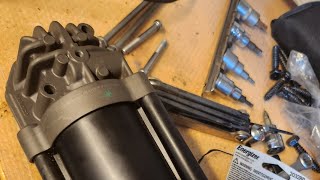
- Process: The general steps involve safely lifting the vehicle, disconnecting the battery, removing the splash shield, disconnecting the electrical connectors and air lines, and unbolting the pump and its mounting bracket. Installation is the reverse of removal. 🎬 See this walkthrough for swapping the air suspension compressor motor.
- Calibration: After the new pump is installed, the system must be checked for leaks again. A diagnostic tool is often required to clear any stored fault codes and perform a system calibration to ensure the ride height sensors are correctly configured.
Pro Tip: Always replace the compressor relay when installing a new or used pump. A sticky or failing relay can cause the pump to run continuously, leading to rapid failure. It is an inexpensive part that provides critical insurance for your new pump.
Cost of Replacement: New vs. Used
The cost to replace a suspension pump can vary significantly based on the parts source.
| Part Source | Estimated Part Cost |
|---|---|
| New OEM (Dealer) | $1,200 - $1,500+ |
| New Aftermarket | $300 - $600 |
| Used OEM | $400 - $800 |
| Shop Labor | $400 - $700 |
Note: Prices are estimates and can vary based on location, supplier, and the specific components included (e.g., pump only vs. full assembly with valve block).
Part Number Information
The suspension pump for the Ghost, Dawn, and Wraith has had several part numbers over the years. These numbers often supersede each other, meaning the newest part number is the correct replacement for all previous versions. Always verify fitment with the seller using your vehicle's VIN.
- 37206886059 (Latest number, often for the complete assembly)
- 37206850319
- 37206782222
Shortened versions like 6886059, 6850319, and 6782222 may also be referenced.
Frequently Asked Questions (FAQ)
Can I just replace the pump and not worry about leaks?
No. This is the most common mistake owners make. The pump's primary job is to make small adjustments. If there is a leak, the pump is forced to run constantly to maintain pressure, causing it to overheat and burn out. Replacing the pump without fixing the leak will cause the new pump to fail in a short amount of time.
Why did my brand new suspension pump fail after only a few months?
This is almost certainly due to an unaddressed leak in an air spring or air line. The new pump worked overtime to compensate for the leak until it burned out. Another possibility is a faulty relay that caused the pump to run continuously.
Is a loud or constantly running pump always a sign of a bad pump?
Not necessarily. A loud or constantly running pump is a sign that it is working too hard. The cause is usually a leak elsewhere in the system. While the pump itself may still be functional, its continuous operation is a clear warning that you need to find and fix a leak before the pump fails completely.
Do I need to program or calibrate a new suspension pump?
While the pump itself does not require programming, the overall air suspension system does. After replacing the pump or any other major component, it is best practice to use a professional diagnostic tool to clear fault codes and recalibrate the ride height sensors to ensure the system functions correctly and the vehicle sits level.
Helpful Videos
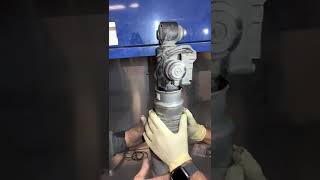
Technical Specifications
OEM Part Numbers: 37206886059 37206850319 37206782222 6886059 6850319 6782222
The assembly often includes the air compressor, valve block, and mounting bracket. The system operates at high pressure, around 160-180 PSI.
We Have This Part in Stock
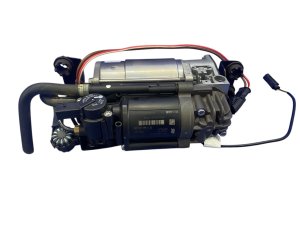

The information in this article is provided for general reference and educational purposes only. Vehicle specifications, procedures, and part compatibility can vary by production date, trim level, and region. Always consult your vehicle's factory service manual and verify part numbers before purchasing or performing repairs. Safety-critical components such as airbags, seat belts, and braking systems should be installed by a qualified professional.
- Rolls-Royce Dawn:
- Rolls-Royce Ghost:
- Rolls-Royce Wraith:
- 🎬 Helpful Videos
- 🛍️ Shop This Part
- Symptoms of a Failing Suspension Pump
- Diagnosing the Problem: Is It the Pump or a Leak?
- Known Issues, TSBs, and Recalls
- Buying a Used Suspension Self-Leveling Pump: A Buyer's Guide
- Replacement Overview and Difficulty
- Cost of Replacement: New vs. Used
- Part Number Information
- Frequently Asked Questions (FAQ)
- 🎟️ Get 5% Off