

2014-2021 BMW i3 Rear Shock Absorber: Solving the Common Bounce and Clunk
This guide covers the common failure symptoms, replacement costs, and what to look for when buying used rear shock absorbers for your BMW i3.
- A bouncy ride is a common characteristic of the i3, but excessive bouncing after bumps or clunking noises indicates shock failure.
- The i3 and i3s use different rear shocks; you must verify the part number for your specific model before buying.
- Replacement is a straightforward DIY job that does not require special tools like spring compressors.
- Buying used OEM shocks is a viable option, but inspect carefully for leaks and physical damage before purchasing.
Known Issues: A Bouncy Ride vs. A Failed Shock
Many BMW i3 owners, particularly of earlier 2014-2017 models, report a generally firm or "bouncy" ride. This is often a characteristic of the vehicle's original suspension tuning, designed for efficiency with narrow tires, rather than a sign of a failed part. The ride can feel unsettled or twitchy, especially at highway speeds. However, a true failure of the shock absorber is different and presents more severe symptoms.
A failed shock will not properly dampen the spring's movement, leading to excessive bouncing that continues long after you've passed a bump. It can also cause noises and negatively impact handling and tire wear. It's important to distinguish between the car's natural firmness and the clear signs of a worn-out component.
Symptoms of a Failing Rear Shock Absorber
When your i3's rear shocks are worn out, you'll likely notice one or more of the following symptoms:
🎬 Watch: How to pinpoint and repair clunking suspension noises.- Excessive Bouncing: The most common sign. After hitting a bump or dip, the rear of the car will continue to bounce up and down multiple times. You can test this by pushing down firmly on the rear corner of the car; if it bounces more than once or twice, the shock is likely worn.
- Clunking or Knocking Noises: You may hear a clunking or thumping sound coming from the rear of the car when going over bumps. This can be caused by the internal components of the shock being worn or by worn shock mounts.
- Visible Fluid Leaks: The shock absorber is filled with hydraulic fluid. If you see oily fluid leaking from the body of the shock, it is failing and must be replaced.
- Poor Handling and Instability: With worn shocks, the car may feel less stable in corners or during lane changes. The rear end might feel like it's swaying or losing grip.
- Uneven Tire Wear: When shocks can't keep the tire firmly on the road, the tire can bounce slightly as it rolls, leading to a wavy, scalloped wear pattern on the tread known as "cupping."
Pro Tip: Noises from the rear can also be caused by worn motor mounts, a known issue on the i3. If you hear a clunk primarily during acceleration or deceleration, have the motor mounts inspected as well.
Buying a Used 2014-2021 BMW i3 Shock Absorber
A used OEM shock absorber can be a great value, often costing significantly less than a new part. Since this is a common wear item, here’s what to check to ensure you get a good part.
Physical Inspection Checklist:
- Check for Leaks: This is the most important check. The shock body should be dry. Any sign of wetness, oil residue, or grime stuck to an oily film indicates the seal has failed and the shock is bad.
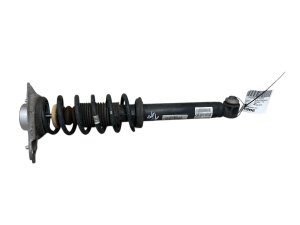
- Inspect the Piston Rod: The shiny chrome rod that extends from the shock body should be perfectly smooth and straight. Look for any nicks, corrosion, or bends, which can damage the seals and cause premature failure.
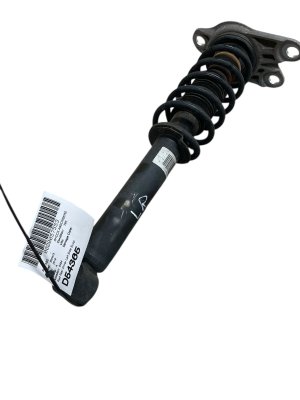
- Examine the Mounts: Check the upper and lower mounting points. The metal loops and rubber bushings should be intact and free of cracks, severe corrosion, or deformation.
- Perform a Compression Test: If possible, try to compress the shock by hand. It should provide smooth, consistent resistance in both directions. It should not feel loose or make any noise.
Compatibility and Part Numbers
BMW used different shock absorbers for the standard i3 and the sportier i3s model. They are not interchangeable. Always verify the part number or the donor vehicle's trim level before purchasing.
- Standard Suspension (i3): Common part numbers include 33526852231 and 33526880102. These fit both BEV (electric only) and REx (Range Extender) models.
- Sport Suspension (i3s): The i3s has a firmer, lower suspension and uses a different shock, such as part number 33526887655.
Warning: Do not install a standard shock on an i3s or vice-versa. This will result in improper ride height, poor handling, and uneven suspension wear.
Cost of Replacing BMW i3 Rear Shocks
Replacing the rear shocks on an i3 is more affordable than many other repairs. High-quality aftermarket parts from OEM suppliers like Bilstein or Sachs offer excellent performance and value.
| Part/Service | Estimated Cost (Per Pair) |
|---|---|
| New OEM (Dealer) | $360 - $580 |
| New Aftermarket (Bilstein, Sachs) | $230 - $300 |
| Used OEM | $150 - $300 |
| Shop Labor (Independent) | $150 - $300 |
Cost estimates are for a pair of rear shocks and do not include taxes or potential shipping fees. Labor costs can vary by location.
Replacement Overview
Replacing the rear shocks on a BMW i3 is a straightforward job that a DIY mechanic with basic tools can typically complete in an afternoon. The process does not require a spring compressor, as the spring is separate from the shock.
- Difficulty: 2 out of 5
- Estimated Time: 1.5 - 2.5 hours for the pair
Basic Steps:
- Safely lift the rear of the vehicle and remove the wheel.
- Locate the lower shock bolt connecting the shock to the wheel carrier. Remove it.
- In the wheel well, remove the upper mounting bolts that secure the shock's top mount to the car's body.
- Compress the old shock by hand and remove it from the vehicle.
- Install the new shock by reversing the process. It's often recommended to start the upper bolts first, then align the lower bolt. 🎬 Watch this walkthrough for a rear suspension installation guide.
- Torque all bolts to the manufacturer's specification. Always use new self-locking nuts if they are supplied or specified.
Pro Tip: Shock absorbers should always be replaced in pairs (both rear shocks at the same time) to ensure even damping and stable handling.
Frequently Asked Questions (FAQ)
Do I need to replace my shocks in pairs?
Yes. Always replace shocks on the same axle at the same time. A new shock will have different damping characteristics than an old, worn one on the other side, which can make the car unstable, especially in turns or during emergency braking.
Are the rear shocks different for the REx (Range Extender) and BEV (electric) models?
No, for a given suspension type (standard or sport), the rear shocks are the same for both the REx and BEV versions of the i3.
Can I upgrade my standard i3 shocks to improve the ride?
Yes. Many owners choose to replace the original shocks with high-quality aftermarket units like the Bilstein B4, which is an OEM-supplier part that can offer a more controlled ride. Some companies also offer custom-valved shocks specifically to reduce the i3's bounciness.
🎬 See this video for a popular suspension upgrade recommendation.Is a clunking noise always the shock absorber?
Not always. While a bad shock can clunk, the noise could also come from a worn upper shock mount, a loose sway bar link, or a worn control arm bushing. If you can create the noise by pushing down on the car while it's parked, it's more likely to be the shock or its mount.
Helpful Videos
Technical Specifications
OEM Part Numbers: 33526852231 33526880102 33526887655
Fits all 2014-2021 BMW i3 models (BEV and REx). Part number varies based on standard or sport (i3s) suspension.
We Have This Part in Stock

The information in this article is provided for general reference and educational purposes only. Vehicle specifications, procedures, and part compatibility can vary by production date, trim level, and region. Always consult your vehicle's factory service manual and verify part numbers before purchasing or performing repairs. Safety-critical components such as airbags, seat belts, and braking systems should be installed by a qualified professional.
- BMW i3:
- 🎬 Helpful Videos
- 🛍️ Shop This Part
- Known Issues: A Bouncy Ride vs. A Failed Shock
- Symptoms of a Failing Rear Shock Absorber
- Buying a Used 2014-2021 BMW i3 Shock Absorber
- Physical Inspection Checklist:
- Compatibility and Part Numbers
- Cost of Replacing BMW i3 Rear Shocks
- Replacement Overview
- Frequently Asked Questions (FAQ)
- 🎟️ Get 5% Off