

2012-2016 Porsche 911 PASM Module Failure: Your Guide to Faults, Part Numbers, and Replacement
Diagnose the 'Suspension Fault' warning and learn how to choose the right used PASM control unit for your 991.1-generation Porsche 911.
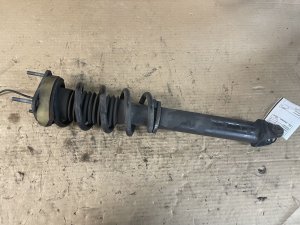
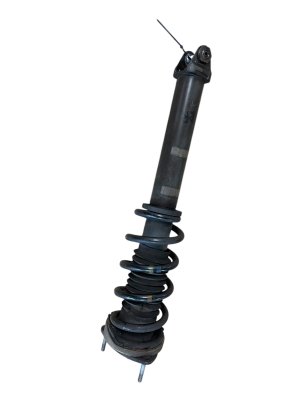
- The specified part numbers are for the PASM Control Module, the 'brain' of the suspension, not the shock absorbers.
- The most common symptom of failure is a "Suspension Fault" warning on the dash and the ride becoming permanently stiff.
- Replacement is NOT plug-and-play. The module must be programmed to the vehicle's VIN and options using a Porsche-specific PIWIS tool.
- When buying a used module, you must exactly match the part number from your original unit to ensure compatibility with options like AWD or PDCC.
What is the PASM Control Module and What Does It Do?
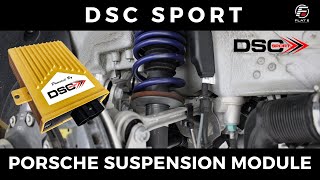
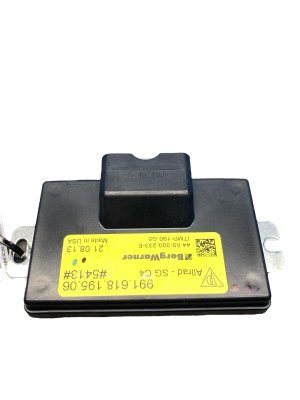
The part numbers 99161819504, 99161819505, and 99161819506 do not refer to the shock absorbers themselves, but to the Porsche Active Suspension Management (PASM) Control Module. This is a small computer that acts as the central command for your 911's adaptive suspension. It's the 'brain' that tells the electronically-controlled shock absorbers how to behave.
The PASM system constantly analyzes data from various sensors to understand what the car is doing. It then adjusts the damping force (stiffness) of each shock absorber individually. This allows the car to remain flat and stable during hard cornering, comfortable during highway cruising, and composed over bumpy roads. When this module fails, the entire adaptive suspension system is disabled.
Symptoms of a Failing 911 PASM Control Module
When the PASM control module begins to fail, the symptoms are usually very clear and primarily electronic.
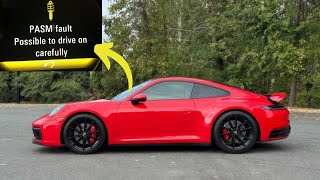
🎬 Watch: Common reasons for a PASM Fault warning- "Suspension Fault" or "Chassis System Fault" Warning: This is the most common symptom. A yellow or red warning will appear on the instrument cluster, indicating a problem with the adaptive suspension system.
- Suspension Stuck in Stiff Mode: When the PASM module fails, the shock absorbers typically default to their firmest setting. This results in a noticeably harsh and uncomfortable ride.
- Inoperable Suspension Button: The button on the center console used to switch between Normal and Sport suspension modes will become unresponsive. The indicator light on the button may not illuminate or change state.
- Diagnostic Trouble Codes (DTCs): A Porsche-specific scan tool (like a PIWIS) can read fault codes stored in the system. Codes like 001005 and 001006 may point to PDCC (if equipped) and PASM pressure or communication issues, often leading back to the control unit or related components.
Pro Tip: Occasionally, a "Suspension Fault" message can be triggered by a temporary glitch, such as jacking the car up and letting the suspension hang. Before assuming the module is bad, try letting the car sit, then restarting it. If the fault was temporary, it may clear itself. If it persists, a diagnostic scan is the next step.
Known Issues, Recalls, and Technical Service Bulletins (TSBs)
As of this writing, there are no specific, widespread recalls issued by the National Highway Traffic Safety Administration (NHTSA) for the PASM control module on the 2012-2016 Porsche 911. Most issues appear to be individual component failures rather than a systemic design flaw.
There was a recall for some 2021 model year Porsches, including the 911, for improperly tightened suspension components, but this does not apply to the 2012-2016 model years and is unrelated to the electronic control module.
Buying a Used PASM Control Module: What to Check
Given the high cost of a new module from Porsche, a used OEM unit is an excellent, cost-effective option. Failure of these modules is relatively rare, so a used part is not a high-risk purchase. Here’s what to look for.
Verify Your Part Number: The Most Critical Step
This is the most important part of buying a replacement. You must match the part number exactly to the one installed in your vehicle. The different part numbers accommodate different vehicle options and revisions.
- 99161819504, 99161819505, 99161819506: These numbers are listed as superseded parts, with 99161819506 being the latest revision for many AWD models. Using the wrong module can result in system incompatibility, especially with features like Porsche Dynamic Chassis Control (PDCC) or different drivetrain layouts (AWD vs. RWD).
Warning: Do not install a module just because it looks the same. Pull the trim in your vehicle and read the part number directly off your original module before ordering a replacement.
Physical Inspection Checklist
- Connector Pins: Check the electrical connector pins for any signs of corrosion, bending, or damage. Green or white crust is a major red flag for water damage.
- Casing Integrity: Inspect the plastic casing for cracks, heat damage, or signs that it has been opened.
- Mounting Tabs: Ensure the mounting tabs are intact and not broken, which could indicate rough handling during removal.
Replacement and Programming
Installation Difficulty
- Physical Installation: 2/5 (Easy). The module is typically located behind a trim panel and is easy to access. On many 991 models, it is located behind the rear seats, accessible by lifting the carpet. 🎬 See this walkthrough for accessing and installing the module It is held in a bracket and has one or two electrical connectors.
- Programming: 4/5 (Requires Specialist Tools). This is NOT a plug-and-play part. After physical installation, the module must be coded to the car using a Porsche-specific diagnostic tool (PIWIS). This process syncs the new module with the car's specific options (AWD, PDCC, Sport Chrono, etc.). Failure to program the module will result in it not functioning correctly and persistent fault codes.
Warning: A generic OBD-II scanner cannot perform the necessary programming. This job requires a Porsche PIWIS tester, 🎬 Watch: How to use PIWIS for suspension coding typically only found at dealerships or specialized independent Porsche repair shops.
Cost of Replacing a 991 PASM Control Module (2012-2016)
| Part Type | Estimated Cost |
|---|---|
| New OEM (Dealer) | $760 - $990 |
| New Aftermarket | Not Available (Control module is OEM only; aftermarket *suspension kits* exist) |
| Used OEM | $170 - $300 |
| Shop Labor (Install & Programming) | $250 - $500 |
Frequently Asked Questions (FAQ)
Where is the PASM control module located on a 2012-2016 Porsche 911?
On the 991.1 generation, the PASM module is often located behind the rear seats. You can typically access it by lowering the seats and lifting the carpeted panel behind them. However, locations can vary slightly, with some earlier models having it in the passenger footwell area. Always verify the location for your specific car before beginning work.
Can I drive with a "Suspension Fault" warning?
Yes, but with limitations. The car is drivable, but the suspension will be in a default 'hard' setting, which makes the ride very stiff and can negatively affect handling, especially at high speeds or on uneven surfaces. It is a safety system, and the fault should be addressed promptly.
Will a used PASM module work without programming?
No. While it may clear some initial faults, the module will not function correctly until it is coded to your car's specific VIN and option list using a Porsche PIWIS diagnostic tool. This step is mandatory for a successful repair.
What's the difference between PASM and PDCC?
PASM (Porsche Active Suspension Management) controls the stiffness of the shock absorbers. PDCC (Porsche Dynamic Chassis Control) is a more advanced, optional system that uses active anti-roll bars to counteract body roll during cornering. The systems work together, and a fault in one can sometimes trigger a warning for the other. The PASM control module must be compatible with your car's options, including whether or not it has PDCC.
Helpful Videos
Technical Specifications
OEM Part Numbers: 99161819504 99161819505 99161819506
This is an electronic control unit for the Porsche Active Suspension Management (PASM) system. Part number 99161819506 is noted as being for All-Wheel Drive (AWD) models and supersedes previous versions ...19504 and ...19505.
We Have This Part in Stock

The information in this article is provided for general reference and educational purposes only. Vehicle specifications, procedures, and part compatibility can vary by production date, trim level, and region. Always consult your vehicle's factory service manual and verify part numbers before purchasing or performing repairs. Safety-critical components such as airbags, seat belts, and braking systems should be installed by a qualified professional.
- Porsche 911:
- 🎬 Helpful Videos
- 🛍️ Shop This Part
- What is the PASM Control Module and What Does It Do?
- Symptoms of a Failing 911 PASM Control Module
- Known Issues, Recalls, and Technical Service Bulletins (TSBs)
- Buying a Used PASM Control Module: What to Check
- Verify Your Part Number: The Most Critical Step
- Physical Inspection Checklist
- Replacement and Programming
- Installation Difficulty
- Cost of Replacing a 991 PASM Control Module (2012-2016)
- Frequently Asked Questions (FAQ)
- 🎟️ Get 5% Off