

Diagnosing Clunks and Body Roll: A Guide to the 2002-2017 Equinox, Terrain, Torrent, Vue & Captiva Stabilizer Bar
This guide covers the common failure points, complex fitment differences, and replacement costs for the suspension stabilizer bar and its components on these popular GM SUVs.
- The most common failure points are the stabilizer bar links and bushings, not the bar itself. Noises are almost always caused by these inexpensive wear items.
- Fitment is extremely specific. Equinox Sport and Torrent GXP models with the FE3 'Sport Suspension' use a different bar than standard models.
- For early Saturn Vue models (2002-2007), the bar is specific to 4-cylinder engines, while later models (2008-2010) use a bar for V6 engines.
- A used OEM stabilizer bar is a great value, as the bar itself is very durable. Always pair a used bar with new links and bushings for a complete repair.
Is It the Bar, the Links, or the Bushings?
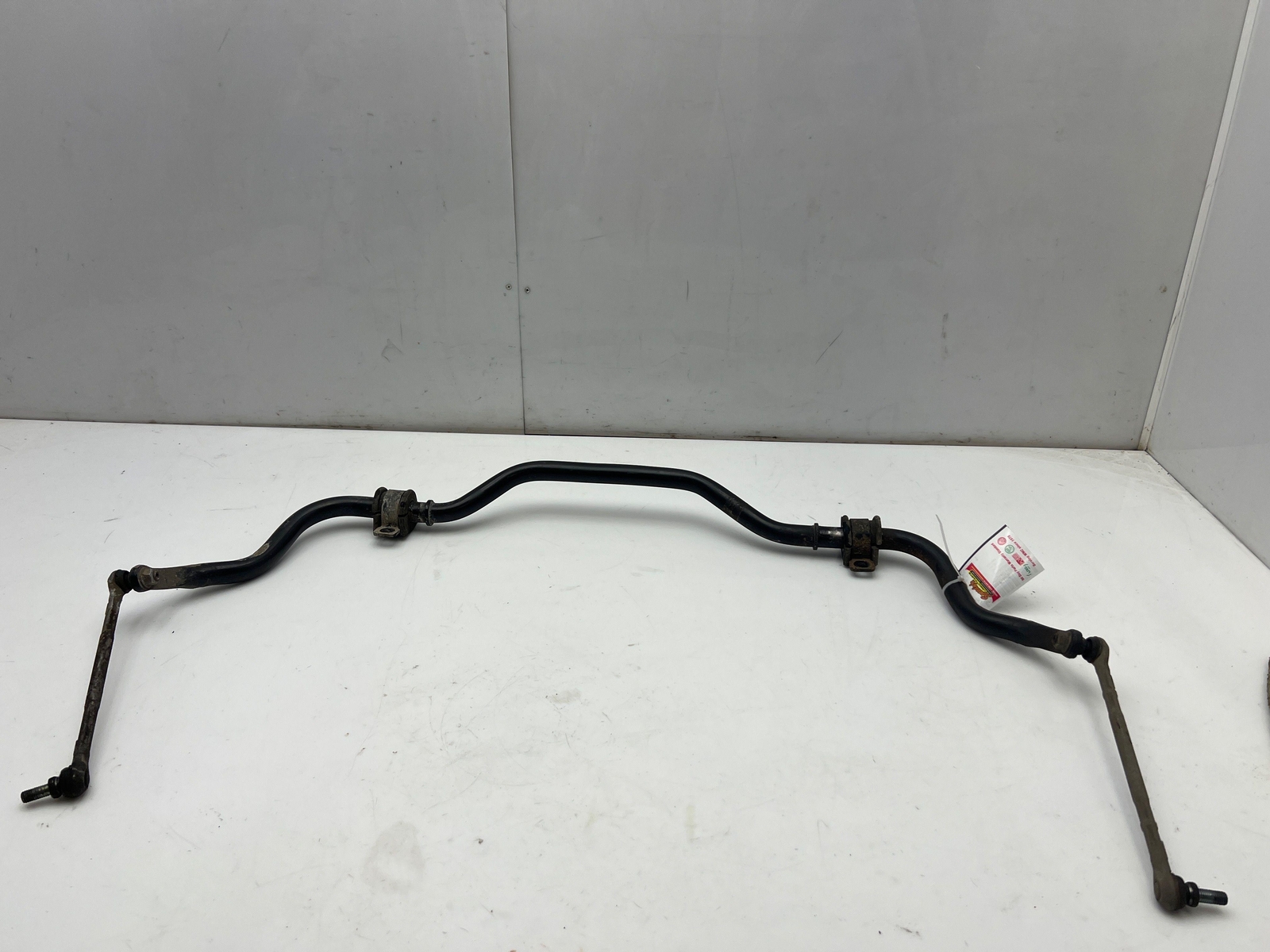
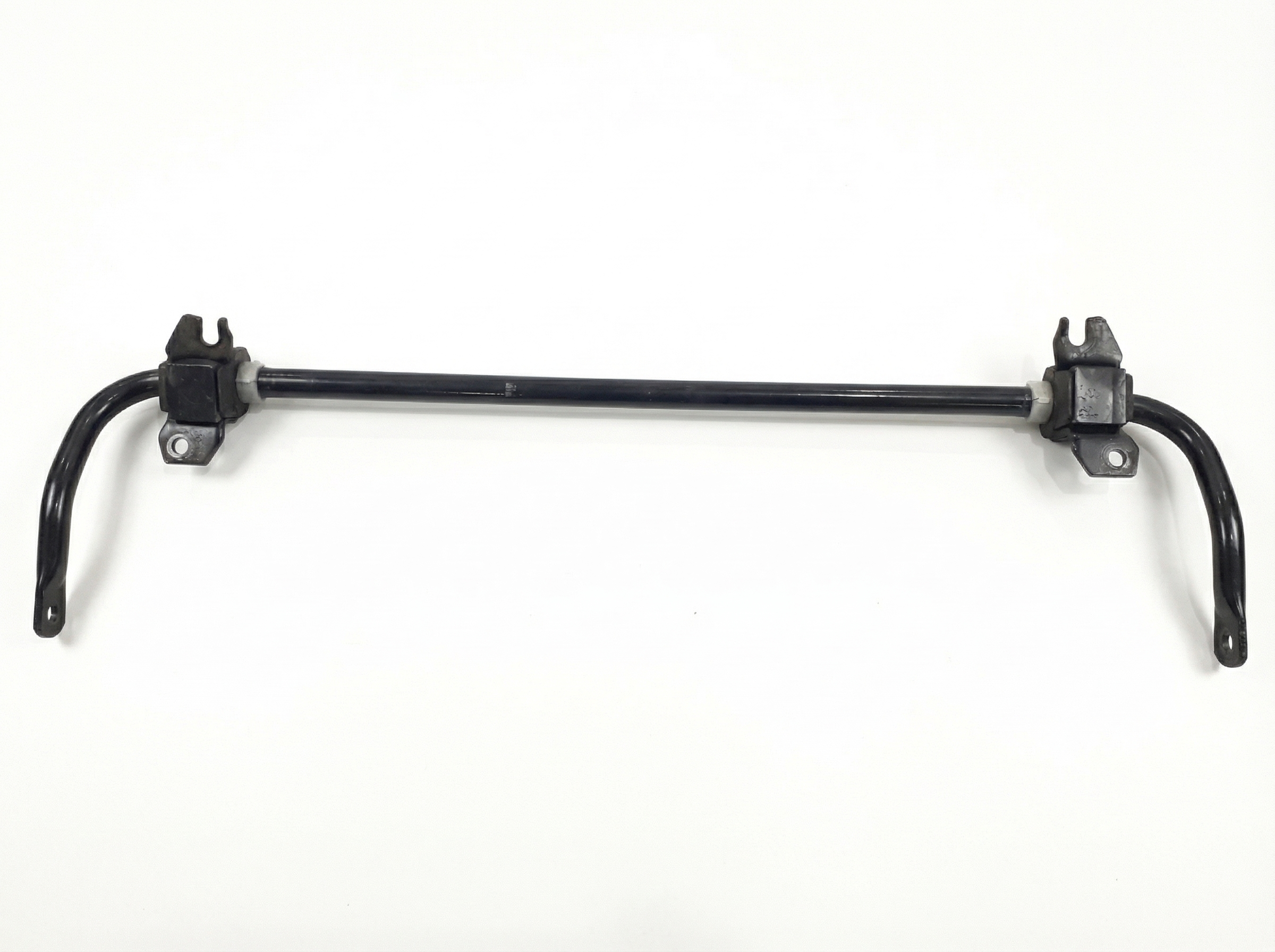
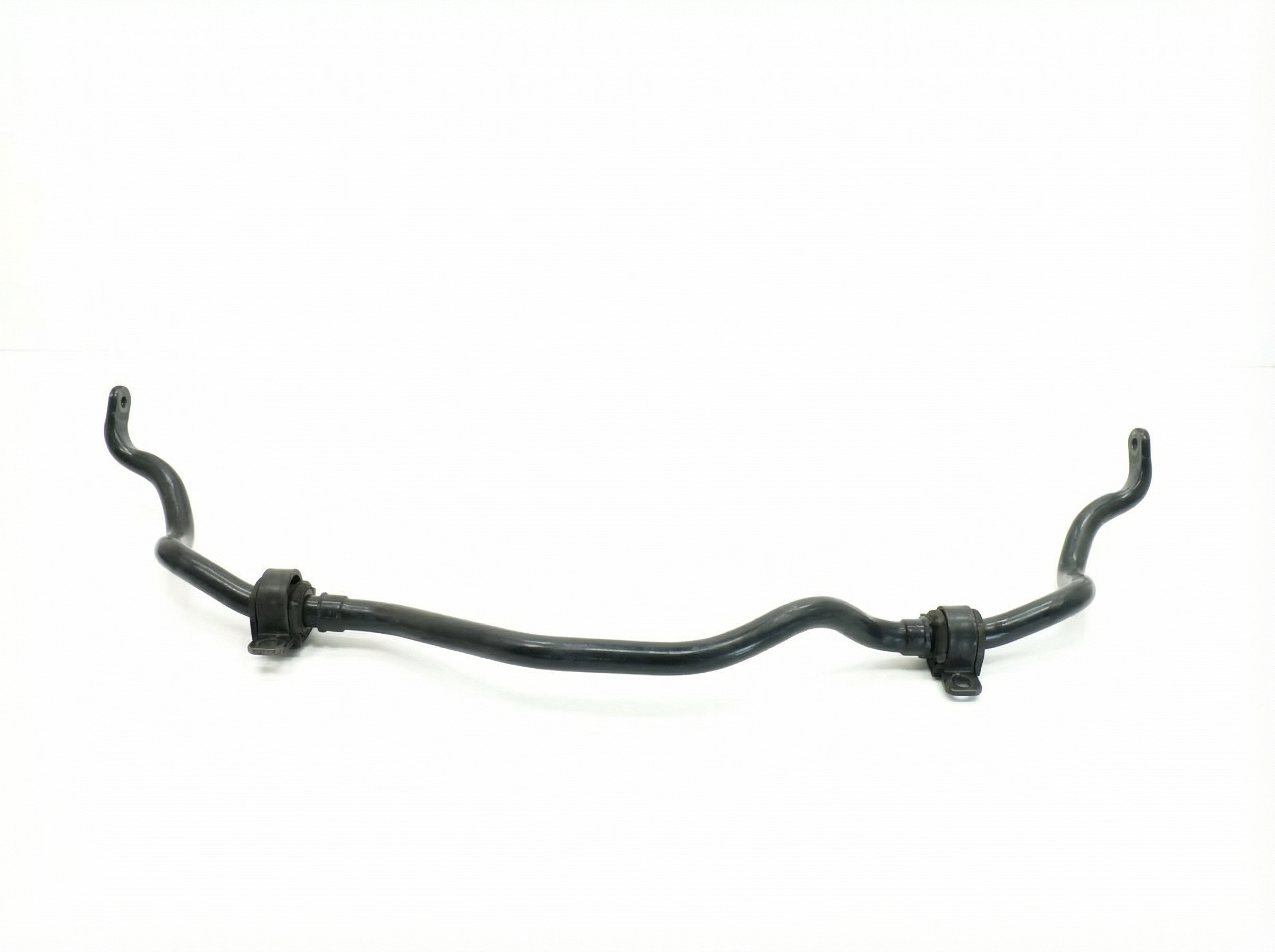
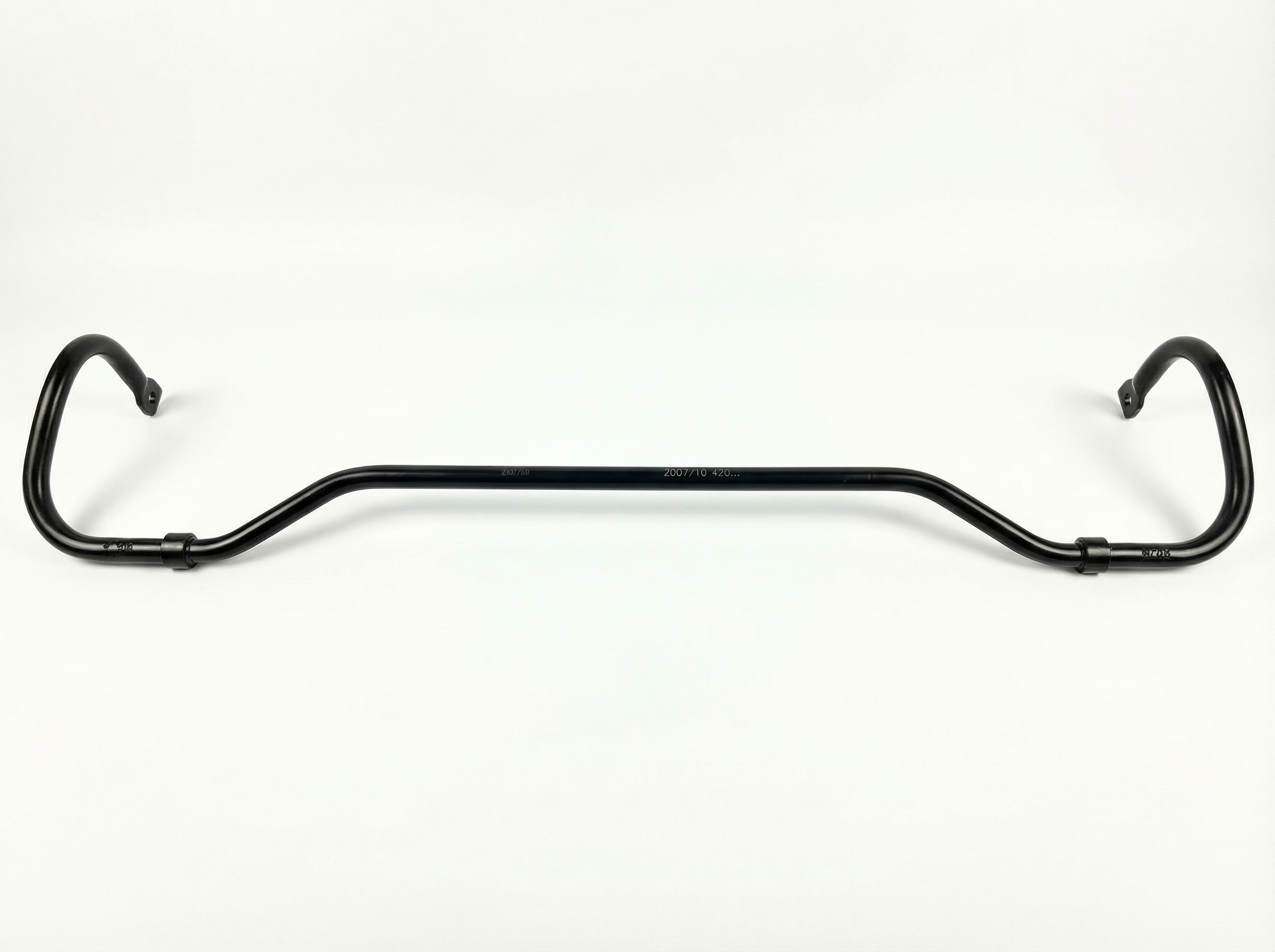
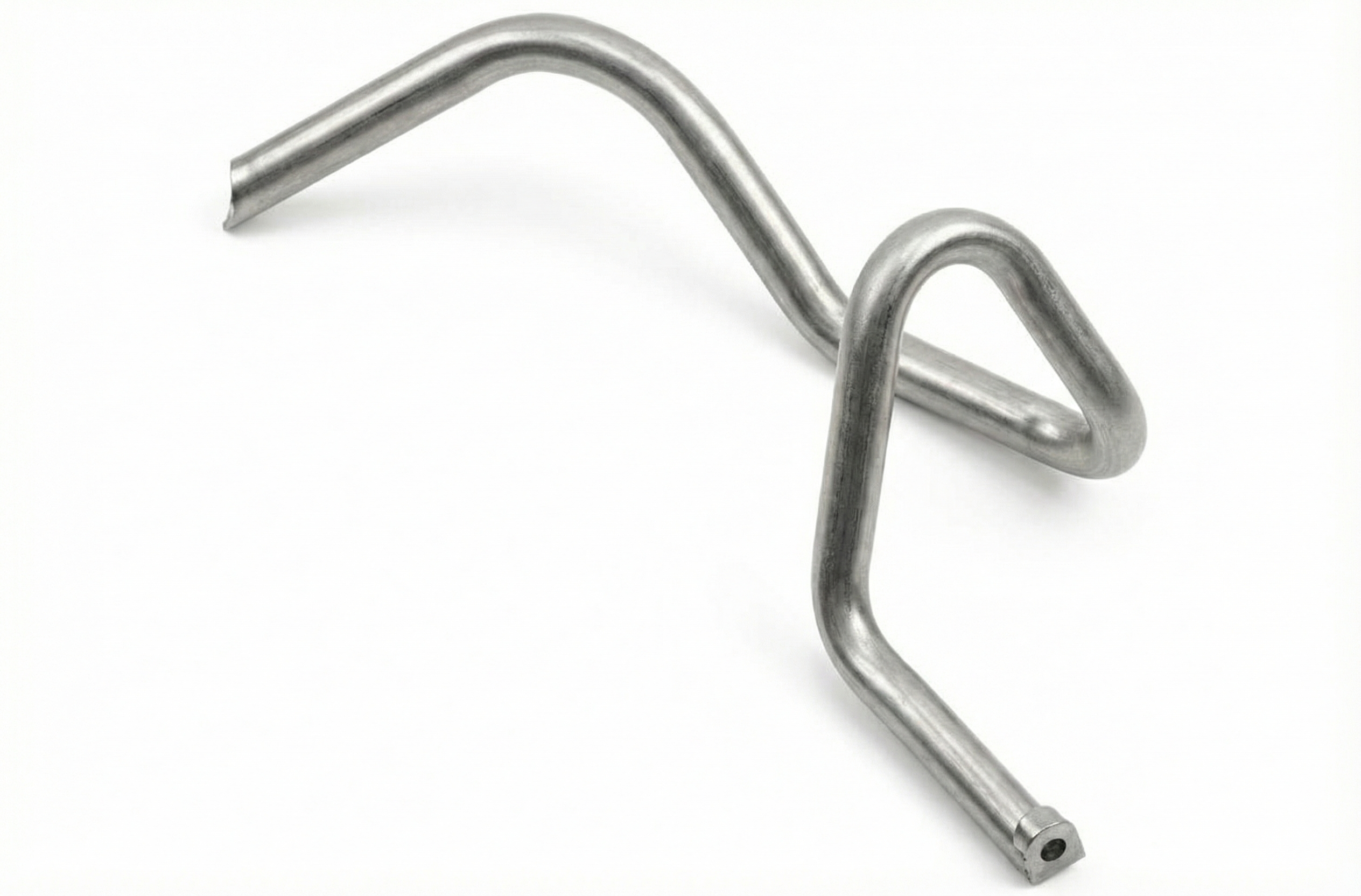
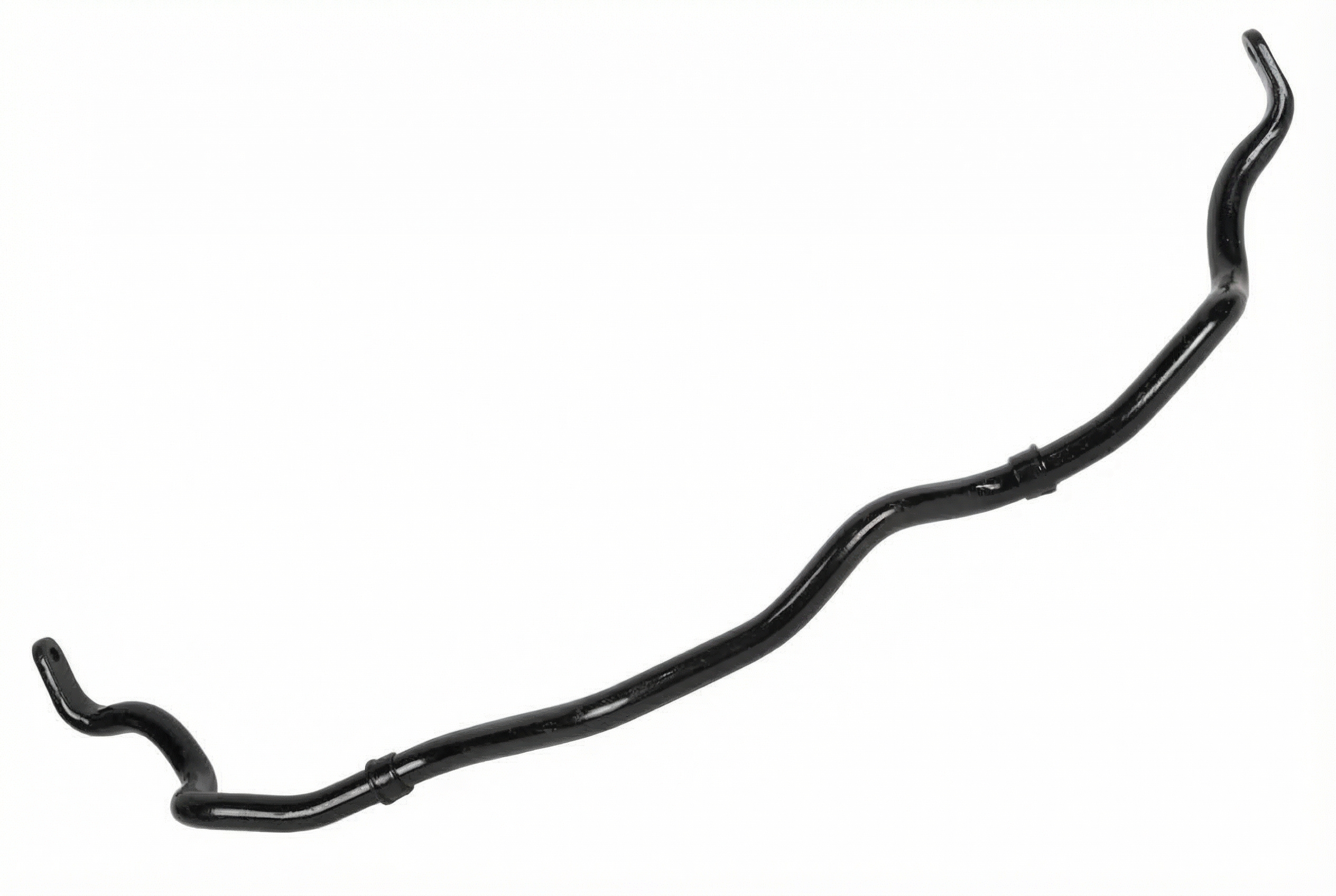
Before replacing parts, it's important to understand that the steel stabilizer bar itself rarely fails. It's a solid piece of metal that can last the life of the vehicle unless it's bent or damaged in a collision. The most common sources of noise and handling problems are the two types of components that attach it to the vehicle: the stabilizer bar links and the stabilizer bar bushings.
- Stabilizer Bar Links (or End Links): These are the rods that connect the ends of the stabilizer bar to the strut or control arm. They have joints that can wear out, causing a distinct clunking or rattling sound.
- Stabilizer Bar Bushings: These are the rubber or synthetic cushions that hold the stabilizer bar to the vehicle's subframe. When they wear out, they can cause a squeaking, creaking, or dull clunking sound as the bar moves within the loose bushing.
Diagnosing the specific failed component will save you time and money. A clunk when going over small, sharp bumps often points to worn end links, while a creak or groan during wider suspension movements (like going over a speed bump) often points to worn bushings.
Symptoms of Stabilizer Bar Component Failure
Because the bar, links, and bushings work together, their failure symptoms are similar. The key is to listen carefully to the type and timing of the noise.
- Clunking or Rattling Noises: The most common symptom is a metallic clunking, knocking, or rattling sound from the front or rear suspension. This is especially noticeable when driving at low speeds over bumps, uneven pavement, or when turning into a driveway. This noise is typically caused by worn-out stabilizer bar links.
- Excessive Body Roll: If the vehicle leans more than usual when cornering, it's a sign the stabilizer system isn't working effectively. A broken link or completely worn-out bushings can cause a loose, 'boaty' or unstable feeling in turns.
- Poor Handling or Loose Steering: A general feeling of instability or less responsive steering can occur when the stabilizer system is compromised. The vehicle may feel like it's wandering on the highway.
- Squeaking or Creaking Sounds: A rubbery squeak or creak when going over larger bumps or in cold weather often points specifically to dried-out or worn stabilizer bar bushings.
Compatibility Warning: Fitment for this part is extremely specific. There are key differences based on the vehicle's year, engine, and suspension package. Always verify your specific configuration before ordering.
Vehicle-Specific Fitment and Known Issues
These vehicles were built on the same GM Theta platform, but several variations exist. Paying close attention to your specific model, year, and engine is critical.
Chevrolet Equinox (2005-2009) & Pontiac Torrent (2006-2009)
- 3.4L V6 Models: Use the standard suspension stabilizer bar.
- 3.6L V6 Models (Equinox Sport & Torrent GXP): These models are equipped with the 'Sport Suspension' (RPO code FE3) and use a different, stiffer stabilizer bar and unique components. The standard bar will NOT fit these performance models.
Saturn Vue (2002-2010)
- 2002-2007 Models: The standard bar fits 2.2L & 2.4L 4-cylinder engines. It does NOT fit V6 models from this era.
- 2008-2010 Models: The bar fits models with the 3.5L or 3.6L V6 engines.
Chevrolet Equinox (2010-2017) & GMC Terrain (2010-2017)
For this generation, fitment primarily differs between Front-Wheel Drive (FWD) and All-Wheel Drive (AWD) configurations. While many suspension parts are shared, it's always best to confirm the part number for your specific drivetrain.
Known Recalls & TSBs
- Saturn Vue Rear Suspension Recall (2002-2004 models): GM issued a significant voluntary recall for early Saturn Vue models after NHTSA testing revealed the rear suspension could be damaged during extreme maneuvers. The recall involved strengthening rear suspension components. While not directly for the stabilizer bar, it highlights a known issue with the rear suspension design on these early models.
No specific recalls or widespread TSBs have been issued for the stabilizer bars themselves on the other listed vehicles.
Buying a Used Suspension Stabilizer Bar
A used OEM stabilizer bar is an excellent value. Since the bar itself is a durable piece of steel, it's the perfect part to source from a recycled vehicle. New aftermarket bars can be made from inferior materials or have slightly different dimensions, affecting performance.
- Inspect for Damage: The most important check is for bending or cracks. Lay the bar on a flat surface to ensure it is not bent or twisted. Any sign of major impact from a collision is a red flag.
- Check for Corrosion: Heavy scale or flaking rust can weaken the bar over time. Surface rust is normal, but deep pitting is a concern.
- Ignore the Bushings and Links: Do not worry about the condition of the rubber bushings or the end links on the used bar. These are wear items and should always be replaced with new parts during installation for best results and longevity.
- Verify the Part Number: Given the complex fitment issues, especially with the Equinox Sport and Torrent GXP models, it is crucial to match the part number from the donor vehicle to your needs. A standard bar will not work on a vehicle with the FE3 sport suspension.
Replacement & Installation
The difficulty of this job depends entirely on what you are replacing.
- Stabilizer Bar Links: This is a common DIY job that can be done with basic hand tools. It typically involves removing two nuts per link. The difficulty rating is 2/5.
- Stabilizer Bar Bushings: This is also a manageable DIY job. It requires unbolting the two brackets that hold the bar to the subframe. Access can be tight. The difficulty rating is 2/5.
- Stabilizer Bar (Complete): Replacing the entire bar is a much more involved job. On most of these models, the subframe must be partially lowered to get the old bar out and the new one in. This is an advanced DIY task or a job for a professional mechanic. The difficulty rating is 4/5.
Torque Specifications
Using a torque wrench is critical for suspension components. Over-tightening can damage bushings, while under-tightening can cause noise and unsafe conditions.
| Component | 2005-2009 Equinox/Torrent | 2010-2017 Equinox/Terrain |
|---|---|---|
| Stabilizer Bar Link Nuts | 48-63 ft-lbs (sources vary) | Top: 63-65 ft-lbs, Bottom: 55 ft-lbs |
| Stabilizer Bar Bushing Bracket Bolts | Not specified in search results | 37 ft-lbs |
| Wheel Lug Nuts | 100 ft-lbs | 140 ft-lbs |
Pro Tip: When replacing stabilizer bar links, it can be helpful to have both front wheels off the ground to take the tension off the bar, making it easier to remove and install the links.
Cost Comparison
Replacing just the links or bushings is far more common and affordable than replacing the entire bar.
| Part | New OEM | New Aftermarket | Used OEM (Bar Only) | Shop Labor |
|---|---|---|---|---|
| Stabilizer Bar (Bar Only) | $110 - $180 | $70 - $130 | $40 - $80 | $250 - $400 (involves subframe) |
| Stabilizer Bar Links (Pair) | $80 - $120 | $30 - $70 | Not Recommended | $95 - $150 |
| Stabilizer Bar Bushings (Pair) | $25 - $50 | $15 - $30 | Not Recommended | $100 - $200 |
Frequently Asked Questions (FAQ)
Can I drive with a bad stabilizer bar link?
Yes, but it's not recommended for long. While the vehicle is drivable, handling will be compromised, with significantly more body roll in turns. In an emergency maneuver, this could make the vehicle harder to control. The clunking noise is also a key indicator that a part is loose and needs attention.
Do I need to get an alignment after replacing the stabilizer bar or links?
No. The stabilizer bar system does not affect the vehicle's alignment angles (caster, camber, or toe). An alignment is not necessary after replacing the bar, links, or bushings.
Should I replace stabilizer links and bushings in pairs?
Yes, absolutely. Suspension components wear at similar rates. If the link on the driver's side has failed, the passenger side link is likely not far behind. Replacing them in pairs (both front links or both rear links) ensures balanced handling and prevents you from having to do the same job again in a few months.
What is an RPO code like 'FE3' and how do I find it?
RPO stands for Regular Production Option. It's a three-character GM code that specifies the options installed on the vehicle. You can find the RPO code list on a silver sticker, usually located in the glove box or sometimes in the spare tire well. The FE3 code specifically denotes the 'Sport Suspension' on models like the Equinox Sport and Torrent GXP, which uses different stabilizer bars.
Technical Specifications
OEM Part Numbers: 15776367 25849096 25979401 96810749 21990439 25918985 22803619
Varies by application (Standard vs. Sport Suspension FE3)
We Have This Part in Stock

The information in this article is provided for general reference and educational purposes only. Vehicle specifications, procedures, and part compatibility can vary by production date, trim level, and region. Always consult your vehicle's factory service manual and verify part numbers before purchasing or performing repairs. Safety-critical components such as airbags, seat belts, and braking systems should be installed by a qualified professional.
- Chevrolet Equinox:
- Pontiac Torrent:
- GMC Terrain:
- Saturn Vue:
- Chevrolet Captiva Sport:
- 🛍️ Shop This Part
- Is It the Bar, the Links, or the Bushings?
- Symptoms of Stabilizer Bar Component Failure
- Vehicle-Specific Fitment and Known Issues
- Chevrolet Equinox (2005-2009) & Pontiac Torrent (2006-2009)
- Saturn Vue (2002-2010)
- Chevrolet Equinox (2010-2017) & GMC Terrain (2010-2017)
- Known Recalls & TSBs
- Buying a Used Suspension Stabilizer Bar
- Replacement & Installation
- Torque Specifications
- Cost Comparison
- Frequently Asked Questions (FAQ)
- 🎟️ Get 5% Off