

F-150, Expedition & Navigator Stabilizer Bar Guide (2015-2025): Decoding Noises and Part Numbers
A detailed guide to diagnosing clunking noises and navigating the complex fitment of front stabilizer bars for the Ford F-150, Expedition, and Lincoln Navigator.
- The most common sign of failure is a clunking or rattling noise from the front end when going over bumps, usually caused by worn end links or bushings.
- Fitment is extremely specific. For the F-150, it depends on wheelbase and tow package. For the Expedition/Navigator, it depends on the presence of adaptive suspension.
- A used OEM stabilizer bar is a great value, as the bar itself rarely fails. Always pair it with new bushings and end links for a complete repair.
- Replacement is a manageable DIY job, but final tightening of bolts must be done with the suspension loaded to prevent premature wear.
Symptoms of a Failing Stabilizer Bar System
Failure in the stabilizer bar system most often comes from its supporting components—the end links and bushings—rather than the steel bar itself. The symptoms are usually noise-related and are most obvious at lower speeds on uneven surfaces.
Common Failure Symptoms:
- Clunking or Knocking Noises: This is the most common symptom. You'll hear a distinct clunk, knock, or rattle from the front end when driving over bumps, potholes, or uneven pavement. The sound occurs as the worn components allow the bar or links to move excessively and make contact with other suspension parts. Some describe the sound from worn links as a higher-pitched "clunk," 🎬 Watch: Hear what a bad sway bar end link sounds like. while worn bar bushings may produce a lower-pitched "thud."
- Increased Body Roll and Loose Handling: With a compromised stabilizer system, you may notice the vehicle leans more than usual during turns. The steering might feel less responsive, and the vehicle can feel "wallowy" or less stable, especially on winding roads or during lane changes at highway speeds.
- Vibrations: In some cases, you might feel slight vibrations through the steering wheel, particularly when turning or going over rough patches.
- Visible Damage: A visual inspection might reveal the problem. Look for broken or loose stabilizer bar links. The rubber or polyurethane bushings that hold the bar to the frame can also become cracked, deformed, or oil-soaked and fail.
Vehicle Compatibility: A Critical Guide
This is the most important section for ensuring you buy the correct part. The front stabilizer bar for the 2015-2025 F-150, 2018-2024 Expedition, and 2018-2021 Navigator has many variations based on vehicle configuration. Ordering the wrong bar will result in it not fitting. Use the information below to identify the correct bar for your vehicle.
For 2015-2025 Ford F-150:
Fitment for the F-150 depends on a combination of wheelbase, drivetrain (4WD vs RWD), and which towing package the truck is equipped with. The stabilizer bars have different diameters and shapes to accommodate these specifications. Ford's own documentation has been a source of confusion, but the general rules are as follows:
- Heavy Duty / Maximum Duty Tow Package Bar: This thicker bar is typically for trucks with a 122" wheelbase, OR trucks with a 141", 145", 157", or 163" wheelbase that are also equipped with the Heavy Duty or Maximum Duty tow packages.
- Standard Duty / Medium Duty Tow Package Bar: This bar is for trucks with a 141", 145", 157", or 163" wheelbase that have the Standard/Medium Duty tow package, or no tow package at all.
Warning: Always verify your truck's wheelbase and tow package before ordering. The engineering number printed on the tag of your old bar (e.g., FL34-5494-AA) is not the same as the orderable part number (e.g., FL3Z-5482-C). It's best to match the part based on your vehicle's specific build information.
For 2018-2024 Ford Expedition & 2018-2021 Lincoln Navigator:
Fitment for the Expedition and Navigator is simpler but just as critical. It depends on whether your vehicle has adaptive suspension, also known as Continuously Controlled Damping (CCD).
- With Adaptive Suspension (CCD): These models require a specific stabilizer bar designed to work with the adaptive shocks.
- Without Adaptive Suspension (CCD): These models use a different, standard stabilizer bar.
The front stabilizer bar is often different from the rear, and this guide specifically covers the front bar. Ensure you are ordering for the correct axle.
Buying a Used Stabilizer Bar
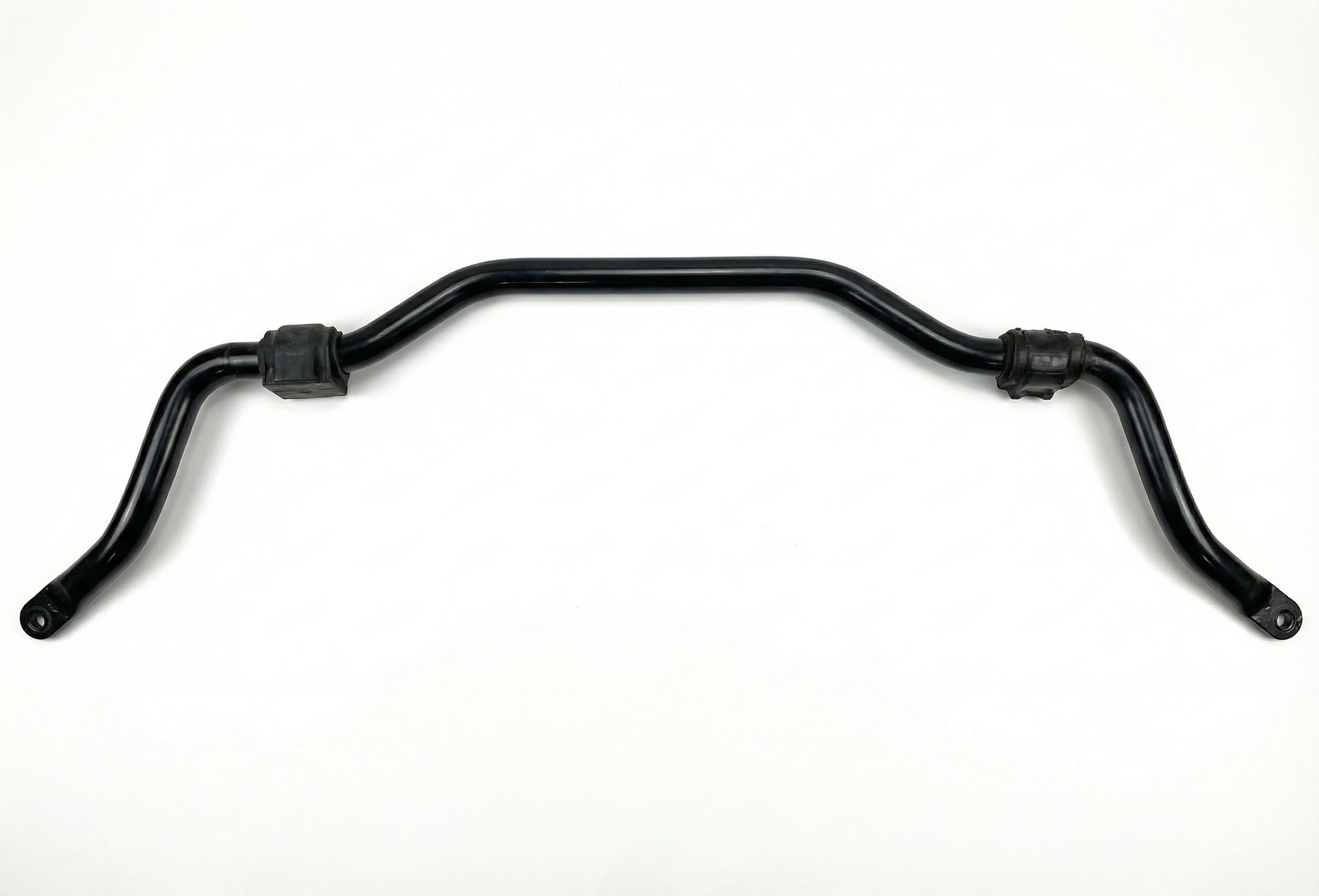
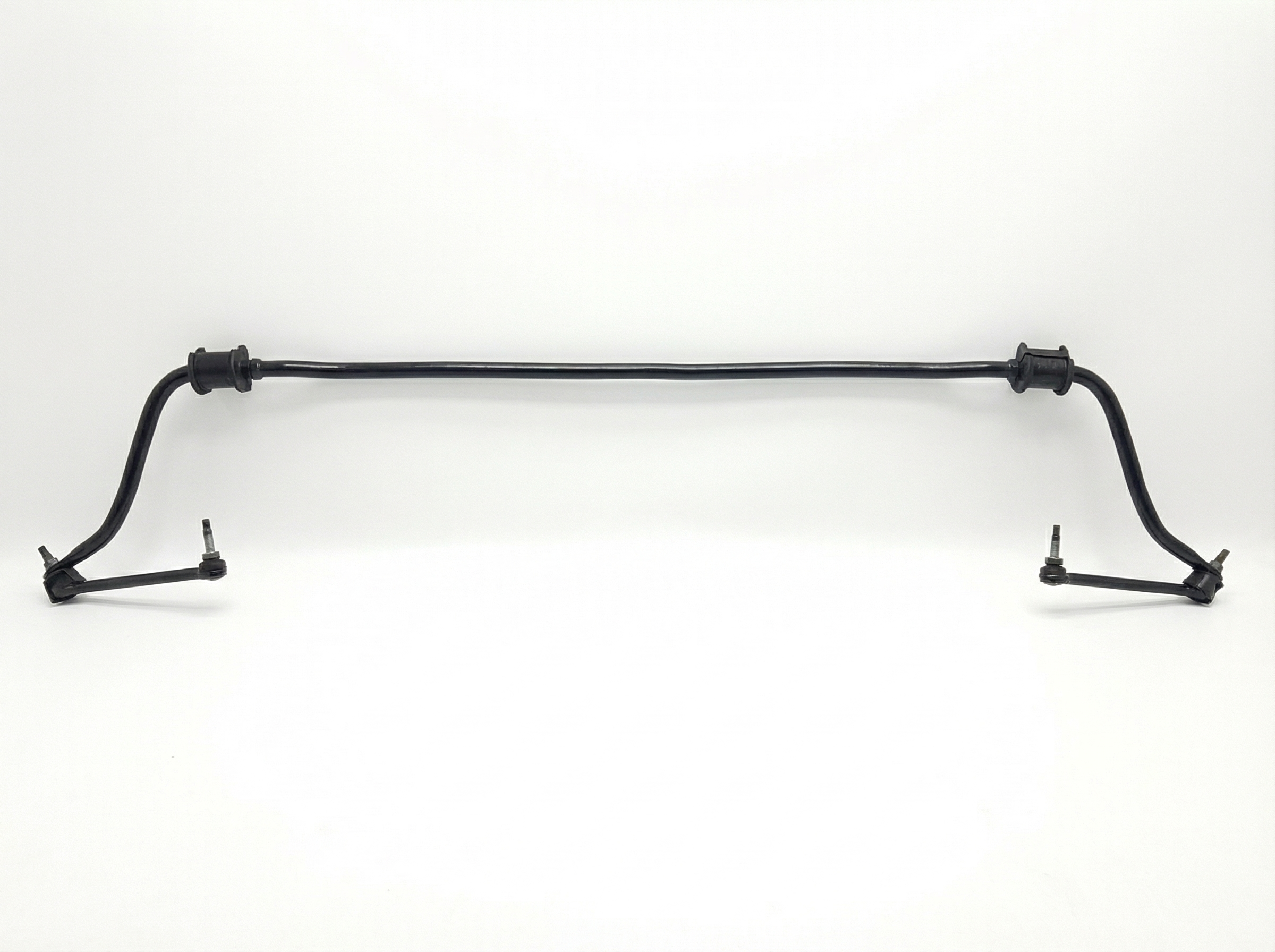
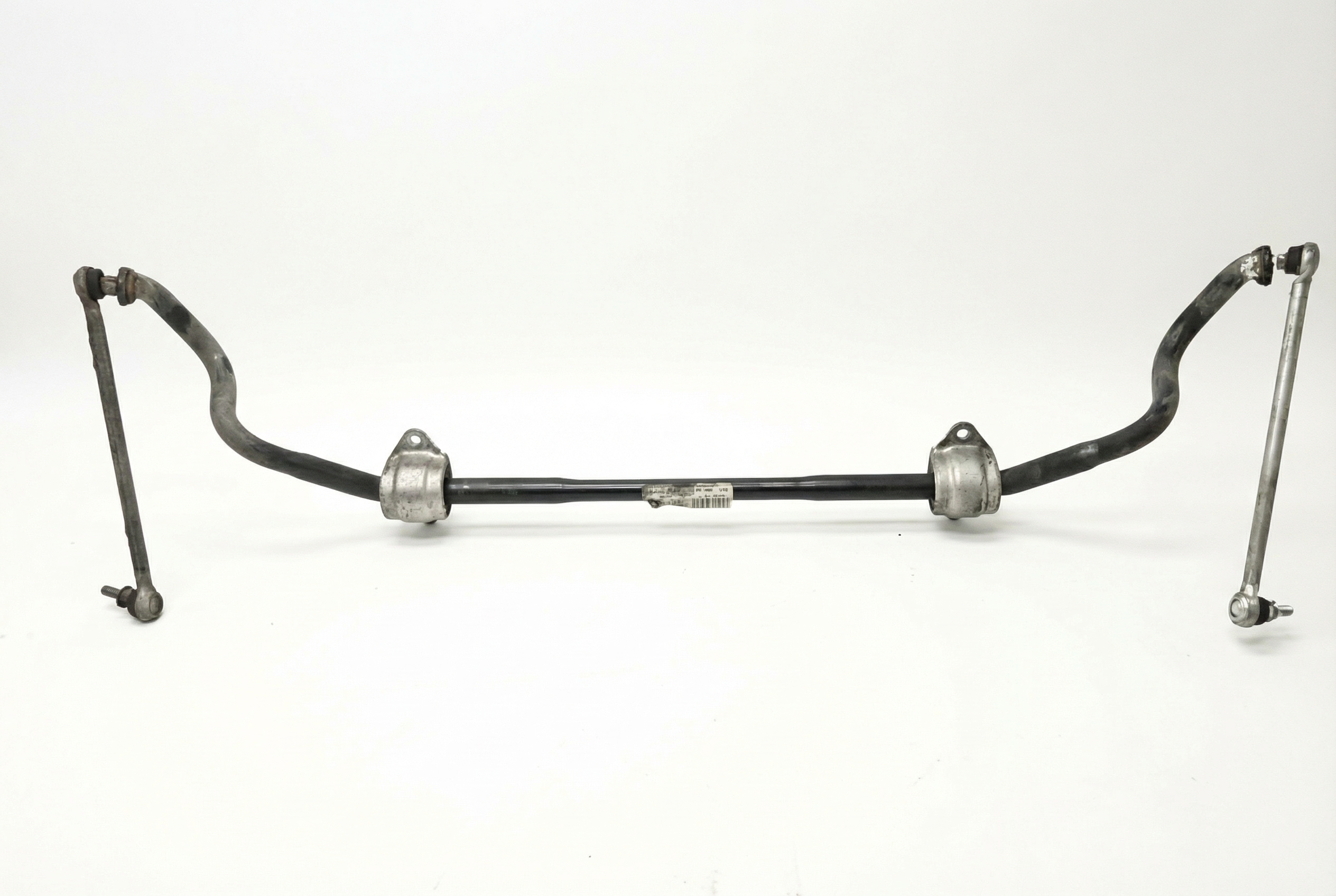
Because a stabilizer bar is a solid piece of steel, a used OEM bar is an excellent, cost-effective option, often superior to a cheap aftermarket replacement. The bar itself rarely fails unless the vehicle has been in a significant accident. The common failure points are the replaceable bushings and end links.
What to Inspect on a Used Bar:
- Check for Bends or Cracks: Lay the bar on a flat surface. It should sit level without any obvious bends, twists, or signs of crash damage. Inspect it closely for any cracks, especially around the ends and where the bushings mount.
- Inspect the Ends: Look at the holes or mounting points where the stabilizer links attach. They should be round and not excessively worn or elongated.
- Condition of Bushings (if included): A used bar may come with the frame bushings. Inspect them for cracking, tearing, or swelling. However, it is highly recommended to install new bushings and end links with any used stabilizer bar for best performance and longevity. They are inexpensive and ensure the system is tight.
- Verify the Part Number/Source: The most important step is to ensure the used bar came from a vehicle with the exact same configuration as yours (F-150 wheelbase/tow package or Expedition/Navigator suspension type).
Replacement Overview and Related Parts
Replacing the stabilizer bar is a feasible DIY project for someone with basic mechanical skills and tools. The most common related repair is replacing the stabilizer bar end links, 🎬 See this step-by-step guide for replacing F-150 end links. which often wear out first and cause the clunking noises.
Related Parts to Replace:
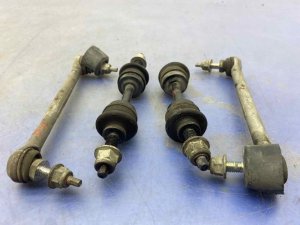
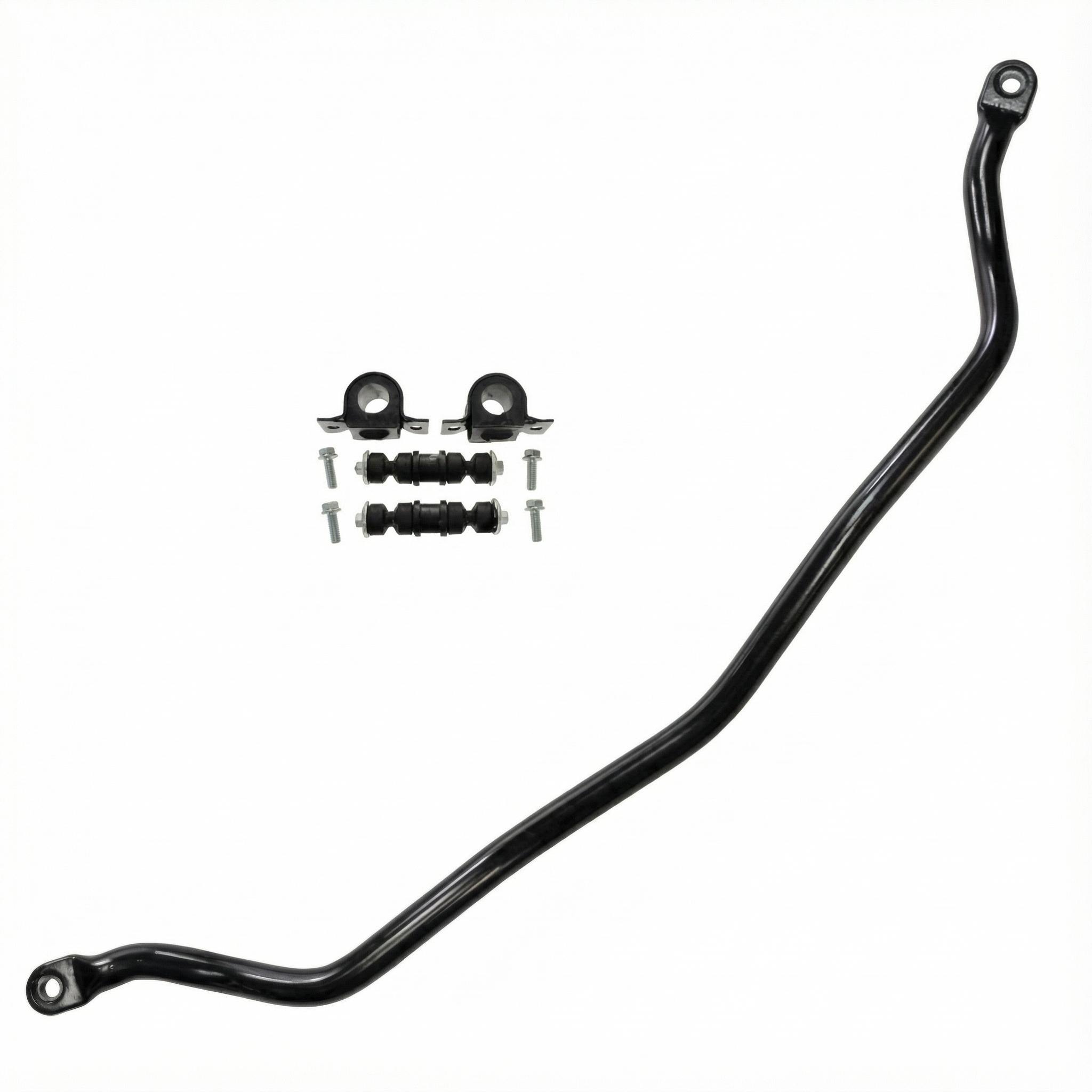
- Stabilizer Bar End Links: These connect the ends of the stabilizer bar to the suspension knuckle or control arm. They are a very common wear item. It is highly recommended to replace these in pairs when installing a new or used stabilizer bar.
- Stabilizer Bar Bushings: These are the two rubber or polyurethane mounts that secure the stabilizer bar to the vehicle's frame. They are also a wear item and should always be replaced when the bar is replaced. Ensure you use grease on the new bushings to prevent squeaking.
Torque Specs & Procedure:
While specific procedures vary slightly by model, the general process is as follows:
- Safely lift and support the front of the vehicle on jack stands.
- Remove the front wheels.
- Remove the nuts connecting the stabilizer bar end links to the stabilizer bar. An 18mm wrench is commonly needed, and you may need to hold the stud to prevent it from spinning.
- Remove the bolts (typically 15mm) holding the two stabilizer bar bushing brackets to the frame.
- With the brackets removed, the stabilizer bar can be maneuvered out of the vehicle.
- Installation is the reverse of removal. Install new bushings on the new bar before lifting it into place.
Pro Tip: Leave all bolts loose until all components are in place. The final tightening should be done with the vehicle's suspension loaded (i.e., with the wheels on the ground or the suspension compressed with a jack) to prevent binding and premature wear of the bushings. The torque spec for the F-150's end link nuts is approximately 59 lb-ft (80 Nm).
Cost of Replacement
The cost can vary significantly depending on whether you are replacing just the links or the entire bar assembly.
| Part / Service | Estimated Cost |
|---|---|
| New OEM Stabilizer Bar (Part Only) | $150 - $230 |
| New Aftermarket Stabilizer Bar (Part Only) | $100 - $200 |
| Used OEM Stabilizer Bar (Part Only) | $50 - $125 |
| Stabilizer Bar End Links (Aftermarket Pair) | $30 - $80 |
| Stabilizer Bar Bushings (Aftermarket Pair) | $10 - $30 |
| Shop Labor (Links & Bushings Only) | $100 - $200 |
| Shop Labor (Entire Bar Replacement) | $150 - $300 |
Frequently Asked Questions
Can I drive with a broken stabilizer bar link?
Yes, the vehicle is technically drivable, but it's not recommended for extended periods. Your vehicle's handling will be compromised, resulting in significant body roll in turns, which can be dangerous in an emergency maneuver. You will also have to endure the constant clunking noise.
Do I need to get an alignment after replacing the stabilizer bar or links?
No. The stabilizer bar and its links do not affect the vehicle's alignment angles (caster, camber, or toe). An alignment is not necessary after this repair.
Why are there so many different part numbers for the same bar?
Ford uses engineering numbers (e.g., JL345494CB) on the part itself for manufacturing tracking, while the service part number (e.g., JL3Z5482B) is what is used for ordering at a dealership. Furthermore, part numbers are frequently superseded as minor revisions are made. The key is to match the part to the vehicle's specifications, not just the number on the old part.
Should I upgrade to a heavy-duty aftermarket stabilizer bar?
For most users, a direct replacement OEM bar is sufficient. However, if you frequently tow heavy loads or desire sportier handling, a thicker aftermarket bar can be a good upgrade. Be aware that a significantly stiffer bar can make the ride feel harsher over single-wheel bumps.
Helpful Videos
Technical Specifications
OEM Part Numbers: FL345494AA FL345494CA FL345494CB FL3Z-5482-C FL3Z5482A FL3Z5482B JL345494AA JL345494AB JL345494AC JL345494CA JL345494CB JL3Z5482A JL3Z5482B ML3Z5482A ML3Z5482E
End Link Nut Torque: ~59 lb-ft (80 Nm). Bar diameter varies by application (e.g., 25.4mm, 27mm, 36mm).
We Have This Part in Stock

The information in this article is provided for general reference and educational purposes only. Vehicle specifications, procedures, and part compatibility can vary by production date, trim level, and region. Always consult your vehicle's factory service manual and verify part numbers before purchasing or performing repairs. Safety-critical components such as airbags, seat belts, and braking systems should be installed by a qualified professional.
- Ford F-150:
- Ford Expedition:
- Lincoln Navigator:
- 🎬 Helpful Videos
- 🛍️ Shop This Part
- Symptoms of a Failing Stabilizer Bar System
- Common Failure Symptoms:
- Vehicle Compatibility: A Critical Guide
- For 2015-2025 Ford F-150:
- For 2018-2024 Ford Expedition & 2018-2021 Lincoln Navigator:
- Buying a Used Stabilizer Bar
- What to Inspect on a Used Bar:
- Replacement Overview and Related Parts
- Related Parts to Replace:
- Torque Specs & Procedure:
- Cost of Replacement
- Frequently Asked Questions
- 🎟️ Get 5% Off