

2007-2023 Mustang Stabilizer Bar: Decoding Clunks, Sizes, and Upgrades
This guide explains the common failure points, complex variations, and popular upgrades for the S197 and S550 Mustang stabilizer (sway) bar.
- The most common failure is not the bar itself, but the end links and bushings, which cause a distinct clunking noise over bumps.
- Fitment is extremely specific. Stabilizer bar diameter varies by year, model, engine, body style (coupe/convertible), and performance package.
- Upgrading to a thicker bar from a GT or Shelby is a popular handling improvement, but requires matching bushings.
- When replacing, always use new end links and bushings, and tighten the bolts with the car's weight on the suspension to prevent noise and premature wear.
Symptoms of a Failing Stabilizer Bar System
When a stabilizer bar system fails, it's rarely the steel bar itself that breaks. The problem is almost always with the supporting components: the end links and the bushings. These parts wear out over time, leading to noticeable symptoms.
🎬 Watch: 5 telltale signs of a bad sway bar linkClunking or Rattling Noises
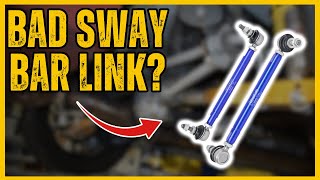
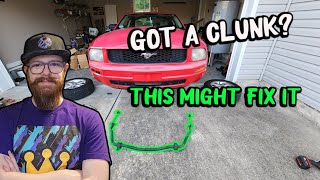
The most common symptom of a bad stabilizer bar link or bushing is a distinct clunking, knocking, or rattling sound from the front or rear suspension. This noise is most apparent at lower speeds when driving over bumps, uneven pavement, or turning into a driveway. The sound occurs because worn-out bushings or loose joints in the end links allow for excessive movement, causing metal parts to knock against each other or the vehicle's frame. Some describe the sound from worn bushings as a lower-pitched "thud," while worn end links might produce a higher-pitched "clunk."
Poor Handling and Increased Body Roll
A failing stabilizer bar system compromises its ability to control body roll. You may notice your Mustang leans more heavily in turns, feeling "wallowy" or less stable. While this might be subtle during normal driving, it can become a safety concern during emergency maneuvers or spirited driving. A completely broken end link will disconnect one side of the bar, significantly reducing its effectiveness.
Loose or Vague Steering
Worn end links can sometimes create a sensation of looseness or unresponsiveness in the steering. This happens because the connection between the suspension and the stabilizer bar is no longer tight, leading to a slight delay in handling response.
Known Issues, Recalls, and Technical Service Bulletins (TSBs)
While the stabilizer bar itself is a simple component, there have been related issues and recalls for the Ford Mustang. It's important to note that no major recalls were found specifically for stabilizer bar failure on the 2007-2023 Mustang in the US market.
- Loose End Links: A very common issue on both S197 and S550 platforms is simply that the end link nuts can loosen over time, causing a clunking noise. Before replacing parts, it's always worth checking if the top and bottom end link nuts are torqued to specification.
- Premature End Link Wear: The factory end links, particularly on the S550 (2015-2023) models, are known to wear out relatively quickly, sometimes in as little as 30,000 miles, especially in areas with poor road conditions.
- Incorrect Recall Repair (2022-2023 Models): While not directly related to the stabilizer bar, a recall (NHTSA 24V-493) was issued for a steering gear calibration issue on some 2022-2023 Mustangs. A subsequent re-recall was issued because some of the initial repairs were not performed correctly, highlighting the importance of verifying all recall work is completed properly on a used vehicle.
Buying a Used Stabilizer Bar: What to Look For
Buying a used OEM stabilizer bar can be a smart move, especially if you're upgrading from a base model to a performance package version. The bar itself is a durable piece of steel, but there are key things to inspect.
Pro Tip: Upgrading your base model Mustang with a GT, Performance Pack, or Shelby stabilizer bar is a very popular and effective handling modification. However, you must ensure you get the correct matching bushings and sometimes different end links for the new bar's diameter.
Physical Inspection
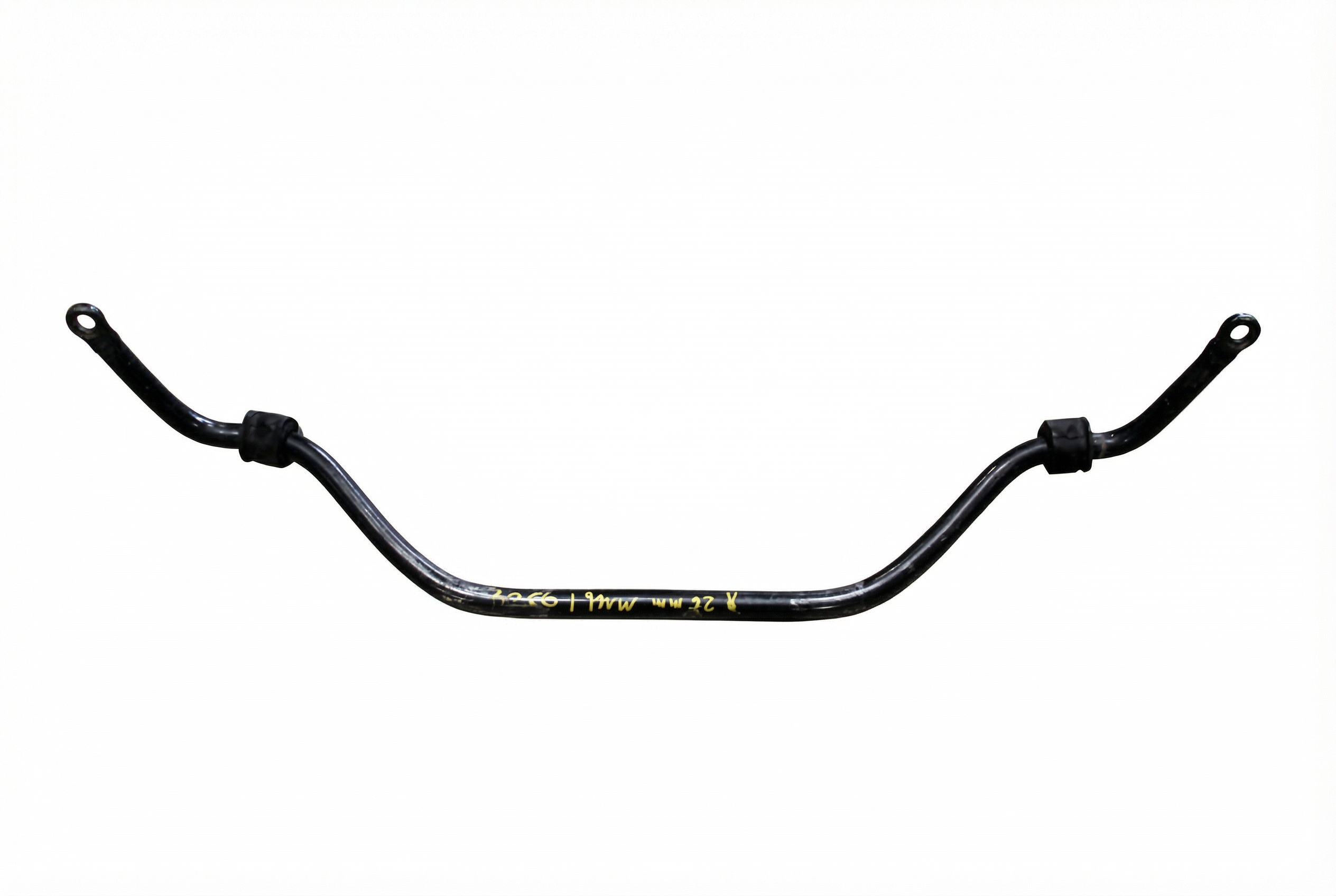
- Check for Bends and Cracks: Inspect the entire length of the bar. Look for any signs of bending, which indicates it was on a vehicle involved in a significant accident. Pay close attention to the bends and the areas where the end links and bushings mount, checking for stress cracks.
- Surface Condition: Heavy rust that causes deep pitting can weaken the bar, but surface rust is usually just cosmetic. A solid, straight bar with minor surface rust is generally acceptable.
- Forget the Old Hardware: Do not reuse the old end links or bushings that come with a used bar. These are wear items. Always plan to purchase and install new end links and new bushings that match the diameter of the used bar you are buying.
Compatibility is Everything
This is the most critical part of buying a stabilizer bar for a Mustang. Fitment is extremely specific and varies widely.
Warning: Ford used many different stabilizer bar diameters across the 2007-2023 Mustang lineup. A bar's compatibility depends on the model year, engine (V6, EcoBoost, V8), body style (Coupe or Convertible), and specific packages (Base, Performance Pack, Shelby). Always verify the part number or the exact specifications of the donor vehicle.
For example, a 34.6mm front bar might fit a 2011-2013 Shelby GT500, but only those built before a specific date in 2012. A convertible will often have a smaller diameter bar than its coupe counterpart. A Performance Pack GT bar will be thicker than a base GT bar. Use the OEM part numbers provided as a starting point and always double-check against the seller's information.
Replacement Overview and Torque Specs
Replacing a stabilizer bar is a feasible DIY job for those with the right tools and safety equipment. The most common related repair is simply replacing the end links, which is even easier.
Related Parts to Replace
- Stabilizer Bar End Links: These are the number one cause of clunking noises. They have joints that wear out. It is highly recommended to replace them in pairs whenever servicing the stabilizer bar.
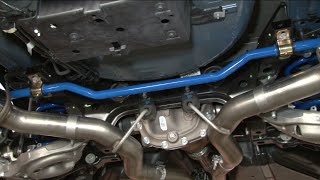
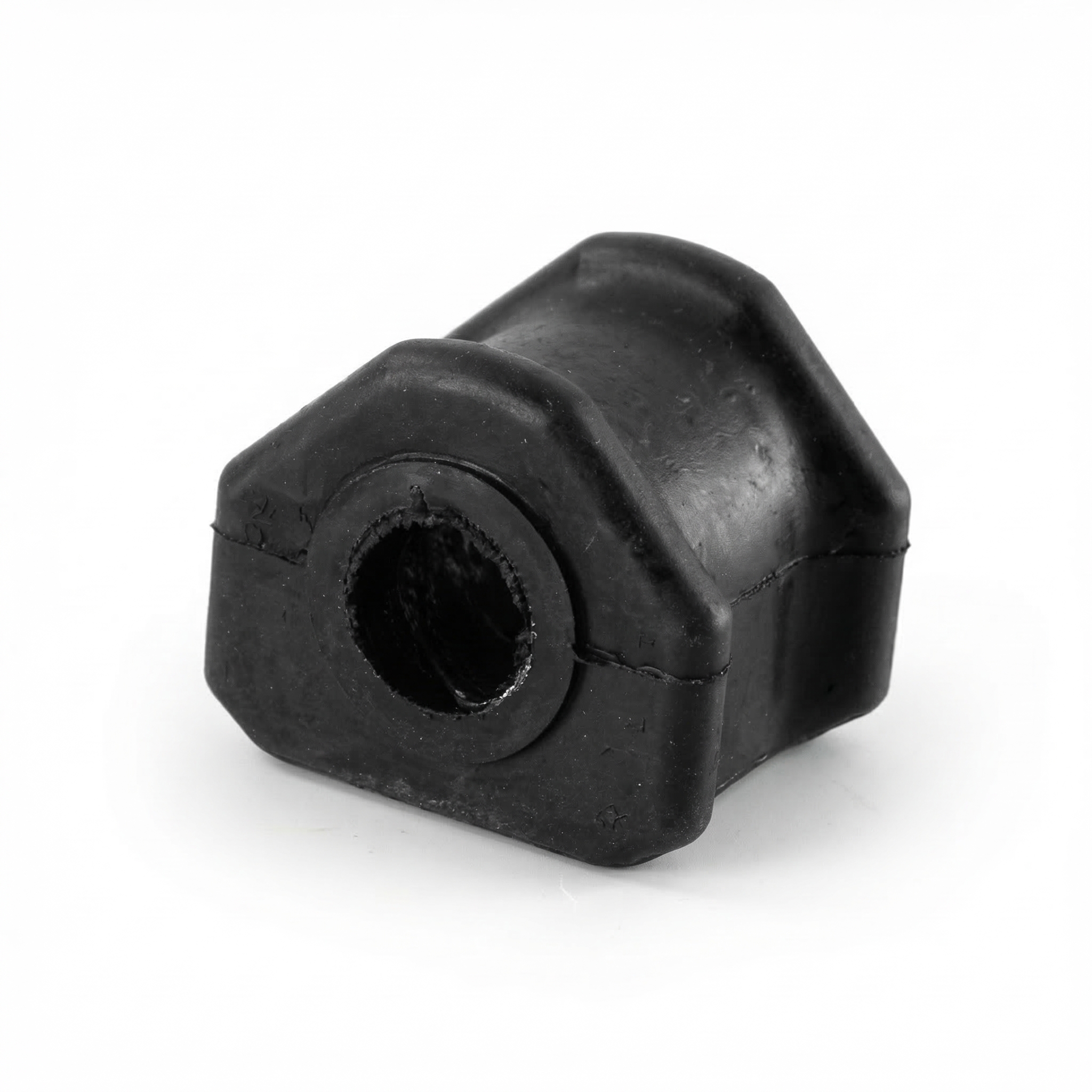
- Stabilizer Bar Bushings: These rubber or polyurethane insulators hold the bar to the car's frame. They wear out, dry rot, and shrink over time, allowing for unwanted movement. Always replace them with new ones that match the exact diameter of your bar.
Torque Specifications
Torque specs are critical for a quiet and safe installation. Loose bolts will cause noise, and over-tightened bolts can damage parts. These are general specs; always verify for your specific year and model if possible.
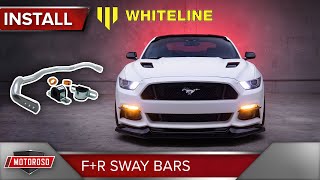
| Component | Torque Spec (S197, 2005-2014) | 🎬 See this S197 front end link and bushing replacement guideTorque Spec (S550, 2015-2023) | 🎬 Watch: Step-by-step sway bar installation for 2015+ Mustang GT
|---|---|---|
| Front Stabilizer Bar End Link Nuts | 85 lb-ft | 85 lb-ft (approx., verify) |
| Front Stabilizer Bar Bracket Bolts | 52 lb-ft | 46 lb-ft (approx., verify) |
| Rear Stabilizer Bar End Link Nuts | 41 lb-ft (approx., verify) | ~35 lb-ft (varies) |
| Rear Stabilizer Bar Bracket Bolts | 41 lb-ft (approx., verify) | ~35 lb-ft (varies) |
Pro Tip: When tightening suspension components like stabilizer bar links and bushings, the vehicle's suspension should be "loaded"—meaning the car should be resting on its wheels (either on the ground or on ramps), not hanging in the air on a jack stand. Tightening bolts with the suspension unloaded can cause premature bushing wear and noise.
Cost Comparison
The cost to fix a stabilizer bar issue varies greatly depending on whether you're replacing just the links or the entire bar and bushings.
| Part/Service | Estimated Cost |
|---|---|
| New OEM Stabilizer Bar | $150 - $400+ |
| New Aftermarket Stabilizer Bar (Performance) | $250 - $550 |
| Used OEM Stabilizer Bar | $50 - $150 |
| New OEM End Links (Pair) | $80 - $150 |
| New Aftermarket End Links (Pair) | $40 - $120 |
| New Stabilizer Bar Bushings (Pair) | $20 - $50 |
| Shop Labor (End Links Only) | $100 - $200 |
| Shop Labor (Full Bar Replacement) | $150 - $300 |
Frequently Asked Questions (FAQ)
Can I upgrade my base Mustang with a GT or Shelby stabilizer bar?
Yes, this is a very common and effective upgrade. A thicker bar from a higher-trim model will reduce body roll and sharpen handling. However, you MUST also purchase the correct size bushings for the new bar, and you may need different end links as well. It's best to source the bar, bushings, and brackets as a set.
Do I need a wheel alignment after replacing the stabilizer bar or links?
No. Replacing the stabilizer bar or its links does not affect the primary wheel alignment angles (camber, caster, and toe). Therefore, a wheel alignment is not necessary after this job.
Is it safe to drive with a broken stabilizer bar link?
You can technically drive the car, but it is not recommended for long. Your car will experience significantly more body roll, which can be dangerous in an emergency maneuver or sharp turn. You will also have to endure the constant clunking noise. It's best to get it replaced as soon as possible.
Should I replace just one broken end link or both?
It is always recommended to replace end links in pairs (both left and right). If one has failed due to age and wear, the other is likely not far behind. Replacing them together ensures balanced handling performance from side to side.
Helpful Videos
Technical Specifications
OEM Part Numbers: 7R335482EA 7R3Z5482E BR3Z5482A BR3Z5482B BR3Z5482D BR3Z5482F CR3Z-5493-B CR3Z-5A772-B CR3Z-5A772-G CR3Z-5A772-N CR3Z-5A772-R CR3Z-5C488-G FR3C5494AB FR3C5494AC FR3C5494BB
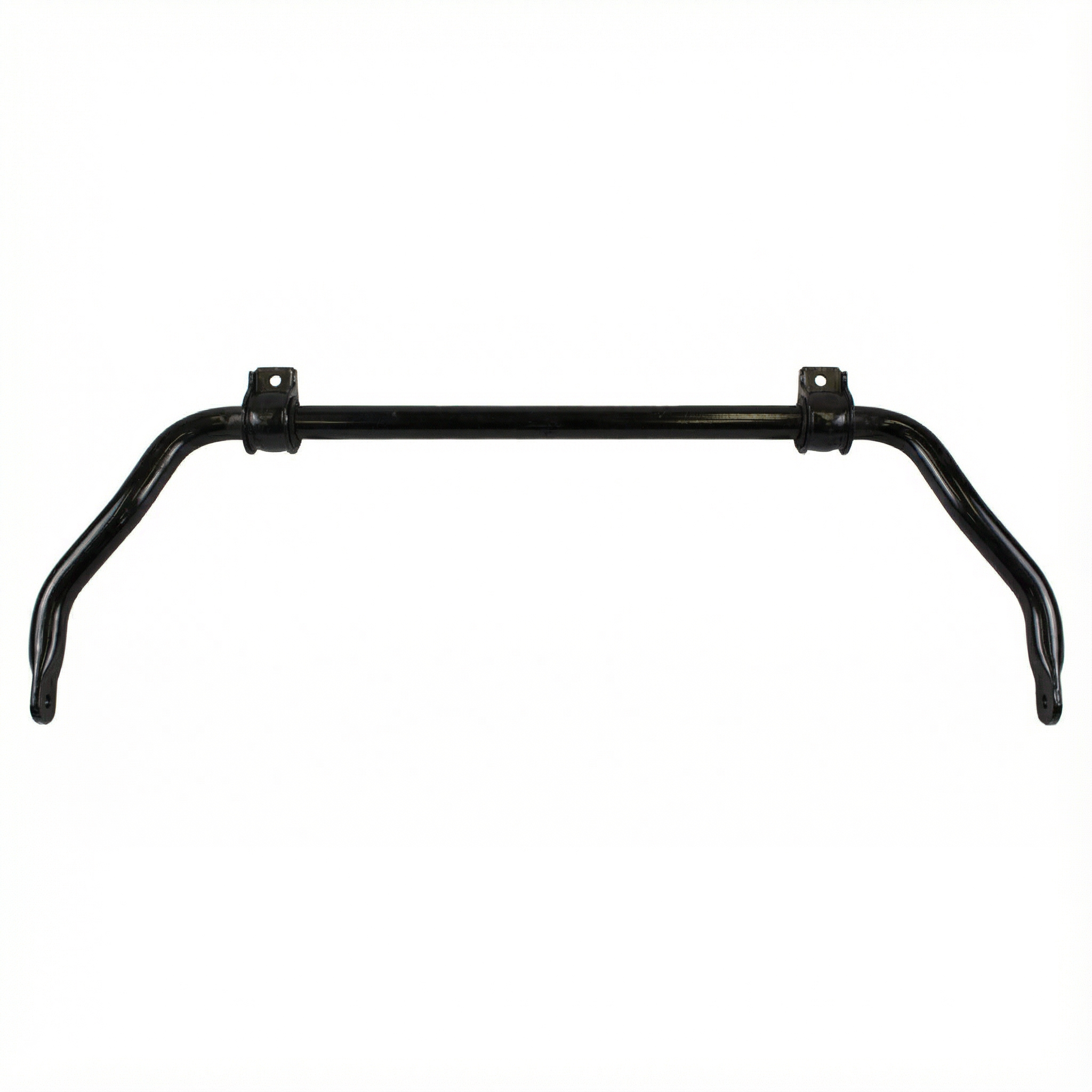
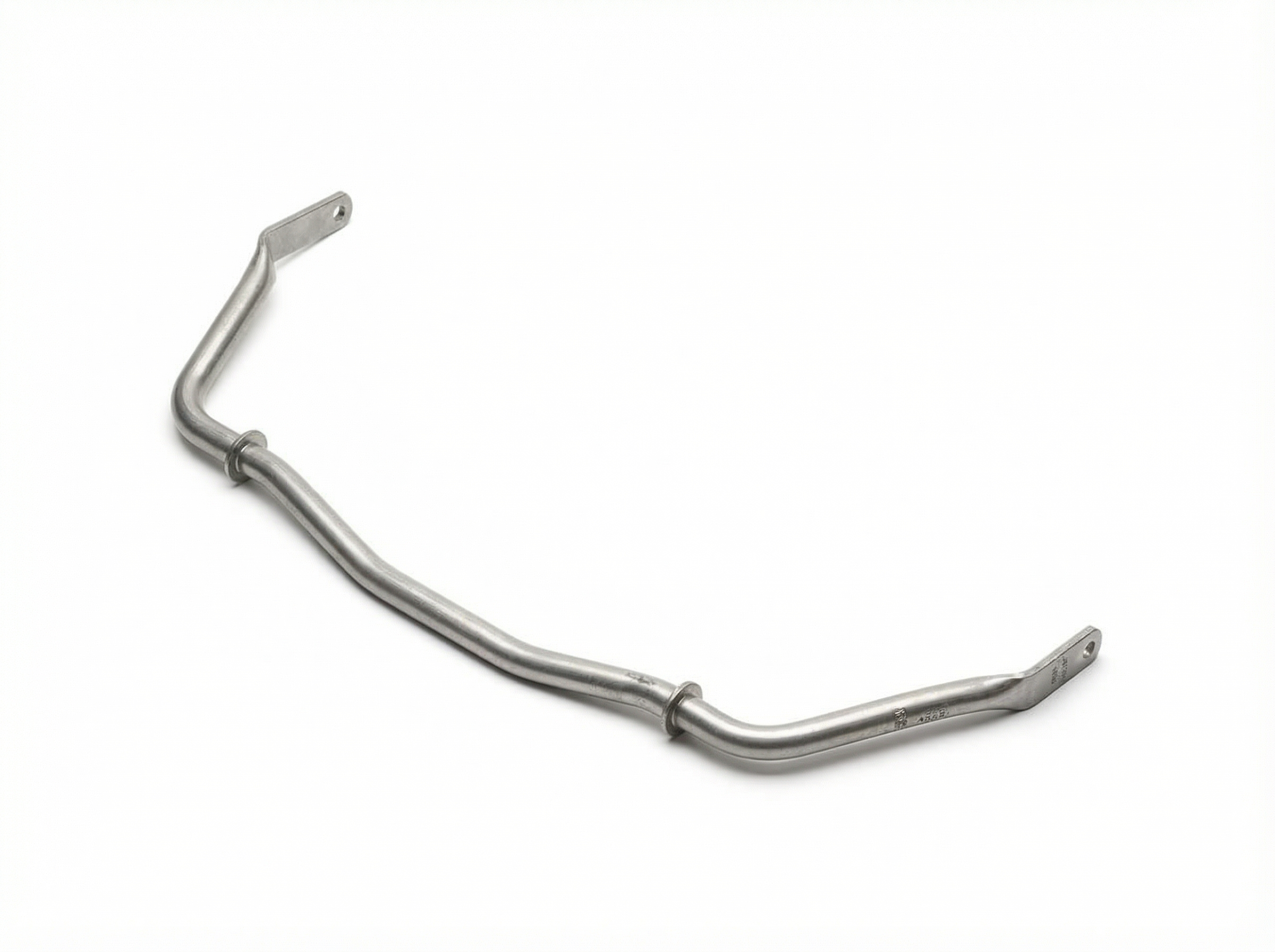
Diameter is the key specification and varies widely. S197 (2007-2014) front bars range from ~28mm (V6) to 34.6mm (GT/Shelby). S550 (2015-2023) front bars are typically around 32mm, with rear bars from ~20mm (Base) to 22.2mm (Performance Pack). These are examples; many variations exist.
We Have This Part in Stock

The information in this article is provided for general reference and educational purposes only. Vehicle specifications, procedures, and part compatibility can vary by production date, trim level, and region. Always consult your vehicle's factory service manual and verify part numbers before purchasing or performing repairs. Safety-critical components such as airbags, seat belts, and braking systems should be installed by a qualified professional.
- Ford Mustang:
- 🎬 Helpful Videos
- 🛍️ Shop This Part
- Symptoms of a Failing Stabilizer Bar System
- Clunking or Rattling Noises
- Poor Handling and Increased Body Roll
- Loose or Vague Steering
- Known Issues, Recalls, and Technical Service Bulletins (TSBs)
- Buying a Used Stabilizer Bar: What to Look For
- Physical Inspection
- Compatibility is Everything
- Replacement Overview and Torque Specs
- Related Parts to Replace
- Torque Specifications
- Cost Comparison
- Frequently Asked Questions (FAQ)
- 🎟️ Get 5% Off