

2011-2024 Ford Mustang Stabilizer Bar: Diagnosing Clunks, Fitment Traps & Upgrade Paths
This guide explains how to diagnose common stabilizer (sway) bar noises, navigate the complex world of model-specific fitment, and choose the right part for your S197, S550, or S650 Mustang.
- Clunking noises over bumps are the #1 symptom, almost always caused by worn end links or bushings, not the bar itself.
- Fitment is extremely specific. Before buying, you must verify your Mustang's year, model (GT, EcoBoost), body style (Coupe/Convertible), and if it has a Performance Package.
- Upgrading to a larger stabilizer bar from a GT or Performance Package is a popular and effective handling modification, but requires matching larger bushings.
- When replacing the bar or fixing a clunk, always install new end links and bushings, and torque the fasteners with the car's weight on the suspension to prevent noise.
Symptoms of Failure
The stabilizer bar itself is a robust piece of steel and rarely breaks. The most common points of failure are the components that connect it to the rest of the car: the end links and the chassis bushings. When these parts wear out, they create noticeable symptoms.
Clunking or Rattling Noises
The number one symptom of a failing stabilizer bar system is a clunking, knocking, or rattling sound coming from the front or rear suspension. This noise is most apparent at low speeds when driving over bumps, potholes, or uneven driveways. The sound is caused by worn-out ball joints in the end links or dried, shrunken bushings that allow the metal bar to move and knock against other suspension components. A good way to test for this is to park the car on a level surface, open a door, and rock the car side-to-side; this can often recreate the clunking sound.
🎬 Watch: How to diagnose a mysterious front end clunk.Poor Handling and Body Roll
If an end link is broken or the bushings are completely shot, the stabilizer bar is effectively disconnected from the suspension. This will cause a noticeable increase in body roll during turns, making the car feel less stable and "wallowy." You might also notice a looser, less responsive feel in the steering wheel. While a driver might not always notice a minor decrease in handling, a completely failed link can make the car feel unstable in corners or during quick lane changes.
Uneven Tire Wear
While less common, significantly worn stabilizer bar components can contribute to uneven tire wear over the long term. When the suspension isn't properly stabilized, it can cause abnormal weight distribution on the tires during cornering, leading to accelerated wear on the edges.
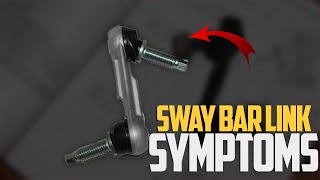
Pro Tip: Before assuming the worst, grab the end links (with the car on the ground) and try to shake them firmly. If you feel play or hear a clunk, the end links are the likely culprit and are a much easier and cheaper fix 🎬 See these 5 telltale signs of a bad sway bar link. than replacing the entire bar.
Variant & Fitment Differences (2011-2024)
Choosing the correct stabilizer bar for a Ford Mustang is extremely complicated. Fitment is highly dependent on the model year, trim level (V6, EcoBoost, GT, Shelby), body style (Coupe vs. Convertible), and specific option packages like the Performance Package. Using the wrong bar can lead to installation issues, poor handling, or interference with other components.
Warning: Always verify your vehicle's exact specifications before purchasing a used stabilizer bar. The diameter of the bar is the most critical factor, and they are not interchangeable between all models. For example, a bar from a GT Performance Package will not fit a base model without also changing other components like bushings and brackets.
Key Differences by Model & Package:
- Base V6/EcoBoost vs. GT: GT models typically feature larger diameter, stiffer stabilizer bars than their V6 or EcoBoost counterparts to handle the increased power and weight.
- Performance Packages (PP1, PP2): Mustangs equipped with Performance Packages have significantly larger and stiffer front and rear stabilizer bars compared to base models. For example, the FR3Z-5482-B is a common Performance Package front bar.
- Shelby GT350/GT500: These high-performance models have unique stabilizer bars engineered specifically for track performance, often with different diameters and mounting points.
- Coupe vs. Convertible: Convertibles often use different, sometimes smaller, rear stabilizer bars to accommodate the additional chassis bracing unique to the convertible body style.
- S197 (2011-2014) vs. S550/S650 (2015+): The move to an independent rear suspension (IRS) in 2015 meant a complete redesign of the suspension, including the stabilizer bars. Bars are not interchangeable between these generations.
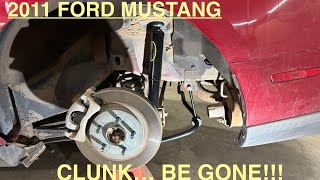
Upgrading to a larger bar from a higher-trim model (e.g., putting GT bars on a V6) is a very popular and effective handling modification. 🎬 Watch this step-by-step rear sway bar kit installation guide. However, it often requires using the corresponding larger bushings and sometimes different mounting brackets.
Buying a Used Suspension Stabilizer Bar
A used OEM stabilizer bar is an excellent value. The bar itself is a simple, durable piece of steel that doesn't wear out, making a recycled part a smart choice over expensive new OEM or potentially lower-quality aftermarket options.
What to Inspect:
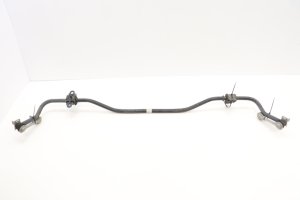
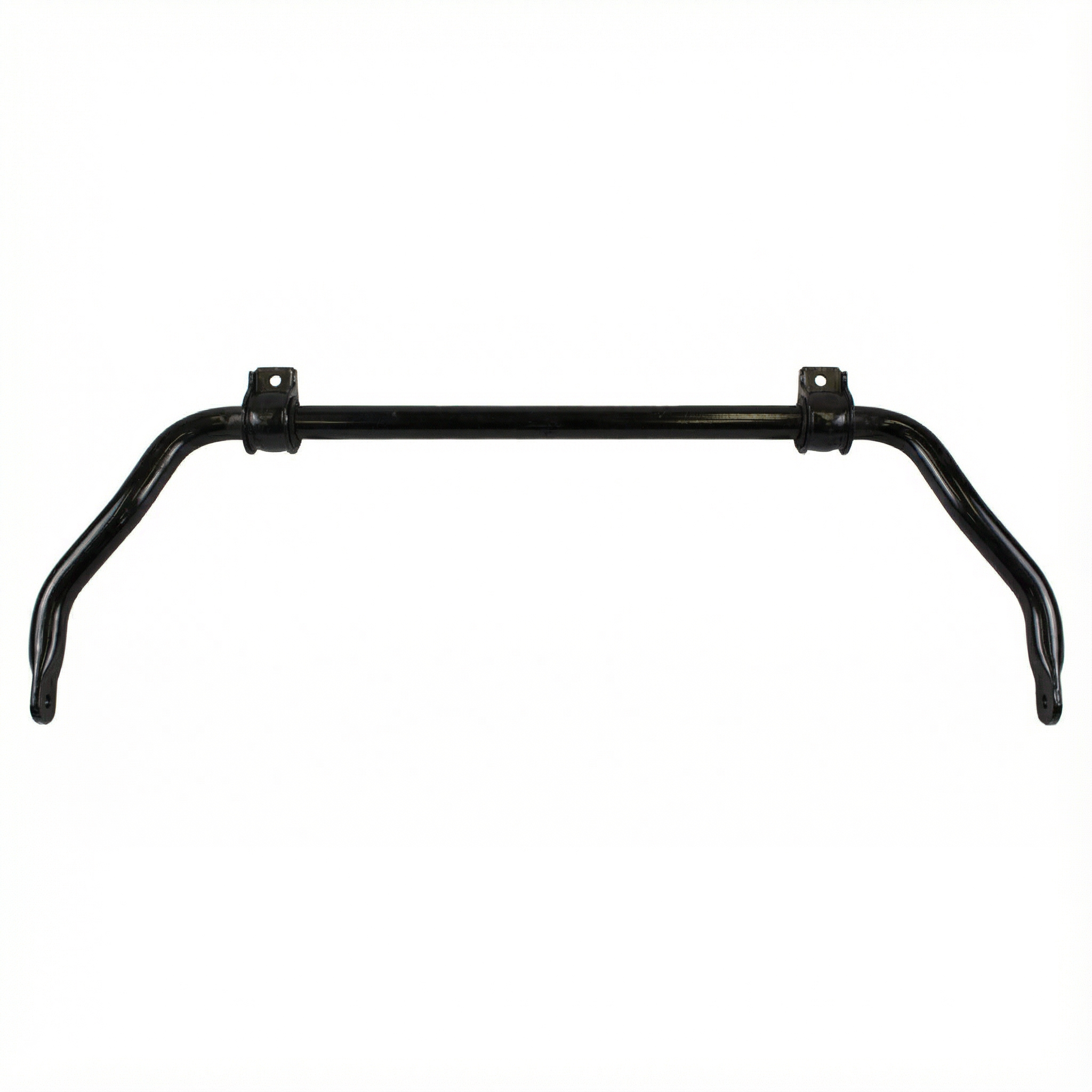
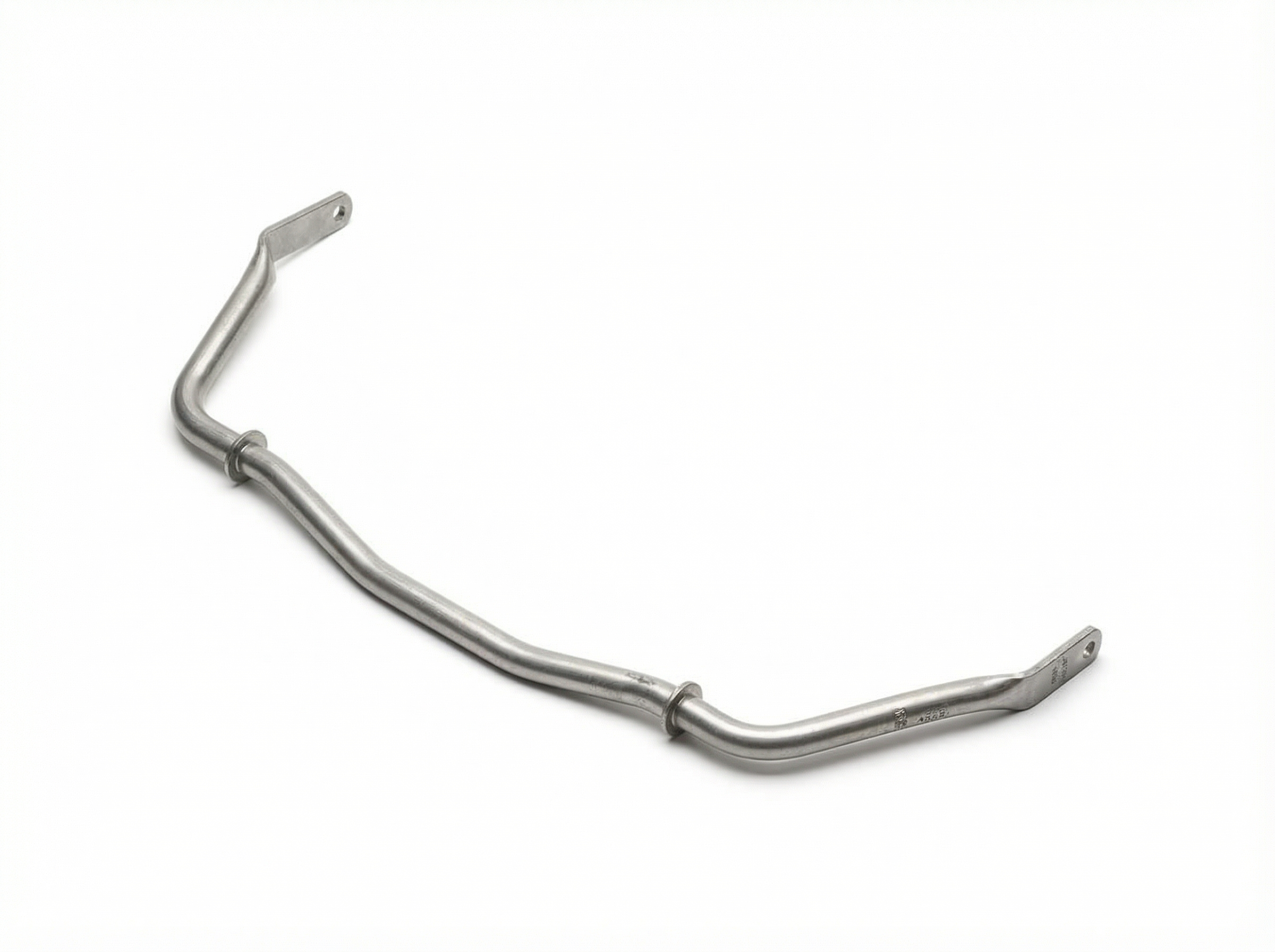
- Check for Straightness: Look down the length of the bar. It should be perfectly symmetrical. Any bends, kinks, or signs of being straightened indicate the vehicle was likely in a major accident, and the bar should be rejected.
- Examine Mounting Points: Check the ends of the bar where the end links attach. The holes should be round and not elongated or damaged.
- Inspect for Surface Damage: Heavy rust, deep gouges, or corrosion can create stress risers that could lead to a fracture under extreme load, though this is rare. Surface rust is normal and not a concern.
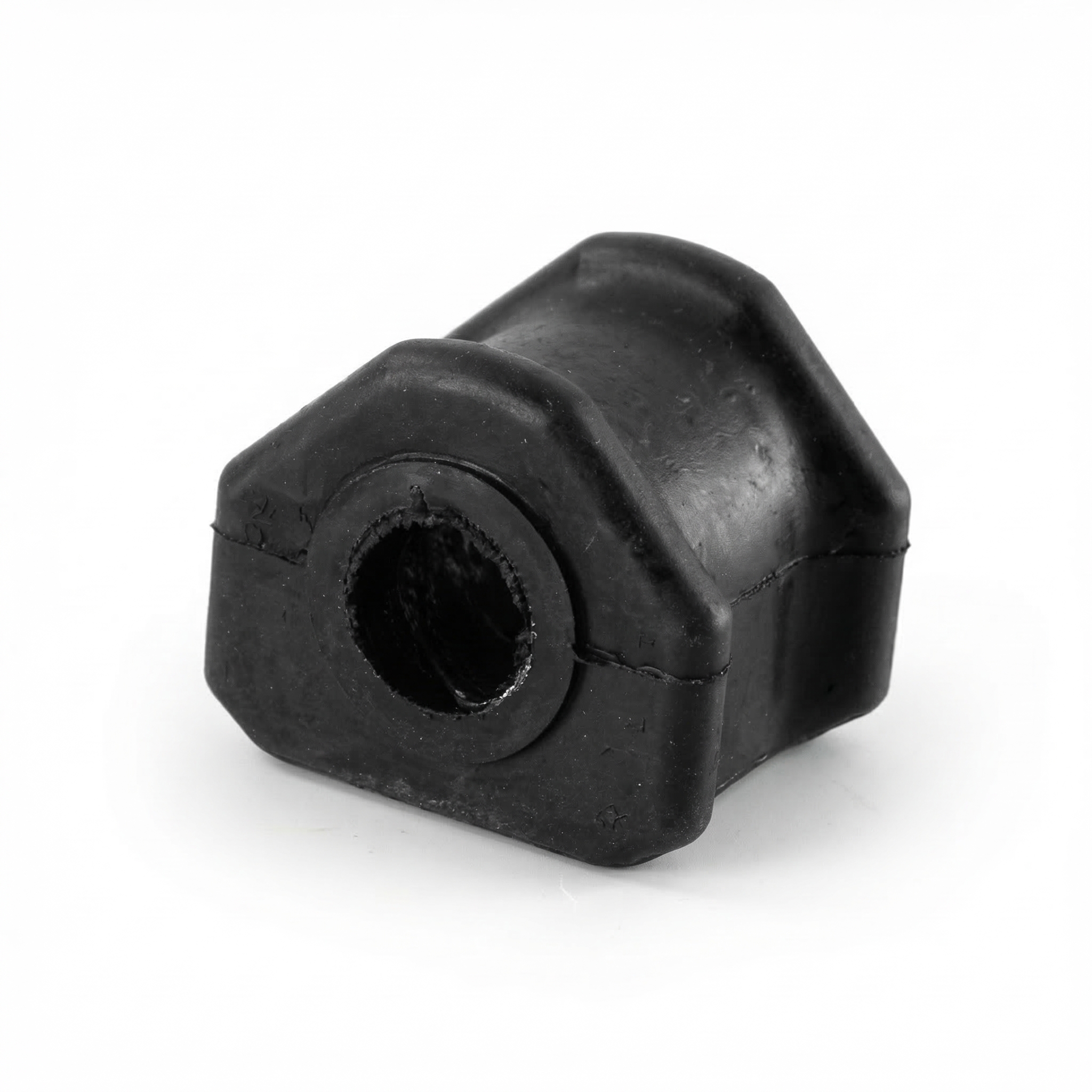
- Ignore Bushings and End Links: Assume the rubber or polyurethane bushings and the end links that come with a used bar are worn. These are inexpensive wear items and should always be replaced with new parts during installation for best performance and to avoid noise.
Verifying Compatibility:
This is the most critical step. Before buying, you must know your Mustang's exact year, model, body style, and whether it has a Performance Package. Use the OEM part number from the donor vehicle or your original bar to confirm a match. When in doubt, ask the seller for the VIN of the vehicle the part came from to verify its original specifications.
Known Issues, TSBs, and Recalls
As of this writing, there are no major recalls or Technical Service Bulletins (TSBs) issued by Ford specifically for the stabilizer bar itself on 2011-2024 Mustangs. The vast majority of owner complaints are related to the clunking noises caused by worn end links or bushings, which are considered normal wear-and-tear items. These are not typically covered by a TSB unless a specific batch of parts was found to be defective from the factory.
Cost Comparison
Replacing stabilizer bar components offers a wide range of cost options. Always factor in the price of new bushings and end links when making your decision.
| Part/Service | Estimated Cost |
|---|---|
| New OEM Stabilizer Bar (Bar Only) | $230 - $350 |
| New Aftermarket Stabilizer Bar (Bar Only) | $140 - $300 |
| Used OEM Stabilizer Bar | $95 - $150 |
| New OEM End Links (Pair) | $80 - $120 |
| New Aftermarket End Links (Pair) | $40 - $80 |
| New Bushings (Pair) | $25 - $50 |
| Shop Labor (Bar Replacement) | $150 - $300 |
| Shop Labor (End Link Replacement Only) | $100 - $200 |
Installation Tips & Torque Specs
Replacing a stabilizer bar is a feasible DIY project for those with the right tools. The key is to work safely with the vehicle properly supported on jack stands.
- Load the Suspension: Critical fasteners, especially the end link nuts, should be given their final torque with the suspension loaded (i.e., with the car's weight on its wheels, or the suspension supported by a jack). Torquing them with the suspension hanging can preload the bushings incorrectly and cause premature failure or noise.
- Replace Wear Items: Always install new bushings and end links with a new or used bar. It's a small cost that prevents having to do the job twice.
- Lubricate Bushings: Use a specific polyurethane-safe grease (often supplied with new bushings) on the inside of the new bushings to prevent squeaking.
- Access can be Tricky: On S550 models (2015+), accessing the front stabilizer bar bracket bolts can be difficult, sometimes requiring long extensions or removing the factory airbox for clearance.
Common Torque Specs (S550 Models, 2015+):
Always verify specs for your specific year and model. These are general guidelines.
- Stabilizer Bar End Link Nuts: 85 ft-lbs
- Stabilizer Bar Bracket Bolts (to subframe): 52 ft-lbs (Some aftermarket guides suggest 35-40 ft-lbs, always follow the manufacturer's spec if available).
For S197 models (2011-2014), the end link torque is also commonly cited as 85 ft-lbs.
Frequently Asked Questions (FAQ)
Can I drive with a broken stabilizer bar end link?
Yes, you can technically drive the car, but it's not recommended for long. The car will experience significant body roll in turns, which can be unsafe during emergency maneuvers. You will also have to endure the constant clunking noise. It's best to get it replaced as soon as possible.
Do I need a wheel alignment after replacing the stabilizer bar or end links?
No. The stabilizer bar and its links do not affect the primary alignment angles (camber, caster, toe). You do not need an alignment after this job.
Can I install a GT Performance Pack stabilizer bar on my base model EcoBoost/V6?
Yes, this is a very popular upgrade. However, you must use the corresponding larger bushings and brackets that match the new, thicker bar. You cannot reuse your smaller base model bushings. It's often easiest to buy a used bar that includes its original brackets.
Why are my new bushings squeaking?
Squeaking is almost always caused by a lack of proper lubrication during installation. Polyurethane bushings, in particular, require a special, sticky, water-resistant grease applied to all surfaces that contact the bar and the bracket. If they were installed dry, they will squeak.
Helpful Videos
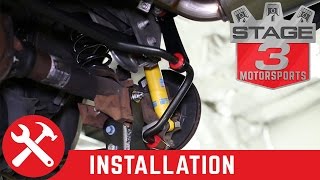
Technical Specifications
OEM Part Numbers: BR3Z5482A BR3Z5482B BR3Z5482D BR3Z5482F CR3Z-5493-B CR3Z-5A772-B CR3Z-5A772-G CR3Z-5A772-N CR3Z-5A772-R CR3Z-5C488-G FR3C5494AB FR3C5494AC FR3C5494BB FR3C5494BC FR3C5A772AB FR3Z-5482-B
Diameters vary significantly by model, from ~20mm on some convertibles to over 34mm on performance models. Common S550 torque specs: End Link Nuts - 85 ft-lbs; Bracket Bolts - 52 ft-lbs.
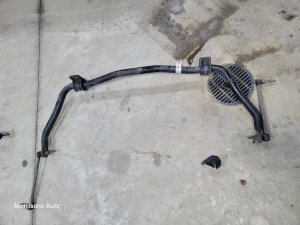
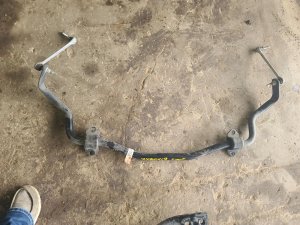
We Have This Part in Stock

The information in this article is provided for general reference and educational purposes only. Vehicle specifications, procedures, and part compatibility can vary by production date, trim level, and region. Always consult your vehicle's factory service manual and verify part numbers before purchasing or performing repairs. Safety-critical components such as airbags, seat belts, and braking systems should be installed by a qualified professional.
- Ford Mustang:
- 🎬 Helpful Videos
- 🛍️ Shop This Part
- Symptoms of Failure
- Clunking or Rattling Noises
- Poor Handling and Body Roll
- Uneven Tire Wear
- Variant & Fitment Differences (2011-2024)
- Key Differences by Model & Package:
- Buying a Used Suspension Stabilizer Bar
- What to Inspect:
- Verifying Compatibility:
- Known Issues, TSBs, and Recalls
- Cost Comparison
- Installation Tips & Torque Specs
- Common Torque Specs (S550 Models, 2015+):
- Frequently Asked Questions (FAQ)
- 🎟️ Get 5% Off