

Fixing Front End Clunks on 2020-2025 GM HD Trucks: Stabilizer Bar Guide
A complete guide to diagnosing and replacing the front suspension stabilizer bar and its related parts on the 2020-2025 Chevrolet Silverado and GMC Sierra 2500/3500 HD.
- The most common symptom of failure is a clunking noise from the front end over bumps, which is almost always caused by worn stabilizer end links or frame bushings, not the bar itself.
- When replacing components, always replace end links in pairs and tighten fasteners only when the truck's full weight is on the suspension to prevent premature wear.
- The OEM bar (GM Part 84438109) has a 35mm diameter. You must verify your original bar's diameter before ordering parts to ensure correct fitment of the new bushings.
- It is generally safe to drive with a worn stabilizer link, but handling is compromised, reducing safety in turns or emergency maneuvers. The repair should be made promptly.
Symptoms of a Failing Stabilizer Bar System

While the steel stabilizer bar itself rarely fails, the components that connect it to the truck are common wear items. The most frequent failures occur in the stabilizer bar end links (which connect the bar to the steering knuckle or control arm) and the stabilizer bar bushings (which secure the bar to the truck's frame). When these parts wear out, they create noticeable symptoms.
Clunking or Knocking Noises
This is the most common symptom. You will hear a metallic clunk, knock, or rattle from the front end of the truck. The noise is most apparent at lower speeds when driving over bumps, potholes, or uneven road surfaces. It happens because worn-out joints in the end links or deteriorated rubber bushings allow the heavy steel bar to move and knock against other suspension components.
Increased Body Roll and Instability
A failing stabilizer bar system can't do its job of controlling body lean. You'll notice the truck feels 'floaty,' leans excessively in corners, or sways more than usual during lane changes. This can make the truck feel less stable and confident on the road, especially at highway speeds or when making sudden maneuvers.
Loose or Vague Steering
Worn stabilizer system components can sometimes translate to a steering wheel that feels less responsive or disconnected from the road. While other worn parts can cause this, it's a common secondary symptom of a bad sway bar link or bushing.
🎬 See this fix for loose steering and clicking on 2020+ trucks.Pro Tip: The stabilizer bar, end links, and bushings are the primary suspects for front-end clunking noises on these trucks. While other issues like worn ball joints or control arm bushings can cause similar sounds, the stabilizer system is the most common and easiest place to start your diagnosis.
🎬 Watch: How to identify clunking noises in your front suspension.Known Issues, TSBs, and Recalls

As of early 2026, there are no specific recalls or widespread Technical Service Bulletins (TSBs) from General Motors or the NHTSA for the front stabilizer bar (GM Part 84438109) or its related links and bushings on the 2020-2025 Chevrolet Silverado HD and GMC Sierra HD trucks. Failures are typically considered normal wear and tear.
It is worth noting that some owners of GM trucks from this era have reported other suspension noises. TSB 19-NA-129, for example, addresses a clunking noise from the rear leaf springs, which can sometimes be confused with a front-end noise. Another bulletin, 25-NA-380, addresses a harsh ride and noise in cold weather caused by freezing body mounts. However, for clunking isolated to the front suspension over bumps, the stabilizer bar system remains the most likely cause.
Buying a Used Suspension Stabilizer Bar

For a part like a stabilizer bar, a used OEM component is an excellent choice. The bar itself is a simple, robust piece of steel that doesn't wear out. Unlike complex mechanical or electronic parts, mileage is not a significant concern for the bar itself.
What to Inspect on a Used Bar:
- Straightness: Look down the length of the bar to ensure it is straight and not bent or twisted. A bent bar is a sign the vehicle was in a significant accident or subjected to extreme stress, and the bar should be rejected.
- Surface Condition: Minor surface rust is normal and purely cosmetic. However, avoid any bar with deep, flaking rust or signs of significant corrosion that could compromise its strength.
- Included Hardware: A good used part will often come with the original mounting brackets and bolts. While you should always install new bushings and end links, having the original brackets can be convenient.
Compatibility Warning: The most critical step is to verify the diameter of your original bar before ordering. The standard bar for these trucks, part number 84438109, has a diameter of 35mm (approximately 1.38 inches). GM may have used different diameter bars for specific packages. Using the wrong diameter bar will result in poor fitment of the bushings and compromised handling.
Why Used OEM is a Smart Choice
A used OEM stabilizer bar offers the precise fitment and material quality of a new GM part at a fraction of the price. Aftermarket bars may have slight variations in shape or material that can affect handling, whereas a used OEM bar is a known quantity engineered specifically for your truck.
Related Parts to Replace
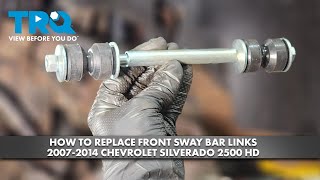
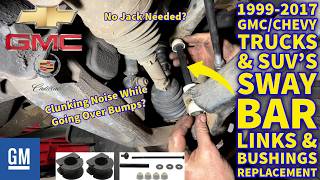
When servicing the stabilizer bar, it is highly recommended to replace the wear items associated with it. The noise and handling issues are almost always caused by these related parts 🎬 Watch: Step-by-step guide to replacing sway bar bushings and links., not the bar itself.
- Stabilizer Bar End Links: These are the vertical rods that connect the ends of the stabilizer bar to the suspension. They have joints that wear out. Always replace them in pairs (left and right) to ensure balanced handling.
- Stabilizer Bar Bushings: These are the two rubber or polyurethane mounts that hold the stabilizer bar to the truck's frame. They dry out, crack, and shrink over time, allowing the bar to move and clunk. They are inexpensive and should always be replaced when the bar is removed.
Cost Comparison
Prices can vary by supplier and location. The following is an estimated cost breakdown for replacing the stabilizer bar system components.
| Part | Estimated Cost |
|---|---|
| New OEM Stabilizer Bar (GM 84438109) | $120 - $180 |
| Used OEM Stabilizer Bar | $50 - $100 |
| New Aftermarket Stabilizer Bar (e.g., Hellwig) | $300 - $450 (Often sold as a performance upgrade) |
| New OEM/Aftermarket End Link Kit (Pair) | $40 - $150 |
| New Stabilizer Bar Bushing Kit (Pair) | $20 - $50 |
| Shop Labor (End Links & Bushings Only) | $100 - $250 |
| Shop Labor (Full Bar Replacement) | $150 - $350 |
Installation Tips & Torque Specs

Replacing the stabilizer bar and its components is a straightforward job for a DIY mechanic. The most common challenge is dealing with rusted fasteners.
- Torque Specs: While specific GM torque specs for the 2020+ HD trucks can be difficult to find without a factory manual, typical torque values for stabilizer bar components are important. End link nuts are often in the 15-40 ft-lbs range, while frame mount bracket bolts are typically higher, around 40-70 ft-lbs. Overtightening can damage bushings or break studs. Always consult a service manual for your specific vehicle if possible.
- Load the Suspension: It is critical to tighten the end link and bushing bracket bolts only when the vehicle's full weight is on the suspension (i.e., on the ground or on ramps, not with the wheels hanging in the air). Tightening with the suspension unloaded can pre-load the bushings, causing them to bind and fail prematurely.
- Alignment: A wheel alignment is not necessary after replacing the stabilizer bar, links, or bushings, as these components do not affect the vehicle's alignment angles.
Frequently Asked Questions (FAQ)
Can I just replace the end links and not the whole bar?
Yes, absolutely. In most cases, only the end links and/or the frame bushings are worn out. The steel bar itself is usually fine. Replacing only the worn components is the standard repair.
What's the difference between a stabilizer bar and a torsion bar?
They are completely different parts. A stabilizer bar (sway bar) connects the left and right sides of the suspension to control body roll. A torsion bar is a type of spring, used on some older GM trucks, that twists along its length to support the vehicle's weight, replacing a traditional coil or leaf spring.
My truck is lifted. Do I need a special stabilizer bar?
You typically do not need a special bar, but you will likely need longer stabilizer bar end links. Using stock-length end links on a lifted truck can put the stabilizer bar at an incorrect angle, limiting its effectiveness and potentially causing damage. Many aftermarket suspension companies sell extended-length end links for various lift heights.
Is it safe to drive with a broken stabilizer bar link?
You can drive the vehicle, but it is not recommended for extended periods, especially at high speeds. With a broken link, the stabilizer bar is ineffective, which means your truck will have significantly more body roll in turns and feel less stable during emergency maneuvers. It is a safety issue that should be addressed promptly.
Helpful Videos

Technical Specifications
OEM Part Numbers: 84438109
Bar Diameter: 35mm (1.38 inches)
We Have This Part in Stock
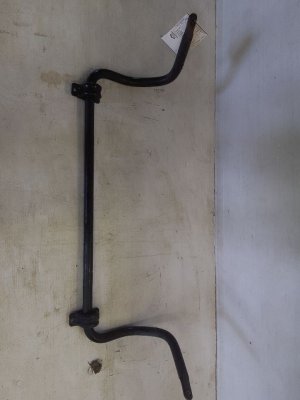

The information in this article is provided for general reference and educational purposes only. Vehicle specifications, procedures, and part compatibility can vary by production date, trim level, and region. Always consult your vehicle's factory service manual and verify part numbers before purchasing or performing repairs. Safety-critical components such as airbags, seat belts, and braking systems should be installed by a qualified professional.
- GMC Sierra 2500 HD:
- GMC Sierra 3500 HD:
- Chevrolet Silverado 2500 HD:
- Chevrolet Silverado 3500 HD:
- 🎬 Helpful Videos
- 🛍️ Shop This Part
- Symptoms of a Failing Stabilizer Bar System
- Clunking or Knocking Noises
- Increased Body Roll and Instability
- Loose or Vague Steering
- Known Issues, TSBs, and Recalls
- Buying a Used Suspension Stabilizer Bar
- What to Inspect on a Used Bar:
- Why Used OEM is a Smart Choice
- Related Parts to Replace
- Cost Comparison
- Installation Tips & Torque Specs
- Frequently Asked Questions (FAQ)
- 🎟️ Get 5% Off