

2006-2011 Hyundai Accent Front Stabilizer Bar: The Sport Suspension Difference
Solving the common clunks and rattles from your Accent's front end and ensuring you buy the correct bar for your suspension type.
- The key compatibility issue is the 'Sport Suspension' on SE trims, which uses a different, thicker stabilizer bar (Part No. 54801-1G100-SJ).
- Clunking and rattling noises are almost always caused by worn stabilizer LINKS or BUSHINGS, not the bar itself. These are inexpensive and common wear items.
- The steel stabilizer bar rarely fails. A used OEM bar is a great value, but you should plan to install new links and bushings at the same time.
- Replacing the stabilizer links is a simple, DIY-friendly job that can often solve suspension noise issues for under $50 in parts.
Symptoms of a Failing Stabilizer System
When a stabilizer bar system fails, it's rarely the steel bar itself that breaks. The problem almost always lies with the smaller, less durable components that connect it to the rest of the suspension. The symptoms are often noisy and annoying but are a key indicator of which parts need attention.
Clunking or Rattling Noises
This is the number one symptom. You will hear a distinct clunking, knocking, or rattling sound coming from the front of the car, especially at lower speeds when driving over bumps, potholes, or uneven pavement. The sound may seem like something is loose under the car and can sometimes be mistaken for a bad strut or ball joint. The noise is caused by worn-out stabilizer bar links, which have ball joints that develop excessive play, allowing them to knock against their connection points.
Poor Handling and Increased Body Roll
If the links are broken or the bushings are severely worn, the stabilizer bar is no longer effectively connected to the suspension. You will notice the car leans or 'sways' more during turns. The steering may feel less responsive, vague, or 'loose'. This can make the car feel unstable, especially during quick lane changes or on winding roads.
Visible Wear or Damage
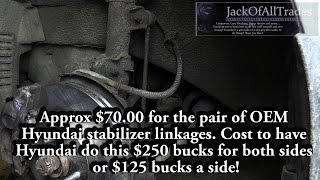
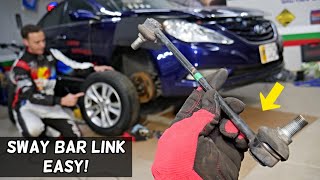
A visual inspection can often confirm the problem. Look at the stabilizer bar links, which are short rods connecting the end of the stabilizer bar to the front struts. Check for torn rubber boots, excessive rust, or play in the joints. You can often diagnose a bad link by grabbing it and shaking it; if it moves or makes noise, it needs to be replaced. 🎬 Watch: How to test and replace your stabilizer links. Also inspect the rubber bushings that hold the stabilizer bar to the car's frame; look for cracks, deterioration, or a loose fit.
Compatibility Warning: Sport vs. Standard Suspension
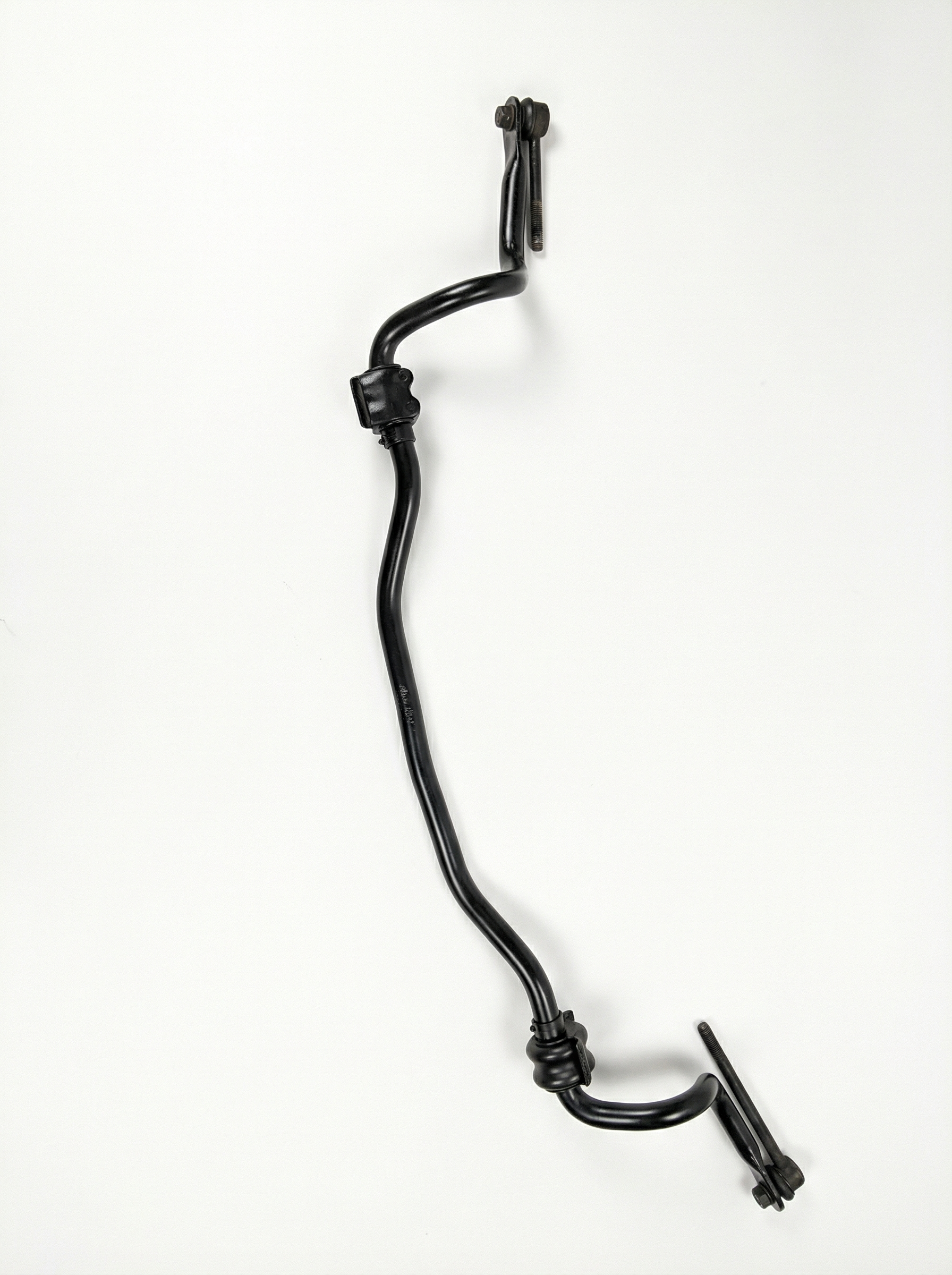
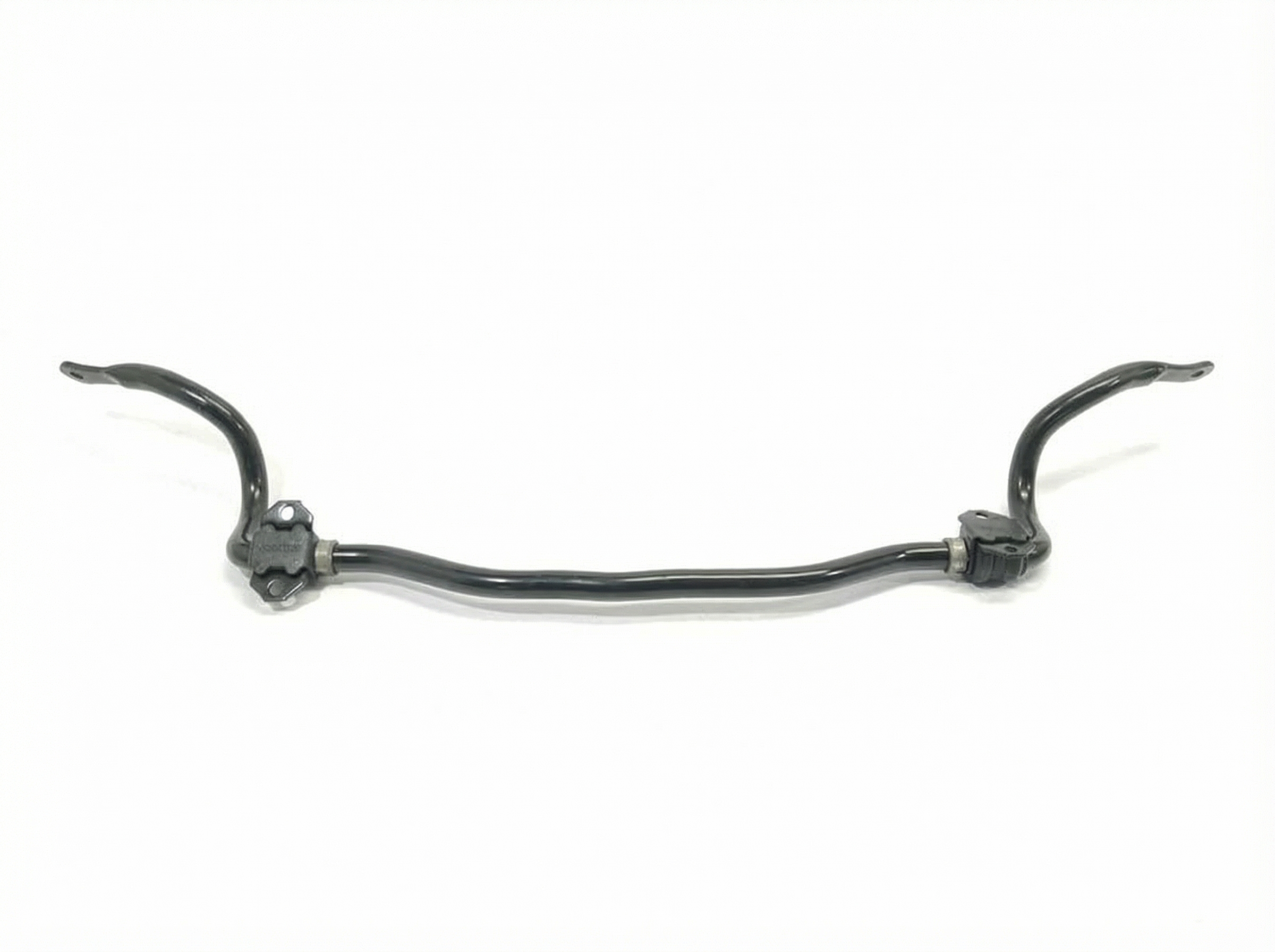
The most critical factor when buying a replacement stabilizer bar for a 2006-2011 Accent is identifying your suspension type. The SE (Sport Edition) trim came from the factory with a sport-tuned suspension, which includes a thicker, stiffer front stabilizer bar. The bar for the standard suspension (found on GS and GLS trims) is thinner and will not have the same handling characteristics. Using a standard bar on an SE model will result in more body roll, while trying to fit a sport bar on a standard model may cause fitment issues with other components. The OEM part number for the sport suspension bar is 54801-1G100-SJ. Always verify which suspension your vehicle has before purchasing.
Buying a Used 2006-2011 Accent Stabilizer Bar
The stabilizer bar itself is a very durable component. It's a solid piece of spring steel with no moving parts. Because of this, a used OEM stabilizer bar is an excellent and cost-effective option, especially if you are trying to find the correct bar for a sport suspension model.
- Mileage is Not a Major Concern: Unlike an engine or transmission, the mileage on the donor vehicle is not a primary concern for the bar itself. A bar from a 100,000-mile car is likely just as functional as one from a 30,000-mile car.
- What to Inspect: The main things to check for on a used bar are signs of major accidents or corrosion. Look for bends, cracks, or deep gouges in the metal. Significant rust can weaken the bar over time, but surface rust is usually just cosmetic. Ensure the mounting points are straight and undamaged.
- Assume You'll Need New Wear Parts: When buying a used stabilizer bar, plan on replacing the stabilizer links and frame bushings. These are inexpensive wear items that are simple to replace while the bar is being serviced. A used bar may come with old links and bushings, but it's wise to install new ones for reliable, noise-free performance.
- Why Used OEM is a Smart Choice: For a part like this, a used OEM bar is often superior to a new, cheap aftermarket part. The OEM bar was designed with the specific metallurgy and dimensions for your vehicle's handling characteristics. This is especially true for the harder-to-find sport suspension bar.
Known Issues, TSBs, and Recalls
There are no active recalls or widespread Technical Service Bulletins (TSBs) from Hyundai or the NHTSA specifically related to the front stabilizer bar, links, or bushings for the 2006-2011 Hyundai Accent. The common clunking issues are considered normal wear and tear for the stabilizer links and bushings.
Cost Comparison
The cost can vary significantly depending on whether you need the entire bar or just the common wear items.
| Part | Estimated Cost |
|---|---|
| New OEM Stabilizer Bar (Sport Suspension) | $230 - $270 |
| Used OEM Stabilizer Bar | $50 - $120 |
| New Aftermarket Stabilizer Links (Pair) | $20 - $55 |
| New Aftermarket Stabilizer Bushings (Pair) | $15 - $30 |
| Shop Labor (Links Only) | $70 - $135 |
| Shop Labor (Bushings Only) | $100 - $250 |
| Shop Labor (Entire Bar Assembly) | $200 - $350 |
Related Parts That Fail Together
It is extremely common for the stabilizer bar links and bushings to be the actual source of any problems, not the bar itself. It is highly recommended to replace these parts whenever you are servicing the stabilizer bar.
- Stabilizer Bar Links (End Links): These are the most frequent failure point. They have small ball joints that wear out, causing the clunking noise. They should always be replaced in pairs.
- Stabilizer Bar Bushings: These two rubber bushings hold the stabilizer bar to the vehicle's subframe. Over time, the rubber can dry out, crack, or wear, allowing the bar to move and make noise. 🎬 See this walkthrough for replacing the front stabilizer bushings.
Pro Tip: If you are experiencing front-end clunking, start by diagnosing the stabilizer bar links. This is the most likely culprit, the easiest to inspect, and the cheapest part to replace. A DIY replacement of both front links can often be done in under an hour with basic hand tools.
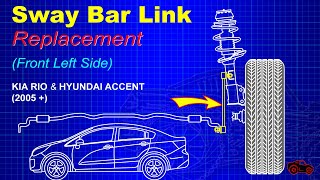
🎬 Watch this quick guide on removing and replacing sway bar links.Installation Tips and Torque Specs
Replacing the stabilizer bar links is a straightforward job. The link is typically held on by two 14mm or 17mm nuts. The main challenge is that the ball joint stud may spin when you try to loosen the nut. Many replacement links have a spot to hold the stud with a wrench to prevent this.
Replacing the entire bar or just the frame bushings is more involved, as it may require lowering the subframe slightly for access.
- Stabilizer Link Nut Torque: Sources vary, with some generic guides suggesting as high as 80 lb-ft and others showing 36 lb-ft. Given the bolt size, the lower range is more likely correct for the links. Always consult a vehicle-specific service manual for the exact specification. Over-torquing can damage the new part.
- Stabilizer Bushing Bracket Torque: A general specification for this type of bracket is around 13 lb-ft, but verification is recommended.
Frequently Asked Questions (FAQ)
Is a stabilizer bar the same as a sway bar?
Yes, the terms 'stabilizer bar' and 'sway bar' are used interchangeably to describe the same part.
How do I know if my 2006-2011 Accent has the sport suspension?
The easiest way is to check your vehicle's trim level. In the US market, the 'SE' trim came with the sport-tuned suspension. GS and GLS trims had the standard suspension. You can also have a dealer run your VIN to confirm the original factory equipment.
Can I drive with a bad stabilizer link?
Yes, it is generally safe to drive with a worn stabilizer link, but it's not recommended for long. While the noise is annoying, the primary risk is a noticeable increase in body roll and less predictable handling, which can be dangerous in an emergency maneuver. The part should be replaced at your earliest convenience.
Do I need a wheel alignment after replacing the stabilizer bar or links?
No. Replacing the stabilizer bar, links, or bushings does not affect the vehicle's alignment angles (camber, caster, or toe). An alignment is not necessary after this repair.
Helpful Videos
Technical Specifications
OEM Part Numbers: 54801-1G100 54801-1G100-SJ 548011G000 548011G100 548011G200
The primary difference is the diameter and stiffness between the standard suspension bar and the sport suspension bar (SE models).
We Have This Part in Stock

The information in this article is provided for general reference and educational purposes only. Vehicle specifications, procedures, and part compatibility can vary by production date, trim level, and region. Always consult your vehicle's factory service manual and verify part numbers before purchasing or performing repairs. Safety-critical components such as airbags, seat belts, and braking systems should be installed by a qualified professional.
- Hyundai Accent:
- 🎬 Helpful Videos
- 🛍️ Shop This Part
- Symptoms of a Failing Stabilizer System
- Clunking or Rattling Noises
- Poor Handling and Increased Body Roll
- Visible Wear or Damage
- Buying a Used 2006-2011 Accent Stabilizer Bar
- Known Issues, TSBs, and Recalls
- Cost Comparison
- Related Parts That Fail Together
- Installation Tips and Torque Specs
- Frequently Asked Questions (FAQ)
- 🎟️ Get 5% Off