

2007-2012 Mazda CX-7 Rear Stabilizer Bar: Fixing Clunks and Critical AWD Fitment
This guide covers the common clunking noises, critical compatibility warnings, and replacement costs for the rear stabilizer bar on the 2007-2012 Mazda CX-7.
- This rear stabilizer bar (EG2128151) ONLY fits 2007-2012 CX-7 models with All-Wheel Drive (AWD) and the 2.3L Turbo engine.
- Clunking noises are the main symptom of failure, but are almost always caused by worn end links or bushings, not the bar itself.
- A clunk from the front suspension could be a dangerous, recalled lower control arm (NHTSA #16V593000); this must be checked first.
- A used OEM bar is an excellent value, as new aftermarket bars for this model are unusually expensive, even more than new OEM.
Symptoms of a Failing Rear Stabilizer Bar System
When a stabilizer bar system fails, it's almost never the steel bar itself that breaks. The problem nearly always lies with the components that connect it to the rest of the vehicle: the end links and the rubber bushings. The symptoms are usually noise-related and are most obvious at lower speeds on uneven surfaces.
- Clunking or Rattling Noises: This is the most common symptom. You may hear a distinct clunk, knock, or rattle coming from the rear of the vehicle when driving over bumps, potholes, or uneven driveways. This sound is caused by worn-out ball joints in the end links or deteriorated rubber bushings allowing the metal components to make contact.
- Poor Handling or 'Loose' Feeling: A disconnected or loose stabilizer bar can make the vehicle feel less stable in turns. You might notice more body roll, or a vague, 'floaty' sensation from the rear end during lane changes or on winding roads.
- Squeaking Sounds: Old, hardened, or dry-rotted rubber frame bushings can create a squeaking or groaning noise as the stabilizer bar rotates within them.
Important: Check for Front Suspension Recall First. All 2007-2012 Mazda CX-7 models were recalled for a serious issue with the front lower control arms (NHTSA Recall #16V593000). Corrosion from road salt can cause the ball joint to separate, leading to a loss of steering control. A primary symptom of this dangerous condition is a clunking or rattling noise from the front end, which can be easily mistaken for a bad front stabilizer bar link. Before diagnosing any suspension clunk, it is critical to have a mechanic verify that this recall has been performed and that the front lower control arms are safe.
Compatibility: A Critical Warning for Buyers
This rear stabilizer bar has very specific fitment requirements. Failure to verify compatibility will result in a part that does not fit.
Fitment Warning: The rear stabilizer bar with OEM part number EG2128151 is designed ONLY for 2007-2012 Mazda CX-7 models equipped with All-Wheel Drive (AWD) and the 2.3L Turbo engine.
- It will NOT fit Front-Wheel Drive (FWD) models.
- It will NOT fit models equipped with the non-turbo 2.5L engine.
The FWD and AWD models use different rear suspension and subframe components, requiring different stabilizer bars. Always confirm your vehicle's drivetrain and engine before purchasing.
Buying a Used Rear Stabilizer Bar
For this specific part, a used OEM stabilizer bar is often the smartest choice. The bar itself is a simple, durable piece of spring steel that does not wear out. It only needs replacement if it has been bent or damaged in a collision.
What to Inspect on a Used Bar:
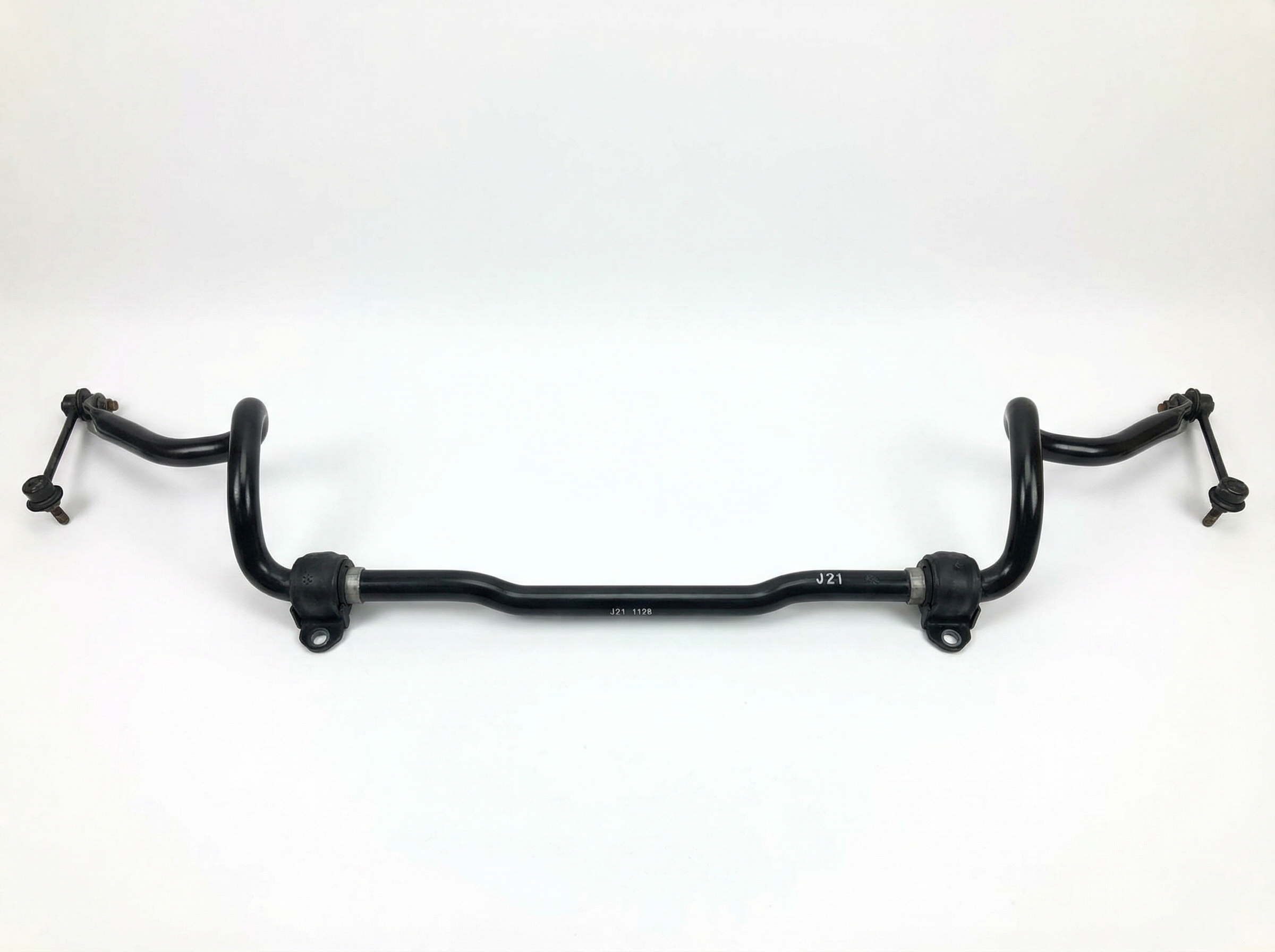
- Check for Straightness: Look down the length of the bar to ensure it is not bent or twisted. Place it on a flat surface to easily spot any deformities.
- Inspect Mounting Points: Check the areas where the bushings and end links attach. Look for any signs of extreme rust, pitting, or wear that might compromise the fit of new bushings. Minor surface rust is normal and can be cleaned off.
- Ignore Old Hardware: Do not worry about the condition of the old rubber bushings or end links that may still be attached to the used bar. These are wear items and should always be replaced with new parts during installation.
Pro Tip: Given that a new aftermarket bar can cost significantly more than a new OEM bar, a verified straight, used OEM bar for $35-$75 is an excellent value. You get the precise fitment of an original part for a fraction of the cost of any new option.
Related Parts to Replace at the Same Time
When you replace or service the stabilizer bar, it is essential to replace the related wear components. The clunking noises are almost always caused by these parts, not the bar itself.
- Rear Stabilizer Bar End Links: These are the short rods with small ball joints on each end that connect the stabilizer bar to the rear control arms or knuckles. The joints wear out, develop play, and cause noise. They should always be replaced in pairs.
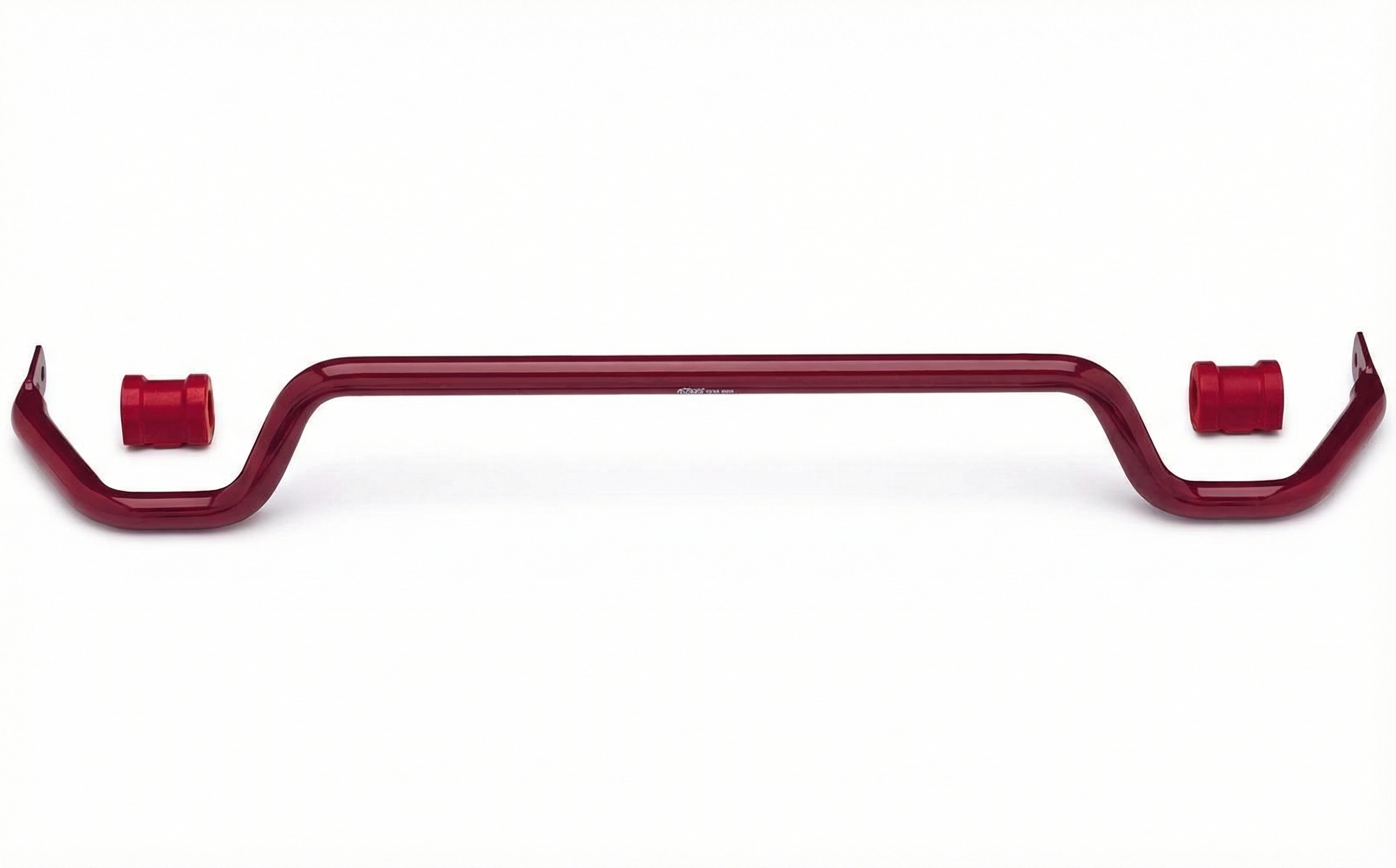
- Rear Stabilizer Bar Bushings: These are the two rubber mounts that secure the stabilizer bar to the vehicle's subframe. They degrade over time, allowing for excess movement and noise. They are inexpensive and simple to replace once the bar is accessible.
Cost Comparison for Rear Stabilizer Bar Service
The cost can vary significantly depending on whether you are replacing just the wear items (links and bushings) or the entire bar assembly.
| Part | Estimated Cost |
|---|---|
| New OEM Stabilizer Bar (EG21-28-151) | $85 - $130 |
| New Aftermarket Stabilizer Bar | $280 - $300 |
| Used OEM Stabilizer Bar | $35 - $75 |
| New Aftermarket End Links (Pair) | $20 - $65 |
| New Aftermarket Bushings (Pair) | $20 - $40 |
| Shop Labor (Links & Bushings Only) | $100 - $150 |
| Shop Labor (Entire Bar Assembly) | $140 - $200 |
Installation Tips and Torque Specs
Replacing the rear stabilizer bar and its components is a feasible DIY project for those with basic tools and jack stands. The process generally involves removing the rear wheels, unbolting the old end links from the bar and suspension, unbolting the two bushing brackets from the subframe, and then removing the bar. Installation is the reverse of removal.
Pro Tip: It is much easier to install the new end links if the suspension is at a normal ride height, or if both sides are raised equally. This prevents the stabilizer bar from being under tension. If you have one side jacked up, you may need to use a pry bar to align the bolt holes.
| Component | Torque Specification | Notes |
|---|---|---|
| Rear Stabilizer End Link Nuts | 32 - 45 ft-lbs (43 - 61 Nm) | Use a 5mm or 6mm Allen key or wrench flats to prevent the stud from spinning. |
| Rear Stabilizer Bushing Bracket Bolts | ~30 ft-lbs (Estimate) | Official spec not found. This is a safe estimate for this type of bolt. Do not overtighten. |
| Wheel Lug Nuts | 80 - 108 ft-lbs | Always re-torque after the vehicle is back on the ground. |
Frequently Asked Questions (FAQ)
Can I drive with a broken or loose rear stabilizer bar link?
Yes, but it's not recommended for long. The vehicle is safe to drive for short, careful trips, but handling will be compromised. You will experience significantly more body roll in turns, which can be dangerous in an emergency maneuver. The constant clunking is also a sign that a part is loose and could potentially cause further issues if it fails completely.
What is the difference between a stabilizer bar and a sway bar?
There is no difference. "Stabilizer bar," "sway bar," and "anti-roll bar" are all terms for the same part. Different manufacturers and mechanics may use the terms interchangeably.
Do I need a wheel alignment after replacing the rear stabilizer bar or links?
No. The stabilizer bar system does not affect the vehicle's primary alignment angles (camber, caster, and toe). Therefore, a wheel alignment is not required after this specific repair.
Why is the aftermarket stabilizer bar so much more expensive than the OEM one?
This is an unusual situation. Typically, aftermarket parts are cheaper. In this case, the lower production volume for this specific AWD-only part may lead a company like Dorman to price it higher to cover manufacturing costs. This makes a new OEM part from a dealer or a used OEM part a much better financial choice.
Technical Specifications
OEM Part Numbers: EG2128151
Fits 2.3L Turbo AWD models only. End link nut torque: 32-45 ft-lbs (43-61 Nm).
We Have This Part in Stock

The information in this article is provided for general reference and educational purposes only. Vehicle specifications, procedures, and part compatibility can vary by production date, trim level, and region. Always consult your vehicle's factory service manual and verify part numbers before purchasing or performing repairs. Safety-critical components such as airbags, seat belts, and braking systems should be installed by a qualified professional.
- Mazda CX-7:
- 🛍️ Shop This Part
- Symptoms of a Failing Rear Stabilizer Bar System
- Compatibility: A Critical Warning for Buyers
- Buying a Used Rear Stabilizer Bar
- Related Parts to Replace at the Same Time
- Cost Comparison for Rear Stabilizer Bar Service
- Installation Tips and Torque Specs
- Frequently Asked Questions (FAQ)
- 🎟️ Get 5% Off