

2007-2013 Mazda 3 Stabilizer Bar: Decoding Clunks, Links, and Bushings
This guide explains why the stabilizer bar system on your Mazda 3 is making noise and how to correctly diagnose and repair it by focusing on the most common failure points: the end links and bushings.
- Suspension clunks on a 2007-2013 Mazda 3 are almost always caused by worn stabilizer bar links or bushings, not the bar itself.
- Parts for the standard Mazda 3 and the Mazdaspeed3 are NOT interchangeable. Verify compatibility using engine size and original wheel size.
- When buying a used stabilizer bar, always plan to replace the end links and bushings with new parts to ensure a successful repair.
- For proper installation and to prevent premature wear, the final tightening of bolts must be done with the vehicle's full weight on its wheels.
Symptoms of a Failing Stabilizer Bar System
When a stabilizer bar system has problems, it's rarely the bar itself that has failed. The issue is almost always with the supporting components: the stabilizer bar links (end links) and the stabilizer bar bushings. These parts wear out over time, leading to distinct noises and handling problems.
Noises: The Telltale Clunk
- Clunking or Knocking Over Bumps: This is the most common symptom. You'll hear a metallic clunking or rattling sound from the front or rear of the car when driving over bumps, potholes, or uneven pavement. The noise is caused by worn-out joints 🎬 Watch: How to diagnose that clunking sound on your Mazda 3 in the stabilizer links, which allows for excessive movement and metal-on-metal contact.
- Rattling or Clicking During Turns: You might also hear noises when making low-speed turns, like in a parking lot. As the vehicle's weight shifts, the loose components in the worn links or bushings will move and make noise.
Handling Issues
- Excessive Body Roll: The car will lean more in corners, feeling 'floaty' or less planted on the road. This indicates the stabilizer bar is no longer effectively controlling the side-to-side motion of the suspension.
- Loose or Vague Steering: The steering may feel less responsive, and the car might feel generally unstable, especially during lane changes or at higher speeds.
Known Issues, TSBs, and Recalls
During a review of National Highway Traffic Safety Administration (NHTSA) records and technical service bulletins (TSBs), no specific recalls or widespread TSBs were found for the stabilizer bars, links, or bushings on the 2007-2013 Mazda 3. The failures associated with these parts are generally considered normal wear-and-tear items that require periodic replacement.
Compatibility: Critical Warnings for Buyers
It is extremely important to verify compatibility before purchasing a stabilizer bar for your 2007-2013 Mazda 3. There are several key variations.
Warning: Parts for standard Mazda 3 models and high-performance Mazdaspeed3 models are NOT interchangeable. The Mazdaspeed3 has a different suspension geometry and uses different stabilizer bars and links to accommodate the turbo engine and drivetrain.
Front Stabilizer Bar
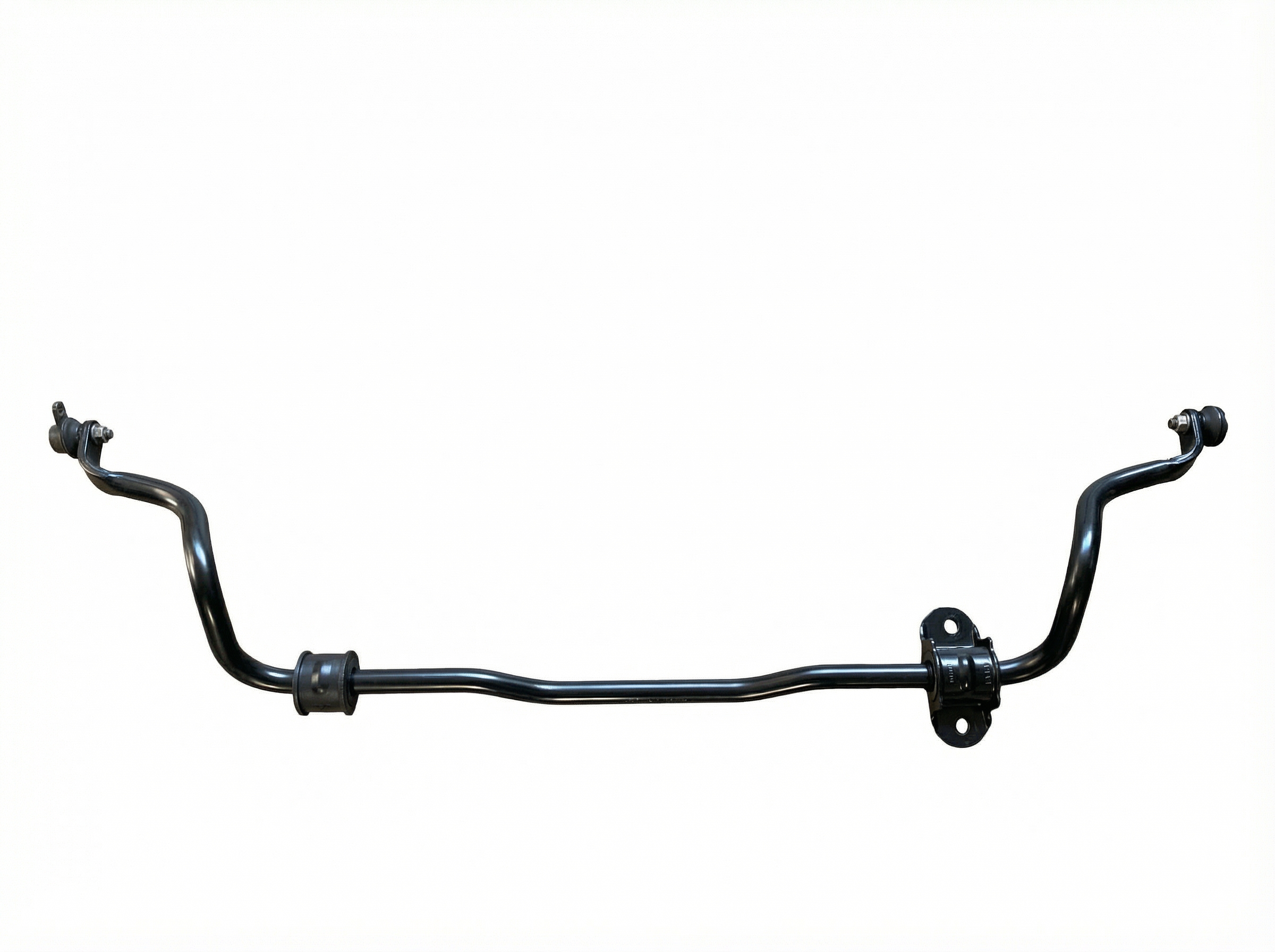
- Part numbers like BBM4-34-151A (which replaces BBM434151) are for the front stabilizer bar, typically on models with the 2.0L engine.
Rear Stabilizer Bar
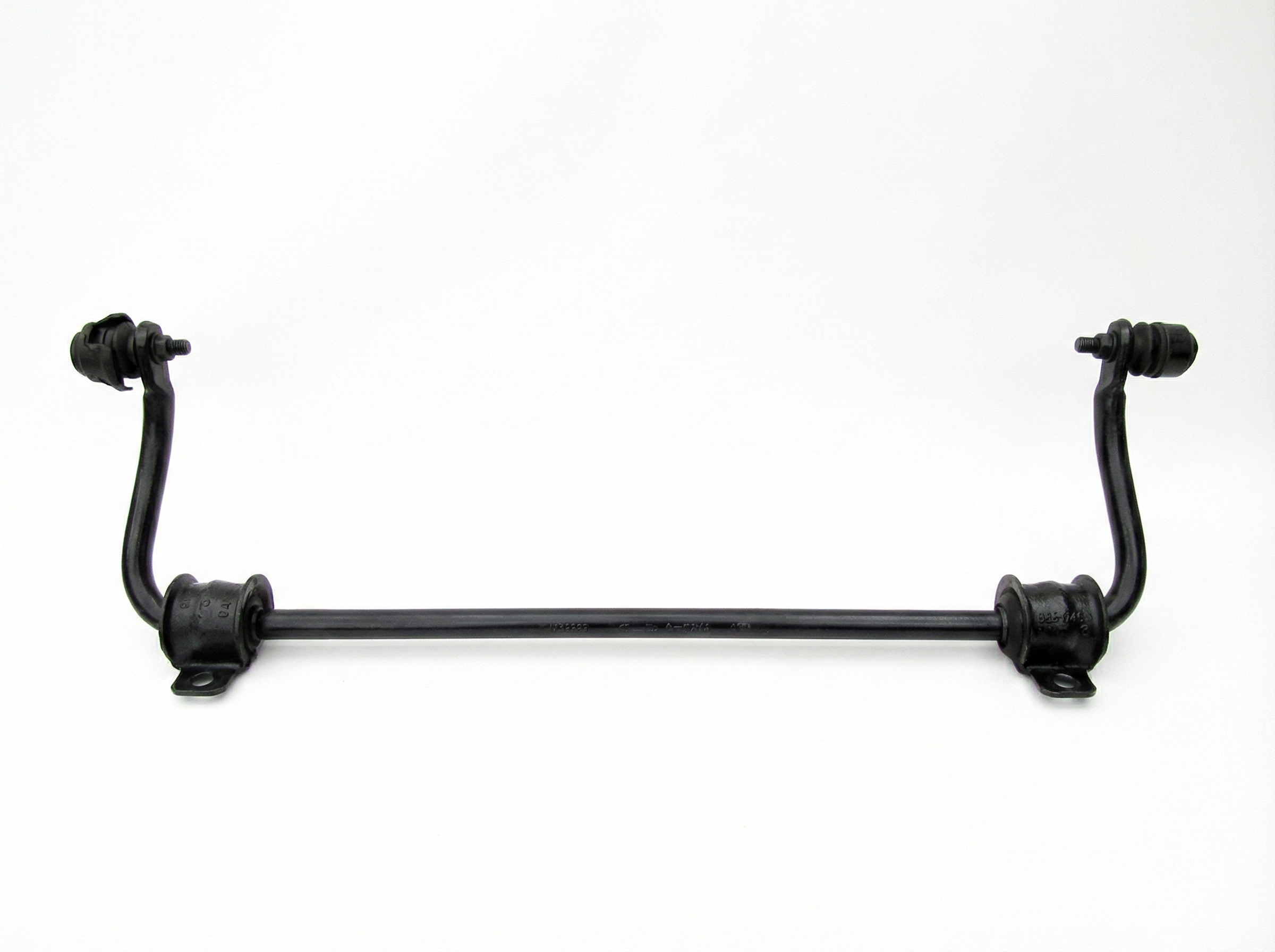
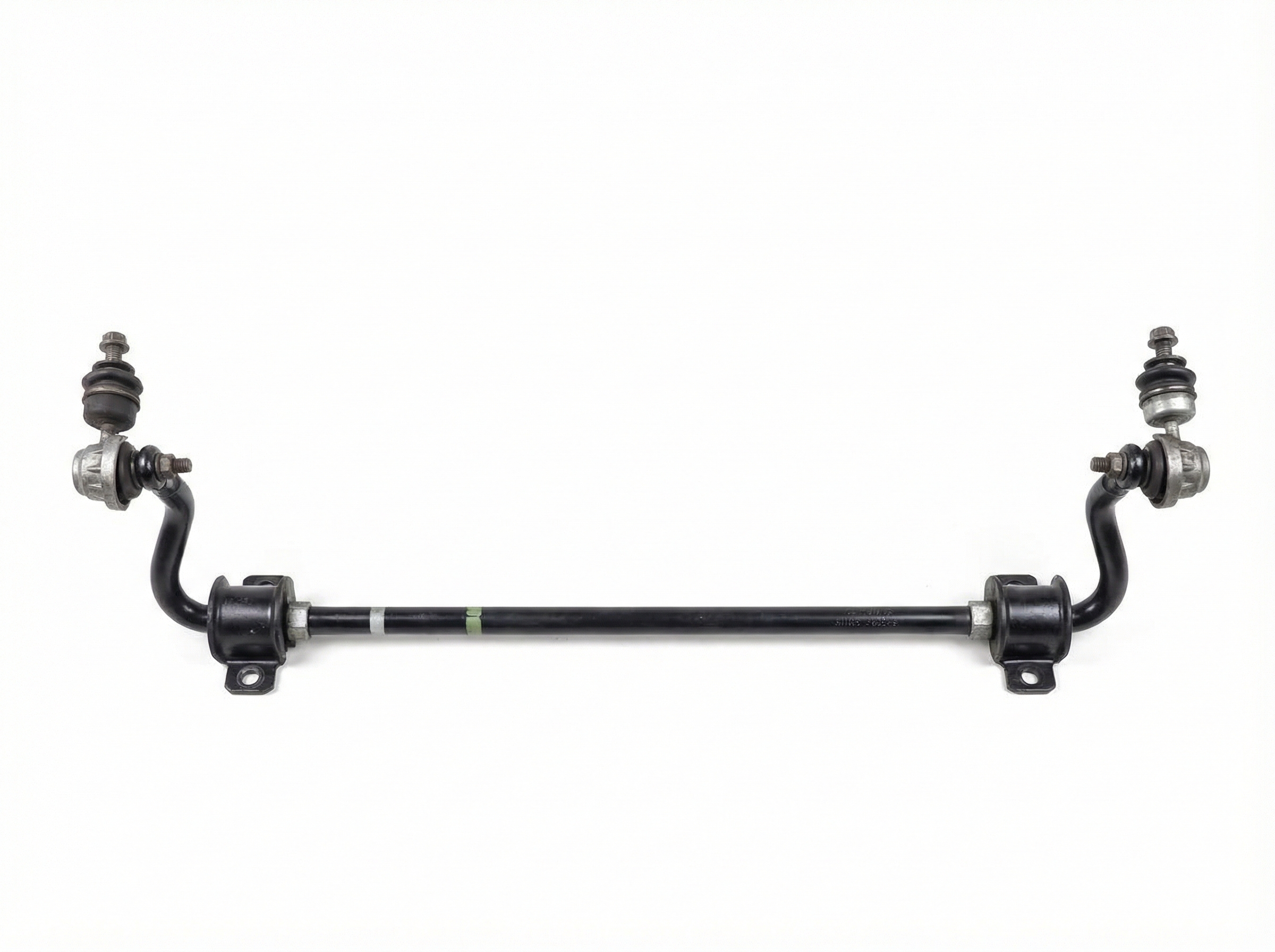
- Part number BBM2-28-151A (replaces BBM228151) is a rear stabilizer bar for models with the 2.0L engine and 16-inch wheels.
- Part number BR5S-28-151 is a rear stabilizer bar for models with 2.0L or 2.3L engines equipped with 16-inch or 17-inch wheels, but not 15-inch wheels.
Always verify the part number and vehicle application before purchasing. The engine size and original wheel size are key factors in determining the correct bar.
Pro Tip: The vast majority of noises and issues are caused by the end links and bushings, not the bar itself. Unless the bar is physically bent from an accident or severely corroded, you likely only need to replace the links and/or bushings.
Buying a Used 2007-2013 Mazda 3 Stabilizer Bar
Buying a used OEM stabilizer bar can be a smart way to save money, as the bar itself is a durable piece of steel. However, there are critical things to inspect.
What to Inspect on a Used Bar
- Check for Bends or Damage: Lay the bar on a flat surface. It should sit level without any wobbling. Look for any signs of bending, kinking, or impact damage, which would indicate it came from a wrecked vehicle. A bent bar will compromise your car's handling and is unsafe.
- Inspect for Severe Rust: Surface rust is normal for a used suspension part. However, avoid any bar with deep, flaking rust or pitting that could weaken the metal.
- Examine the End Link Holes: Check the holes where the end links attach. They should be perfectly round. If a car was driven for a long time with a broken end link, the hole could become elongated or damaged.
Assume Links & Bushings are Bad
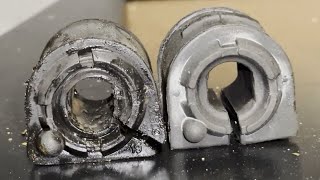
Always plan to install new stabilizer bar links and bushings with a used bar. These are wear items with rubber and plastic components that degrade over time. A used bar will almost certainly come with worn links and bushings. Trying to reuse them will bring back the clunking noises you're trying to fix. A straight, clean used OEM bar with new, high-quality links and bushings is often a more reliable and cost-effective solution than a cheap, complete aftermarket kit.
Related Parts That Commonly Fail
When servicing the stabilizer bar, it is highly recommended to replace these related components at the same time:
- Stabilizer Bar Links (End Links): These are the number one cause of clunking noises. They connect the ends of the stabilizer bar to the strut or control arm. They should always be replaced in pairs (both front or both rear).
- Stabilizer Bar Bushings (Frame Bushings): These rubber or polyurethane bushings mount the stabilizer bar to the vehicle's subframe. When they wear out, they can allow the bar to move and clunk against the frame. 🎬 Watch: Step-by-step guide to replacing front sway bar bushings They should also be replaced in pairs.
Installation Tips & Torque Specs
Replacing the stabilizer bar system can range from easy (end links) to difficult (front bar). The front stabilizer bar on a Mazda 3 can be particularly challenging as it may require lowering the subframe for access.
- End Links: These are generally straightforward to replace. 🎬 See this walkthrough for replacing front sway bar links The torque spec for the end link nuts is typically around 40 ft-lbs.
- Bushing Brackets: The bolts holding the bushing brackets to the subframe have a higher torque spec. For the front, this can be in the range of 89-120 ft-lbs, so a value of around 105 ft-lbs is a good target.
- Load the Suspension: This is a critical step. The final tightening of the end link nuts and bushing bracket bolts should be done with the car's full weight on the suspension (i.e., on the ground or on ramps, not hanging on a lift). Tightening them while the suspension is hanging can pre-load the bushings, causing them to fail prematurely.
Cost Comparison
| Part | Cost Range |
|---|---|
| New OEM Stabilizer Bar (Front or Rear) | $150 - $280 |
| New Aftermarket Stabilizer Bar | $150 - $310 |
| Used OEM Stabilizer Bar | $50 - $100 |
| New OEM Stabilizer Links (Pair) | $80 - $120 |
| New Aftermarket Stabilizer Links (Pair) | $25 - $70 |
| New OEM Stabilizer Bushings (Pair) | $30 - $50 |
| New Aftermarket Stabilizer Bushings (Pair) | $10 - $30 |
| Shop Labor (Links/Bushings Only) | $150 - $250 |
| Shop Labor (Front Bar Replacement) | $400 - $600+ (due to subframe work) |
Frequently Asked Questions (FAQ)
My car is clunking. Do I need to replace the whole stabilizer bar?
Almost certainly not. A clunking noise from the suspension when going over bumps is the classic symptom of worn stabilizer bar end links. Start by inspecting the links for any looseness or play. In most cases, simply replacing the end links (and possibly the frame bushings) will solve the problem without needing to replace the bar itself.
Can I drive with a broken stabilizer bar link?
While the car will still be drivable, it is not recommended for safety reasons. A broken link disconnects the stabilizer bar from the suspension on one side, leading to significantly increased body roll, unpredictable handling, and reduced stability, especially in emergency maneuvers. It's best to get it replaced as soon as possible.
Should I buy OEM or aftermarket links and bushings?
Both can be good options. OEM parts guarantee a perfect fit and original performance. High-quality aftermarket brands (like Moog) often offer problem-solving designs, such as greaseable joints or stronger materials, that can be an upgrade over the original. Avoid the cheapest unbranded aftermarket parts, as they often use lower-quality materials that will wear out quickly.
Do I need an alignment after replacing stabilizer bar components?
No. Replacing the stabilizer bar, its links, or its bushings does not affect the primary suspension angles (camber, caster, toe). Therefore, a wheel alignment is not required after this specific repair.
Helpful Videos
Technical Specifications
OEM Part Numbers: BBM228151 BBM228151A BBM4-34-151A BBM434151 BR5S28151 B37F-34-156B BP4K-28-170H BBM234170A B37F28170B
End Link Nut Torque: Approx. 40 ft-lbs. Front Bushing Bracket Bolt Torque: Approx. 105 ft-lbs.
We Have This Part in Stock

The information in this article is provided for general reference and educational purposes only. Vehicle specifications, procedures, and part compatibility can vary by production date, trim level, and region. Always consult your vehicle's factory service manual and verify part numbers before purchasing or performing repairs. Safety-critical components such as airbags, seat belts, and braking systems should be installed by a qualified professional.
- Mazda MAZDA3:
- 🎬 Helpful Videos
- 🛍️ Shop This Part
- Symptoms of a Failing Stabilizer Bar System
- Noises: The Telltale Clunk
- Handling Issues
- Known Issues, TSBs, and Recalls
- Compatibility: Critical Warnings for Buyers
- Front Stabilizer Bar
- Rear Stabilizer Bar
- Buying a Used 2007-2013 Mazda 3 Stabilizer Bar
- What to Inspect on a Used Bar
- Assume Links & Bushings are Bad
- Related Parts That Commonly Fail
- Installation Tips & Torque Specs
- Cost Comparison
- Frequently Asked Questions (FAQ)
- 🎟️ Get 5% Off