

Diagnosing Clunks and Body Roll: A Guide to Mazda3, CX-30, CX-5 & CX-9 Stabilizer Bars (2013-2025)
This guide covers the common failure symptoms, replacement costs, and crucial compatibility details for the suspension stabilizer bars on popular Mazda models.
- The most common failure is not the bar itself, but the stabilizer bar links, which cause a clunking or rattling noise over bumps.
- It is critical to verify part compatibility, as rear bars are often specific to FWD models and front bars can differ between turbo and non-turbo engines.
- Always replace links and bushings in pairs (both left and right) to ensure balanced handling.
- Buying a used OEM stabilizer bar is a great value, but always install it with new links and bushings.
Symptoms of a Failing Stabilizer Bar
The stabilizer bar itself is a solid piece of metal that rarely fails unless the vehicle is in a major accident. The symptoms you experience are almost always caused by worn-out stabilizer bar links or bushings, which connect the bar to the rest of the suspension and the vehicle's frame.
1. Clunking, Rattling, or Knocking Noises
This is the most common sign of a problem. You'll typically hear a clunking or rattling sound coming from the front or rear suspension, especially when driving at lower speeds over bumps, uneven pavement, or driveways. The noise is caused by worn-out ball joints in the stabilizer bar links, which allow for excessive play and metal-on-metal contact. On some Mazda3 models, a persistent rattle from the rear suspension on rough roads is a known issue that can point to loose links or the need for updated bushings.
2. Increased Body Roll and Poor Handling
If the links or bushings are severely worn or broken, the stabilizer bar can no longer do its job effectively. You'll notice the vehicle leans or sways excessively when cornering. The handling may feel 'floaty,' loose, or less responsive, especially during lane changes or sharp turns. This can compromise stability and safety, particularly in emergency maneuvers.
3. Squeaking Sounds
Worn stabilizer bar bushings, which are the rubber mounts holding the bar to the vehicle's subframe, can cause a squeaking or groaning noise. This sound is most noticeable when going over bumps or when the body of the car leans, such as turning into a steep driveway.
Known Issues, TSBs, and Recalls
While no major recalls have been issued for the stabilizer bars on these vehicles, some models have documented issues. Notably, some Mazda3 owners have experienced a rattling noise from the rear suspension. Technicians note that if the stabilizer bar links are not found to be loose, updated sway bar bushings are available to correct the problem. In general, the most common issue across all listed models is the premature wear of the stabilizer bar end links, leading to suspension noises.
Compatibility Warning: Part numbers are often specific to the vehicle's drivetrain (FWD vs. AWD) and build location (Japan vs. Mexico). Always verify the part number with your vehicle's VIN.
- Rear Bar: Part number KD31-28-151 (which supersedes KBH5-28-151) fits Front Wheel Drive (FWD) models of the CX-5 and CX-9, as well as Japan-built Mazda3 models. It will not fit All Wheel Drive (AWD) vehicles.
- Front Bar: Part number B45A-34-151 is specific to the 2014-2018 Mazda3. Other models use different front bars. The warning about non-turbo engines is critical, as turbo models often have different subframes or exhaust routing that requires a different bar shape.
Buying a Used Suspension Stabilizer Bar
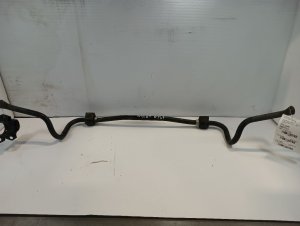
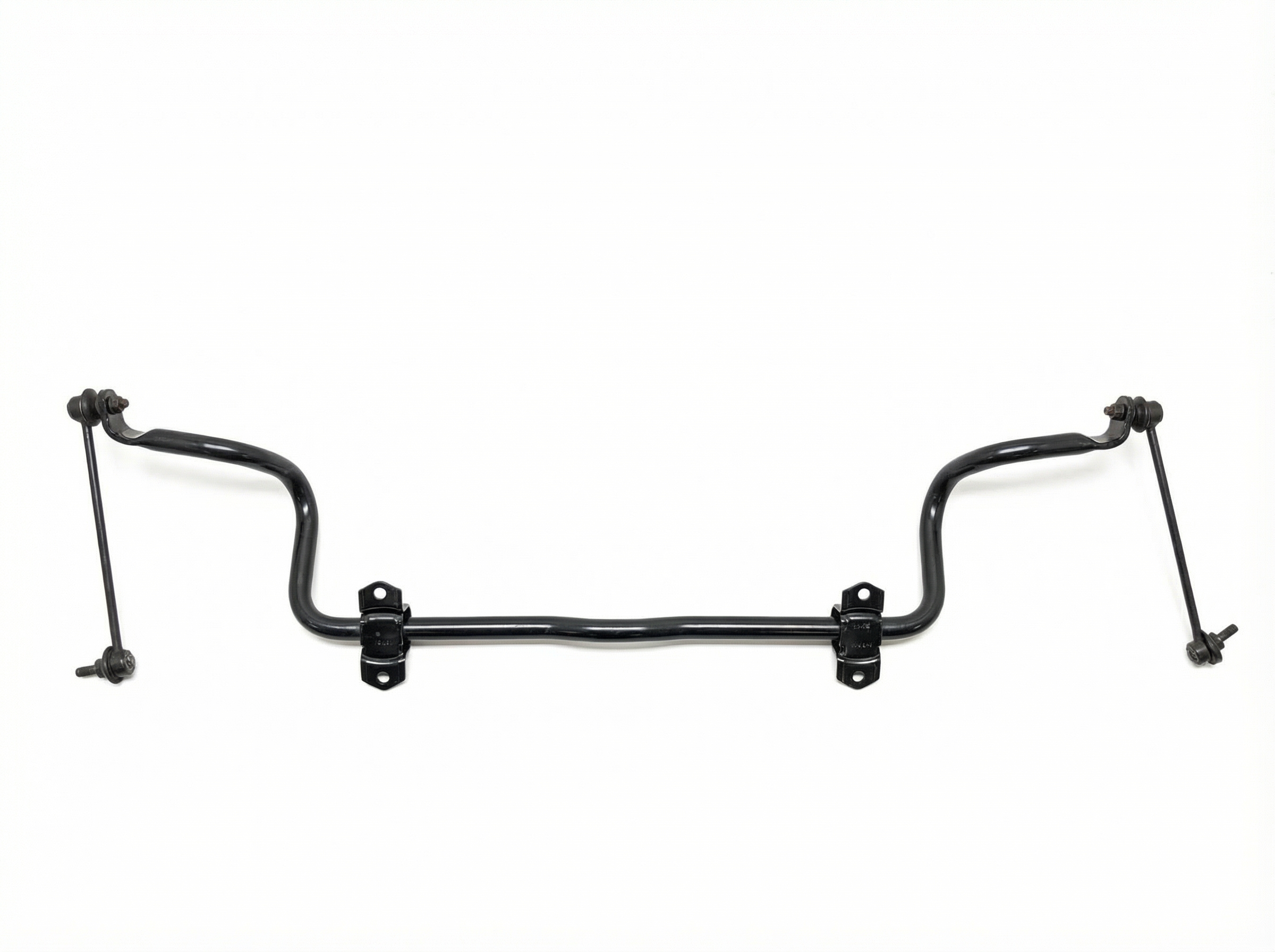
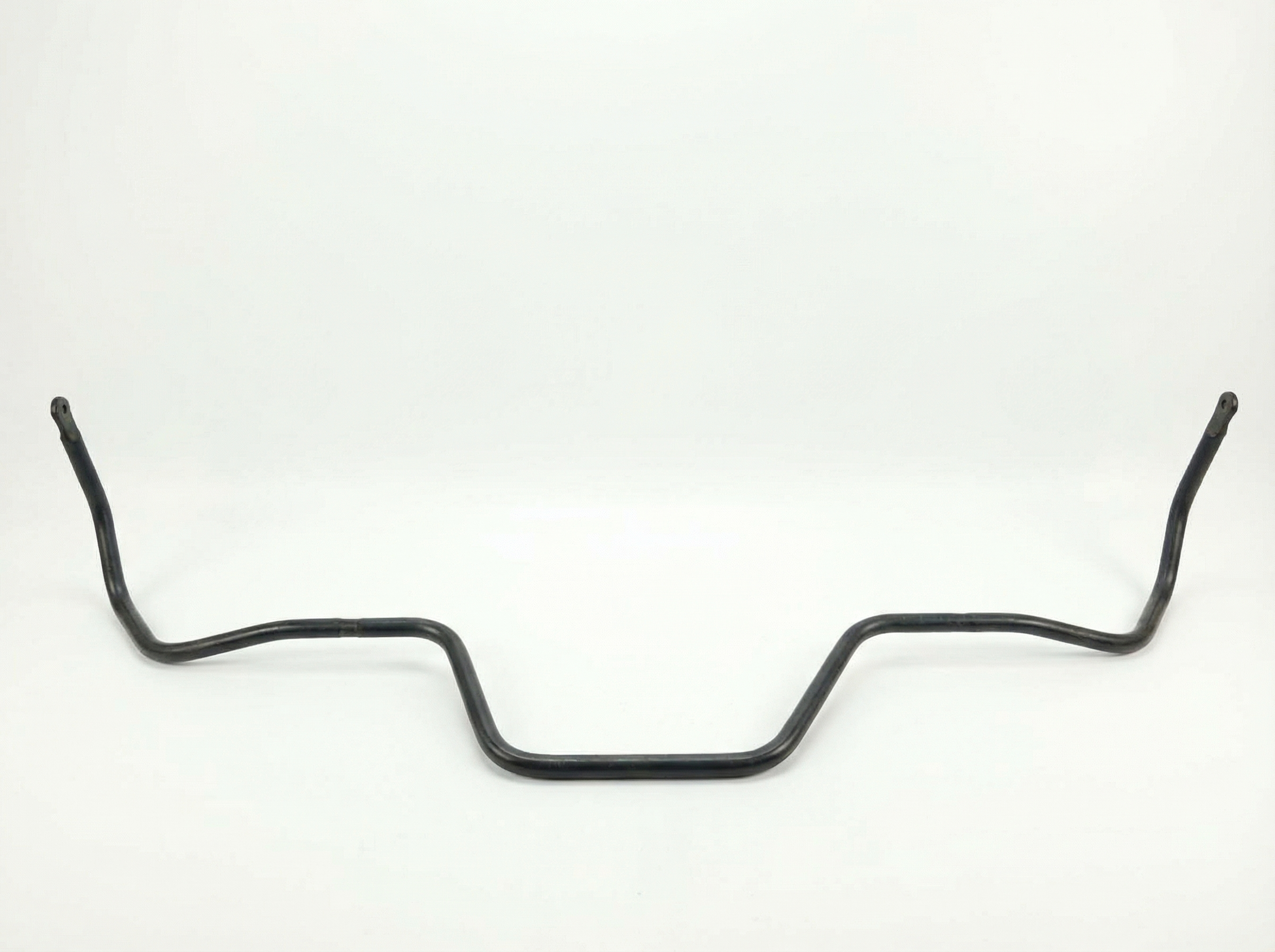
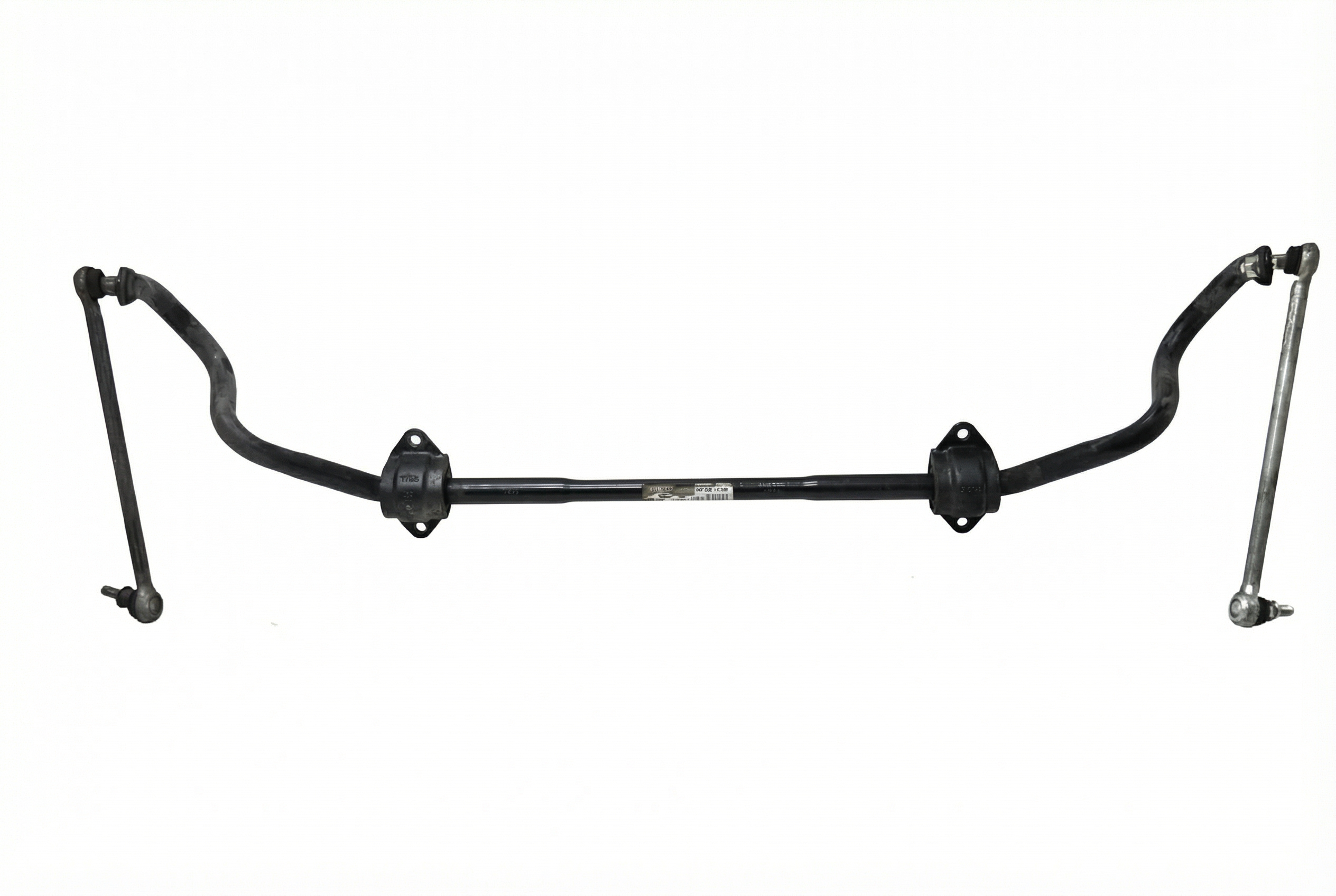
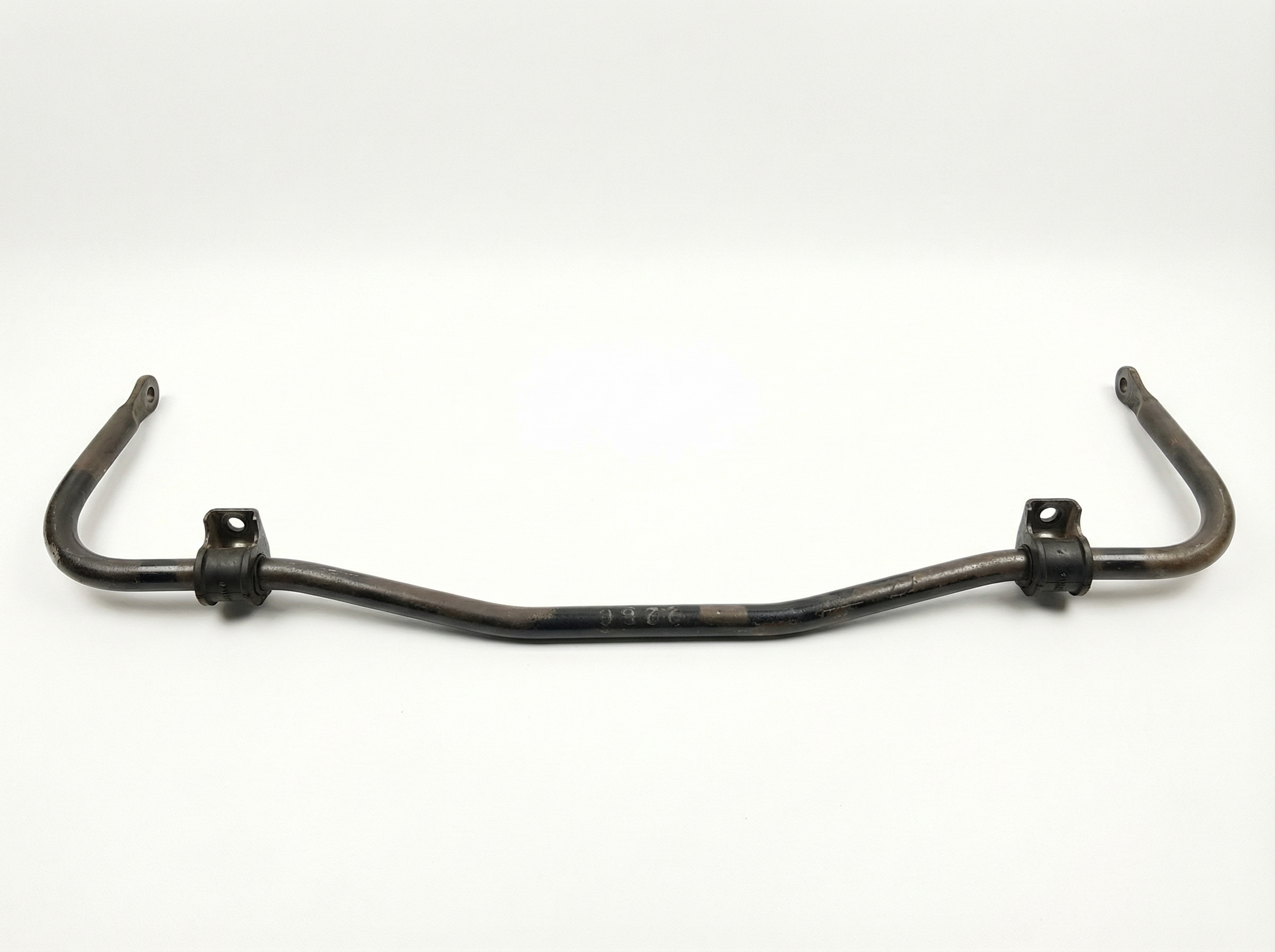
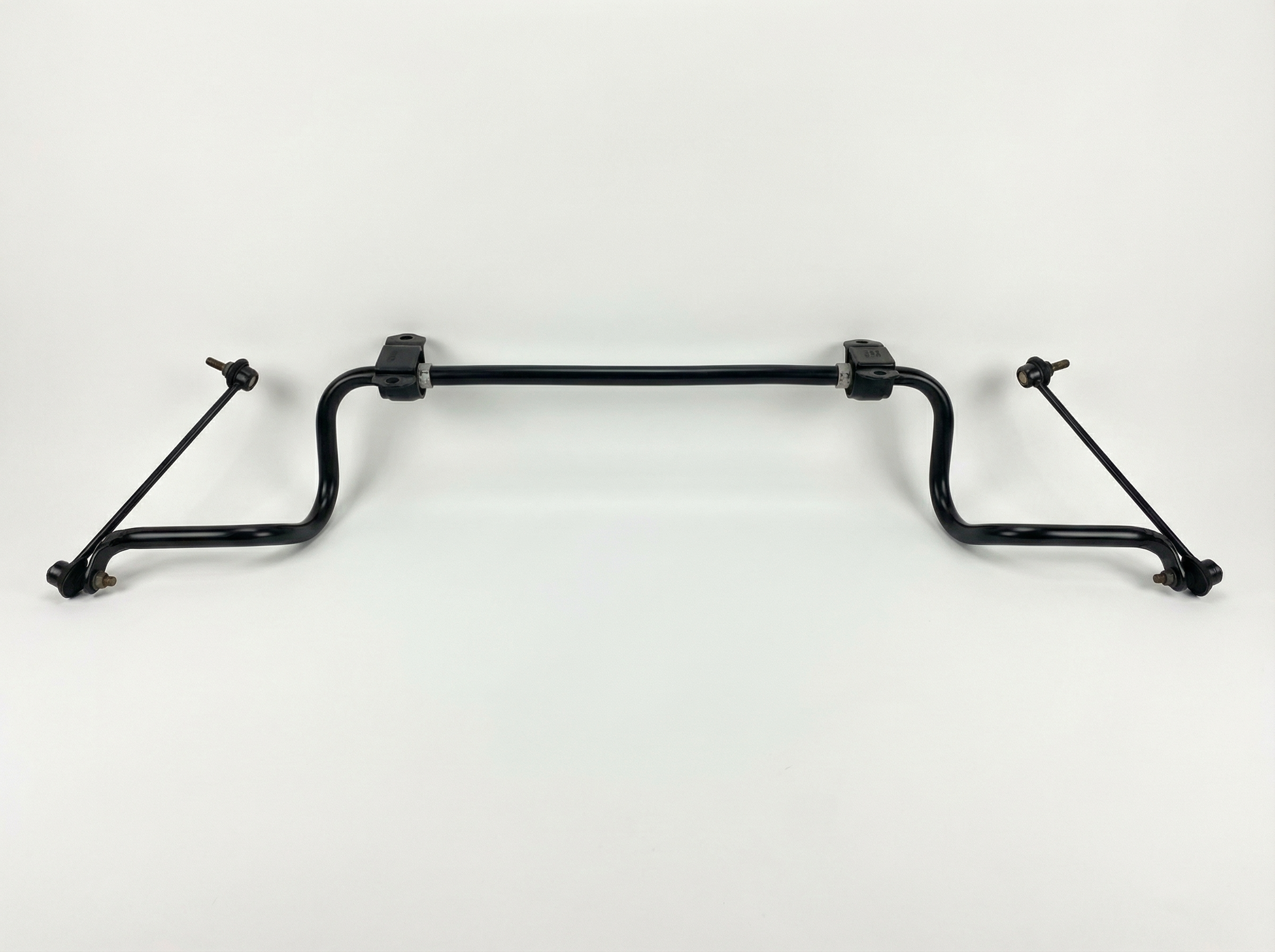
Since the stabilizer bar is a solid piece of steel, buying a used OEM part is a very safe and cost-effective option. An OEM recycled bar will have the correct diameter, shape, and stiffness for your vehicle's specific suspension tuning, which is often not the case with cheap aftermarket alternatives. When inspecting a used stabilizer bar, here's what to look for:
- Check for Bends or Damage: The bar should be perfectly straight and symmetrical. Any signs of bending, major scrapes, or cracking indicate it may have come from a vehicle involved in a collision. A bent bar will negatively affect handling and may not align correctly during installation.
- Inspect Mounting Points: Look closely at the areas where the bushings and end links attach. Ensure these surfaces are smooth and free of heavy corrosion or damage that could prevent the new bushings from seating properly.
- Ignore the Old Hardware: Do not reuse the old bushings or end links that may come with a used bar. These are wear items and should always be replaced with new parts during installation for reliable and quiet performance.
- Verify the Part Number: If possible, confirm the part number on the used bar matches the required number for your vehicle's specific year, model, and drivetrain.
Replacement and Related Parts
In nearly all cases, you will not be replacing the entire stabilizer bar, but rather the end links or the frame bushings. It is highly recommended to replace these parts in pairs (both front links, both rear links, or both frame bushings) to ensure even handling and performance from side to side.
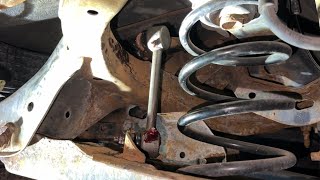
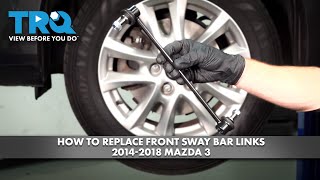
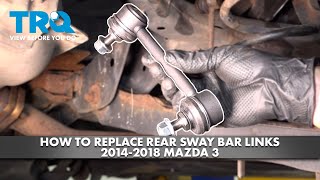
- Stabilizer Bar Links: These are the most common failure point. They connect the ends of the stabilizer bar to the struts or control arms. Replacing them is a common DIY task that can be done with basic hand tools. However, rust can make the nuts difficult to remove, sometimes requiring the old link to be cut off. 🎬 Watch: How to replace rotted or rusted rear sway bar links
- Stabilizer Bar Bushings: These rubber bushings hold the stabilizer bar to the subframe. They are less likely to fail than the links but can wear out and cause squeaking or clunking noises. Replacement can be more difficult due to tight access, with some mechanics charging around an hour of labor.
Torque Specifications
Proper torque is critical for suspension components. While specs can vary slightly by model and year, these are common values. Always consult a service manual for your specific vehicle.
| Component | Vehicle | Torque Spec (ft-lbs) |
|---|---|---|
| Front Stabilizer Link Nuts | 2014-2018 Mazda3 | 25 ft-lbs |
| Front Stabilizer Link Nuts | 2019+ Mazda3 | 34-40 ft-lbs |
| Rear Stabilizer Link Nuts | 2014-2018 Mazda3 | 40 ft-lbs |
| Rear Stabilizer Link Nuts | 2013+ CX-5 | 30 ft-lbs |
| Front Stabilizer Bushing Bracket Bolts | CX-5 | 19-21 ft-lbs |
Pro Tip: When replacing stabilizer bar links, it's often necessary to hold the center stud with an Allen key (often 5mm) or a wrench on flats machined into the shaft to prevent it from spinning while you loosen or tighten the nut.
Cost Breakdown
The cost to fix a stabilizer bar issue depends heavily on whether you're replacing the links, the bushings, or the entire bar. Labor costs are the biggest variable.
| Part | New OEM Price | New Aftermarket Price | Used OEM Price | Shop Labor Cost |
|---|---|---|---|---|
| Stabilizer Bar Links (Pair) | $80 - $150 | $30 - $100 | N/A (Not recommended) | $70 - $110 |
| Stabilizer Bar Bushings (Pair) | $25 - $50 | $15 - $30 | N/A (Not recommended) | $190 - $280 |
| Stabilizer Bar (Front or Rear) | $100 - $150 | $70 - $120 | $40 - $80 | $100 - $200 |
Frequently Asked Questions
Do I need to replace the whole stabilizer bar or just the links?
In over 95% of cases, you only need to replace the stabilizer bar links and/or bushings. The bar itself is a solid piece of metal and should only be replaced if it is bent or broken from an accident.
Can I drive with a broken stabilizer bar link?
While you can technically drive the vehicle, it is not recommended for safety reasons. A broken link means the stabilizer bar is not functioning, which will lead to significant body roll, reduced stability, and unpredictable handling, especially in corners or during an emergency maneuver.
Do I need a wheel alignment after replacing stabilizer bar links or bushings?
No. Replacing the stabilizer bar, its links, or its bushings does not affect the vehicle's wheel alignment angles (camber, caster, or toe). An alignment is not necessary after this repair.
Why are OEM used stabilizer bars better than new aftermarket ones?
The stabilizer bar is tuned by the manufacturer for a specific stiffness (determined by its diameter and material) to work with the rest of the suspension. A used OEM bar guarantees you get that factory-spec performance. Many cheap aftermarket bars may not have the same stiffness, potentially altering your vehicle's handling characteristics for the worse.
Helpful Videos
Technical Specifications
OEM Part Numbers: B45A34151 BEKG3415X BEKH3415X BEPN3415X KBH5-28-151 KD3128151
Key specifications include the bar's diameter and mounting point locations, which are specific to the vehicle model and drivetrain. Torque for end link nuts typically ranges from 25 to 40 ft-lbs.
We Have This Part in Stock

The information in this article is provided for general reference and educational purposes only. Vehicle specifications, procedures, and part compatibility can vary by production date, trim level, and region. Always consult your vehicle's factory service manual and verify part numbers before purchasing or performing repairs. Safety-critical components such as airbags, seat belts, and braking systems should be installed by a qualified professional.
- Mazda MAZDA3:
- Mazda CX-30:
- Mazda CX-5:
- Mazda CX-9:
- 🎬 Helpful Videos
- 🛍️ Shop This Part
- Symptoms of a Failing Stabilizer Bar
- 1. Clunking, Rattling, or Knocking Noises
- 2. Increased Body Roll and Poor Handling
- 3. Squeaking Sounds
- Known Issues, TSBs, and Recalls
- Buying a Used Suspension Stabilizer Bar
- Replacement and Related Parts
- Torque Specifications
- Cost Breakdown
- Frequently Asked Questions
- 🎟️ Get 5% Off