

Clunks, Squeaks & Body Roll: A Guide to the 2002-2018 Camry, Avalon, Solara & ES Stabilizer Bar
This guide explains the common noises and handling problems caused by a failing suspension stabilizer bar and its related parts on the Toyota Camry, Avalon, Solara, and Lexus ES models, with a focus on critical fitment differences.
- Fitment is critical and highly specific. V6 and SE sport models use a thicker (24mm) front bar than standard 4-cylinder models (23mm); they are not interchangeable.
- The most common failure symptoms—clunking, rattling, and poor handling—are almost always caused by worn-out end links and bushings, not the steel bar itself.
- When replacing a stabilizer bar, you must also install new bushings and end links to restore proper function and eliminate noise.
- You can drive with a broken stabilizer link, but handling is compromised with increased body roll, which can be unsafe in emergency maneuvers.
Symptoms of a Failing Stabilizer Bar
The steel stabilizer bar itself rarely fails, but the components that attach it to the car—the rubber bushings and the end links—wear out over time. When they do, you'll likely notice one or more of the following symptoms:
- Clunking, Rattling, or Knocking Noises: This is the most common sign. You'll hear a metallic clunk or rattle from the front or rear of the car, especially when driving over bumps, potholes, or uneven roads at lower speeds. The noise happens because the worn parts allow the bar to move and bang against other suspension or frame components.
- Squeaking Sounds: A squeak when going over speed bumps or on rough roads can point to dry or worn stabilizer bar bushings. The rubber hardens and shrinks with age, allowing for noisy movement against the bar or bracket.
- Increased Body Roll and Poor Handling: If your car leans more than it used to in turns or feels 'wallowy' and less stable, the stabilizer system isn't doing its job. This can feel like the car is top-heavy or disconnected from the road, which can be unsettling and reduce your control in emergency maneuvers.
- Loose or Unresponsive Steering: While less common, a severely degraded stabilizer system can contribute to a feeling of looseness in the steering.
Known Issues, TSBs, and Recalls
For the vehicles covered in this guide, problems with stabilizer bars, links, and bushings are typically considered normal wear-and-tear items. However, Toyota did issue a Technical Service Bulletin (TSB) for some models.
- TSB-0128-18: This TSB addresses a squeak noise from the front stabilizer bushings on 2014–2017 Toyota Camry and 2013–2018 Toyota Avalon models. The noise is most apparent over rough roads or speed bumps. The fix involves replacing the front stabilizer bushings and brackets with updated parts.
Searches of the National Highway Traffic Safety Administration (NHTSA) database did not find any specific safety recalls for the stabilizer bars or their related components on these models. Failures are generally due to age, mileage, and environmental factors like road salt.
The Critical Fitment Guide: Which Bar Fits Your Car?
Fitment for these stabilizer bars is highly specific and one of the most common mistakes buyers make. Ordering the wrong bar will result in improper handling and installation issues. Use this guide to identify the correct part for your vehicle.
Warning: Always verify your vehicle's model, year, engine, and trim level before ordering. The bars are NOT interchangeable between all models.
| Vehicle | Years | Bar Type & Diameter | Fitment Notes |
|---|---|---|---|
| Toyota Camry | 2002-2006 | Front Bar (24mm) | Fits all V6 models and 4-cylinder SE (Sport) models ONLY. |
| Toyota Camry | 2002-2006 | Front Bar (23mm) | Fits 4-cylinder LE and XLE models. DOES NOT fit V6 or SE models. |
| Toyota Camry | 2007-2011 | Front Bar | Fits Base, CE, LE, XLE, and Hybrid trims. EXCLUDES the SE (Sport) trim, which uses a different, stiffer bar. |
| Toyota Camry | 2007-2017 | Rear Bar | Fits LE and XLE models only. DOES NOT fit SE or Hybrid models. |
| Toyota Avalon | 2006-2018 | Rear Bar | Fits models produced from February 2006 and later. |
| Lexus ES300 | 2002-2003 | Front Bar (24mm) | Fits all models (equivalent to the Camry V6). |
| Lexus ES330 | 2004-2006 | Front Bar (24mm) | For 2004 models, may only fit those built on or before May 2004. Fits all V6 models. |
| Lexus ES350 | 2007-2012 | Front/Rear Bars | Generally shares components with the contemporary V6 Camry and Avalon. Always verify by part number. |
| Toyota Solara | 2004-2008 | Front Bar (24mm) | Fits all V6 models and 4-cylinder SE (Sport) models ONLY. |
| Toyota Solara | 2004-2008 | Front Bar (23mm) | Fits 4-cylinder non-SE models. |
Buying a Used Stabilizer Bar: What to Inspect
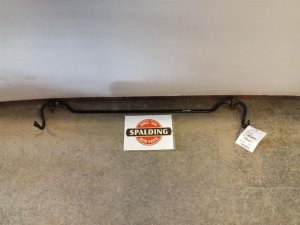
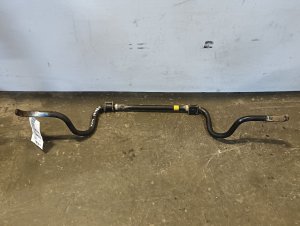
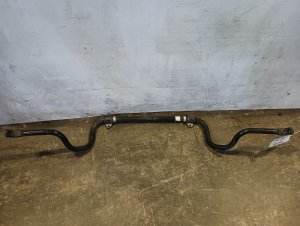
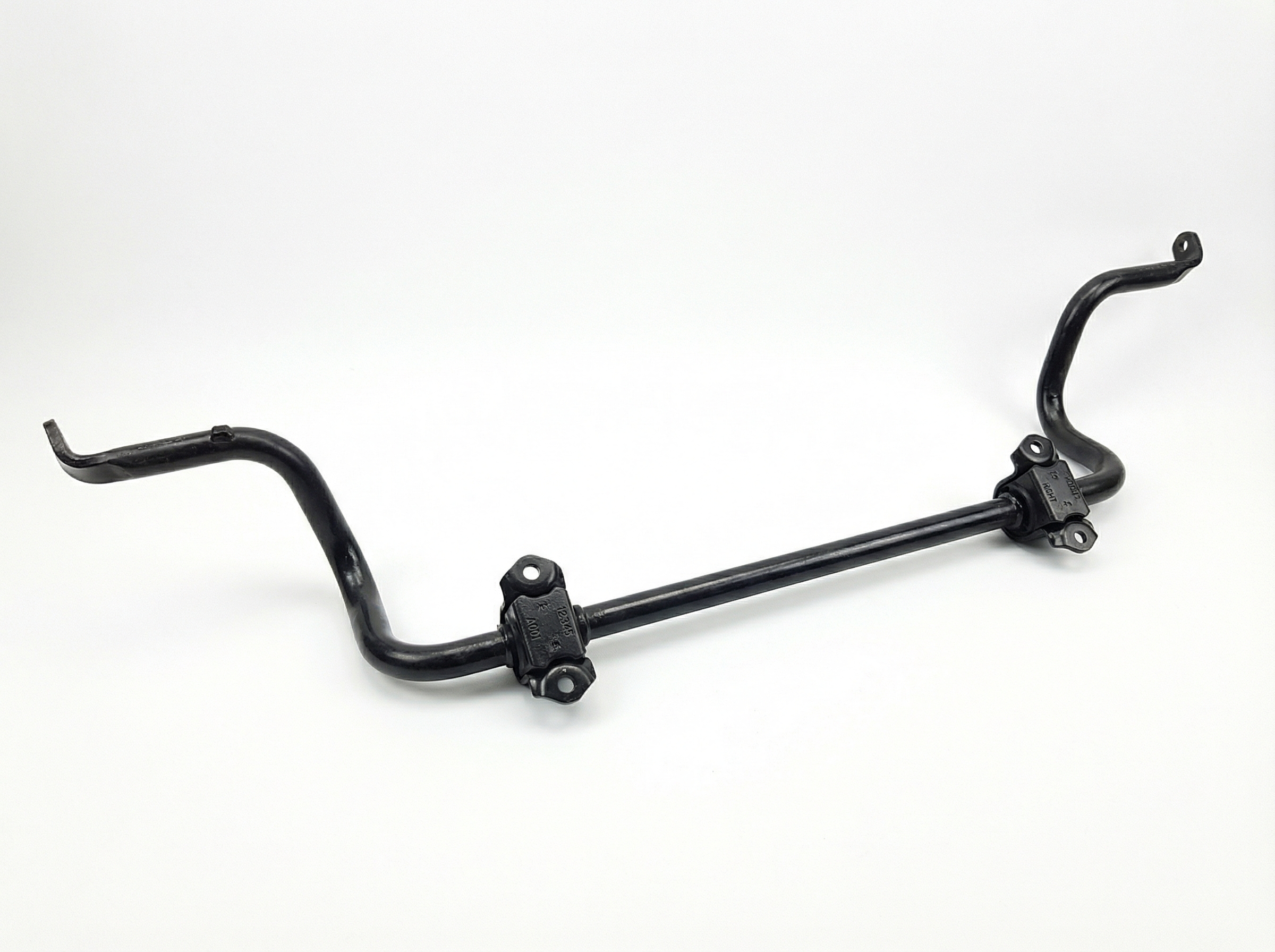
A used OEM stabilizer bar is an excellent, cost-effective option. The bar itself is a simple piece of spring steel that doesn't wear out unless it's damaged. It's often superior in material quality to cheap, new aftermarket alternatives. Here’s what to look for:
- Verify Compatibility: This is the most important step. Use the fitment guide above. A bar from a 4-cylinder Camry LE will not perform the same as the thicker bar from a V6 or SE model.
- Check for Bends or Cracks: Sight down the length of the bar to ensure it is straight. Inspect the ends and mounting areas for any signs of cracking or stress. A bent or cracked bar is scrap metal and cannot be safely used.
- Assess Corrosion: Surface rust is normal and expected on a used suspension part and can be cleaned and painted. However, you should avoid any bar with deep, flaky pitting that compromises the metal's structural integrity.
- Ignore the Old Bushings and Links: Do not judge a used bar by the condition of the rubber bushings or the end links that may still be attached. These are wear items and should always be replaced with new ones during installation.
Related Parts: Always Replace Bushings and End Links
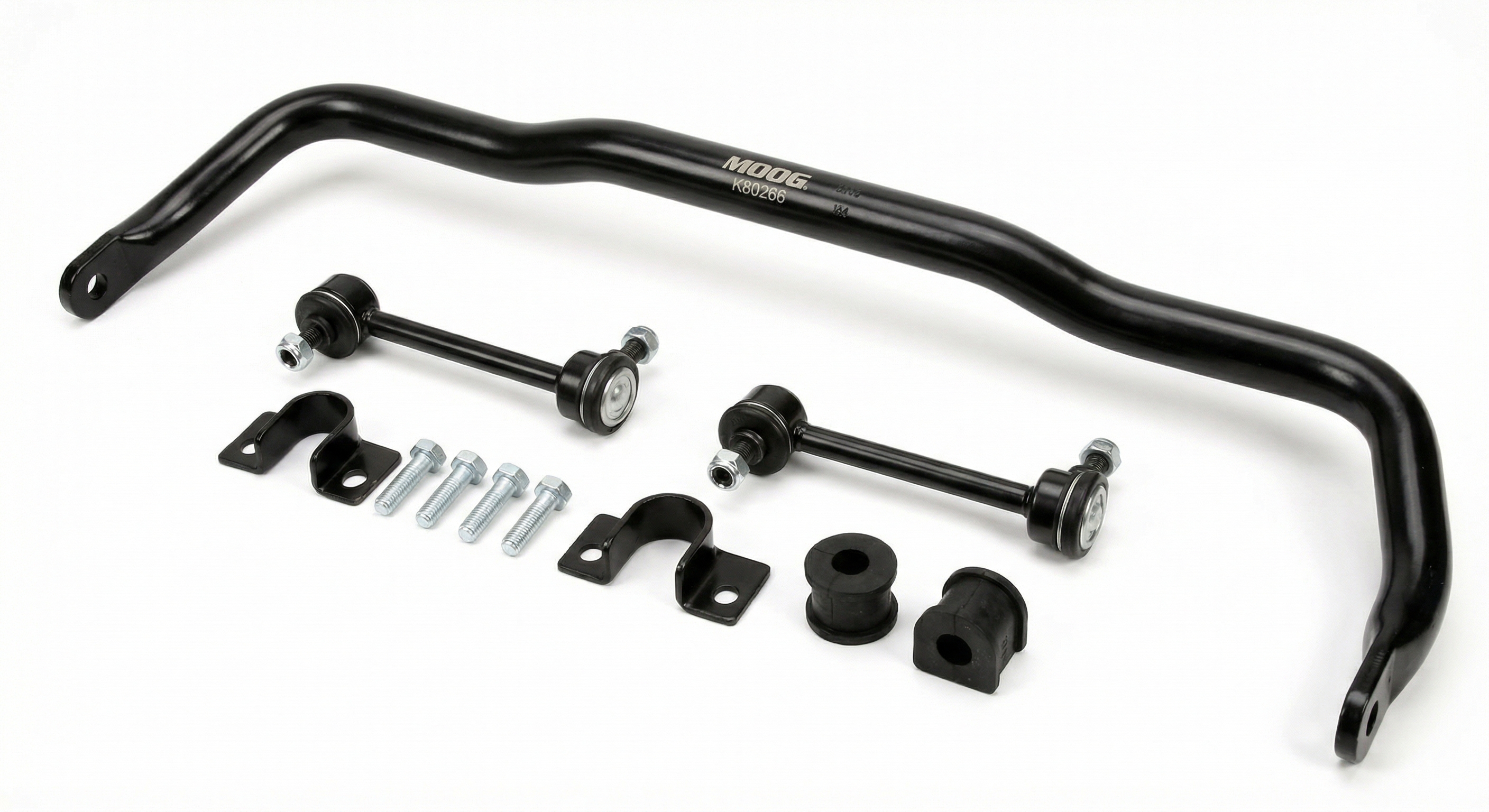
The stabilizer bar works as a system with its connecting parts. The clunks and rattles are almost always caused by worn links and bushings, not the bar itself. When replacing the bar, it is essential to replace these related components at the same time.
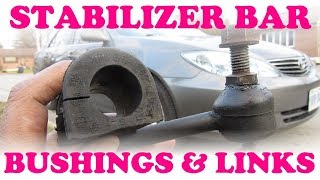
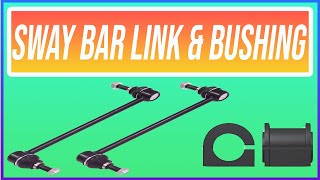
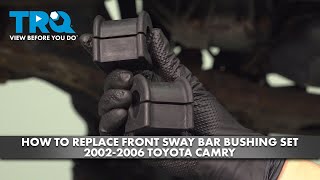
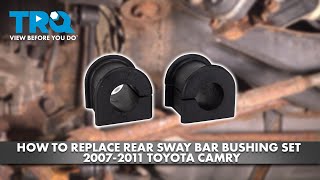
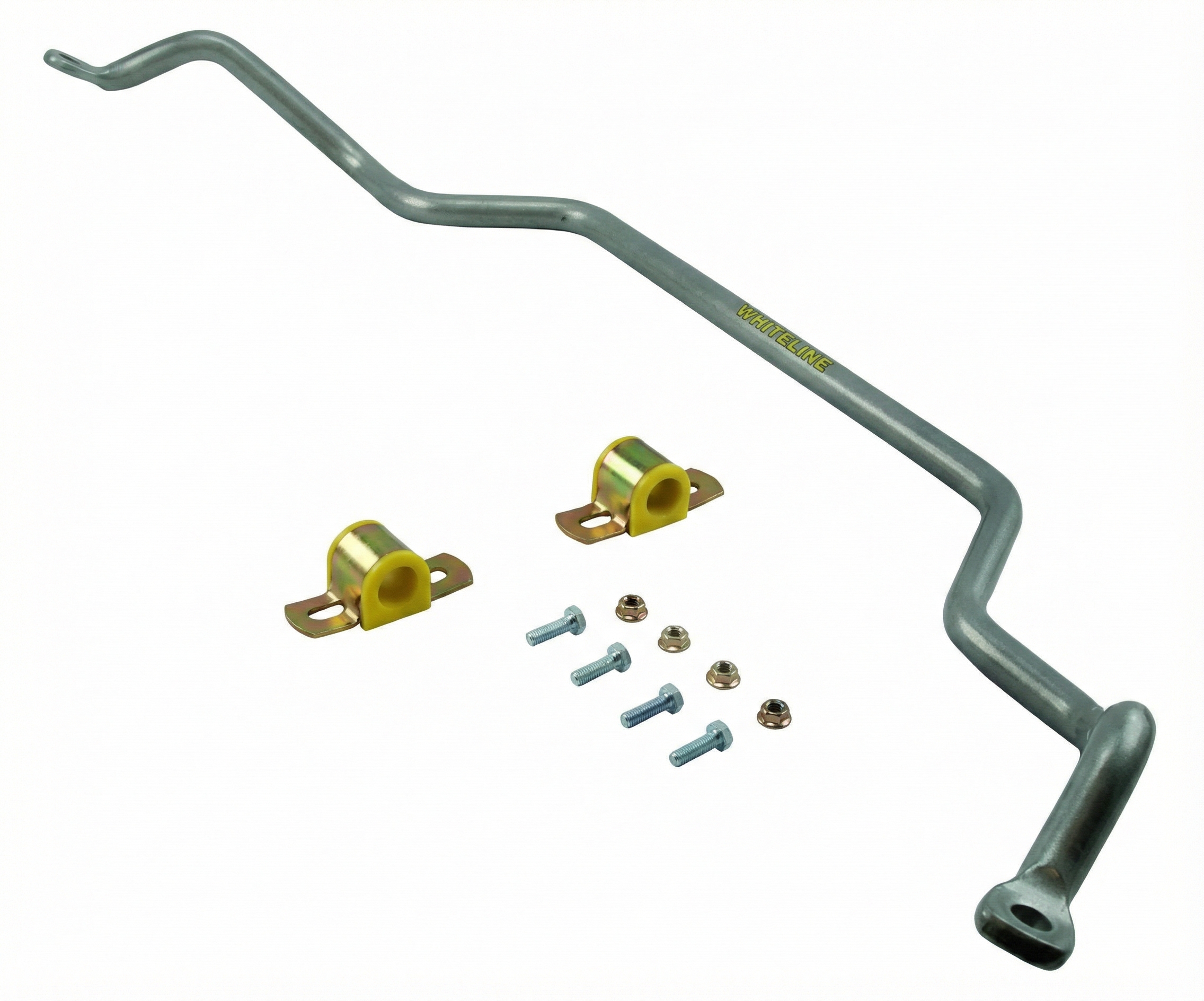
- Stabilizer Bar Bushings: These two rubber or thermoplastic bushings mount the bar to the vehicle's subframe. They isolate noise and allow the bar to rotate smoothly. When they wear out, the hole enlarges, allowing the bar to move and clunk.
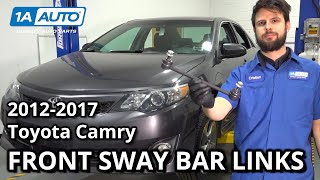
- Stabilizer Bar End Links: These links connect the ends of the stabilizer bar to the struts or control arms. They have small ball joints that wear out, creating play and causing a distinct rattling or clunking sound over bumps.
Pro Tip: When diagnosing a clunk, a common technique is to disconnect both end links from the stabilizer bar and secure the bar out of the way. If a test drive reveals the noise is gone, you've confirmed the problem lies within the stabilizer bar system (links or bushings).
Cost Breakdown
Prices can vary based on your location and supplier. Labor costs for replacement are typically 1.5 to 2.5 hours.
| Part | Estimated Cost |
|---|---|
| New OEM Stabilizer Bar | $150 - $300+ |
| New Aftermarket Stabilizer Bar | $80 - $180 |
| Used OEM Stabilizer Bar | $50 - $125 |
| New Stabilizer Bar Bushings (Pair) | $20 - $60 |
| New Stabilizer Bar End Links (Pair) | $40 - $120 |
| Shop Labor (Bar, Bushings & Links) | $200 - $400 |
Replacement Overview and Torque Specs
Replacing the stabilizer bar and its components is a feasible DIY job for those with mechanical experience and the right tools. For many of these models, replacing the front bushings requires slightly lowering the front subframe to access the rear bracket bolts.
Warning: End link nuts and bushing bracket bolts are often heavily corroded, especially in rust-belt states. Be prepared to use plenty of penetrating oil, and in some cases, you may need to cut the old end links off.
Key Procedural Tip: Do not fully tighten the end link nuts or bushing bracket bolts until the vehicle's suspension is loaded—meaning it's sitting on its own weight on the ground or on ramps. Tightening these bolts with the wheels hanging in the air can preload the bushings, leading to premature failure.
Common Torque Specifications:
- Stabilizer End Link Nuts: ~55 ft-lbs (74 N·m)
- Stabilizer Bushing Bracket Bolts: ~14-23 ft-lbs (19-31 N·m)
- Wheel Lug Nuts (Camry): ~76 ft-lbs (103 N·m)
Always verify the exact torque specifications for your specific year and model in a repair manual.
Frequently Asked Questions (FAQ)
Do I need a wheel alignment after replacing the stabilizer bar?
No. The stabilizer bar and its links do not affect the primary alignment angles (caster, camber, toe). A wheel alignment is not necessary after this job.
Why does the Camry SE have a different stabilizer bar?
The SE (Sport Edition) trim is marketed as having a sport-tuned suspension. This includes stiffer springs, different struts, and a thicker, stiffer stabilizer bar. The thicker bar reduces body roll further, providing flatter, more responsive cornering at the expense of some ride comfort.
Can I just replace the one broken end link?
It is highly recommended to replace stabilizer links in pairs (both front or both rear). If one has failed due to age and mileage, the other is likely not far behind. Replacing them in pairs ensures balanced handling and predictable performance from side to side.
What's the difference between a stabilizer bar and a strut bar?
They are often confused but serve different purposes. A stabilizer (sway) bar is part of the suspension at the bottom of the car, connecting the left and right suspension to control body roll. A strut bar (or strut tower brace) is a rigid bar that bolts across the top of the engine bay between the two strut towers to increase chassis stiffness, which can improve steering response.
Helpful Videos
Technical Specifications
OEM Part Numbers: 4881106050 4881106250 4881106251 4881106260 4881133130 4881133140 4881133160 48811AA020 48811AA060 48812-33170 4881206080 4881206140 4881206210 4881233180 4881233210 48815-06140 48815-33220 48815-06090 48815-33210 48824-06020 48824-33080
Common diameters for front bars are 23mm (standard 4-cyl) and 24mm (V6 and SE models). Common torque specs are 55 ft-lbs for end links and 76 ft-lbs for Camry wheel lug nuts.
We Have This Part in Stock

The information in this article is provided for general reference and educational purposes only. Vehicle specifications, procedures, and part compatibility can vary by production date, trim level, and region. Always consult your vehicle's factory service manual and verify part numbers before purchasing or performing repairs. Safety-critical components such as airbags, seat belts, and braking systems should be installed by a qualified professional.
- Toyota Camry:
- Toyota Avalon:
- Lexus ES300:
- Lexus ES330:
- Toyota Solara:
- Lexus ES350:
- 🎬 Helpful Videos
- 🛍️ Shop This Part
- Symptoms of a Failing Stabilizer Bar
- Known Issues, TSBs, and Recalls
- The Critical Fitment Guide: Which Bar Fits Your Car?
- Buying a Used Stabilizer Bar: What to Inspect
- Related Parts: Always Replace Bushings and End Links
- Cost Breakdown
- Replacement Overview and Torque Specs
- Common Torque Specifications:
- Frequently Asked Questions (FAQ)
- 🎟️ Get 5% Off