

Fixing Suspension Clunks: A Guide to the 1998-2007 Land Cruiser & LX470 Stabilizer Bar
This guide details the common failure points, symptoms, and replacement procedures for the front suspension stabilizer bar system on the 100-series Toyota Land Cruiser and Lexus LX470.
- The most common failure is not the bar itself, but the rubber bushings and end links, which cause clunking noises over bumps.
- When replacing the stabilizer bar, you must also replace the frame bushings and end links to ensure a complete repair.
- A used OEM bar is a great value, provided it is straight and undamaged. Surface rust is not a concern.
- Do not tighten the bushing and link bolts until the vehicle's full weight is on the suspension to prevent premature wear.
Symptoms of a Failing Stabilizer Bar System
The steel stabilizer bar itself rarely fails unless it's bent in an accident. More commonly, the wearable components—the rubber bushings and the end links—are the source of problems. When you hear about a 'bad sway bar,' it almost always refers to these related parts.
Clunking, Knocking, or Rattling Noises
The most common symptom of a failing stabilizer bar system is noise. You will likely hear a distinct clunking or knocking sound coming from the front suspension. This noise is most noticeable when driving over bumps, potholes, or uneven surfaces. It can also be prominent during low-speed turns, like pulling into a driveway, where the suspension articulates and causes the worn components to shift and make contact. The sound is the result of worn-out rubber bushings or loose end link joints allowing the heavy steel bar to move and knock against the frame or other suspension parts.
Loose Handling and Increased Body Roll
A compromised stabilizer bar system will negatively affect your vehicle's handling. You may notice excessive body lean or 'sway' when cornering, making the vehicle feel less stable. The steering might feel vague, disconnected, or less responsive, especially during lane changes or emergency maneuvers. This feeling is often described as 'floaty' because the bar is no longer effectively managing the side-to-side weight transfer.
Known Issues, TSBs, and Recalls for 1998-2007 Land Cruiser & LX470
For the 1998-2007 model years, there are no specific recalls or widespread Technical Service Bulletins (TSBs) from Toyota or Lexus directly concerning the front stabilizer bar (48811-60180) itself. Most suspension-related complaints and TSBs for this platform focus on other areas.
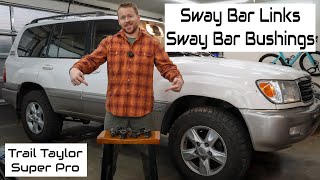
- Common Wear Items: Forum discussions among 100-series Land Cruiser and LX470 owners confirm that the stabilizer bar bushings and end links are common wear-and-tear items. Owners frequently replace them to resolve front-end clunking noises that develop over time. 🎬 Watch this complete walkthrough for replacing front and rear links.
- Related TSBs: While not directly for the stabilizer bar, TSBs for suspension noises do exist. For example, TSBs have been issued for squeaking noises from rear trailing arm bushings and general front suspension noise diagnosis, but these do not specifically target the stabilizer bar as a primary failure point.
- No Recalls: Searches of the NHTSA database show no recalls for the front stabilizer bar on these models. Recalls for this generation tended to focus on issues like steering shaft snap rings and potential wire harness contact.
Buying a Used Stabilizer Bar: What to Look For
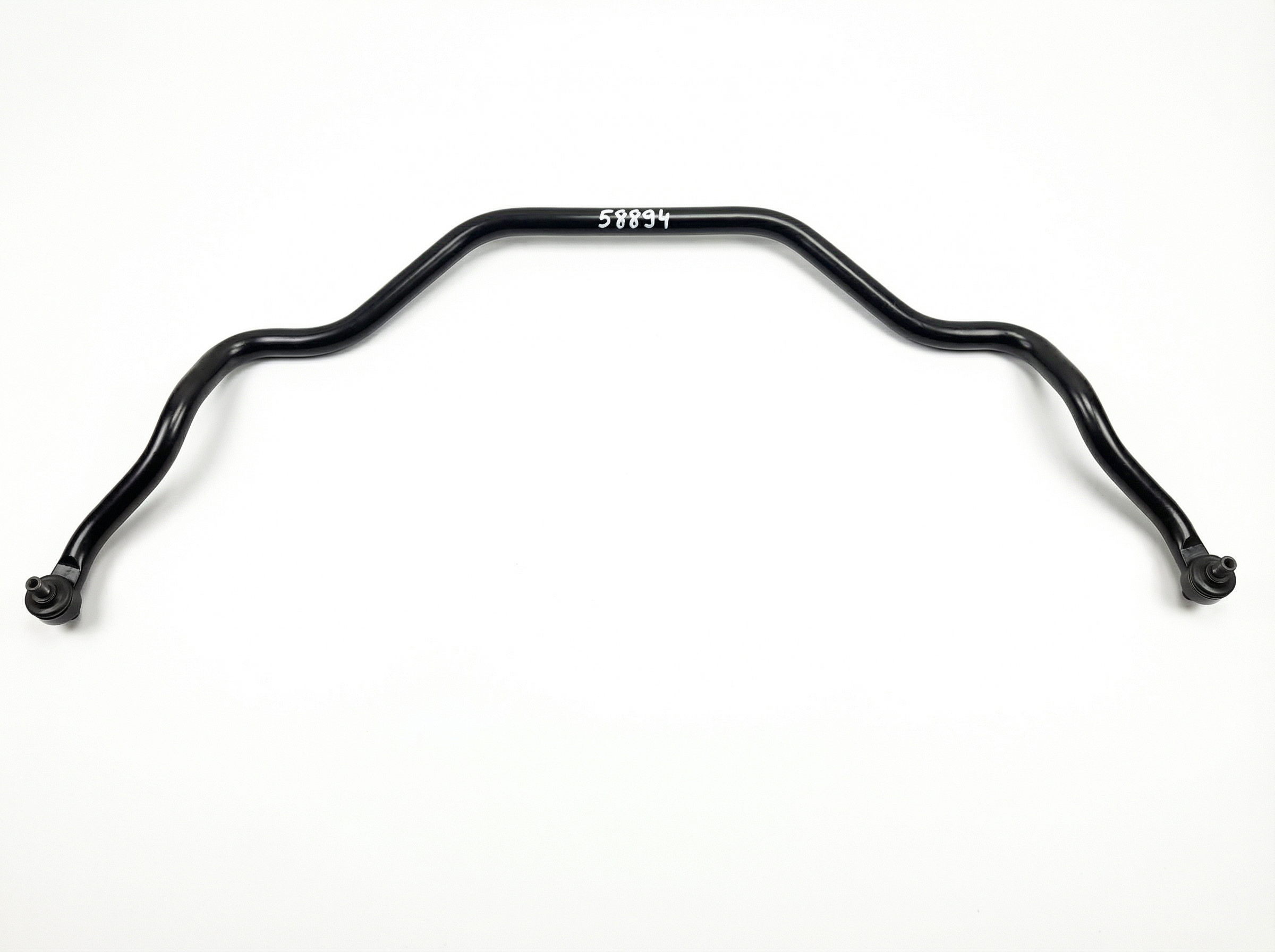
Since the stabilizer bar is a solid piece of steel, a used OEM bar is an excellent, cost-effective option. The key is to inspect it properly and understand what you are buying.
Inspecting the Bar Itself
The main value is in the bar itself, not the accessories it may come with. When inspecting a used stabilizer bar, focus on these points:
- Straightness: The most critical check. Look down the length of the bar to ensure it is not bent, twisted, or deformed. A bent bar will compromise your vehicle's handling and alignment.
- Damage: Check for deep gouges, cracks, or signs of extreme impact. Significant damage could indicate the bar was compromised in an accident.
- Surface Condition: Surface rust is normal and purely cosmetic. It will not affect the performance of the bar. You can easily clean it up and paint it before installation if desired.
Pro Tip: The OEM stabilizer bar is engineered with a specific torsional stiffness (spring rate) for the Land Cruiser and LX470's weight and suspension geometry. A used OEM bar maintains these original handling characteristics, which is often preferable to a new, cheap aftermarket bar that may not match the original specifications.
Why You Must Replace Bushings and Links
Assume that any bushings and end links that come with a used stabilizer bar are worn out and need to be replaced. These are inexpensive wear items. Factoring in the cost of new bushings and links with a used bar often results in significant savings compared to a new OEM bar assembly.
Replacement Overview and Torque Specs
Replacing the stabilizer bar and its components is a feasible DIY job for someone with basic mechanical skills and tools. The vehicle should be on a level surface. While it can be done with the wheels on, removing them provides much better access.
Warning: Do not fully tighten the end link and bushing bolts until the vehicle's suspension is loaded—meaning it is resting on its own weight on the ground or on ramps. Tightening the bolts with the suspension hanging down can preload the bushings, causing them to bind and fail prematurely.
Related Parts to Replace at the Same Time
When replacing the stabilizer bar, it is essential to also replace the following components for a complete and lasting repair:
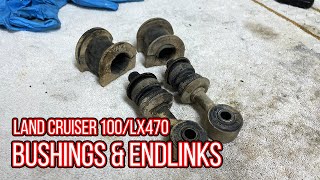
- Front Stabilizer Bar Bushings (Frame Mounts): These two rubber bushings hold the bar to the vehicle's frame. Part number example: Toyota 48815-60111. 🎬 See how to install new OEM front bushings step-by-step.
- Front Stabilizer Bar End Links: These connect the ends of the stabilizer bar to the lower control arms. They often come as kits with new bushings and hardware.
Important Torque Specifications
Using correct torque is critical for performance and preventing noise. While specifications can vary slightly by source and specific aftermarket part, these are commonly cited values for the 100-series platform:
| Component | Torque (ft-lbs) | Torque (Nm) | Notes |
|---|---|---|---|
| Stabilizer Bar Bushing Bracket Bolts | 18 | 25 | Bolts holding the U-shaped bracket to the frame. |
| Stabilizer End Link (Upper Nut) | 18 | 25 | Nut that compresses the bushings onto the stabilizer bar. |
| Stabilizer End Link (Lower Bolt) | 38 - 52 | 52 - 71 | Bolt connecting the end link to the lower control arm. |
Cost Comparison: New vs. Used Stabilizer Bar
Prices can vary by supplier and condition. This table provides an estimated cost breakdown for the front stabilizer bar and related components.
| Part | Estimated Cost |
|---|---|
| New OEM Stabilizer Bar (48811-60180) | $155 - $225 |
| New Aftermarket Stabilizer Bar (e.g., Dorman 927-108) | $130 - $185 |
| Used OEM Stabilizer Bar | $50 - $120 |
| New OEM Stabilizer Bushings (Pair) | $20 - $35 |
| New Aftermarket Stabilizer End Links (Pair) | $35 - $70 |
| Shop Labor for Replacement | $150 - $250 |
Frequently Asked Questions (FAQ)
Can I just replace the bushings and not the whole bar?
Yes, absolutely. In most cases, only the rubber bushings and end links are worn. The steel bar itself is usually fine unless it has been physically damaged in a collision. Replacing just the bushings and links is the most common repair for clunking noises.
Is the stabilizer bar the same for the Land Cruiser and the LX470?
Yes, for the 1998-2007 model years, the Toyota Land Cruiser and Lexus LX470 are built on the same platform and share the same front stabilizer bar, OEM part number 48811-60180.
What about the rear stabilizer bar?
The rear suspension also has a stabilizer bar with its own bushings and links. While they perform the same function, the parts are different from the front. Symptoms of failure are similar—clunking noises from the rear of the vehicle over bumps.
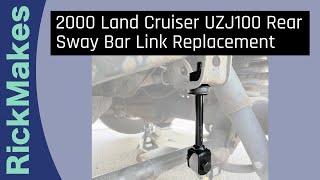
🎬 Check out this guide for replacing rear sway bar links.Does the Active Height Control (AHC) suspension on the LX470 affect the stabilizer bar?
The AHC system, standard on the LX470 and optional on some Land Cruisers, does not change the stabilizer bar itself or its primary function. The replacement procedure is fundamentally the same, though care must be taken when working around the hydraulic lines and components of the AHC system.
Helpful Videos

Technical Specifications
OEM Part Numbers: 48811-60180
Bar Diameter: Varies by model and options, common sizes are around 27mm. Always measure your original bar or verify by VIN if replacing with aftermarket bushings.
We Have This Part in Stock

The information in this article is provided for general reference and educational purposes only. Vehicle specifications, procedures, and part compatibility can vary by production date, trim level, and region. Always consult your vehicle's factory service manual and verify part numbers before purchasing or performing repairs. Safety-critical components such as airbags, seat belts, and braking systems should be installed by a qualified professional.
- Toyota Land Cruiser:
- Lexus LX470:
- 🎬 Helpful Videos
- 🛍️ Shop This Part
- Symptoms of a Failing Stabilizer Bar System
- Clunking, Knocking, or Rattling Noises
- Loose Handling and Increased Body Roll
- Known Issues, TSBs, and Recalls for 1998-2007 Land Cruiser & LX470
- Buying a Used Stabilizer Bar: What to Look For
- Inspecting the Bar Itself
- Why You Must Replace Bushings and Links
- Replacement Overview and Torque Specs
- Related Parts to Replace at the Same Time
- Important Torque Specifications
- Cost Comparison: New vs. Used Stabilizer Bar
- Frequently Asked Questions (FAQ)
- 🎟️ Get 5% Off