

2013-2019 Ford Flex AWD Strut Guide: Noises, Replacement & Part Numbers
This guide covers the common failure symptoms, replacement costs, and critical compatibility warnings for the 2013-2019 Ford Flex AWD front suspension struts.
- Compatibility is crucial: These struts are for 2013-2019 All-Wheel Drive (AWD) models with standard suspension only.
- Failure is indicated by clunking over bumps, a bouncy ride, and uneven tire wear (cupping).
- Always replace struts in pairs (both front) and perform a wheel alignment immediately after installation to prevent safety and handling issues.
- A recall (20V072) exists for the rear suspension toe links on these vehicles; it's wise to check its status during any suspension work.
Symptoms of a Failing Ford Flex Strut
When the front struts on a 2013-2019 Ford Flex begin to fail, you'll likely notice several distinct signs. Recognizing these symptoms early can help you address the problem before it leads to more significant issues or unsafe driving conditions.
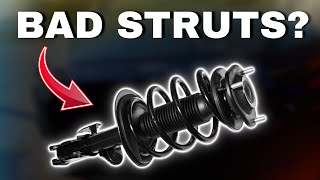
🎬 Watch: 5 symptoms of bad struts you should not ignoreCommon Noises and Vibrations
- Clunking or Knocking Over Bumps: This is the most frequently reported symptom. A sharp "clunk" or dull "knock" from the front end when driving over bumps, potholes, or uneven pavement often points to a worn strut or a failing strut mount.
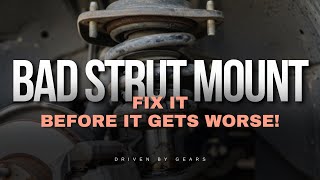
- Groaning or Squeaking When Turning: If you hear a groaning, creaking, or binding noise when turning the steering wheel at low speeds, such as in a parking lot, it often indicates a bad strut mount bearing. This bearing allows the strut to pivot as you steer. 🎬 See this guide on identifying a failing strut mount
- Excessive Vibration: A failing strut loses its ability to dampen road imperfections, which can translate into more vibration felt in the cabin and through the steering wheel.
Changes in Handling and Performance
- Bouncy or Floating Ride: One of the clearest signs of a bad strut is a ride that feels overly bouncy, like a trampoline. After hitting a bump, the vehicle may continue to bounce up and down instead of settling immediately.
- Nose-Diving During Braking: When you apply the brakes firmly, you may notice the front end of the Flex dipping forward excessively. This happens because the worn struts can no longer properly support the vehicle's weight as it shifts forward.
- Unstable or Wandering Steering: A feeling that the vehicle is less stable, sways during lane changes, or pulls to one side can be caused by failing struts affecting the suspension geometry.
- Uneven Tire Wear: Worn struts can cause the tires to bounce excessively, leading to a specific type of uneven wear called "cupping" or "scalloping." Running your hand over the tire tread may reveal high and low spots.
Visual Signs
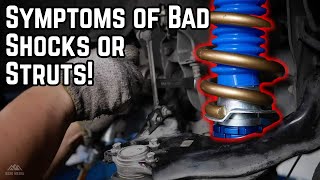
- Fluid Leaks: The strut body is filled with hydraulic fluid. If the seals fail, this fluid can leak out, leaving an oily or wet residue on the strut housing. A leaking strut has lost its damping ability and must be replaced. 🎬 Watch: How to diagnose a bad strut on your car
Warning: The information in this guide applies to the front struts. The rear of the Ford Flex uses a separate shock absorber and coil spring, which is a different component.
Buying a Used Suspension Strut for a 2013-2019 Ford Flex
Purchasing a used OEM strut can be a cost-effective way to restore your vehicle's ride quality without the high price of new dealer parts or the potential quality issues of some aftermarket brands. Here’s what to look for.
Critical Compatibility Checks
AWD Models Only: The front struts for the All-Wheel Drive (AWD) Ford Flex are different from the Front-Wheel Drive (FWD) models. You must ensure the part you are buying is from an AWD vehicle. This guide and the listed part numbers are for AWD models only.
Standard Suspension Only: These struts are not compatible with vehicles that have an electronically adjustable or performance-tuned suspension (like those found on some Taurus SHO models which share a similar platform). Ensure the donor vehicle has the same standard suspension as your Flex.
Physical Inspection Checklist
When inspecting a used strut assembly, look for the following:
- No Leaks: The strut body should be dry and free of any oily residue. Any sign of a fluid leak means the strut is bad.
- Piston Rod Condition: The shiny chrome rod extending from the top of the strut should be smooth and free of rust, pitting, or damage. Nicks or corrosion on the rod can tear the seal and cause leaks.
- Good Damping: If possible, try to compress the strut by hand (this is easier if it's a bare strut, not a full assembly). It should move smoothly and offer firm resistance in both directions. It should not feel bouncy or get stuck.
- Strut Mount Condition: Inspect the rubber on the top strut mount. It should be intact, without large cracks or signs of separation. A collapsed or torn mount will cause clunking noises.
- Coil Spring Integrity: Check the coil spring for any cracks, breaks, or severe corrosion that could weaken it.
Mileage and Condition
Mileage is a key factor, as struts are wear items. A strut from a vehicle with 50,000-75,000 miles is a reasonable choice, but condition is just as important. A lower-mileage part from a vehicle driven on rough, pothole-filled roads may have more wear than a higher-mileage part from a smooth-highway car. Always prioritize physical condition over mileage alone.
Known Issues, TSBs, and Recalls
While there are no specific recalls for the front struts themselves, there is a significant suspension-related recall for this generation of Ford Flex.
- NHTSA Recall 20V072000 (Ford Recall #20S04): This recall was issued for 2013-2018 Ford Flex and Lincoln MKT vehicles. It addresses rear suspension toe links that may fracture, causing a sudden change in vehicle handling and increasing the risk of a crash. While this is a rear suspension issue, it highlights the stresses placed on the vehicle's suspension components. When inspecting or repairing the front suspension, it is wise to have the status of this rear suspension recall checked and addressed if it hasn't been already.
No Technical Service Bulletins (TSBs) directly related to front strut failure were found during research.
Replacement Information
DIY vs. Professional Installation
Replacing the front struts on a Ford Flex is considered an advanced DIY job. It requires a good set of tools, including large sockets, a breaker bar, and a torque wrench. If you are not replacing the entire strut assembly (a "quick-strut"), you will also need a spring compressor, which is a specialty tool that can be very dangerous if used improperly. Due to the complexity and safety risks, many owners opt for professional installation. An alignment is mandatory after replacing the struts to prevent uneven tire wear and handling problems.
Related Parts to Replace
When replacing struts, it's highly recommended to replace them in pairs (both front struts at the same time) to ensure even handling and stability. It is also a good time to consider replacing these related components:
- Strut Mounts & Bearings: If you are not buying a complete "quick-strut" assembly, replacing the strut mount and bearing is critical. A worn bearing can cause steering noise and stiffness.
- Sway Bar End Links: These links connect the sway bar to the strut. They are a common source of clunking noises and are inexpensive to replace at the same time.
- Strut Bellows (Dust Boot) and Bump Stop: These protect the strut rod and cushion impacts. They are often included with new struts but should be verified.
Key Torque Specs
Using a torque wrench is crucial for suspension work. While specs can vary slightly by year and specific model, these are commonly cited values. Always verify with a service manual for your specific vehicle.
| Fastener | Torque Spec |
|---|---|
| Strut to Steering Knuckle Bolts | 85 ft-lbs |
| Upper Strut Mount Nuts (to body) | 22 ft-lbs or 41 ft-lbs (Verify for your model year) |
| Sway Bar Link Nut (to strut) | 111 ft-lbs |
| Wheel Lug Nuts | 100 ft-lbs |
Cost of Replacing a Ford Flex Strut
The cost can vary significantly based on the parts used (bare strut vs. full assembly) and labor rates. The following is an estimated breakdown for replacing one front strut.
| Item | Estimated Cost (Per Strut) |
|---|---|
| New OEM (Ford) | $115 - $190 |
| New Aftermarket | $80 - $250 |
| Used OEM | $50 - $120 |
| Shop Labor | $170 - $555 |
Pro Tip: Labor costs are often similar whether you install a bare strut or a complete assembly. Buying a complete "quick-strut" assembly saves time and eliminates the safety risk of using a spring compressor, making it a preferred choice for both DIYers and many shops.
Frequently Asked Questions
Do I have to replace both front struts at the same time?
Yes, it is essential to replace struts in pairs (both front or both rear). Replacing only one can lead to unbalanced handling, uneven braking, and unpredictable steering because one side of the suspension will be stiffer than the other.
Is a wheel alignment necessary after replacing the struts?
Yes, absolutely. Replacing the front struts will alter the vehicle's suspension geometry, specifically the camber and toe angles. Failing to get an alignment will result in poor handling and rapid, uneven tire wear.
What is a "quick-strut" or "loaded strut"?
A "quick-strut" or "loaded strut" is a complete assembly that includes the strut, coil spring, and upper mount all pre-assembled into a single unit. This is the safest and fastest way to replace a strut because you don't need to use a dangerous spring compressor to swap the old spring onto the new strut.
Can I use a strut from a Ford Taurus or Lincoln MKT on my Flex?
While the Ford Flex, Ford Taurus, and Lincoln MKT share the same basic platform, their suspension components are often tuned differently. Part numbers for performance packages (like the Taurus SHO) or different weight ratings may not be interchangeable. It is critical to match the OEM part number exactly to ensure proper fit, ride height, and handling characteristics.
Helpful Videos


Technical Specifications
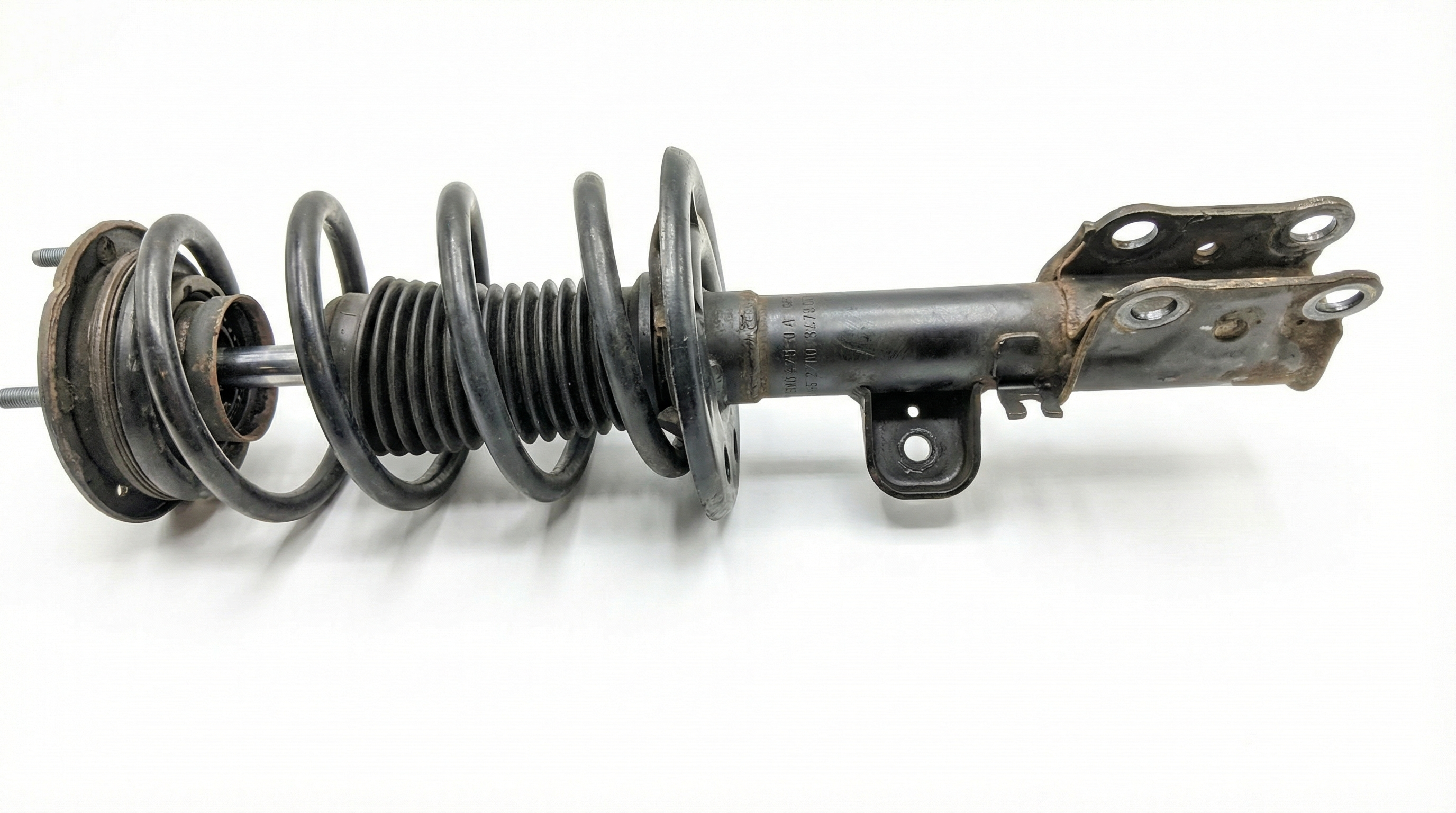
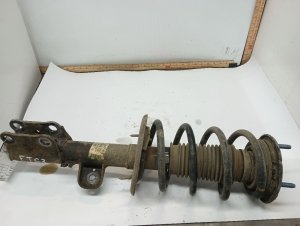
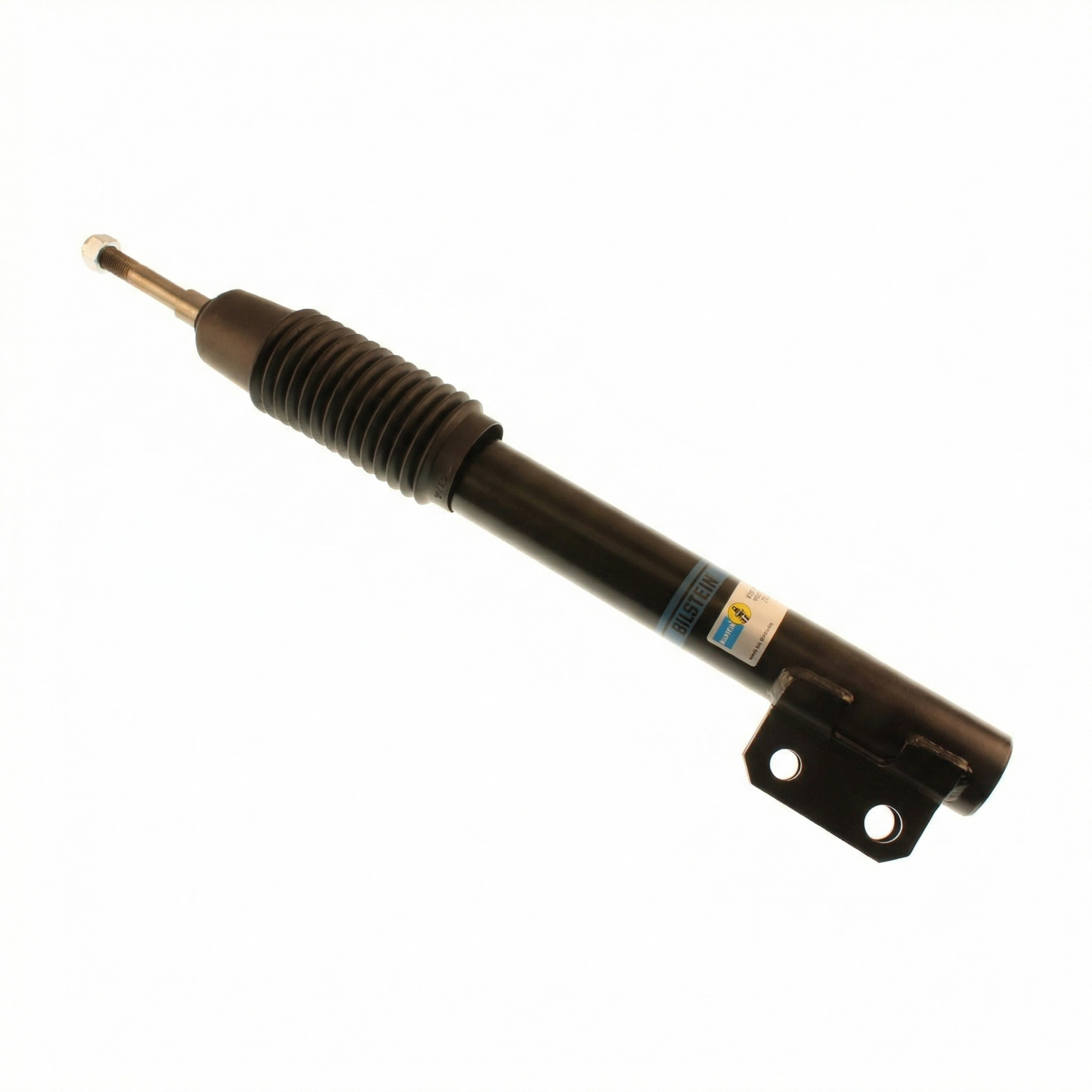
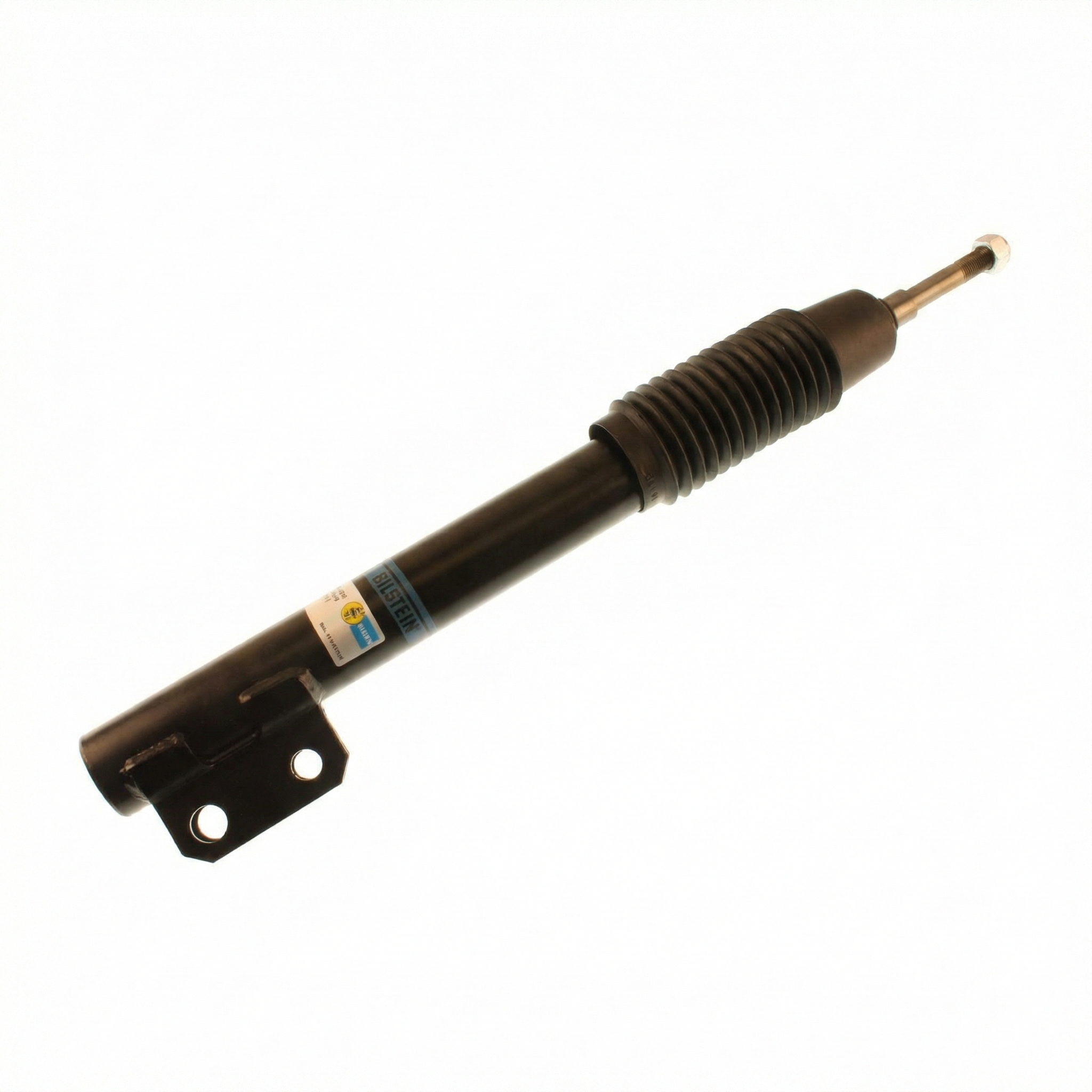
OEM Part Numbers: DG1Z-18124-A DG1Z-18124-T
Fits 2013-2019 Ford Flex with All-Wheel Drive (AWD) and standard suspension. The rear suspension uses separate shocks and springs, not struts.
We Have This Part in Stock

The information in this article is provided for general reference and educational purposes only. Vehicle specifications, procedures, and part compatibility can vary by production date, trim level, and region. Always consult your vehicle's factory service manual and verify part numbers before purchasing or performing repairs. Safety-critical components such as airbags, seat belts, and braking systems should be installed by a qualified professional.
- Ford Flex:
- 🎬 Helpful Videos
- 🛍️ Shop This Part
- Symptoms of a Failing Ford Flex Strut
- Common Noises and Vibrations
- Changes in Handling and Performance
- Visual Signs
- Buying a Used Suspension Strut for a 2013-2019 Ford Flex
- Critical Compatibility Checks
- Physical Inspection Checklist
- Mileage and Condition
- Known Issues, TSBs, and Recalls
- Replacement Information
- DIY vs. Professional Installation
- Related Parts to Replace
- Key Torque Specs
- Cost of Replacing a Ford Flex Strut
- Frequently Asked Questions
- 🎟️ Get 5% Off