

2008-2018 Ford Focus Strut Guide: Clunks, Leaks, and Compatibility
This guide covers the common failure symptoms, replacement costs, and critical compatibility differences for front struts on the 2008-2018 Ford Focus.
- The 2008-2011 (Gen 2) and 2012-2018 (Gen 3) Ford Focus use completely different struts that are not interchangeable.
- Struts for standard models will not fit performance ST, RS, or Electric models.
- The most common failure symptoms are clunking noises over bumps, a bouncy ride, and fluid leaks from the strut body.
- Always replace front struts in pairs and get a wheel alignment immediately afterward to ensure safety and prevent uneven tire wear.
Key Compatibility Warning: Two Generations, Zero Interchangeability

The most important thing to know when buying a replacement strut for a 2008-2018 Ford Focus is that this period covers two completely different vehicle generations. Parts are not interchangeable between them.
- Second Generation (2008-2011): These models are a continuation of the original Focus platform. They use different struts than the later models.
- Third Generation (2012-2018): This was a complete redesign based on a new global platform. The suspension is entirely different from the previous generation.
Warning: Always verify your vehicle's model year before ordering. A strut for a 2011 Focus will not fit a 2012 Focus, and vice-versa.
Symptoms of a Failing Ford Focus Strut


Struts wear out gradually, so you might not notice the slow decline in ride quality. However, they eventually present clear symptoms of failure.
Noises: Clunks, Rattles, and Bangs
- Clunking or Knocking: This is the most common sign. You'll hear a loud "clunk" or "knock" from the front end when driving over bumps, potholes, or uneven roads. This is often caused by worn internal components of the strut or a failing upper strut mount.
- Banging Sounds: A loud bang when hitting a bump can indicate a severely worn strut that is bottoming out, or a related issue like a broken sway bar link.
- Squeaking or Grinding When Turning: If you hear a binding or grinding noise when turning the steering wheel at low speeds or when stationary, this often points to a worn strut bearing located in the upper strut mount.
- Rattling: A rattle over smaller, rough patches of road can sometimes be a worn sway bar end link, which is often mistaken for a bad strut. 🎬 Watch: Hear what a failing sway bar link sounds like. It's wise to inspect the links when diagnosing a strut issue.
Driving & Handling Issues
- Bouncy or "Boaty" Ride: If the car continues to bounce up and down after hitting a bump, the struts are no longer damping the spring's movement. This is a classic sign of a worn-out strut. 🎬 Watch: See these common signs of bad struts in action.
- Nose-Diving and Body Roll: When you apply the brakes, the front of the car may dip down excessively. Similarly, the car may feel like it's leaning or swaying more than usual in turns. This indicates the struts can't properly support the vehicle's weight transfer.
- Vibrations: A vibration in the steering wheel, especially on rough roads, can be a sign of failing struts.
- Uneven Tire Wear: When struts are bad, the tire can bounce slightly as it goes down the road, leading to a distinctive "cupped" or scalloped wear pattern on the tire tread.
Visual Signs
- Fluid Leaks: The strut body is filled with hydraulic fluid. If you see oily fluid leaking down the side of the strut, it has failed and must be replaced.
Known Issues, TSBs, and Recalls

As of early 2026, there are no major recalls issued by the National Highway Traffic Safety Administration (NHTSA) specifically for strut failure on the 2008-2018 Ford Focus. However, clunking noises from the front suspension are a very common complaint among owners of both generations. Often, these noises are traced back to either the struts, the upper strut mounts, or the sway bar end links, which tend to wear out. For the 2008-2011 models, worn engine mounts can also cause vibrations and noises that are sometimes confused with suspension problems.
Buying a Used 2008-2018 Focus Strut

A used OEM strut can be a great value, offering the original factory ride quality for significantly less than a new part. However, careful inspection and verification are crucial.
Compatibility Checklist
- Confirm the Generation: Is your car a 2008-2011 or a 2012-2018 model? This is the first and most important check.
- Check the Model Trim: Struts for the high-performance ST and RS models, as well as the Focus Electric, are not compatible with standard gasoline models. Their damping rates, ride height, and mounting points are different. The provided OEM part numbers are for standard models.
- Identify Suspension Type: Some Focus models were available with a standard suspension or an optional sport/handling suspension. These struts are tuned differently. A common way to check on 2008-2011 models is to see if the vehicle has a rear stabilizer bar; its presence often indicates a sport suspension. Always try to match the part to your car's original configuration.
- Match Left and Right: Front struts are side-specific. A driver's side (left) strut will not fit the passenger's side (right).
Physical Inspection
- Check for Leaks: The number one red flag. Look for any oily residue on the strut body. A dirty or dusty strut is normal, but a wet, oily one is bad.
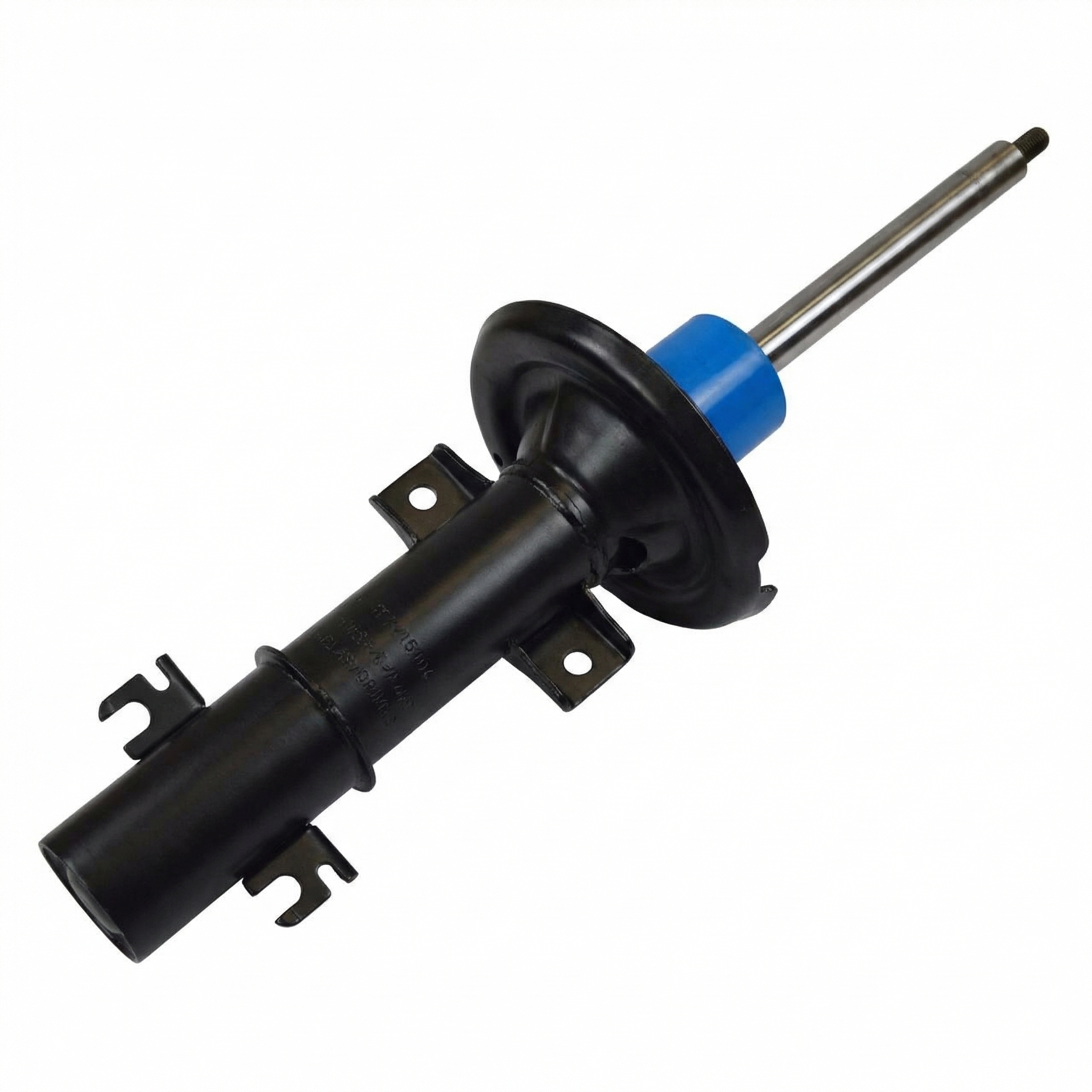
- Inspect the Rod: The chrome piston rod extending from the top should be smooth, straight, and free of rust or pitting. Any damage to this rod will destroy the seal and cause the strut to fail.
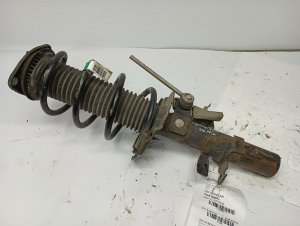
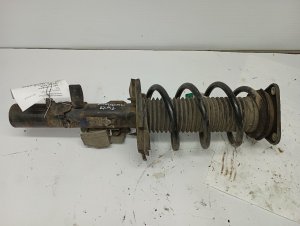
- Examine the Spring: If buying a complete assembly (quick strut), inspect the coil spring for heavy rust, cracks, or breaks. Ensure the protective coating is mostly intact.
- Check the Mount: Look at the rubber in the upper strut mount. It should be intact with no major cracks or separation from the metal.
- Mileage vs. Condition: Struts can begin to wear out as early as 50,000 miles, with failure becoming more common in the 80,000 to 100,000-mile range, depending on road conditions. A low-mileage used strut is ideal, but a high-mileage strut that is clean, dry, and from a vehicle in a rust-free region can still be a good part.
Pro Tip: When possible, buy complete strut assemblies (strut, spring, and mount together). This saves you the difficult and potentially dangerous job of using a spring compressor and ensures all the related components are fresh.
Rebuild vs. Replace
For a standard passenger car like the Ford Focus, rebuilding a strut is not a common or cost-effective practice. The process is labor-intensive and requires special tools. It is almost always cheaper and safer to replace the entire strut or strut assembly. The primary choice is between a bare strut (reusing your old spring and mount) or a complete "quick strut" assembly.
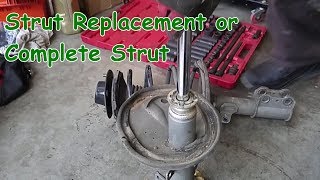
🎬 Watch: Should you buy a bare strut or complete assembly?Cost Comparison for Front Strut Replacement
Prices are for a single front strut assembly. Labor costs are for replacing a pair.
| Part/Service | Estimated Cost |
|---|---|
| New OEM (Dealer) | $170 - $250+ per strut |
| New Aftermarket (Complete Assembly) | $65 - $150 per strut |
| Used OEM | $50 - $120 per strut |
| Shop Labor (Pair) & Alignment | $265 - $450+ |
Replacement Overview & Related Parts
Replacing front struts is a job for an experienced DIYer or a professional. It involves disassembling key parts of the suspension and requires a torque wrench to ensure everything is tightened to specification. A wheel alignment is mandatory after replacement.
Related Parts to Replace
It is highly recommended to replace the following parts at the same time as the struts, as they wear out at a similar rate and can cause similar symptoms:
- Strut Mounts & Bearings: These are critical for smooth steering and absorbing vibrations. A worn mount will cause noise and should always be replaced with the strut.
- Sway Bar End Links: These are a very common source of clunking noises on the Focus and are inexpensive to replace.
- Dust Boot & Bumper: This protects the strut rod and prevents the strut from bottoming out. These are often included with new struts but should be verified.
Torque Specifications
Torque specs are critical for safety. While they can vary slightly by year and specific bolt, these are commonly cited values. Always consult a repair manual for your specific vehicle.
| Component | Torque Spec (2008-2011) | Torque Spec (2012-2018) |
|---|---|---|
| Top Strut Mount Nuts (to body) | 18-22 ft-lbs | 26-32 ft-lbs |
| Strut-to-Knuckle Pinch Bolt | 66 ft-lbs | ~81 ft-lbs + an additional turn |
| Sway Bar Link Nut | ~46 ft-lbs | ~48 ft-lbs |
| Wheel Lug Nuts | 94-100 ft-lbs | 100 ft-lbs |
Frequently Asked Questions (FAQ)
Do I need to replace struts in pairs?
Yes, absolutely. Struts should always be replaced in pairs (both front or both rear) to ensure even damping and predictable handling. Replacing only one side can make the vehicle unstable.
Do I need a wheel alignment after replacing my struts?
Yes. Replacing the struts directly affects the suspension geometry (camber and toe angles). A wheel alignment is required immediately after replacement to prevent unsafe handling and rapid tire wear.
What is a "quick strut" or "complete strut assembly"?
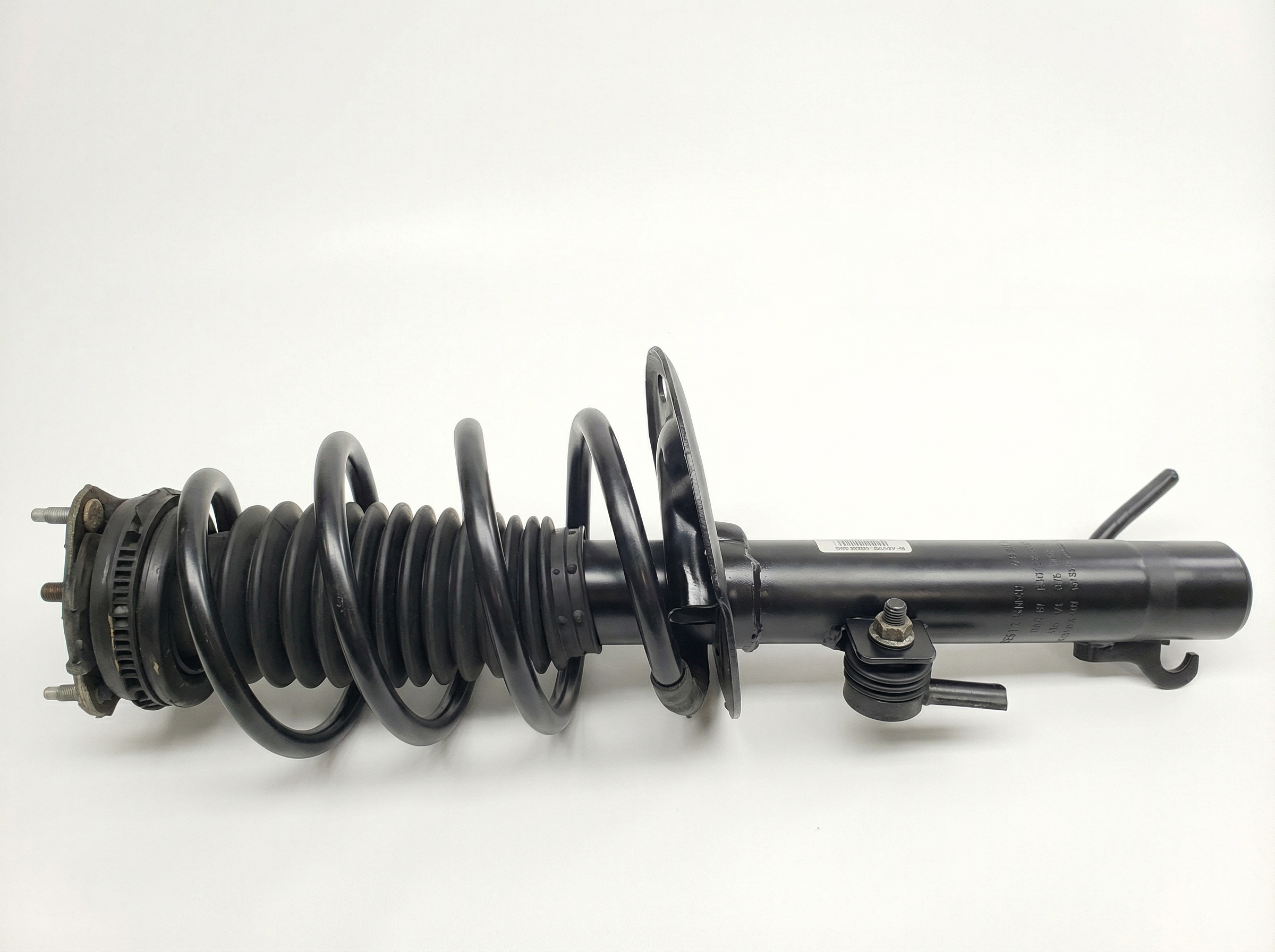
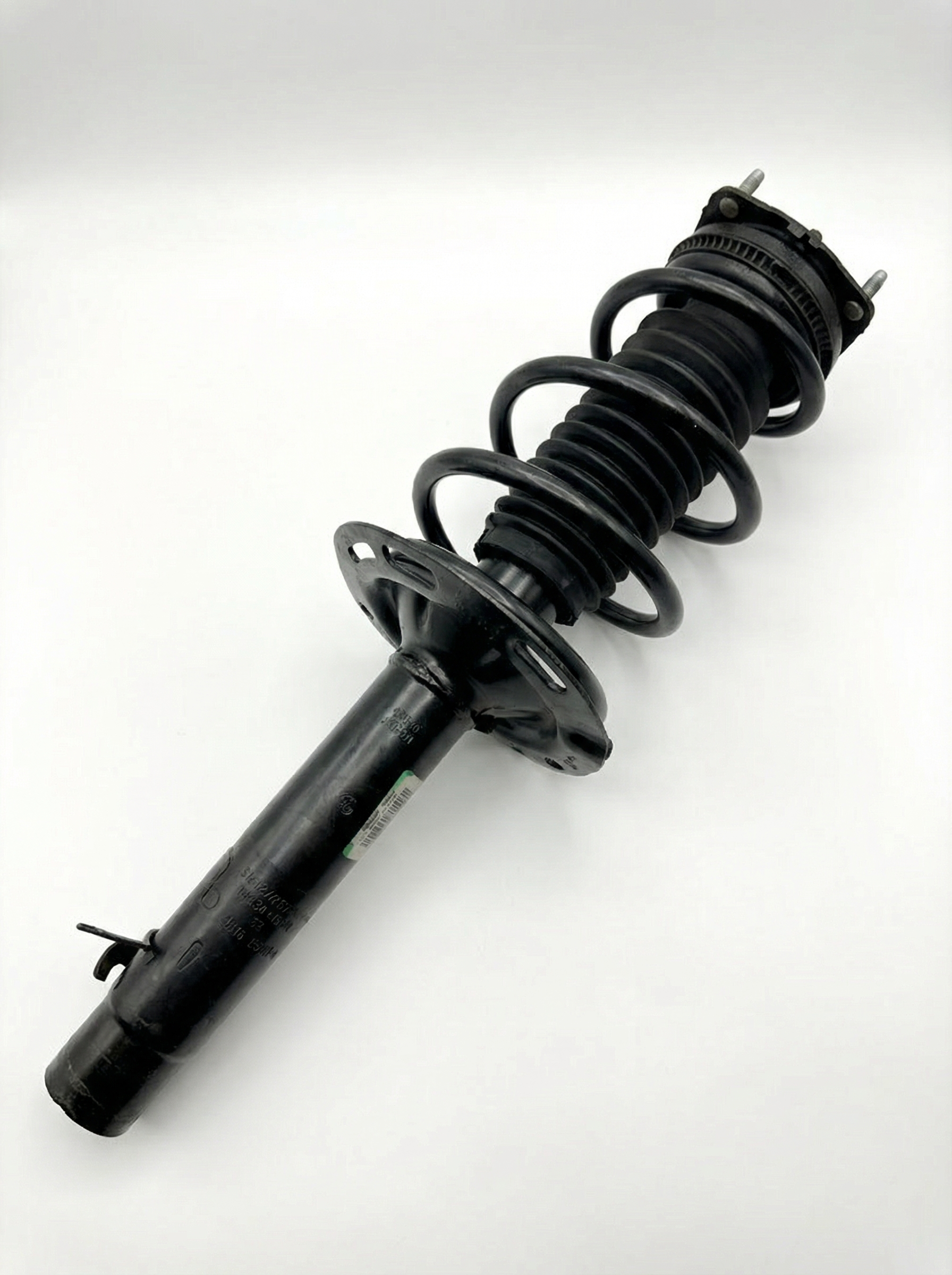
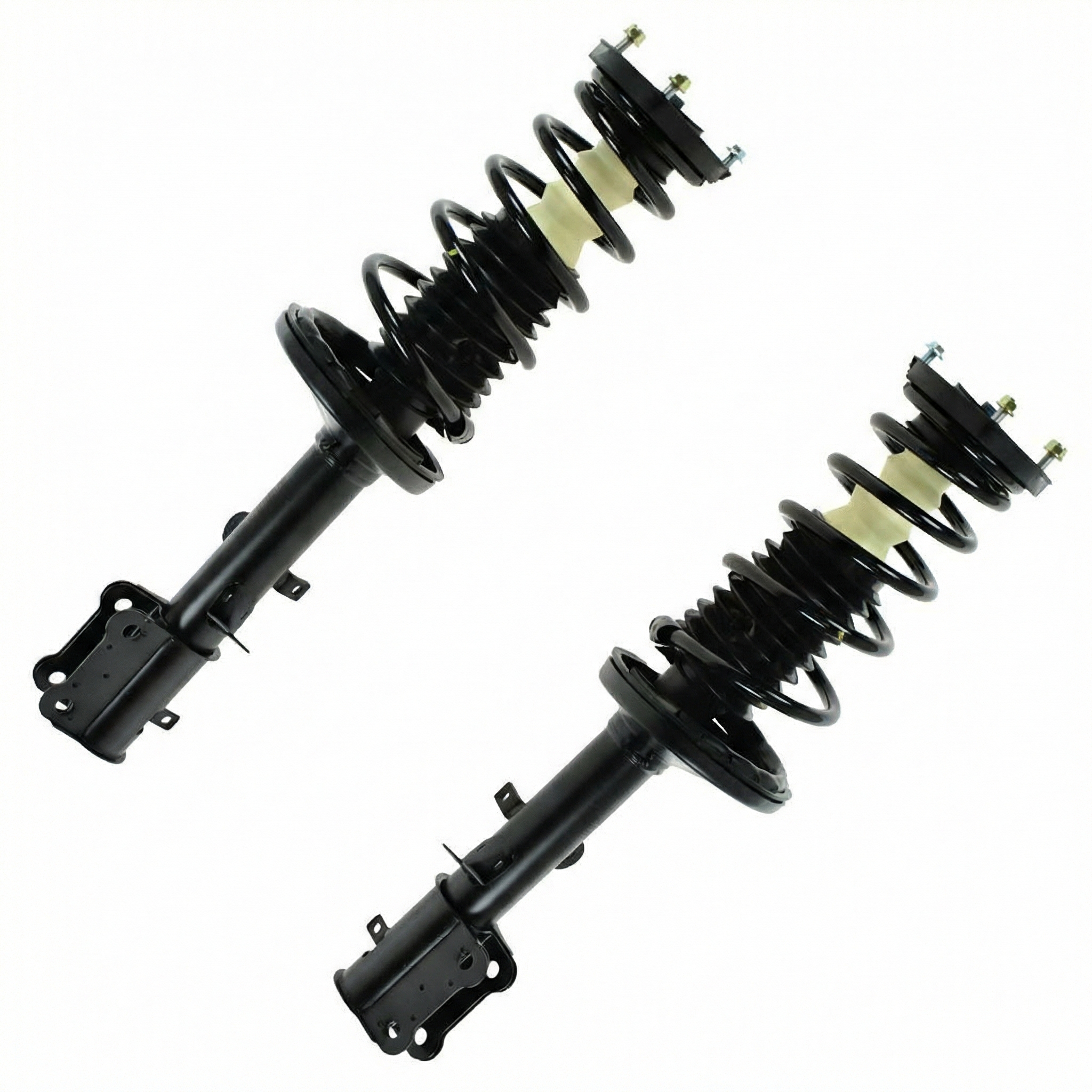
This is a pre-assembled unit that includes the strut, coil spring, strut mount, and all related hardware. It is ready to install right out of the box. This is the safest and easiest option for most DIY mechanics, as it eliminates the need to use a dangerous spring compressor tool.
Can I use struts from an ST or RS model on my standard Focus for better performance?
No, this is not recommended. The struts on the ST and RS models are designed for different ride heights, spring rates, and vehicle weights. Attempting to install them on a base model will result in incorrect suspension geometry, poor handling, and potential safety issues.
Helpful Videos
Technical Specifications
OEM Part Numbers: 8S4Z-18A047-A 9S4Z-18124-A AST-84767 AST84866 BV6Z-18124-D BV6Z-18124-E BV6Z-18124-F BV6Z-18124-G BV6Z-18124-J BV6Z18124J CV6Z-18124-AS CV6Z-18124-B CV6Z-18124-M CV6Z-18124-P G1FZ-18124-C
The Ford Focus uses a MacPherson strut front suspension. Torque specs differ by generation. 2008-2011 models use a ~66 ft-lb strut-to-knuckle torque, while 2012-2018 models use ~81 ft-lbs plus an additional turn. Wheel lug nuts should be torqued to 94-100 ft-lbs.
We Have This Part in Stock

The information in this article is provided for general reference and educational purposes only. Vehicle specifications, procedures, and part compatibility can vary by production date, trim level, and region. Always consult your vehicle's factory service manual and verify part numbers before purchasing or performing repairs. Safety-critical components such as airbags, seat belts, and braking systems should be installed by a qualified professional.
- Ford Focus:
- 🎬 Helpful Videos
- 🛍️ Shop This Part
- Key Compatibility Warning: Two Generations, Zero Interchangeability
- Symptoms of a Failing Ford Focus Strut
- Noises: Clunks, Rattles, and Bangs
- Driving & Handling Issues
- Visual Signs
- Known Issues, TSBs, and Recalls
- Buying a Used 2008-2018 Focus Strut
- Compatibility Checklist
- Physical Inspection
- Rebuild vs. Replace
- Cost Comparison for Front Strut Replacement
- Replacement Overview & Related Parts
- Related Parts to Replace
- Torque Specifications
- Frequently Asked Questions (FAQ)
- 🎟️ Get 5% Off