

2014-2023 Ford Transit Connect Front Strut: Decoding Noises and Part Number Changes
This guide explains the common clunking noises, clarifies the critical part number change in 2018, and details what to look for when buying a used front strut for your Transit Connect.
- There is a critical part number change for the front strut. 2014-mid-2018 Long Wheelbase models use DV6Z-18124-AF, while late-2018-2023 models use KV6Z-18124-A.
- The most common failure symptom is a clunking or knocking noise from the front end when going over bumps.
- Replacement is more difficult than on many other vehicles because the wiper arms and cowl panel must be removed to access the top strut mount bolts.
- There are no recalls for the struts themselves; failure is considered normal wear. Always replace struts in pairs and get an alignment afterward.
Symptoms of a Failing Front Strut
A worn or failed front strut on a Ford Transit Connect will produce several noticeable symptoms. Because these vans are often used for work and carry heavy loads, suspension wear can be accelerated. Pay attention to these signs.
Noises: Clunking, Knocking, and Banging
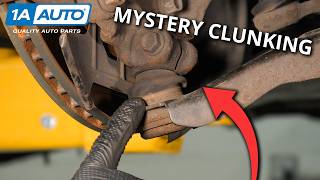
The most common symptom is a clunking or knocking noise coming from the front corners of the van. This sound is usually most obvious at lower speeds when driving over bumps, potholes, or uneven road surfaces. Some owners describe it as a sound like something is loose and swinging back and forth. 🎬 Watch: How to diagnose clunking noises in your front suspension. While the strut itself is a likely culprit, this noise can also be caused by worn sway bar end links, strut top mounts, or control arm bushings, which often fail around the same time.
Poor Ride Quality and Handling
As the strut's internal dampening fails, you will notice a significant decline in ride quality. Symptoms include:
- Bouncy Ride: The van will feel overly bouncy and may continue to bounce up and down after hitting a bump.
- Drifting or Pulling: The vehicle may feel unstable, drifting or pulling to one side during turns or on uneven roads.
- Nose Dives on Braking: When you apply the brakes, the front end of the van may dip or "dive" excessively.
Visible Signs and Tire Wear
A physical inspection can often confirm a bad strut. Look for oily fluid leaking down the body of the strut; this indicates the internal seals have failed. You may also notice uneven tire wear, particularly "cupping" or scalloping on the tread, which looks like a series of high and low spots. This happens because the failing strut allows the tire to bounce erratically against the pavement.
Compatibility Warning: Part numbers are different depending on the year and wheelbase. This is the most common mistake buyers make.
- 2014 - Mid-2018 Models: The front right strut for the Long Wheelbase (LWB) model is part number DV6Z-18124-AF. This part is specific to the LWB model and will not fit the Short Wheelbase (SWB) van.
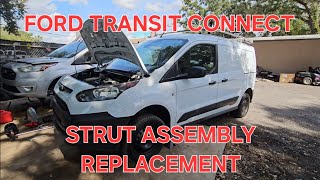
- Mid-2018 - 2023 Models: Starting from May 28, 2018, Ford began using part number KV6Z-18124-A for the front right strut. This part appears to fit all versions of the 2019-2023 Transit Connect, regardless of wheelbase. 🎬 Watch: Step-by-step strut replacement on a 2019 Transit Connect.
Always verify the part number and your vehicle's build date and wheelbase before purchasing.
Known Issues, TSBs, and Recalls
As of late 2023, there are no active recalls or widespread Technical Service Bulletins (TSBs) from Ford specifically for failing front struts on the 2014-2023 Transit Connect. While many recalls exist for other issues on these vans, such as door latches and shifter bushings, the suspension struts have not been identified as a safety-recall-level concern by the NHTSA or Ford. Failure is typically considered normal wear and tear. Struts are generally expected to last between 50,000 and 100,000 miles, depending on road conditions and vehicle use.
Buying a Used Suspension Strut
A low-mileage, used OEM strut can be an excellent value, often providing better performance and longevity than a new, low-quality aftermarket part. Here’s what to inspect.
Physical Inspection Checklist
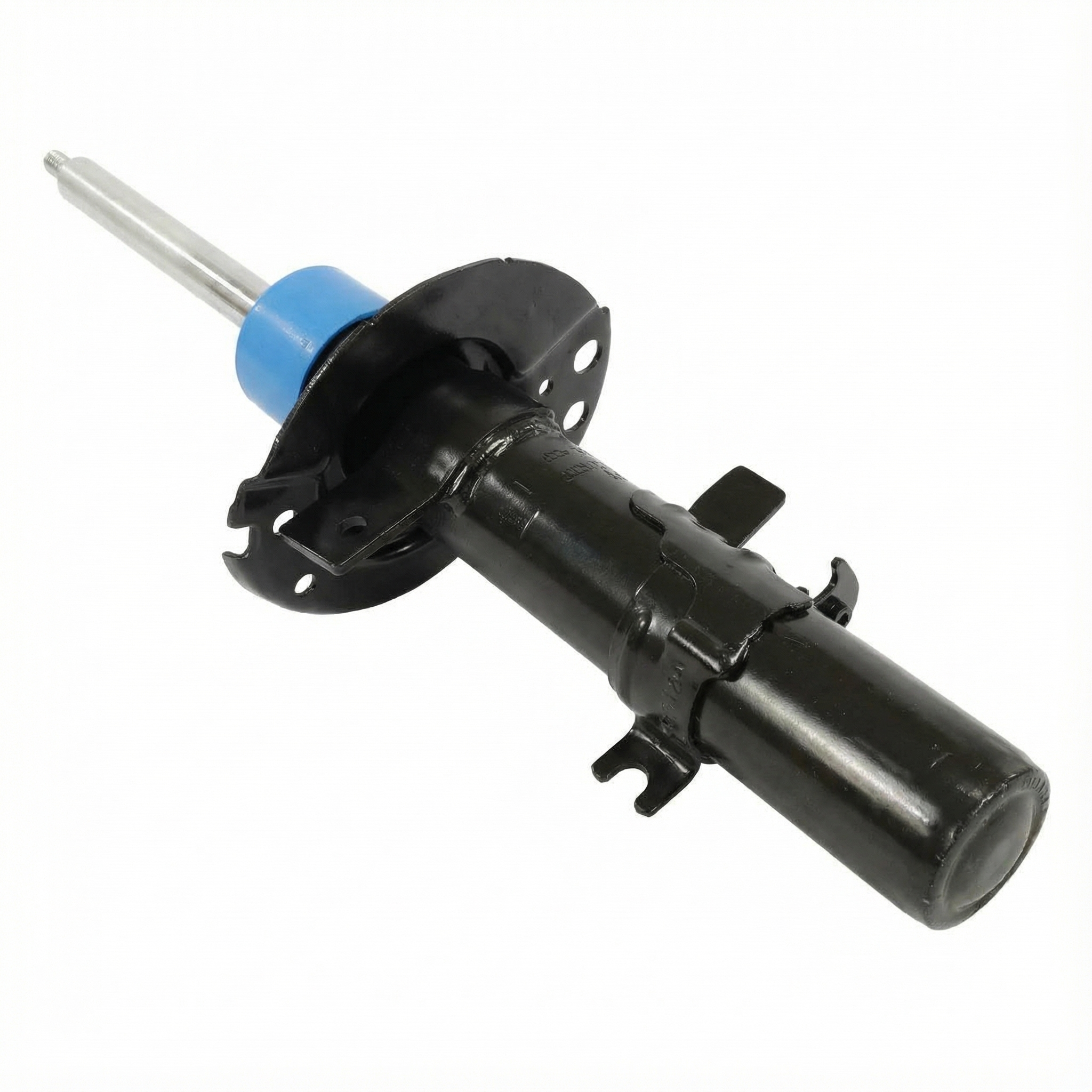
- Check for Leaks: The most important check. The strut body should be dry. Any sign of oily residue or wetness indicates the internal seals have failed and the strut is bad.
- Inspect the Rod: The chrome piston rod extending from the top should be smooth and free of rust, pits, or damage. Damage to the rod will tear the new seal and cause premature failure.
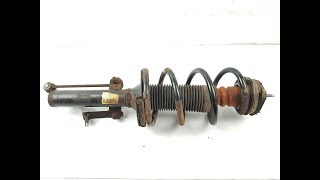
- Examine the Body: Look for major dents, deep rust, or damage to the strut body or the spring perch where the coil spring sits. Minor surface rust is normal, but deep, flaky rust can compromise the strut's integrity.
- Verify Part Numbers: Crucially, confirm the OEM part number sticker. Ensure you are getting a DV6Z-18124-AF for a 2014-2018 LWB model or a KV6Z-18124-A for a late 2018-2023 model.
Mileage Considerations
For a used strut, mileage is a key factor. Aim for a part from a vehicle with less than 60,000 miles. While a strut can last up to 100,000 miles, its dampening ability degrades over time. A part from a low-mileage vehicle offers the best balance of value and remaining service life.
Pro Tip: If possible, buy used struts as a pair from the same vehicle. This ensures they have equal wear and will provide balanced handling. Replacing just one side can lead to uneven ride height and handling characteristics.
Replacement Overview and Labor Costs
Replacing the front struts on a Transit Connect is a moderately difficult job. The biggest challenge is accessing the three nuts on top of the strut tower. Unlike many vehicles, these are hidden beneath the plastic cowl panel at the base of the windshield. To access them, you must remove the wiper arms and the entire cowl assembly. 🎬 See this walkthrough for removing the wiper motor and cowl. This adds significant time and complexity to the job.
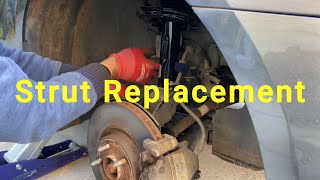
Once the top nuts are accessible, the process involves unbolting the strut from the steering knuckle, removing the sway bar link, and detaching any brake line or ABS sensor brackets. The entire assembly is then removed from the vehicle. If you are not using a "quick strut" or complete strut assembly (which includes a new spring and mount), you will need a specialized spring compressor to safely transfer the old coil spring to the new strut. This is a dangerous step and should not be attempted without the proper tools and knowledge.
Cost Comparison
| Part/Service | Estimated Cost |
|---|---|
| New OEM (Dealer/Online) | $110 - $195 (strut only) |
| New Aftermarket (Complete Assembly) | $105 - $250 |
| Used OEM | $60 - $120 |
| Shop Labor (per side) | $290 - $430 |
| Total Replacement (Both Sides, Shop) | $1,250 - $1,450 |
Important Torque Specs
Using correct torque specs is critical for safety. These values are based on owner forums and repair videos; always verify with an official service manual if possible.
- Strut to Knuckle Pinch Bolt: 74 ft-lbs + 90 degrees
- Top Strut Mount Nuts (x3): 18 ft-lbs
- Sway Bar Link to Strut Nut: 37 ft-lbs
- Wheel Lug Nuts: 100 ft-lbs
Pro Tip: It is highly recommended to replace the strut mount, strut bellow (dust boot), and sway bar end links when replacing the struts. These related parts are often worn and are easily accessible during the job. Also, an alignment is required after replacing struts.
Frequently Asked Questions (FAQ)
Do I need to replace both front struts at the same time?
Yes. It is highly recommended to replace struts in pairs (both front or both rear). Replacing only one can cause uneven handling, braking instability, and different ride heights from side to side. A new strut will have different damping characteristics than the old one on the other side.
What is the difference between a strut and a shock absorber?
While both are dampers, a strut is a structural component of the suspension that also affects steering and alignment. A shock absorber only dampens suspension movement and is not a structural element. The Ford Transit Connect uses a MacPherson strut design in the front.
Is a "quick strut" or complete assembly better?
A complete strut assembly (or "quick strut") includes the strut, coil spring, and top mount all in one unit. It is much safer and easier to install for a DIY mechanic because it eliminates the need to use a dangerous spring compressor. For a professional shop, it also saves significant labor time.
Why is there a part number change in 2018?
Ford changed the front strut design starting on May 28, 2018. The earlier part (DV6Z-18124-AF) was specific to the long wheelbase model. The later part (KV6Z-18124-A) appears to be a consolidated design used across all models from 2019-2023. It is crucial to use the correct part for your vehicle's specific year and wheelbase.
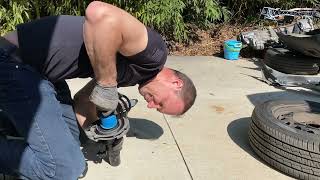
Helpful Videos

Technical Specifications
OEM Part Numbers: DV6Z-18124-AF DV6Z18124AC DV6Z18124AF DV6Z18124C dv6z18124f DV6Z18124G KV6Z-18124-A KV6Z18124A KV6Z18124C
Torque, Strut to Knuckle Pinch Bolt: 74 ft-lbs + 90 degrees. Torque, Top Strut Mount Nuts: 18 ft-lbs.
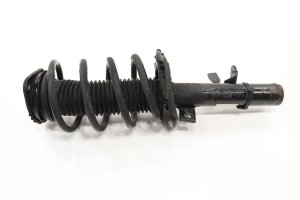
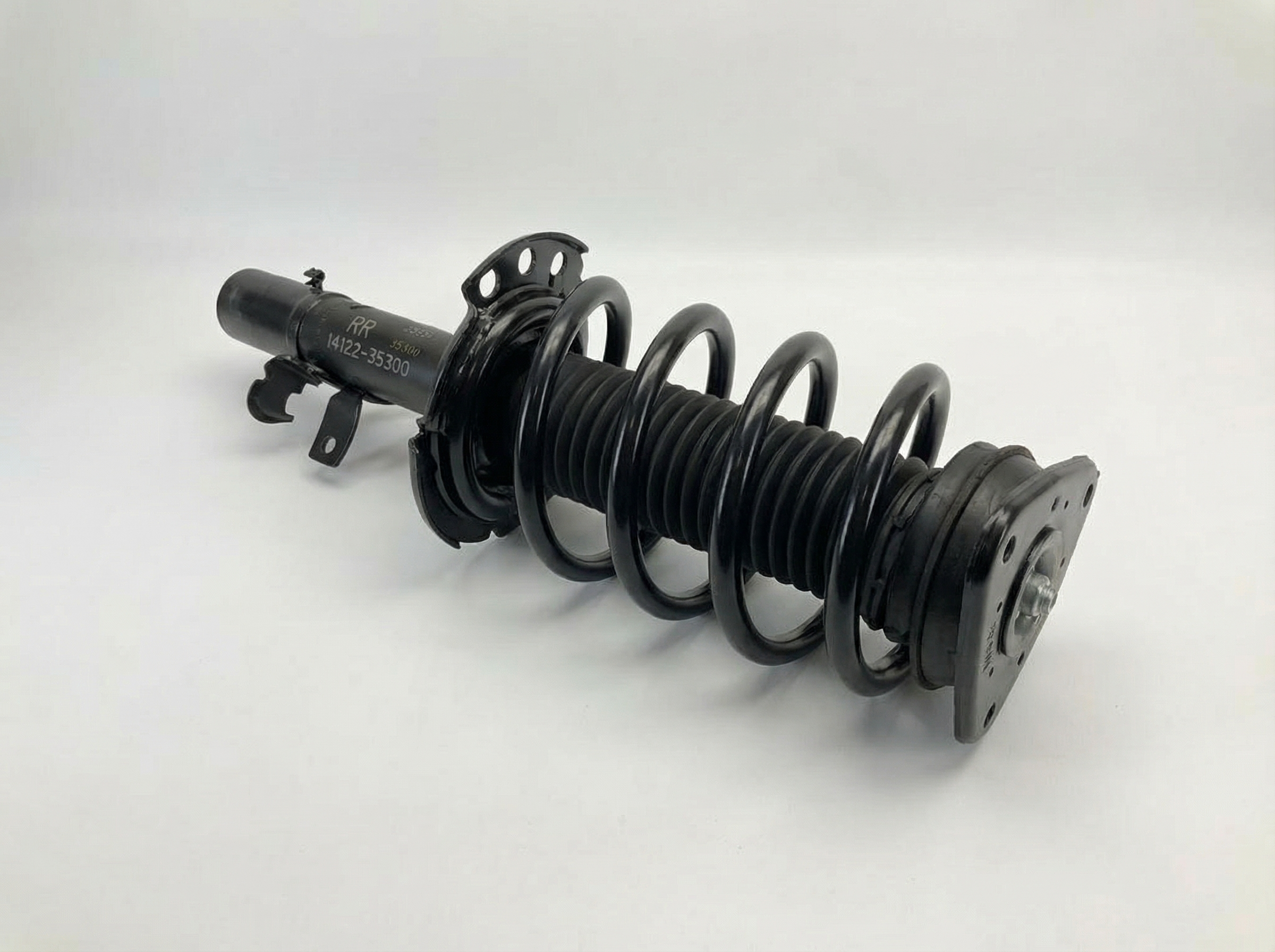
We Have This Part in Stock

The information in this article is provided for general reference and educational purposes only. Vehicle specifications, procedures, and part compatibility can vary by production date, trim level, and region. Always consult your vehicle's factory service manual and verify part numbers before purchasing or performing repairs. Safety-critical components such as airbags, seat belts, and braking systems should be installed by a qualified professional.
- Ford Transit Connect:
- 🎬 Helpful Videos
- 🛍️ Shop This Part
- Symptoms of a Failing Front Strut
- Noises: Clunking, Knocking, and Banging
- Poor Ride Quality and Handling
- Visible Signs and Tire Wear
- Known Issues, TSBs, and Recalls
- Buying a Used Suspension Strut
- Physical Inspection Checklist
- Mileage Considerations
- Replacement Overview and Labor Costs
- Cost Comparison
- Important Torque Specs
- Frequently Asked Questions (FAQ)
- 🎟️ Get 5% Off