

Diagnosing the 2019-2025 Genesis G70 Front End Clunk: A Strut and Suspension Guide
This guide details the common causes of front-end clunking noises in the Genesis G70, focusing on the front struts and how to correctly identify and replace them.
- Crucial Compatibility: You MUST verify if your G70 has standard suspension or the optional Electronic Control Suspension (ECS); the struts are not interchangeable.
- Common Symptom: A 'clunking' or 'knocking' noise from the front end over bumps is the most common sign of a failing strut, though sway bar links should also be checked.
- Limited Options: Standard aftermarket replacement struts are not widely available, making used OEM or new OEM parts the primary choices for replacement.
- Alignment is Required: A professional wheel alignment is mandatory after replacing front struts to prevent poor handling and premature tire wear.
Is Your Genesis G70 Making a Clunking Noise?

A common complaint among 2019-2025 Genesis G70 owners is a distinct clunking, knocking, or thumping sound from the front suspension, especially when driving over bumps or uneven road surfaces. While several parts can cause this, a failing front strut is a frequent culprit. This guide will help you diagnose the problem, understand your replacement options, and ensure you purchase the correct part for your vehicle.
Compatibility Warning: The single most important step is correctly identifying your vehicle's suspension. This guide focuses on the standard, non-electronic suspension strut for Rear-Wheel Drive (RWD) models. Genesis offered an optional Electronic Control Suspension (ECS), also called adaptive dampers. The standard and ECS struts are not interchangeable. Installing the wrong part will result in improper fitment, poor handling, and potential error messages.
How to Tell if You Have Standard or Electronic (ECS) Suspension
- Vehicle Settings: The easiest way to check is in your car's infotainment system. Navigate to Vehicle Settings -> Drive Mode -> Custom. If you see an option to adjust the 'Suspension' (between Comfort, Sport, Sport+, etc.), your car is equipped with ECS. If this option is missing, you have the standard suspension.
- Trim Level: Generally, the ECS was included in higher-tier packages like the 3.3T Sport Prestige. However, always verify using the vehicle settings, as packages can vary by model year.
- Visual Inspection: ECS struts will have an electrical wire and connector coming out of the top or side of the strut body to control the damping. The standard strut will have no such wiring.
Symptoms of a Failing Genesis G70 Strut


A bad strut can make itself known in several ways. Listening and feeling how your car behaves are key to diagnosis.
1. Clunking, Knocking, or Thumping Noises
This is the most reported symptom. You'll typically hear a 'clunk' or 'thump' when the front wheels go over bumps, potholes, or even small driveway lips. The sound is often described as a loose, heavy part moving around. Some owners have noted a single clunk when first driving off after the car has been parked. While struts are a likely cause, this noise can also come from worn sway bar end links or control arm bushings, which are also known issues on the G70.
2. Leaking Hydraulic Fluid
The strut is filled with hydraulic fluid to absorb shocks. If the internal seals fail, this fluid can leak out. Look for an oily, wet film covering the strut body. A light film of oil near the top is sometimes normal, but active drips or a strut body coated in grime-attracting oil is a sure sign of failure.
3. Poor Ride Quality and Handling
As struts wear out, their ability to control suspension movement degrades. You might notice:
- Excessive Bouncing: After hitting a bump, the car may continue to bounce or rock instead of settling immediately.
- Nose-Diving: The front end of the car may dip excessively when you apply the brakes.
- Swaying or Instability: The car might feel less stable at highway speeds or 'sway' on curves, requiring more steering correction to stay centered.
- Uneven Tire Wear: Worn struts can lead to cupping on your tires, which appears as a pattern of scalloped dips around the tire's edge.
Known Issues, TSBs, and Recalls
As of early 2026, there are no specific recalls or Technical Service Bulletins (TSBs) issued by Genesis or the NHTSA for the standard suspension struts on the 2019-2025 G70. However, numerous owner complaints on forums describe having struts and related components like stabilizer links replaced under warranty for noise issues.
It's important to note that several other recalls exist for this vehicle generation, including for the ABS module, starter solenoid, and steering components. When checking a vehicle's history, ensure all applicable safety recalls have been addressed.
Buying a Used Genesis G70 Suspension Strut

Given the high cost of new parts and labor, a quality used OEM strut is an excellent value. However, the lack of readily available aftermarket alternatives means you must be diligent when buying used.
Why Used OEM is a Smart Choice
Currently, major aftermarket brands do not offer a direct replacement for the standard G70 strut assembly. This leaves buyers with two main options: a new OEM part from a dealer or a recycled OEM part. A used OEM strut from a low-mileage vehicle offers the same fit, finish, and performance as a new one at a fraction of the price.
Inspection Checklist for a Used Strut
- Confirm the Part Number: For the front driver side (LH) standard suspension, you are looking for part number 54650-G9040. The passenger side (RH) is 54660-G9040. Double-check compatibility for RWD vs. AWD and standard vs. ECS.
- Check for Leaks: The strut body should be dry and free of any significant oily residue. A dirty, grimy strut is a red flag for a past or present leak.
- Inspect the Piston Rod: The shiny chrome rod extending from the top should be smooth and free of pitting, rust, or damage. Any imperfections can tear the upper seal and cause failure.
- Examine the Spring: Check the coil spring for any cracks, heavy rust, or breaks. Ensure the protective coating is mostly intact.
- Assess the Mount: If the strut comes with the top mount attached, inspect the rubber for cracks or signs of separation from the metal.
- Mileage is a Factor: While struts can fail at any time, they are generally considered a wear item with a lifespan of around 80,000 miles. Prioritize parts from vehicles with lower mileage (under 60,000 miles) for the best longevity.
Cost of Replacement
Replacing struts is often done in pairs (both front struts at the same time) to ensure even handling and performance. The costs below reflect this, with part prices for a single strut and labor for a pair.
| Part/Service | Estimated Cost (Single Part) | Notes |
|---|---|---|
| New OEM Strut (Standard) | $270 - $380 | Part number 54650-G9040 (Left). |
| New OEM Strut (ECS) | $420 - $600 | For comparison; not interchangeable. |
| Used OEM Strut (Standard) | $125 - $200 | Dependent on mileage and availability. |
| New Aftermarket Strut | Not Widely Available | Standard replacements are not common as of early 2026. |
| Shop Labor (Pair) | $700 - $1,000 | Labor to replace both front struts. An alignment is required after. |
Installation Tips and Torque Specs
Replacing a strut is a job for an experienced DIYer or a professional mechanic. It involves disassembling key suspension components and requires a final wheel alignment.
Pro Tip: Always replace struts in pairs. Replacing only one can cause unpredictable handling and instability.
Key Steps and Considerations
- Disconnect Related Parts: The sway bar end link and any brake line or wheel speed sensor brackets must be disconnected from the strut body.
- Mark the Camber Bolt: The upper of the two large bolts connecting the strut to the steering knuckle is often an eccentric (cam) bolt for adjusting camber. Before loosening, use a paint marker to trace the position of the bolt and washer so you can get the alignment close upon reassembly.
- Support the Knuckle: Do not let the steering knuckle and brake assembly hang by the brake hose or axle shaft. Use a jack stand or bungee cord to support its weight.
- Get an Alignment: A professional wheel alignment is mandatory after replacing struts. Failure to do so will result in poor handling and rapid, uneven tire wear.
Torque Spec Warning: The following torque specifications are compiled from general automotive guides and forum discussions; they are NOT official Genesis factory specs. Always consult a factory service manual for your specific vehicle. Over or under-tightening suspension components can be dangerous.
- Top Three Strut Mount Nuts: ~15-35 ft-lbs
- Strut-to-Knuckle Bolts (Lower two): ~100-125 ft-lbs
- Sway Bar End Link Nut: ~30-80 ft-lbs
Frequently Asked Questions
Do I need to replace the strut mount at the same time?
It is highly recommended. The strut mount contains a rubber insulator and often a bearing that wears out over time. Replacing it with the strut is cost-effective as it saves on future labor and ensures the entire assembly is new. Some OEM parts sellers note that certain mounting bolts are single-use and should be replaced.
Can a bad strut cause other parts to fail?
Yes. Driving on worn struts allows for excessive suspension movement, which accelerates wear on other components like ball joints, control arm bushings, tie rod ends, and sway bar links. It can also cause uneven wear on your tires.
Is this the same strut as on the Kia Stinger?
The Genesis G70 and Kia Stinger share a platform, and many suspension parts are similar or identical. For example, some strut mounts are listed for both vehicles. However, you must always verify the specific part number for your G70's exact year, model, and suspension type before purchasing.
Why can't I find aftermarket struts from brands like KYB or Monroe?
As of early 2026, the aftermarket has been slow to produce standard replacement struts for the G70. This can be due to lower production numbers compared to mainstream sedans or the complexity of the different suspension options (RWD/AWD, ECS/Standard). This makes OEM parts (new or used) the primary option for most owners.
Technical Specifications
OEM Part Numbers: 54650-G9040 (Front Left, RWD, Standard Suspension) 54660-G9040 (Front Right, RWD, Standard Suspension) 54608-G9001 (Front Left Strut Mount, WITH ECS) 54608-J5000 (Front Strut Mount, Standard)
Fits 2019-2025 Genesis G70 with Rear-Wheel Drive (RWD) and standard (non-electronic) suspension.
We Have This Part in Stock
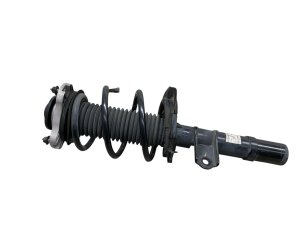

The information in this article is provided for general reference and educational purposes only. Vehicle specifications, procedures, and part compatibility can vary by production date, trim level, and region. Always consult your vehicle's factory service manual and verify part numbers before purchasing or performing repairs. Safety-critical components such as airbags, seat belts, and braking systems should be installed by a qualified professional.
- Genesis G70:
- 🛍️ Shop This Part
- Is Your Genesis G70 Making a Clunking Noise?
- How to Tell if You Have Standard or Electronic (ECS) Suspension
- Symptoms of a Failing Genesis G70 Strut
- 1. Clunking, Knocking, or Thumping Noises
- 2. Leaking Hydraulic Fluid
- 3. Poor Ride Quality and Handling
- Known Issues, TSBs, and Recalls
- Buying a Used Genesis G70 Suspension Strut
- Why Used OEM is a Smart Choice
- Inspection Checklist for a Used Strut
- Cost of Replacement
- Installation Tips and Torque Specs
- Key Steps and Considerations
- Frequently Asked Questions
- 🎟️ Get 5% Off