

2003-2015 Honda Civic Suspension Struts: Noises, Leaks, and Replacement Guide
This guide covers common strut problems, compatibility issues, and replacement costs across the 7th, 8th, and 9th generations of the Honda Civic.
- Compatibility is extremely specific; you must match the strut to the Civic's generation (7th, 8th, 9th), body style (Coupe/Sedan), and engine (Si vs. non-Si).
- On 8th generation Civics (2006-2011), a clunking noise from the front right is often a failed engine mount, not a bad strut.
- Always replace struts in pairs (both front or both rear) and perform a wheel alignment immediately after replacing front struts to prevent tire damage.
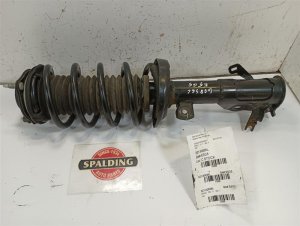
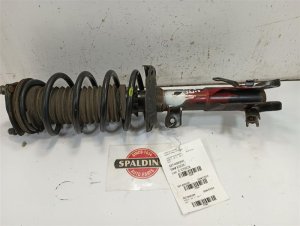
- When buying used, prioritize low-mileage struts (under 80,000 miles) and carefully inspect for fluid leaks and damage to the piston rod.
Generation-Specific Differences (2003-2015)
The 2003-2015 model years span three distinct generations of the Honda Civic, each with unique suspension characteristics. It is critical to identify your vehicle's generation to ensure you get the correct parts.
7th Generation (2003-2005)
These models use a front strut assembly and a separate rear shock and spring. A common issue on these cars is noise from worn strut mounts and bushings. The standard engine is a 1.7L SOHC. Struts from performance Si or Hybrid models are not interchangeable.
8th Generation (2006-2011)
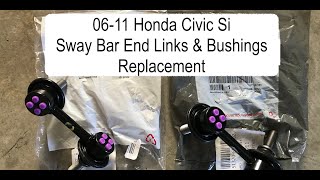
This generation is known for front-end clunking noises. While struts can be the cause, it's also very common for the passenger-side engine mount to fail 🎬 Watch: How to diagnose this common 8th gen front-end clunk., creating a similar sound. Always inspect the engine mounts before condemning the struts. Compatibility is specific to body style (Coupe vs. Sedan) and engine (1.8L vs. 2.0L Si). Sway bar end links are another frequent source of noise 🎬 See this walkthrough for replacing sway bar links and bushings. on these models.
9th Generation (2012-2015)
The 9th generation continued with a similar front strut design. Some owners report a creaking or popping noise from the front suspension when turning at low speeds. Honda issued a Technical Service Bulletin (TSB #23-094) for this issue on 2022-2025 models, which may also be relevant to earlier years, attributing the noise to the bump stop contacting the damper body. The prescribed fix is to apply special silicone grease to the bump stops. Compatibility remains strict, with different parts for Sedan and Coupe models, as well as the standard 1.8L and the performance 2.4L Si engines.
Symptoms of Failure
Worn struts degrade gradually, but certain signs indicate it's time for a replacement.
Clunking, Knocking, or Popping Noises
This is one of the most common symptoms. You may hear a clunking or knocking sound when driving over bumps, which is caused by metal-to-metal contact as the worn strut bottoms out. A popping or creaking noise when turning can point to worn strut mounts or bearings.
A Bouncy or Unstable Ride
If your Civic feels excessively bouncy after hitting a bump or feels unstable and sways when cornering, the struts are no longer effectively dampening the spring's movement. This can also manifest as the front end "diving" forward during braking or the rear end "squatting" during acceleration.
Uneven or "Cupped" Tire Wear
When struts are worn, they can allow the tire to bounce slightly as it rolls down the road. This action scrapes small patches of rubber off the tire, creating a scalloped or "cupped" wear pattern. This is a clear sign of a suspension problem and can ruin a good set of tires.
Visible Fluid Leaks
Struts are filled with hydraulic fluid. If you see oily fluid leaking down the side of the strut body, the internal seal has failed, and the strut must be replaced. A light film of oil might be normal, but any active dripping is a sign of failure.
Warning: While some suspension noises on 8th generation (2006-2011) Civics sound like bad struts, a failed passenger-side engine mount is a very common cause of a clunking sound from the front right of the vehicle. Inspect engine mounts carefully before ordering suspension parts.
Buying a Used Suspension Strut
A low-mileage used OEM strut can be a great value, often providing better performance and longevity than a cheap new aftermarket part. Here’s what to look for.
What to Physically Inspect
- Check for Leaks: The strut body should be dry. Any sign of wet, oily residue indicates a failed seal.
- Inspect the Rod: The chrome-plated piston rod extending from the top should be smooth and clean. Any rust, pitting, or damage will quickly destroy the new seal and cause it to fail.
- Examine the Strut Mount: Check the rubber on the upper strut mount for cracks, dry rot, or separation. The bearing in the mount should turn smoothly without binding.
- Check the Spring: Inspect the coil spring for any cracks, breaks, or heavy corrosion that could weaken it. Ensure the protective coating is mostly intact.
Mileage and Lifespan
Original Honda struts typically last between 50,000 and 100,000 miles, depending on driving conditions. A used strut from a vehicle with 40,000-60,000 miles is an excellent candidate. Avoid parts from vehicles with over 100,000 miles, as they are likely near the end of their service life.
Verifying Compatibility
This is the most critical step. Strut compatibility for the Honda Civic is highly specific. You must match the part to your vehicle's:
- Year and Generation: (e.g., 2005 vs. 2006 vs. 2013)
- Body Style: 2-Door Coupe or 4-Door Sedan
- Trim Level / Engine: DX, LX, EX (1.7L/1.8L), Si (2.0L/2.4L), or Hybrid models all use different struts with specific spring rates and damping.
Replacement Information
Related Parts to Replace
It is highly recommended to replace struts in pairs (both front or both rear) to maintain balanced handling. When replacing a strut, it's also best practice to install a new strut mount and boot/bellows kit. The rubber in the old mount is likely just as worn as the strut itself, and a new boot protects the new strut's seals from dirt and debris. Inspecting the sway bar end links for play is also a good idea, as they are often removed during the process and are a common source of noise.
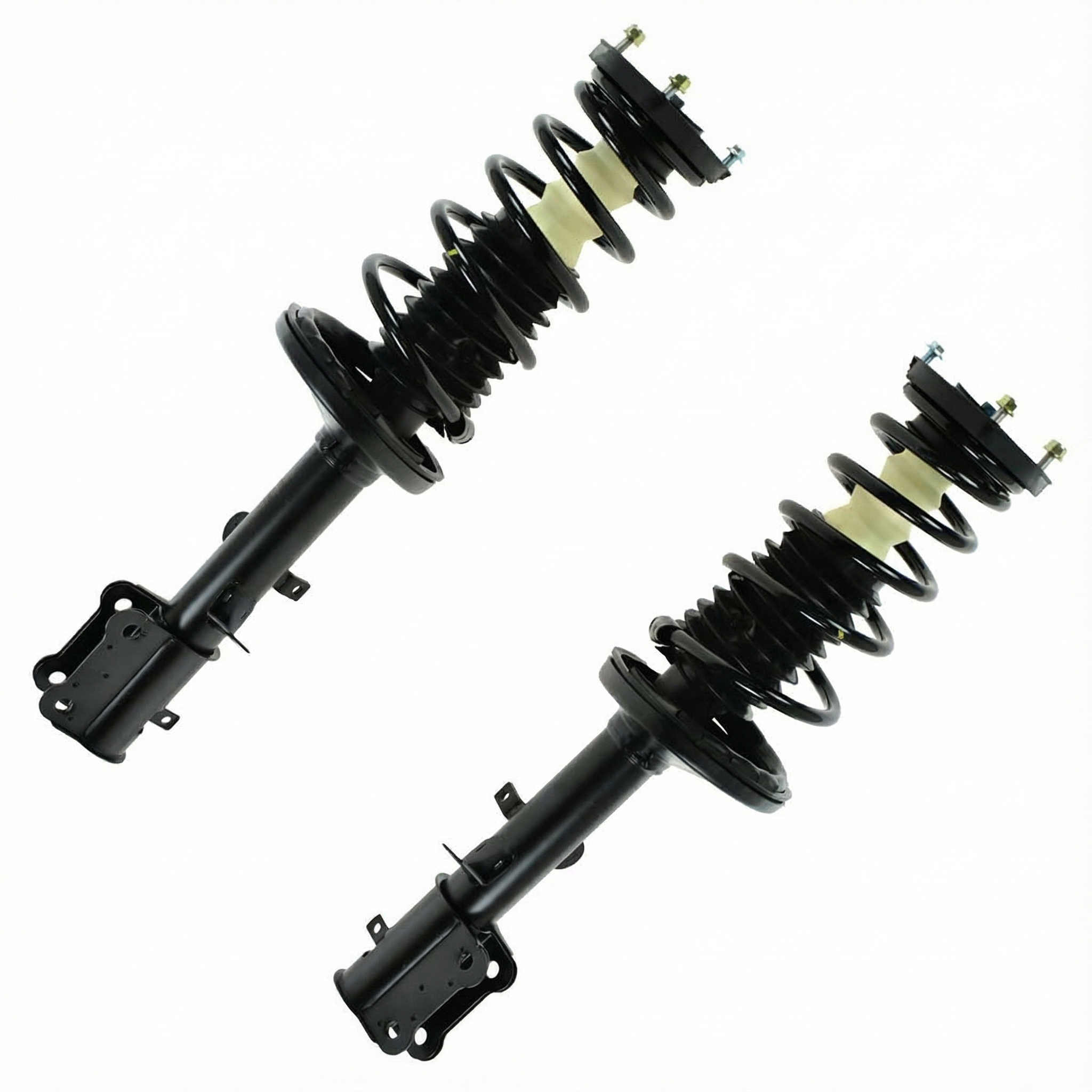
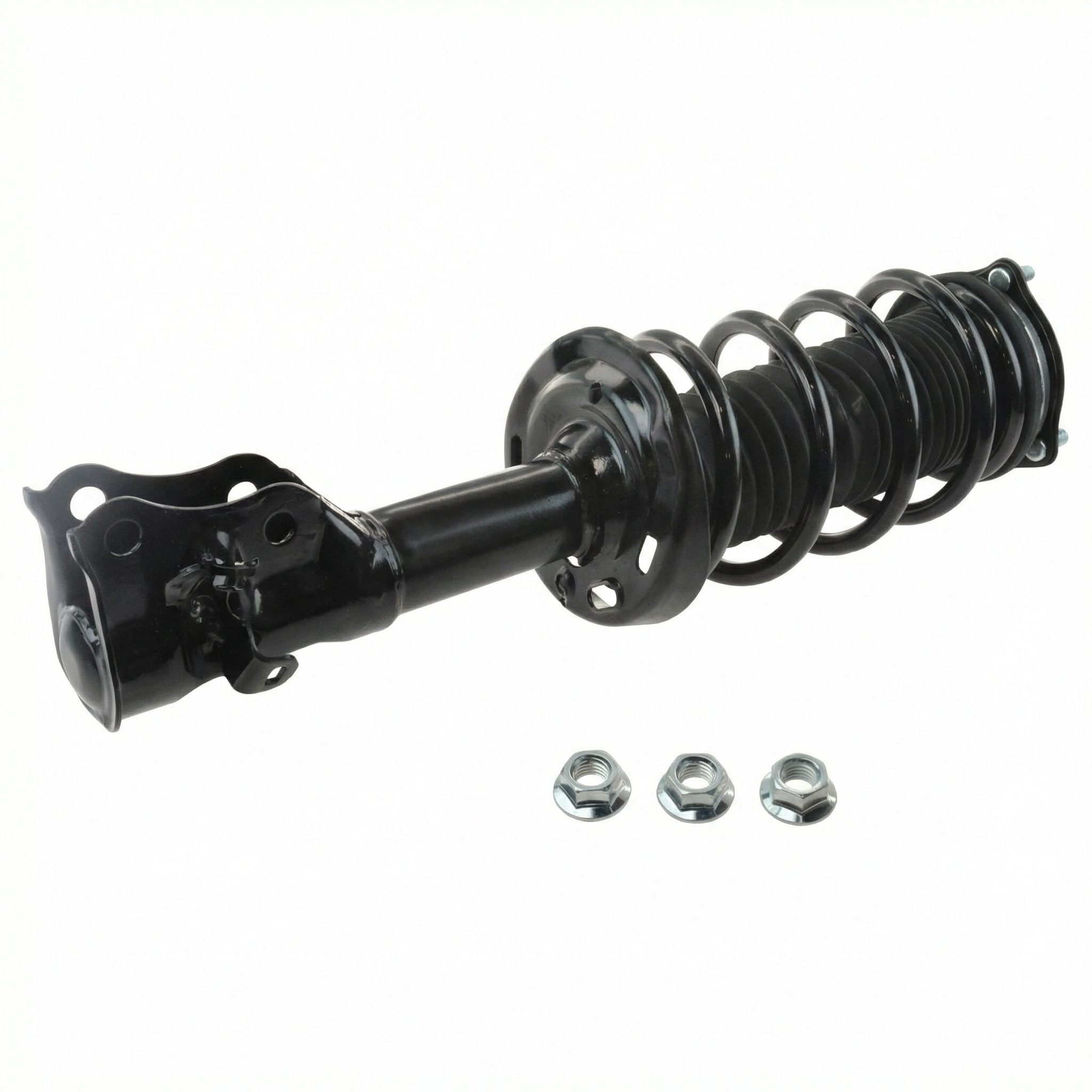
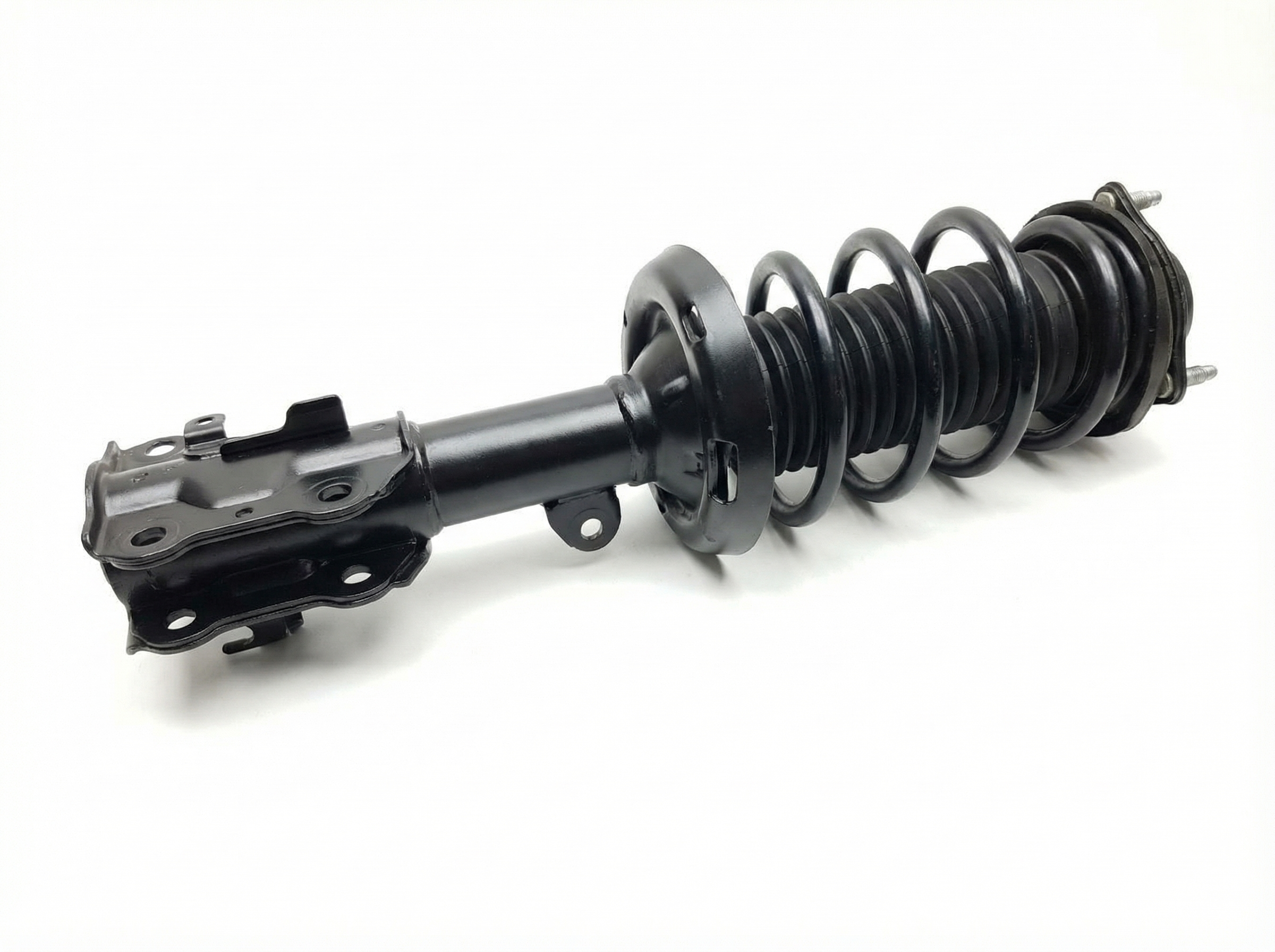
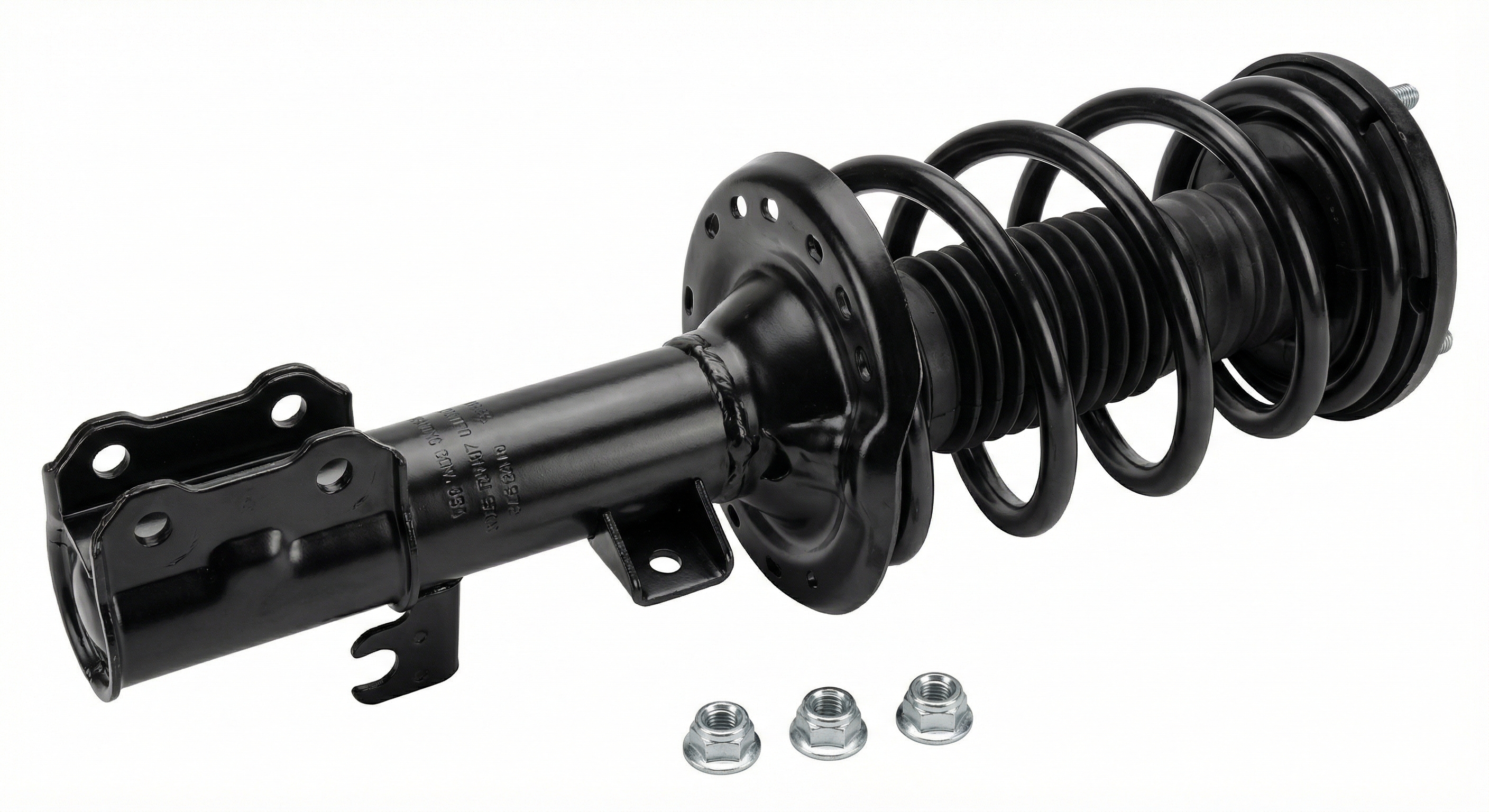
Pro Tip: A complete "quick strut" or "loaded strut" assembly, which includes a new strut, spring, mount, and boot, can save significant labor time and eliminates the need for a dangerous spring compressor tool.
Special Procedures: Wheel Alignment
Replacing the front struts will affect your vehicle's wheel alignment. A professional four-wheel alignment is required after installation to prevent premature tire wear and ensure safe handling.
Cost Breakdown
Prices can vary based on location, brand, and vehicle specifics. The following is an estimated cost for replacing a pair of front struts.
| Part/Service | Estimated Cost |
|---|---|
| New OEM Strut Assembly (Pair) | $400 - $600 |
| New Aftermarket Strut Assembly (Pair) | $150 - $350 |
| Used OEM Strut Assembly (Pair) | $100 - $250 |
| Shop Labor (Pair) | $350 - $550 |
| Wheel Alignment | $80 - $150 |
Frequently Asked Questions (FAQ)
Do I have to replace my struts in pairs?
Yes. It is essential to replace both front struts or both rear shocks at the same time. Replacing only one can lead to unbalanced handling, unpredictable steering, and uneven braking because the damping rates will be different side-to-side.
Is a wheel alignment really necessary after replacing struts?
Absolutely. The front struts are a key component in the suspension geometry. Removing and installing them will change the camber and toe alignment settings. Skipping the alignment will cause rapid and uneven tire wear and can make the vehicle handle poorly.
What's the difference between a strut and a shock absorber?
A shock absorber's only job is to dampen spring oscillations. A strut is a shock absorber that is also a structural part of the suspension. It incorporates the shock and spring into one assembly and provides a pivot point for the steering system. All 2003-2015 Civics use struts in the front, but the rear suspension design varies by generation.
Can I use Si struts on my standard Civic for a performance upgrade?
This is generally not recommended as a direct swap. Si models have different spring rates, damping characteristics, and sometimes different mounting points or sway bar connections. Attempting to install Si struts on a non-Si model can result in an improper ride height, poor handling, and alignment issues.
Helpful Videos

Technical Specifications
OEM Part Numbers: 51611-TR0-A23 51611-TR0-A22
Specifications vary significantly by generation, body style, and trim level. Always verify fitment using the vehicle's VIN or original part number.
We Have This Part in Stock

The information in this article is provided for general reference and educational purposes only. Vehicle specifications, procedures, and part compatibility can vary by production date, trim level, and region. Always consult your vehicle's factory service manual and verify part numbers before purchasing or performing repairs. Safety-critical components such as airbags, seat belts, and braking systems should be installed by a qualified professional.
- Honda Civic:
- 🎬 Helpful Videos
- 🛍️ Shop This Part
- Generation-Specific Differences (2003-2015)
- 7th Generation (2003-2005)
- 8th Generation (2006-2011)
- 9th Generation (2012-2015)
- Symptoms of Failure
- Clunking, Knocking, or Popping Noises
- A Bouncy or Unstable Ride
- Uneven or "Cupped" Tire Wear
- Visible Fluid Leaks
- Buying a Used Suspension Strut
- What to Physically Inspect
- Mileage and Lifespan
- Verifying Compatibility
- Replacement Information
- Related Parts to Replace
- Special Procedures: Wheel Alignment
- Cost Breakdown
- Frequently Asked Questions (FAQ)
- 🎟️ Get 5% Off