

Hyundai Accent Strut Guide (2007-2022): Noises, Leaks, and Generation-Specific Fitment
Diagnose a bad strut, understand the key differences between Accent generations, and learn how to choose a quality used replacement.
- Struts must be replaced in pairs to ensure vehicle stability and safe handling.
- A mandatory four-wheel alignment is required after replacing front struts to prevent tire damage.
- For 2018-2022 models, strut compatibility is dependent on the transmission type (CVT vs. 6-speed automatic), which changed mid-2019.
- The most common failure symptoms are a bouncy ride, clunking noises over bumps, and visible fluid leaks on the strut body.
Vehicle Generation Guide: 2007-2022 Hyundai Accent

The Hyundai Accent underwent several redesigns between 2007 and 2022. Suspension parts are not interchangeable between these generations. Always verify the model year of the donor vehicle when purchasing a used strut.
- Third Generation (MC): 2007–2011
- Fourth Generation (RB): 2012–2017
- Fifth Generation (YC): 2018–2022
Symptoms of a Failing Hyundai Accent Strut
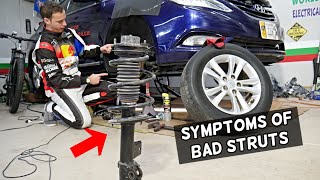
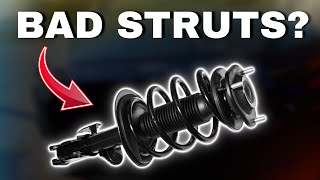
🎬 Watch: A visual guide to common Hyundai strut failure symptoms.
When a front strut begins to fail, it provides several distinct clues. Paying attention to these signs can help you diagnose the problem before it leads to more significant issues like unsafe handling or accelerated tire wear.
Noises and Vibrations
- Clunking or Knocking: A common symptom is a clunking or knocking sound when driving over bumps, potholes, or uneven road surfaces. This is often caused by internal wear in the strut or by worn strut mounting components.
- Popping or Grinding When Turning: A clicking, popping, or grinding noise when turning the steering wheel often points to a worn or binding bearing inside the upper strut mount.
- Squeaking or Rattling: Worn-out suspension components, including struts and their mounts, can produce rattling or squeaking noises, especially on bumpy roads.
Changes in Handling and Ride Quality
- Bouncy or Floating Ride: The most noticeable symptom is a very bouncy ride. After hitting a bump, the car may continue to bounce several times instead of settling immediately. This indicates the shock-absorbing function has failed.
- Nose-Diving When Braking: If the front end of the car dips excessively forward when you apply the brakes, it's a strong sign of worn front struts.
- Swaying or Body Roll: A feeling that the car is unstable, sways, or rolls excessively during turns or lane changes points to failing struts.
Visual Signs
- Fluid Leaks: The strut body is filled with hydraulic fluid. If you see oily, wet residue on the outside of the strut, the seal has failed and the fluid is leaking out. This is a clear sign the strut needs immediate replacement.
- Uneven Tire Wear ("Cupping"): Failing struts can cause a specific type of tire wear called "cupping," which appears as scalloped dips in the tread. This happens because the tire is bouncing as it travels down the road instead of maintaining firm contact.
Known Issues, Recalls, and Technical Service Bulletins (TSBs)

While there are no widespread recalls specifically for Hyundai Accent struts, owners have reported issues with premature wear and noise. Several TSBs have been issued for general suspension and vibration diagnosis.
- TSB #20-SS-001H: This bulletin from February 2020 provides best practices for diagnosing and repairing wheel alignment issues, which are often necessary after strut replacement.
- TSB #20-SS-004H: Issued in November 2020, this TSB details procedures for diagnosing and correcting tire vibration issues, which can be a symptom of or related to strut failure.
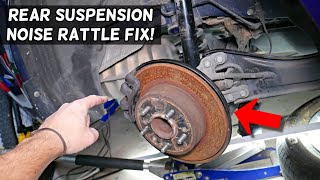
- Owner Complaints: Across forums, owners of the 4th generation (2012-2017) Accent in particular have noted a harsh ride and clunking noises from the rear shocks 🎬 Watch: How to diagnose and fix rear suspension rattle noises. and front struts, sometimes requiring replacement at relatively low mileage.
Warning: The 5th generation (2018-2022) Accent has a critical part difference for the front struts. For 2018-2019 models, the correct part depends on the vehicle's production date. Part number 54650-J0000 fits models built up to May 14, 2019, which used a 6-speed automatic transmission. Later models with the CVT automatic transmission use a different part. Always verify compatibility before purchasing.
Buying a Used 2007-2022 Hyundai Accent Strut: What to Look For

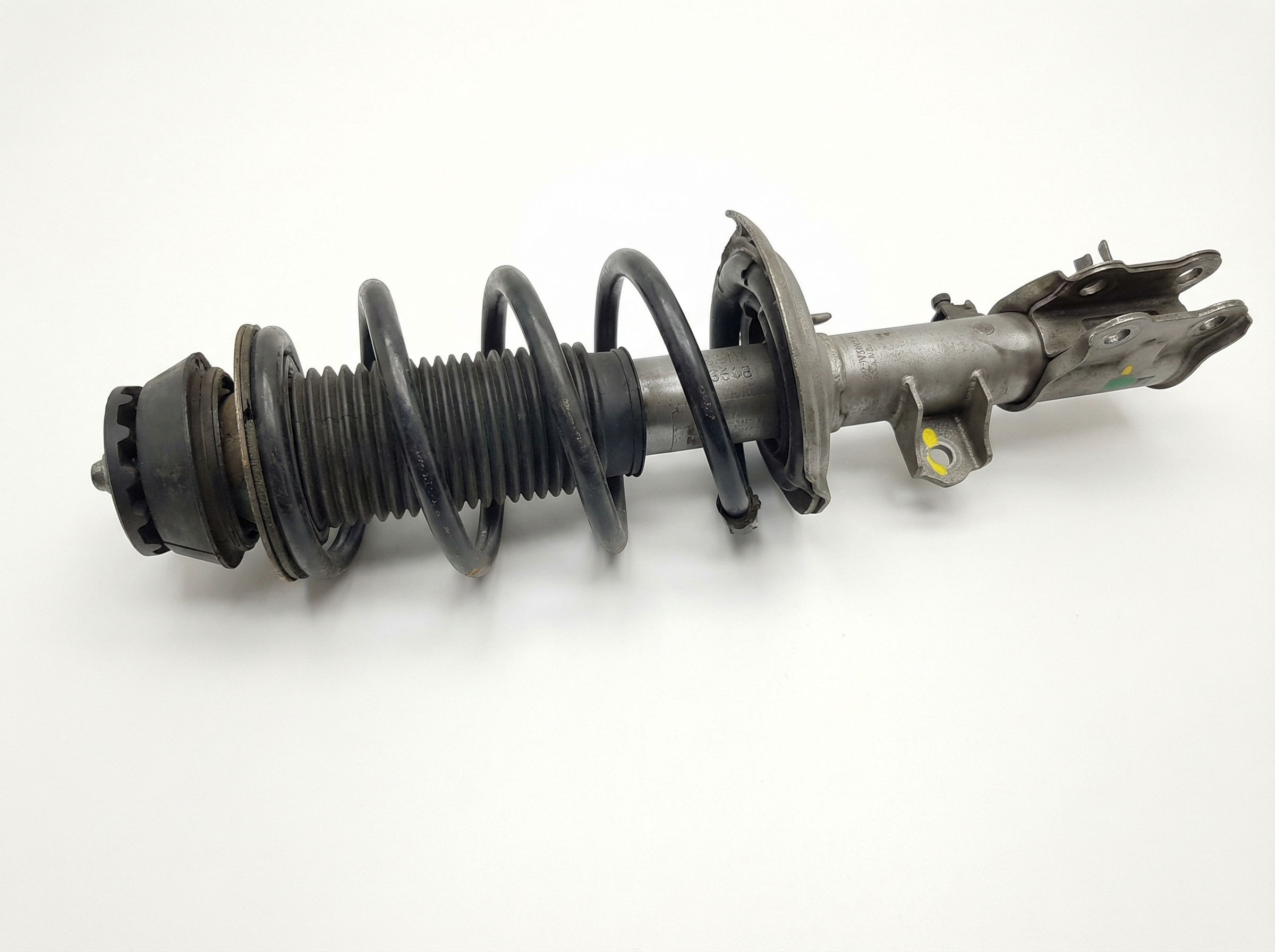
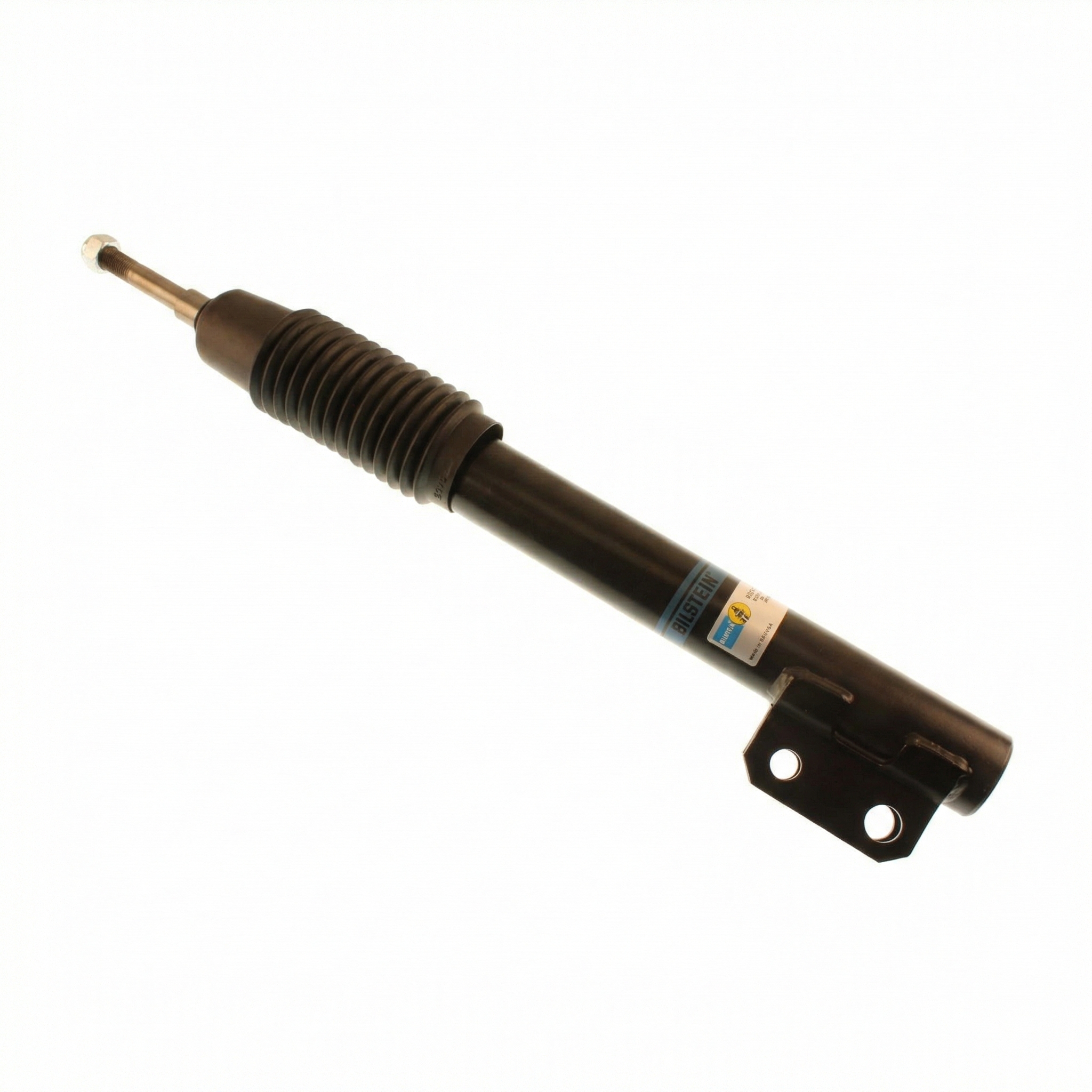
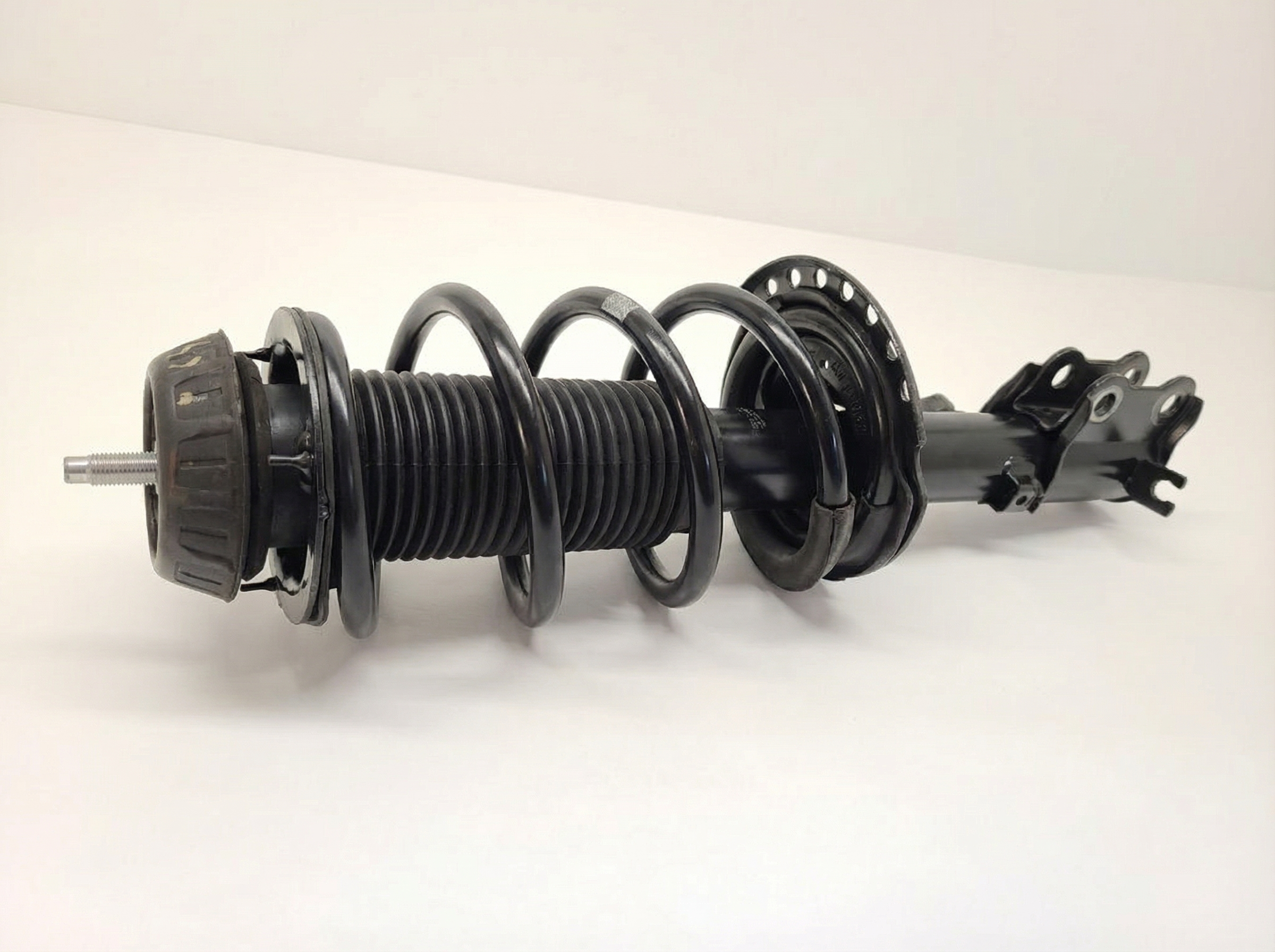
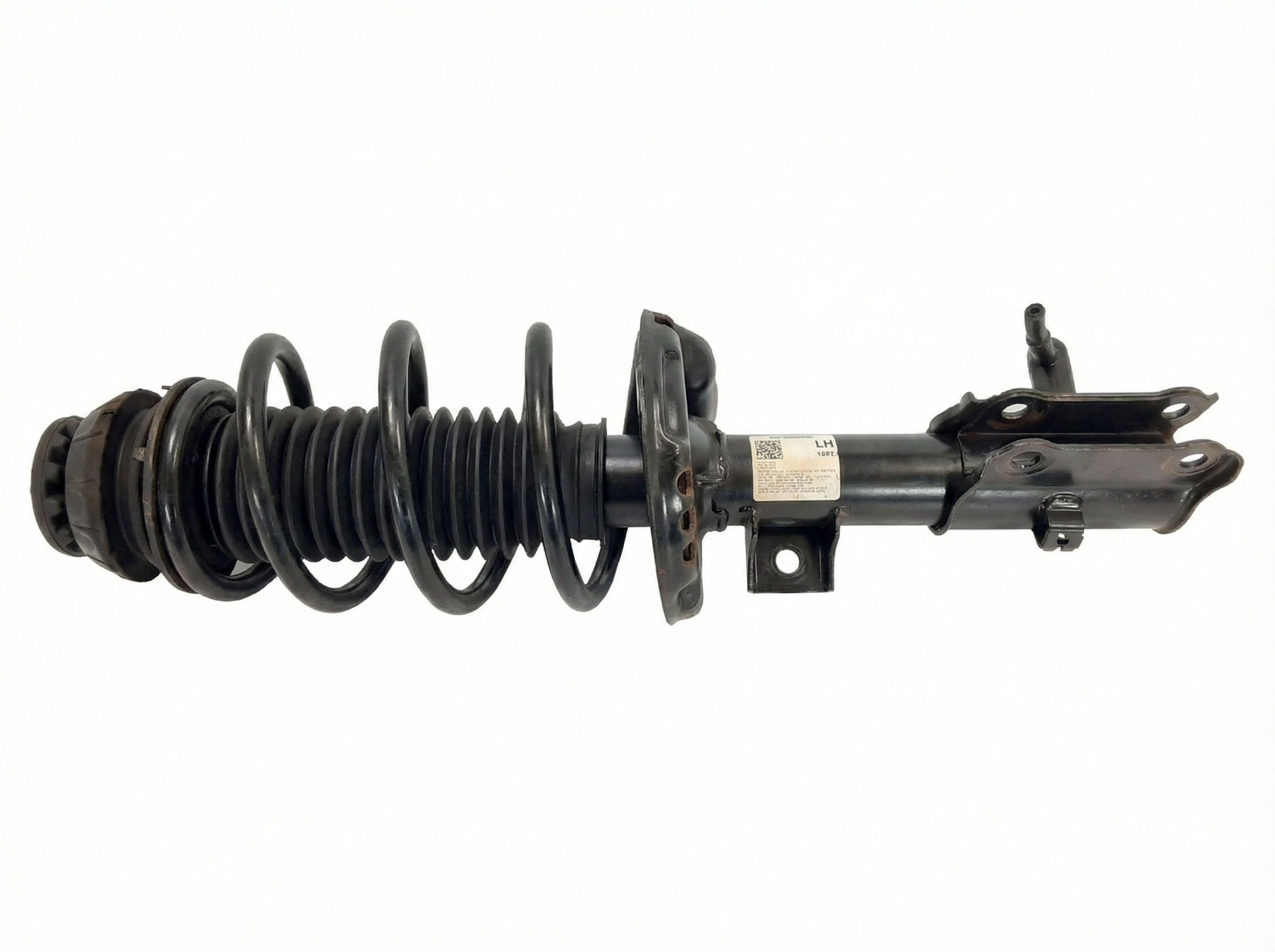
A used OEM strut assembly can be a cost-effective alternative to new parts, but a thorough inspection is crucial. You are almost always buying the complete assembly, which includes the strut, spring, and mount.
- Check for Leaks: This is the most important check. Inspect the entire strut body for any signs of oily residue. A leaking strut has lost its damping fluid and is no longer functional.
- Examine the Piston Rod: The shiny chrome rod extending from the top should be perfectly straight, smooth, and free of rust or pitting. A bent or damaged rod will quickly destroy the new seal and cause leaks.
- Inspect the Dust Boot: Check the flexible rubber dust boot for rips or tears. A damaged boot allows dirt and moisture to get to the strut's seal, causing premature failure.
- Check the Upper Mount: Look at the rubber in the upper strut mount. It should be intact, without major cracks or signs of separation from the metal. A bad mount can cause clunking noises.
- Inspect the Coil Spring: Look for heavy rust, cracks, or breaks in the coil spring. A broken spring is a major safety hazard and the part should be rejected.
- Verify Mileage and Generation: Struts are a wear item. A strut from a low-mileage vehicle is always preferable. Aim for parts under 80,000 miles if possible. Most importantly, ensure the strut comes from the same generation Accent as your vehicle.
Pro Tip: Struts should always be replaced in pairs (both front struts or both rear shocks) to ensure even damping and predictable handling. Replacing only one can lead to vehicle instability, especially in emergency maneuvers.
Cost Comparison
Prices can vary by generation, location, and supplier. The following is an estimated breakdown for a single front strut assembly.
| Part Type | Estimated Cost (per strut) |
|---|---|
| New OEM | $180 - $325 |
| New Aftermarket (Complete Assembly) | $70 - $140 |
| Used OEM | $50 - $120 |
| Shop Labor | $140 - $242 |
Replacement Information and Torque Specs
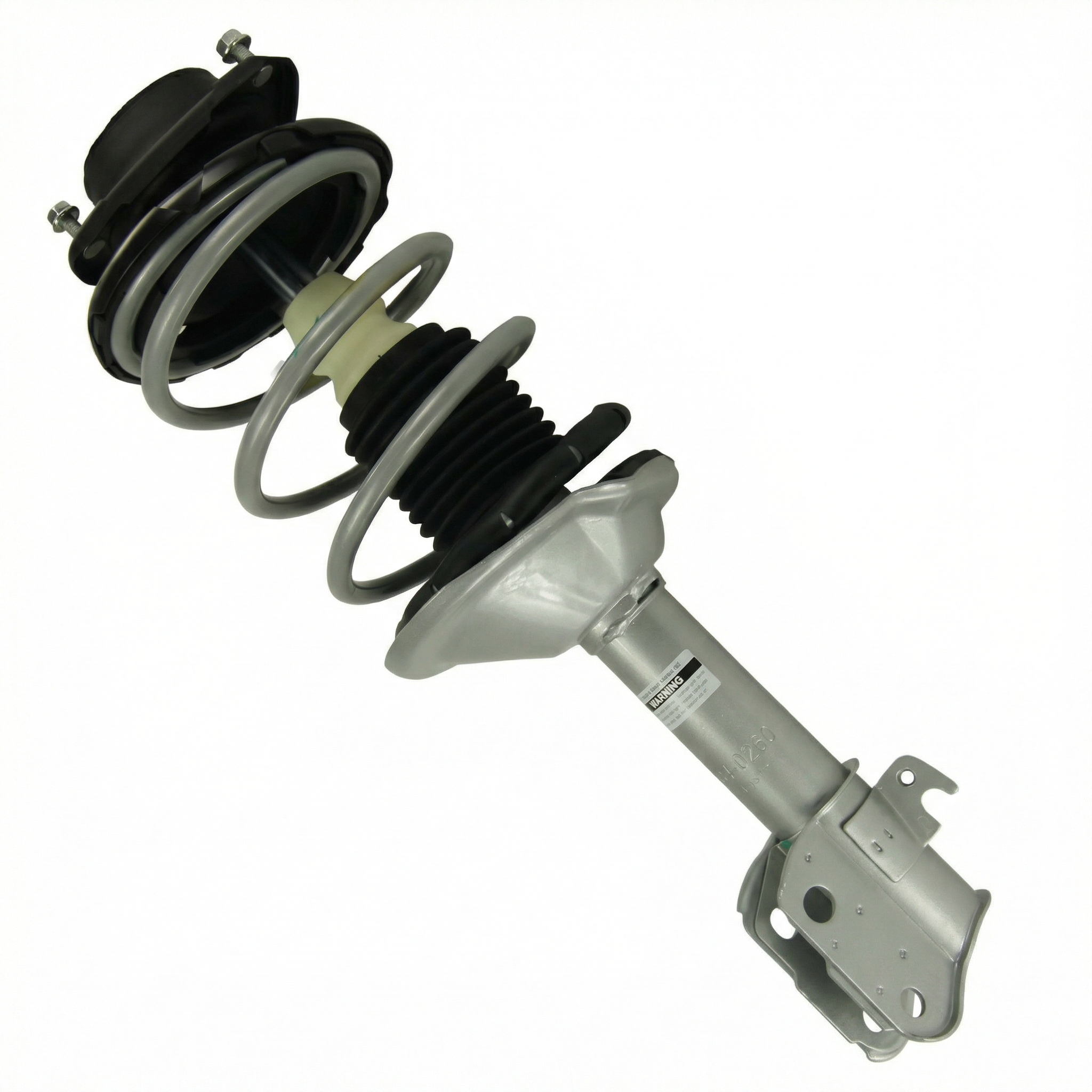
Replacing a front strut is a job for an experienced DIYer or a professional. It involves disassembling key suspension components. A complete strut assembly (or "quick strut") is highly recommended as it eliminates the need for a dangerous spring compressor.
Related Parts to Consider Replacing
- Strut Mount: If not buying a complete assembly, it's wise to replace the mount.
- Sway Bar Links: These small links connect the sway bar to the strut and often wear out at the same time, causing clunking noises.
- Outer Tie Rod Ends: Inspect for play, as they are part of the steering linkage connected to the knuckle.
Key Torque Specifications (4th Gen, 2012-2017)
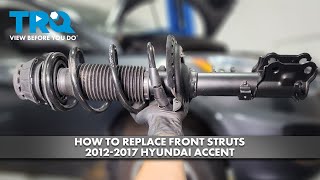
🎬 See this step-by-step walkthrough for replacing your front struts.Torque specs can vary by generation. The following are for the RB Accent and should be used as a guide only. Always consult a model-specific repair manual.
| Component | Torque Spec | Source |
|---|---|---|
| Strut-to-Knuckle Bolts | 100-115 ft-lbs | |
| Sway Bar Link Nut | 29-40 ft-lbs | |
| Upper Strut Mount Nuts (to body) | ~15 ft-lbs | |
| Strut Piston Rod Center Nut | ~40 ft-lbs | |
| Wheel Lug Nuts | ~80 ft-lbs |
Important: A four-wheel alignment is mandatory after replacing front struts. Failure to do so will result in poor handling and rapid, uneven tire wear.
Frequently Asked Questions (FAQ)
Can I replace just one strut?
No. Struts should always be replaced in pairs (both front or both rear) to maintain balanced suspension and safe handling. A new strut will have different damping characteristics than the old one on the other side, which can make the vehicle unstable.
What's the difference between a strut and a shock absorber?
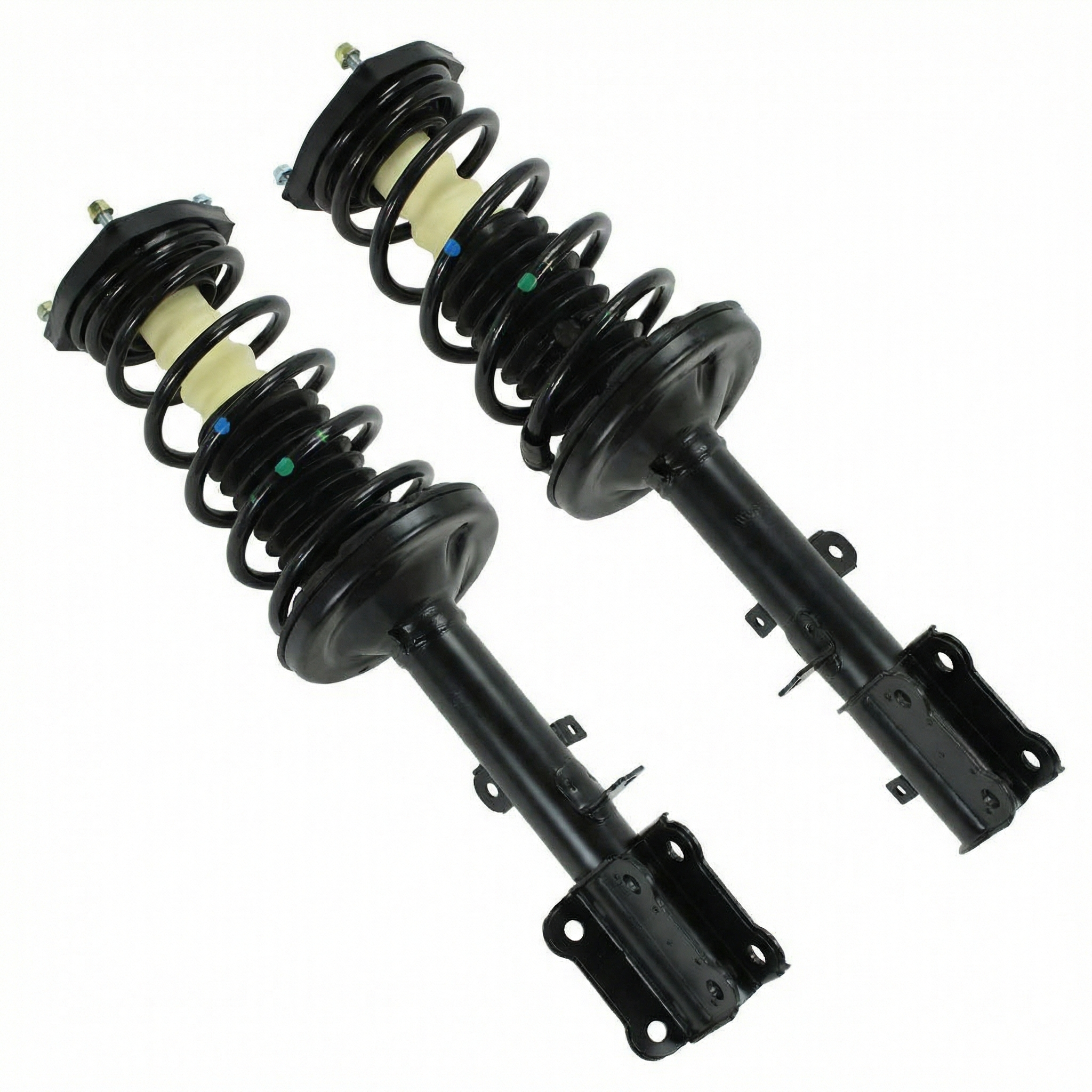
A shock absorber is simply a hydraulic damper. A strut is a more complex assembly that includes the shock absorber as an internal component, but also incorporates the coil spring and serves as a structural part of the suspension and steering system. The Accent uses struts in the front and simpler shock absorbers in the rear.
Do I need a spring compressor to change my Accent's front strut?
Only if you are replacing the bare strut cartridge and reusing your old coil spring. This is not recommended for most people as spring compressors can be very dangerous. It is much safer and easier to install a complete strut assembly, which comes pre-assembled with a new spring, mount, and boot.
Will a bad strut cause my ABS light to come on?
Typically, a bad strut itself will not trigger the ABS light. However, during replacement, care must be taken with the ABS wheel speed sensor wire that is often clipped to the strut body. If this wire is damaged or not reconnected properly, it will cause an ABS fault.
Helpful Videos
Technical Specifications
OEM Part Numbers: 54650-J0000 54650-J0020 54660-1R201 54660-J0000 54660-J0020 546601E100 546601E150 546601E200 546601G100 546601R000 546601R001 546601R061 546601R200 546601R201 54660J0050
Fitment is specific to vehicle generation: 3rd Gen (2007-2011), 4th Gen (2012-2017), and 5th Gen (2018-2022). Parts are not interchangeable between generations.
We Have This Part in Stock

The information in this article is provided for general reference and educational purposes only. Vehicle specifications, procedures, and part compatibility can vary by production date, trim level, and region. Always consult your vehicle's factory service manual and verify part numbers before purchasing or performing repairs. Safety-critical components such as airbags, seat belts, and braking systems should be installed by a qualified professional.
- Hyundai Accent:
- 🎬 Helpful Videos
- 🛍️ Shop This Part
- Vehicle Generation Guide: 2007-2022 Hyundai Accent
- Symptoms of a Failing Hyundai Accent Strut
- Noises and Vibrations
- Changes in Handling and Ride Quality
- Visual Signs
- Known Issues, Recalls, and Technical Service Bulletins (TSBs)
- Buying a Used 2007-2022 Hyundai Accent Strut: What to Look For
- Cost Comparison
- Replacement Information and Torque Specs
- Related Parts to Consider Replacing
- Key Torque Specifications (4th Gen, 2012-2017)
- Frequently Asked Questions (FAQ)
- 🎟️ Get 5% Off