

2006-2008 Mazda MX-5 Miata Front Strut: A Guide to Base, Sport, and Hard Top Differences
This guide covers the common failure symptoms, compatibility issues, and replacement costs for the front suspension struts on the 2006-2008 'NC' generation Mazda MX-5 Miata.
- Compatibility is critical: You must match the strut to your car's suspension (Base or Sport/Bilstein) and top type (Soft Top or Hard Top).
- The Sport package suspension is easily identified by its yellow Bilstein shock absorbers; the base model uses black shocks.
- Symptoms of failure include clunking noises, a bouncy ride, nose-diving under braking, and fluid leaks on the strut body.
- Always replace struts in pairs (both front or both rear) and get a wheel alignment afterward to ensure safety and prevent uneven tire wear.
Key Compatibility Warnings for 2006-2008 MX-5 Struts
Before purchasing a front strut for a 2006-2008 MX-5 Miata, you must correctly identify the vehicle's original suspension setup. Mazda offered several variations that are not interchangeable. Installing the wrong strut will negatively affect ride height, handling balance, and safety.
Warning: This specific guide and its part numbers refer to the front left strut for models with a soft top and the standard (base) suspension. It is not directly compatible with models equipped with the optional Sport Package or the Power Retractable Hard Top (PRHT).
Suspension Types:
- Standard (Base) Suspension: Found on most base and Touring models with 16-inch or 17-inch wheels. These struts use black-bodied shock absorbers.
- Sport Suspension (Bilstein): This was standard on Grand Touring models and optional on others. These struts feature shock absorbers made by Bilstein, which are easily identified by their distinctive yellow-painted bodies. They have different damping rates and are paired with stiffer springs.
- Power Retractable Hard Top (PRHT) vs. Soft Top: The PRHT adds weight to the car, especially over the rear axle. To compensate, Mazda used different spring rates and shock valving compared to the lighter soft top models. A strut from a soft top car should not be used on a PRHT model, and vice-versa.
Symptoms of a Failing Front Strut
A worn-out strut can make your fun-to-drive Miata feel unstable and uncomfortable. Here are the most common signs of failure:
- Clunking or Knocking Noises: You may hear a hollow clunking or banging sound when driving over bumps, potholes, or uneven pavement. This is often caused by worn internal components or a failing strut mount.
- Bouncy or Floating Ride: If the car continues to bounce up and down after hitting a bump, the shock absorber is no longer able to control the spring. This can also create a "floaty" or disconnected feeling at highway speeds.
- Nose-Diving and Body Roll: A bad front strut will cause the front end of the car to dip excessively forward ("nose-dive") during braking. You may also notice more body roll or lean when cornering.
- Visible Fluid Leaks: The shock absorber is filled with hydraulic fluid. If you see clear or light brown fluid leaking down the side of the strut body, the internal seals have failed and the strut must be replaced.
- Uneven Tire Wear: A bouncing wheel can cause a specific type of uneven tire wear called "cupping" or "scalloping," which looks like high and low spots across the tread. This is a classic sign of a bad strut.
Buying a Used 2006-2008 MX-5 Front Strut: What to Know
A used OEM strut assembly can be a great value, often outperforming cheap new aftermarket parts. Here’s what to look for when buying a recycled part.
1. Verify Compatibility
This is the most important step. First, confirm if the donor car was a soft top or a PRHT. Second, identify the suspension type.
Pro Tip: The easiest way to identify the Sport suspension is to look for the yellow Bilstein shock absorbers. If the shock body is black, it is the standard base suspension.
Ask the seller for the VIN of the donor car if possible, as a Mazda dealer can use it to look up the original equipment.
2. Physical Inspection
- Check for Leaks: The strut body should be dry. Any oily residue, especially if it's covered in a layer of dirt, indicates a leaking seal.
- Inspect the Rod: The shiny chrome piston rod that extends from the top of the shock should be smooth and free of rust, pits, or damage. A damaged rod will quickly destroy the new seal and cause the strut to fail.
- Examine the Dust Boot and Bump Stop: Check the rubber or plastic dust boot for rips and tears. This boot protects the piston rod. The internal bump stop prevents harsh bottoming-out and should not be crumbled or missing.
- Look for Bends: Inspect the entire assembly, including the spring perches and mounting tabs, for any signs of being bent or damaged in an accident.
3. Mileage Considerations
Suspension struts are wear items. While there is no exact failure mileage, the original struts on an NC Miata are often tired by 60,000 to 80,000 miles, with ride quality degrading gradually. When buying used, look for struts from a lower-mileage vehicle (ideally under 70,000 miles) to ensure you get a good service life from the part.
Known Issues, Recalls, and Service Bulletins
For the 2006-2008 model years, there are no specific NHTSA recalls or widespread Technical Service Bulletins (TSBs) related to the front struts. The only major recall for 2006 models concerned a bolt in the driver-side airbag module. The absence of recalls indicates that the original struts are not prone to sudden, safety-related failure, but they do wear out over time through normal use.
Replacement Overview & Torque Specifications
Replacing the front strut on an NC Miata is a manageable DIY job for someone with mechanical experience and the right tools. The process involves disassembling parts of the front suspension to remove the old strut assembly. A spring compressor is required to safely swap the spring over to the new strut if you are not replacing the complete assembly.
Warning: Compressing a coil spring is dangerous. The stored energy can cause serious injury if the tool slips or is used improperly. Follow all safety instructions for your spring compressor tool.
Related Parts to Replace
While the suspension is apart, it is an excellent time to inspect and likely replace other related wear items:
- Strut Mount (Top Hat): The rubber in the upper mount can degrade, causing noise or alignment issues.
- Dust Boot & Bump Stop: These are often sold as a kit and are inexpensive to replace.
- Sway Bar End Links: These links connect the sway bar to the suspension and often wear out, causing clunking noises.
Key Torque Specifications
Using a torque wrench is critical for safety and proper function. These are the key specifications for the front suspension. Always confirm specs for your specific model year and trim.
| Fastener | Torque (ft-lbs) | Torque (Nm) |
|---|---|---|
| Front Upper Control Arm Bolts | 40 - 47 | 54 - 64 |
| Front Strut Lower Bolt | 40 - 47 | 54 - 64 |
| Front Strut Upper Mount Nuts (to body) | 37 - 43 | 50 - 58 |
| Front Strut Piston Rod Nut (center) | 25 | 34 |
| Wheel Lug Nuts | 66 - 86 | 89 - 117 |
Cost Comparison: New vs. Used vs. Aftermarket
The cost for a single front strut can vary significantly based on the source and type.
| Part Type | Estimated Price (Single Strut) |
|---|---|
| New OEM (Base Suspension) | $160 - $250 |
| New OEM (Sport/Bilstein) | $250 - $400 |
| New Aftermarket (e.g., KYB, Monroe) | $80 - $180 |
| Used OEM (Recycled) | $50 - $120 |
| Shop Labor (per side) | $150 - $220 |
Frequently Asked Questions (FAQ)
Can I just replace one front strut?
It is always recommended to replace struts in pairs (both front or both rear). A new strut will have different damping characteristics than the old, worn strut on the other side, which can upset the car's handling balance, especially during cornering or emergency maneuvers.
Do I need an alignment after replacing my struts?
Yes. The strut is a key part of the suspension geometry. Replacing it will almost certainly change your car's alignment settings. A professional alignment is necessary to prevent premature tire wear and ensure the vehicle handles correctly.
Can I upgrade my base suspension with used Bilstein struts?
Yes, this is a popular upgrade. To do it correctly, you should acquire the complete front and rear assemblies (strut and spring) from a Sport model. This ensures you have the matching springs and dampers that were designed to work together. Simply putting a Bilstein shock on a base model spring is not ideal.
What is the difference between a shock and a strut?
A shock absorber's only job is to dampen spring movement. A strut is a shock absorber that is also a structural, load-bearing part of the suspension, typically with the spring mounted directly on it. The MX-5 uses struts in the front and a separate shock and spring in the rear.
Technical Specifications
OEM Part Numbers: N12134700 NF4734700
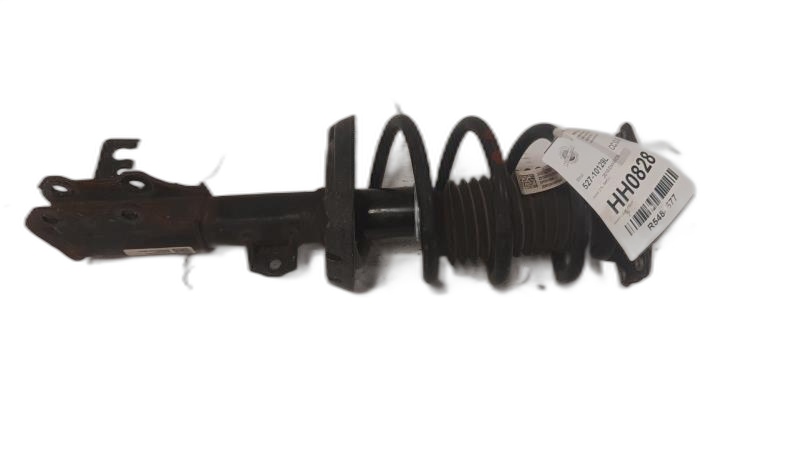
This part is the front left strut assembly for the standard (non-Bilstein) suspension on soft top models with 16-inch wheels. The part number F15134012B, sometimes associated with the strut, is actually the part number for the rubber upper spring seat.
We Have This Part in Stock

The information in this article is provided for general reference and educational purposes only. Vehicle specifications, procedures, and part compatibility can vary by production date, trim level, and region. Always consult your vehicle's factory service manual and verify part numbers before purchasing or performing repairs. Safety-critical components such as airbags, seat belts, and braking systems should be installed by a qualified professional.
- Mazda MX-5 Miata:
- 🛍️ Shop This Part
- Key Compatibility Warnings for 2006-2008 MX-5 Struts
- Suspension Types:
- Symptoms of a Failing Front Strut
- Buying a Used 2006-2008 MX-5 Front Strut: What to Know
- 1. Verify Compatibility
- 2. Physical Inspection
- 3. Mileage Considerations
- Known Issues, Recalls, and Service Bulletins
- Replacement Overview & Torque Specifications
- Related Parts to Replace
- Key Torque Specifications
- Cost Comparison: New vs. Used vs. Aftermarket
- Frequently Asked Questions (FAQ)
- 🎟️ Get 5% Off