

2021-2025 Tesla Model S Air Strut: Diagnosing Clunks, Leaks, and Ride Height Issues
This guide covers common failure symptoms, replacement costs, and how to choose a reliable used air strut for your 'Palladium' generation Model S.
- Part number verification is the most critical step; numerous revisions exist and must be matched exactly.
- Common failure symptoms include clunking noises over bumps, a sagging corner of the vehicle after parking, and hissing sounds from the wheel well.
- Replacement requires using the vehicle's "Jack Mode" to safely depressurize the air suspension system before starting work.
- A four-wheel alignment is mandatory after replacing any strut to prevent premature and uneven tire wear.
Symptoms of a Failing Model S Air Strut


Failure in the air suspension system can manifest in several ways, from unusual noises to noticeable changes in the vehicle's stance and handling. The heavy weight and powerful acceleration of the Model S can put significant stress on these components.
Clunking or Knocking Noises
A clunking, knocking, or crunching sound when driving over bumps, especially at lower speeds or when turning, is a common indicator of a suspension problem. This noise often points to wear in the strut's internal components, the top mount, or related parts like control arm bushings and sway bar end links. While the strut itself can be the cause, it's important to inspect these related components as well, as they can produce similar sounds.
Vehicle Leaning or Sagging
If you notice your Model S is sitting lower on one corner than the others, especially after being parked overnight, it's a strong sign of an air leak in the strut for that corner. This happens because the air bladder can no longer hold pressure, causing that part of the suspension to sag. This can also be caused by a faulty ride height sensor, but a leaking strut is a more common culprit.
Hissing Sounds
A faint but audible hissing sound coming from one of the wheel wells, especially when the car is parked and the suspension is trying to adjust, points directly to an air leak. The leak is often caused by small cracks or punctures in the rubber air spring, which can develop over time due to age and environmental exposure.
"Suspension Needs Service" Warning
The vehicle's diagnostic system will often detect a problem before it becomes severe. An orange or red warning light on the instrument cluster, sometimes accompanied by a message like "adaptive ride control unavailable," indicates a fault in the air suspension system. 🎬 Watch this step-by-step guide to diagnosing and fixing common issues. This could be due to a leak, a failing compressor, or a sensor issue. A persistent leak will cause the air compressor to run excessively, which can lead to premature failure of the compressor itself.
Known Issues, Recalls, and Service Bulletins
As of early 2026, there are no specific NHTSA recalls for the suspension struts on the 2021-2025 Tesla Model S. However, older Model S and Model X vehicles were subject to investigations regarding front suspension fore link failures, though these did not result in a formal recall in the US. While not directly related to the strut assembly, it highlights that Tesla suspension components can be a point of concern for owners. The majority of reported issues for the 2021 model year relate to the electrical system, steering, and forward collision avoidance systems.
Pro Tip: Tesla frequently updates parts mid-generation. The part number on your original strut is the most reliable way to find a compatible replacement. There are numerous revisions, so visually matching the part is not enough.
Buying a Used 2021-2025 Model S Strut: What to Look For

Given the high cost of new OEM parts, a used, low-mileage strut is a practical option. However, careful inspection is key to avoiding a part that will fail prematurely.
- Verify the Part Number: This is the most critical step. The provided OEM part numbers (e.g., 1420361-00-G, 1420467-00-B) are a starting point, but many revisions exist. Always match the full part number from your vehicle's original strut to the replacement part.
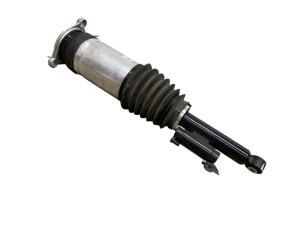
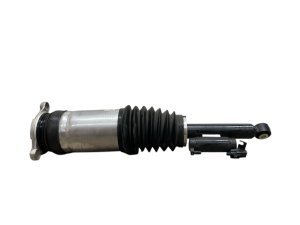
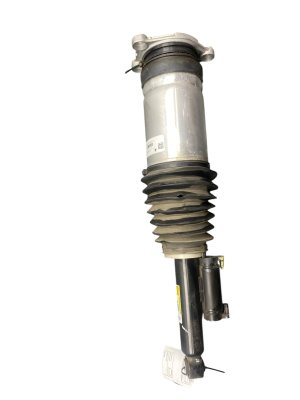
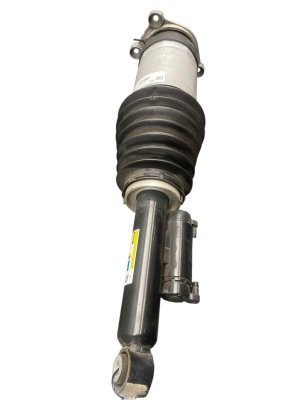
- Inspect the Air Bladder: Carefully examine the rubber air spring for any signs of cracking, perishing, or abrasions. Pay close attention to the areas where the rubber folds. A healthy bladder should be pliable and free of visible defects.
- Check for Leaks: Look for any oily residue on the body of the strut. While these are air struts, the integrated damper contains hydraulic fluid. A leak from the damper portion means the entire unit is compromised and should be rejected.
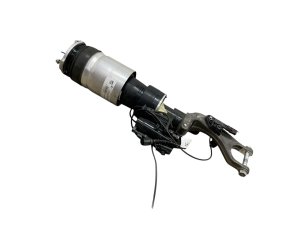
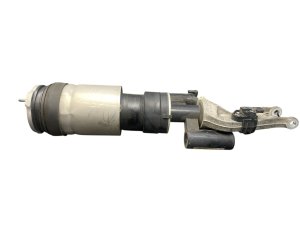
- Examine the Electrical Connector: The adaptive damping function is controlled electronically. Inspect the electrical connector for any bent, corroded, or broken pins. A damaged connector can render the strut's adaptive features useless.
- Consider Mileage: While there's no exact failure mileage, suspension components on a heavy, high-performance vehicle like the Model S experience significant stress. A part from a vehicle with lower mileage (e.g., under 60,000 miles) is generally a safer bet.
Cost to Replace a Tesla Model S Air Strut
Replacing an air strut on a Model S is more expensive than on a conventional vehicle. Prices can vary based on location and whether you choose a new, used, or aftermarket part.
| Part Type | Estimated Cost (Part Only) |
|---|---|
| New OEM (Tesla Service) | $1,000 - $1,500+ |
| New Aftermarket | $700 - $900 |
| Used OEM | $350 - $650 |
| Remanufactured/Rebuilt | $400 - $700 |
| Shop Labor | $300 - $500 |
Replacement Overview & Special Procedures

Replacing a Model S air strut is a job that can be done by an experienced DIY mechanic, but it requires specific procedures to be followed for safety and proper function.
Warning: The air suspension system is under pressure. You must use the vehicle's touchscreen to activate "Jack Mode" or a similar service mode to depressurize the system before attempting to remove any components. Failure to do so can result in serious injury or damage to the vehicle.
Key Torque Specs:
Always use a torque wrench for installation. While specs can vary slightly by position (front/rear) and revision, common values from Tesla service manuals are:
- Top Mount Nuts (x3): 39 Nm (Front) or 40 Nm (Rear)
- Lower Strut to Control Arm Bolt: 140 Nm (Front) or 98-130 Nm (Rear, depending on bolt)
- Air Line Fitting: 5 Nm
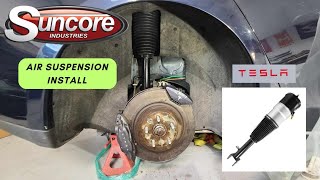
Note: These values are for reference. Always consult the specific service procedure for the exact part you are replacing. 🎬 See this walkthrough for replacing the front air suspension assembly. It is critical to only tighten suspension bolts to their final torque value when the vehicle's weight is on the suspension (i.e., on the ground or on a drive-on lift).
Post-Replacement Requirements:
A four-wheel alignment is mandatory after replacing a strut. Skipping this step will lead to poor handling and rapid, uneven tire wear, which is a known issue on these vehicles.
Frequently Asked Questions (FAQ)
Can I replace just one air strut?
Yes, you can replace a single failed strut. However, suspension components are best replaced in pairs (both front or both rear) to ensure even damping performance and handling characteristics from side to side. If one strut has failed due to age or high mileage, the other is likely nearing the end of its service life as well.
Is it possible to rebuild a Model S air strut?
Rebuilding is possible and typically involves replacing the rubber air spring and seals. This can be a cost-effective solution if the internal damper is still in good condition. However, it requires special tools and expertise to ensure a proper seal, making a quality used or remanufactured unit 🎬 Watch a complete rebuild and repair of the air suspension. a more practical choice for most people.
Why are there so many different part numbers for the same strut?
Tesla continuously revises and improves parts throughout a vehicle's production run. Different part numbers can signify changes in internal valving, materials, or design to improve reliability or performance. This is why it is essential to match the part number exactly or use a verified, compatible replacement.
Do I need special tools for the replacement?
Aside from a good set of metric sockets, wrenches, and a torque wrench, no highly specialized tools are required. However, a tool to release the VOSS-style air line fitting without damaging it is recommended. You will also need a way to safely lift and support the vehicle.
Helpful Videos
Technical Specifications
OEM Part Numbers: 14203366-00-C 1420361-00-C 1420361-00-E 1420361-00-F 1420361-00-G 1420361-00-H 1420361-99-C 1420366-00-C 1420366-00-D 1420366-00-E 1420366-00-F 1420366-00-G 1420461-00-D 1420461-00-F 1420462-00-B 1420467-00-B
Adaptive Air Suspension Strut for All-Wheel Drive models.
We Have This Part in Stock

The information in this article is provided for general reference and educational purposes only. Vehicle specifications, procedures, and part compatibility can vary by production date, trim level, and region. Always consult your vehicle's factory service manual and verify part numbers before purchasing or performing repairs. Safety-critical components such as airbags, seat belts, and braking systems should be installed by a qualified professional.
- Tesla Model S:
- 🎬 Helpful Videos
- 🛍️ Shop This Part
- Symptoms of a Failing Model S Air Strut
- Clunking or Knocking Noises
- Vehicle Leaning or Sagging
- Hissing Sounds
- "Suspension Needs Service" Warning
- Known Issues, Recalls, and Service Bulletins
- Buying a Used 2021-2025 Model S Strut: What to Look For
- Cost to Replace a Tesla Model S Air Strut
- Replacement Overview & Special Procedures
- Key Torque Specs:
- Post-Replacement Requirements:
- Frequently Asked Questions (FAQ)
- 🎟️ Get 5% Off