

2009-2014 Toyota Matrix & Pontiac Vibe Strut Failure: Clunks, Bounces, and Compatibility Traps
This guide covers the specific noises, compatibility warnings, and replacement costs for suspension struts on the second-generation Toyota Matrix and its twin, the Pontiac Vibe.
- Compatibility is critical: Rear struts differ between standard FWD models and the AWD/XRS models. Always verify your engine and drivetrain before buying.
- The 2009-2010 Pontiac Vibe is a mechanical twin, and its suspension parts are interchangeable, providing more options for used parts.
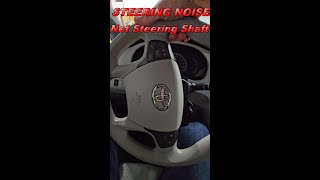
- A clunking noise is the most common symptom, but be aware of a TSB (T-SB-0243-09) for a similar noise caused by the steering shaft.
- Replacing struts in pairs and performing a wheel alignment afterward are mandatory for safety and to prevent tire damage.
Symptoms of a Failing Suspension Strut
When the struts on a 2009-2014 Toyota Matrix begin to fail, you'll notice significant changes in ride quality and noise. These parts typically wear out between 80,000 and 120,000 miles, though this can vary with road conditions.
Noises and Vibrations
- Clunking or Banging: The most common complaint is a hollow clunking or banging sound, especially when driving over bumps, potholes, or uneven pavement. This is often caused by worn internal components or failing strut mounts.
- Steering Noise: A creaking, popping, or binding sound when turning the steering wheel can indicate a worn strut bearing, which is part of the upper strut mount.
- Vibrations: A vibrating steering wheel, particularly on smooth roads, can be a sign that the struts are no longer able to dampen small road imperfections effectively.
Poor Ride and Handling
- Bouncy Ride: The vehicle will feel floaty and continue to bounce multiple times after hitting a bump. A healthy suspension should settle in one or two motions.
- Nose-Diving: When you apply the brakes, the front end of the car will dip downward excessively. This increases stopping distances because it shifts weight off the rear wheels.
- Rear Squat: Conversely, the rear of the car may squat down during acceleration as weight transfers to the back.
- Body Roll: The vehicle will lean or sway more than usual during turns or lane changes, feeling less stable.
Visual Signs
- Fluid Leaks: A clear sign of failure is hydraulic fluid leaking from the strut body. Look for an oily, wet appearance on the strut, which will collect dirt and grime.
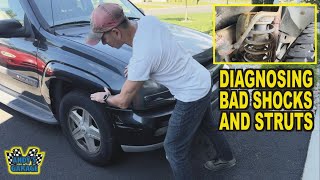
- Uneven Tire Wear: Worn struts can cause a distinct wear pattern on your tires called "cupping" or "scalloping," which appears as hollowed-out spots on the tread. This happens because the tire is literally bouncing off the pavement as you drive. 🎬 Watch: How to diagnose a bad strut or shock
Pro Tip: Noises from the front end can be misleading. A clunking or popping sound when turning could also be caused by a faulty steering intermediate shaft, as noted in Toyota Technical Service Bulletin (TSB) T-SB-0243-09 for 2009-2010 models. Always perform a full inspection before replacing parts.
Vehicle Compatibility: A Critical Warning
Not all struts for the 2009-2014 Matrix are interchangeable. Compatibility depends on the engine and drivetrain. Paying close attention to these details is essential to avoid buying the wrong part.
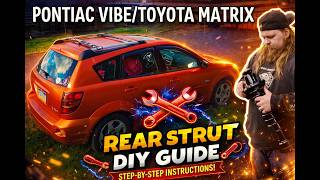
Warning: The primary difference is between Front-Wheel Drive (FWD) models and the All-Wheel Drive (AWD) and XRS (FWD) models. The AWD and XRS trims feature a more complex independent rear suspension, which uses entirely different rear struts than the standard FWD models (Base, S) that use a simpler torsion-beam rear axle. 🎬 Watch: Tips for replacing AWD rear struts The front struts may also carry different part numbers for the 1.8L and 2.4L engines to account for different engine weights and spring rates.
- Front Struts: While many front struts may physically bolt in, using a strut intended for a 1.8L engine on a heavier 2.4L model (or vice-versa) can result in incorrect ride height and poor handling. Always match the part to your specific engine and drivetrain.
- Rear Shocks/Struts: FWD (Base, S) models use a different rear suspension setup than AWD and XRS models. The parts are not interchangeable.
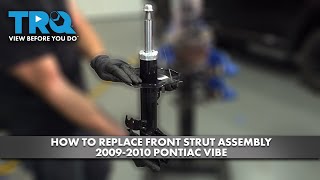
- Pontiac Vibe Compatibility: The 2009-2010 Pontiac Vibe is a mechanical twin to the Toyota Matrix. Suspension parts are directly interchangeable as long as you match 🎬 See this front strut assembly replacement walkthrough the drivetrain (FWD, AWD) and trim level (Base Vibe for Base Matrix, Vibe GT for Matrix XRS). This can significantly expand your options when searching for used parts.
Buying a Used 2009-2014 Matrix Strut
A low-mileage used OEM strut can be a smart purchase, often providing better performance and longevity than a cheap new aftermarket part. However, a thorough inspection is crucial as struts are a wear item.
Physical Inspection Checklist
- Check for Leaks: This is the number one red flag. The main body of the strut should be dry. If it's covered in oily residue, the internal seals have failed, and the part is useless.
- Inspect the Piston Rod: The shiny chrome rod that extends from the top should be perfectly smooth and straight. Any rust, pitting, or bends mean the part is junk. A bent rod is often a sign the part came from a vehicle involved in a collision.
- Test the Damping (Bare Struts Only): If the spring has been removed, place the bottom of the strut on the ground and push down on the piston rod with your body weight. It should compress smoothly and then extend back out on its own. If it feels loose, makes noise, or doesn't return, it's worn out.
- Examine the Mounts: If you are buying a complete assembly, inspect the rubber on the upper strut mount for cracks, tears, or separation.
- Check the Spring Seat: Look for heavy corrosion or cracks on the metal perch where the bottom of the coil spring sits.
Mileage and Value
Struts have a finite lifespan, typically 50,000 to 100,000 miles. A used strut from a vehicle with 40,000 miles is a great find. One from a car with 150,000 miles is likely at the end of its service life and not worth installing. Always prioritize parts from lower-mileage vehicles.
Known Issues, TSBs, and Recalls
There have been no major safety recalls specifically for the suspension struts on the 2009-2014 Toyota Matrix. However, several recalls for airbags and a TSB for a similar-sounding noise are relevant.
- No Strut Recalls: Searches of the NHTSA database show no recalls for strut failure. Recalls for this generation primarily concern airbags and power window switches.
- TSB T-SB-0243-09: Toyota issued this bulletin for a clunking or popping noise when turning on 2009-2010 models. The cause is the steering intermediate shaft, but the sound can easily be mistaken for a bad strut or strut mount.
- TSB T-SB-0087-09: This bulletin addresses a brief rattle or knock from the 1.8L (2ZR-FE) engine on a cold start, caused by a faulty VVT gear. This engine noise could potentially be confused with a suspension issue by an untrained ear.
Replacement Information
Replacing the front struts is a moderately difficult job that requires specialized tools. If you are not comfortable working with suspension components under high tension, this job is best left to a professional.
Warning: If you are replacing only the strut cartridge and reusing your old coil spring, you MUST use a high-quality spring compressor. Coil springs are under extreme tension and can cause serious injury or death if they release unexpectedly.
Related Parts to Replace
It is highly recommended to replace struts in pairs (both front or both rear) to ensure even handling and stability. While you have the suspension apart, consider replacing these related components:
- Strut Mounts (Top Hats): These contain a rubber insulator and a bearing that can wear out, causing noise and alignment issues.
- Sway Bar End Links: These are frequently seized with rust and often must be cut off during strut replacement. It's wise to have a new pair on hand.
- Dust Boots & Bump Stops: These protect the strut's piston rod from dirt and prevent the suspension from bottoming out. They are often included with new struts but should be verified.
Torque Specifications
Using a torque wrench is critical for safety. While specs can vary slightly by year and source, these are commonly cited values for the similar Toyota Corolla platform:
- Strut-to-Steering Knuckle Bolts (22mm): 177 ft-lbs (Some earlier models or sources cite lower values like 113-166 ft-lbs, so verify for your specific model if possible).
- Upper Strut Mount Nuts (14mm): 29 ft-lbs
- Sway Bar Link Nuts (17mm or 19mm): 55 ft-lbs
- Wheel Lug Nuts: 76 ft-lbs
Pro Tip: An alignment is not optional after replacing front struts. The new parts will change your vehicle's suspension geometry, and skipping the alignment will lead to poor handling and rapid, uneven tire wear.
Cost Comparison
Prices can vary by location and supplier, but this provides a general cost expectation for replacing a pair of front struts.
| Part Type | Estimated Cost (Pair) |
|---|---|
| New OEM (Toyota) | $250 - $380 |
| New Aftermarket (Complete Assembly) | $200 - $450 |
| Used OEM (Low Mileage) | $100 - $200 |
| Shop Labor | $320 - $500 |
Frequently Asked Questions (FAQ)
Do I have to replace struts in pairs?
Yes. Always replace struts in pairs (both front or both rear). Replacing only one side will result in unbalanced handling, uneven ride height, and unpredictable vehicle behavior, which is unsafe.
What is a 'quick strut' or 'loaded strut assembly'?
A 'quick strut' is a complete, pre-assembled unit that includes the strut, coil spring, and upper mount. It is much easier and safer for DIY installation because you don't need to use a dangerous spring compressor.
Is a wheel alignment really necessary after replacing struts?
Yes, a four-wheel alignment is absolutely mandatory after replacing front struts. The struts are a key part of the steering and suspension geometry. Skipping the alignment will cause crooked steering, poor handling, and will destroy your tires in a very short time.
Can I use struts from a Pontiac Vibe on my Toyota Matrix?
Yes, for model years 2009 and 2010, the Pontiac Vibe was the same car as the Matrix. Suspension parts are interchangeable as long as you match the drivetrain (FWD to FWD, AWD to AWD) and general trim level.
Helpful Videos

Technical Specifications
OEM Part Numbers: 19184050 19184380 19184386 48510-09A71 48510-09T00 48510-09T10 48510-09T70 48510-09T90 48510-80384 48510-A9340
Torque Specs: Strut-to-Knuckle Bolts: ~177 ft-lbs. Top Mount Nuts: ~29 ft-lbs. An alignment is required after installation.

The information in this article is provided for general reference and educational purposes only. Vehicle specifications, procedures, and part compatibility can vary by production date, trim level, and region. Always consult your vehicle's factory service manual and verify part numbers before purchasing or performing repairs. Safety-critical components such as airbags, seat belts, and braking systems should be installed by a qualified professional.
- Toyota Matrix:
- 🎬 Helpful Videos
- Symptoms of a Failing Suspension Strut
- Noises and Vibrations
- Poor Ride and Handling
- Visual Signs
- Vehicle Compatibility: A Critical Warning
- Buying a Used 2009-2014 Matrix Strut
- Physical Inspection Checklist
- Mileage and Value
- Known Issues, TSBs, and Recalls
- Replacement Information
- Related Parts to Replace
- Torque Specifications
- Cost Comparison
- Frequently Asked Questions (FAQ)
- 🎟️ Get 5% Off