

2012-2019 Toyota Prius C Front Strut: Diagnosing Clunks, Leaks, and Replacement Costs
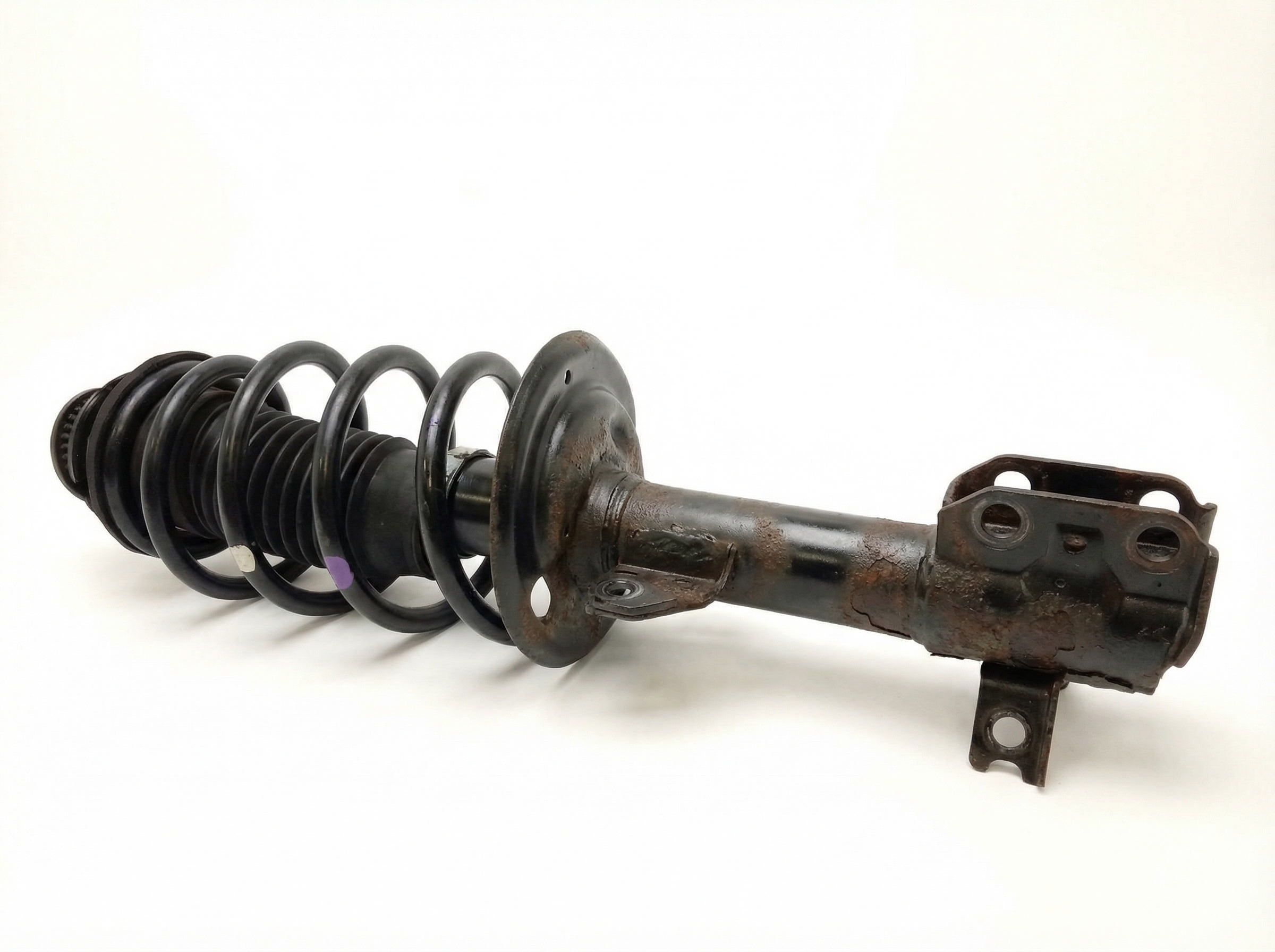
This guide covers the common failure symptoms, replacement costs, and what to look for when buying a used front suspension strut for your 2012-2019 Toyota Prius C.
- The most common sign of failure is a clunking or knocking noise over bumps, often caused by the strut mount.
- This part fits ONLY the Toyota Prius C; it is not compatible with the standard Prius, Prius V, or Prius Prime.
- When replacing struts, you must also replace the strut mounts, boots, and bump stops to do the job correctly and avoid future labor costs.
- Accessing the top strut nuts requires removing the windshield wipers and cowl panel, which adds to the labor time and complexity.
Symptoms of a Failing Prius C Strut
A worn-out strut can cause a variety of symptoms, ranging from annoying noises to serious safety concerns. The most common complaints from Prius C owners involve sounds coming from the front suspension.
Noises and Vibrations
- Clunking or Knocking: The most frequently reported symptom is a clunking, knocking, or popping sound when driving over bumps, potholes, or even small road imperfections. This noise often points to a worn-out strut mount, where the internal rubber has deteriorated, allowing metal parts to hit each other. 🎬 See what a front end clunking noise sounds like.
- Squeaking or Creaking: You might hear a creaking or squeaking sound, especially when turning the steering wheel at low speeds, like in a parking lot. This can indicate a problem with the strut mount bearing, which is supposed to allow the strut to pivot smoothly as you steer.
- Excessive Vibrations: As the strut mount's insulating rubber fails, more road vibrations will be transferred into the car and through the steering wheel. This can make the ride feel harsh and uncomfortable.
Handling and Driving Issues
- Poor Handling and Instability: The car may feel less stable, especially at higher speeds or during turns. You might notice more body roll or a feeling that the car is drifting or swaying.
- Nose-Dive When Braking: When you apply the brakes, the front end of the car may dip excessively. This is a sign that the struts are no longer able to properly control the vehicle's weight transfer.
- Steering Problems: A failing strut mount can cause the steering to feel stiff, heavy, or less responsive. In some cases, the steering wheel may not return to its center position easily after a turn.
Visual Signs
- Fluid Leaks: The strut itself is filled with hydraulic fluid. If you see oily fluid leaking from the body of the strut, it is a clear sign of failure and the strut must be replaced.
- Uneven Tire Wear: A bad strut or mount can affect the wheel alignment, causing tires to wear unevenly. You may see 'cupping' patterns (scalloped dips) on the tire tread.
Compatibility Warning: These suspension struts are specifically for the 2012-2019 Toyota Prius C submodel. They will not fit other models like the standard Prius, Prius V, or Prius Prime.
Known Issues, TSBs, and Recalls
As of early 2026, there are no specific recalls or Technical Service Bulletins (TSBs) from Toyota for front strut failure on the 2012-2019 Prius C. However, suspension noises are a common topic in owner forums. One TSB (T-SB-0144-16) was issued for the 2016 standard Prius for a clicking noise from the rear shock nuts, but this does not apply to the Prius C's front struts.
Buying a Used Suspension Strut
A used OEM strut can be a cost-effective alternative to a new part, often providing better quality and fitment than a cheap aftermarket unit. However, since struts are wear items, careful inspection is key.
Inspection Checklist
- Check for Leaks: The most important check is for any sign of hydraulic fluid on the strut body. A strut that is wet, oily, or covered in a layer of grime attracting dirt is leaking and should be rejected.
- Inspect the Rod: The chrome-plated piston rod that extends from the top of the strut should be smooth, straight, and free of rust, pitting, or damage. Any imperfections can tear the internal seals and cause failure.
- Examine the Body: Look for major dents, deep rust, or damage to the strut body and mounting points. Pay close attention to the lower bracket where it bolts to the steering knuckle.
- Mileage Consideration: Struts don't have a fixed lifespan, but they often begin to show wear after 80,000-100,000 miles, especially on rough roads. When buying used, look for a strut from a lower-mileage vehicle if possible. A part from a vehicle with over 150,000 miles may not have much service life left.
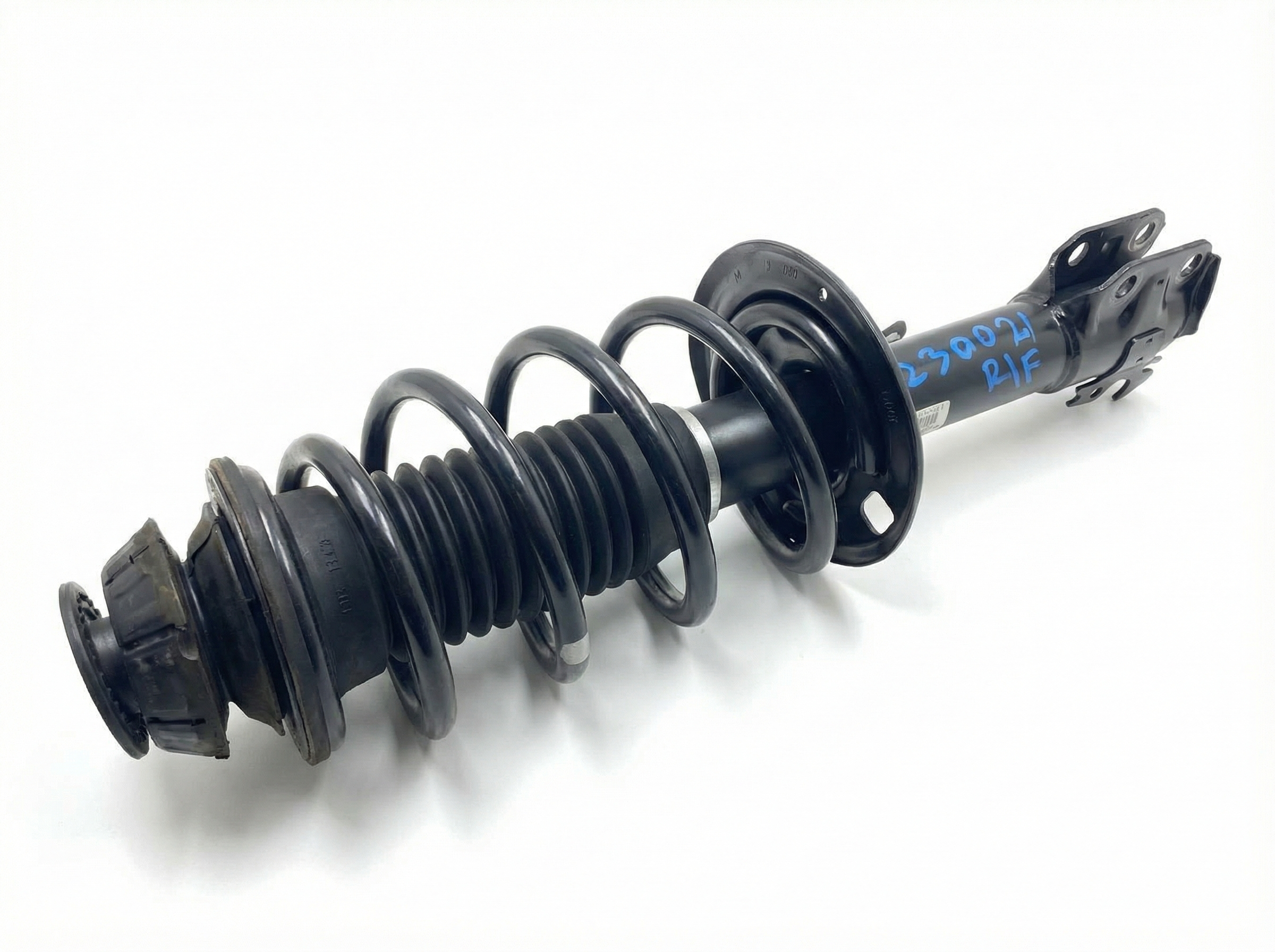
Pro Tip: Consider buying a complete used strut assembly, which includes the strut, coil spring, and top mount. This saves you the difficult and potentially dangerous job of using a spring compressor to swap the spring from your old strut to the new one.
Replacement Cost Comparison
Prices can vary based on brand and location. Labor costs are significant because accessing the top strut mount nuts requires removing the windshield wipers and the plastic cowl panel.
| Part Type | Estimated Cost (Per Strut) |
|---|---|
| New OEM (Dealer) | $170 - $175 |
| New OEM (Online) | $115 - $135 |
| New Aftermarket (Complete Assembly) | $135 - $150 |
| Used OEM | $60 - $85 |
| Shop Labor (Both Front Struts) | $450 - $800+ |
Related Parts to Replace
When you replace a strut, it is highly recommended to replace several related components at the same time. This will save you money on labor in the long run and ensure the entire suspension system works correctly.
- Strut Mount (Top Mount): This is the most critical related part. It contains a rubber insulator and a bearing that wear out, causing most of the clunking and steering noises associated with strut failure.
- Strut Bellows (Dust Boot): This flexible cover protects the chrome strut rod from dirt and debris. A torn boot will lead to premature strut failure.
- Bump Stop: A foam or rubber cushion that prevents the suspension from bottoming out. It often degrades and falls apart over time.
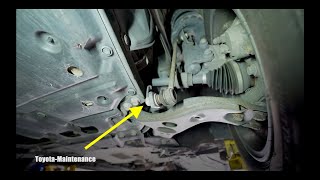
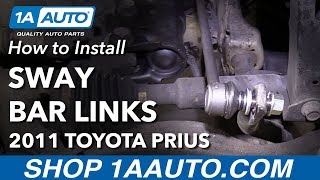
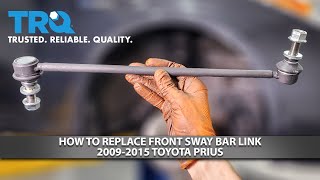
- Sway Bar End Links: These connect the strut assembly to the sway bar. They are a very common source of clunking noises over bumps and are inexpensive to replace at the same time. 🎬 Learn how to replace your front sway bar links.
Installation Tips and Torque Specs
Replacing the front struts on a Prius C is a moderately difficult job. The most challenging part is that the top strut mount nuts are hidden under the windshield cowl. You will need to remove the wiper arms and the plastic and metal cowl panels to access them.
🎬 Watch this step-by-step Prius C strut replacement walkthrough.While specific torque specs for the Prius C were not found directly, the specs for the very similar 3rd generation Prius are a reliable guide.
| Fastener | Torque Spec |
|---|---|
| Strut-to-Knuckle Bolts (x2) | 177 ft-lbs |
| Top Mount-to-Body Nuts (x3) | 37 ft-lbs |
| Sway Bar Link Nut | 55 ft-lbs |
| Wheel Lug Nuts | 76 ft-lbs |
Pro Tip: Do not tighten the three top mount nuts to their final torque until the vehicle's full weight is back on the suspension. Also, always get a wheel alignment after replacing struts to prevent premature tire wear.
Frequently Asked Questions (FAQ)
Do I need to replace both front struts at the same time?
Yes, it is always recommended to replace struts in pairs (both front or both rear). Replacing only one can lead to unbalanced handling, uneven ride height, and unpredictable steering because one side of your suspension will be stiffer than the other.
What is a 'quick strut' or 'complete assembly'?
A 'quick strut' or complete strut assembly is a pre-assembled unit that includes the bare strut, coil spring, strut mount, boot, and bump stop. It is ready to install right out of the box and eliminates the need for a dangerous spring compressor, making the job much faster and safer for DIY mechanics.
My car makes a clunking noise. Is it definitely the strut?
Not necessarily. While struts and strut mounts are common culprits, clunking noises can also be caused by worn sway bar end links, bad ball joints, or control arm bushings. A thorough inspection is needed to pinpoint the exact source of the noise.
Is rebuilding a Prius C strut an option?
No, the struts on a Toyota Prius C are sealed, non-serviceable units. They cannot be rebuilt or refilled with fluid. When one fails, the only option is to replace the entire strut.
Helpful Videos
Technical Specifications
OEM Part Numbers: 48510-52J30 48510-52J60 48510-52M50 48510-52P30
Torque for strut-to-knuckle bolts: 177 ft-lbs. Torque for top mount nuts: 37 ft-lbs.
We Have This Part in Stock

The information in this article is provided for general reference and educational purposes only. Vehicle specifications, procedures, and part compatibility can vary by production date, trim level, and region. Always consult your vehicle's factory service manual and verify part numbers before purchasing or performing repairs. Safety-critical components such as airbags, seat belts, and braking systems should be installed by a qualified professional.
- Toyota Prius C:
- 🎬 Helpful Videos
- 🛍️ Shop This Part
- Symptoms of a Failing Prius C Strut
- Noises and Vibrations
- Handling and Driving Issues
- Visual Signs
- Known Issues, TSBs, and Recalls
- Buying a Used Suspension Strut
- Inspection Checklist
- Replacement Cost Comparison
- Related Parts to Replace
- Installation Tips and Torque Specs
- Frequently Asked Questions (FAQ)
- 🎟️ Get 5% Off