

2001-2009 Toyota Sequoia Struts & Shocks: A Guide to Noises, Leaks, and Replacement
This guide explains how to diagnose failing suspension on your first-generation Sequoia and choose the right replacement parts for your needs and budget.
- The 2001-2009 Sequoia uses front struts (structural) and rear shocks (non-structural), which have different replacement procedures and costs.
- Always replace struts and shocks in pairs (both fronts or both rears) to maintain balanced handling and safety.
- A front-end alignment is mandatory after replacing front struts to prevent severe tire wear and handling problems.
- Verify compatibility for RWD vs. 4WD models and standard vs. factory air suspension, as parts are not always interchangeable.
Symptoms of Failure
Worn struts and shocks on a first-generation Sequoia will give you clear signs that it's time for a replacement. Because they wear out gradually, you might not notice the slow decline in ride quality until it becomes severe. Here’s what to look, listen, and feel for:
Noises
- Clunking or Knocking: A metallic clunking or knocking sound when driving over bumps is a classic sign of a worn-out strut or shock. This is often caused by the internal components failing, leading to metal-on-metal contact when the suspension bottoms out. It can also indicate worn strut mounts.
- Creaking or Groaning: If you hear a creaking sound when turning the steering wheel, especially at low speeds, it often points to a bad front strut bearing. This bearing allows the entire strut assembly to pivot with the steering knuckle.
Ride and Handling Issues
- Bouncy or Floating Ride: This is the most common symptom. After hitting a bump, a healthy suspension should settle in one or two movements. If your Sequoia continues to bounce up and down, the shocks and struts have lost their ability to dampen impacts.
- Nose-Diving and Rear Squatting: When you brake hard, does the front end of the truck dip excessively? This "nose-dive" indicates worn front struts. Conversely, if the rear end squats down during acceleration, your rear shocks are likely worn.
- Swaying and Body Roll: If the vehicle feels unstable or sways excessively during lane changes or cornering, the struts and shocks are no longer controlling the vehicle's weight transfer effectively.
Visual Signs
- Leaking Fluid: Struts and shocks are filled with hydraulic fluid. A clear sign of failure is oily fluid leaking from the body of the strut or shock. Look for a wet, grimy film on the component.
- Uneven Tire Wear: When the suspension can't keep the tires firmly and evenly on the road, it can cause a specific type of wear called "cupping" or "scalloping." This looks like scooped-out patches on the tire tread and is a sure sign of a suspension problem.
Known Issues, TSBs, and Recalls
While there are no specific recalls for the struts or shocks on the 2001-2009 Sequoia, there are related suspension issues and recalls to be aware of:
- Front Lower Ball Joint Recall: Toyota issued recalls for premature wear on the front lower ball joints for 2001-2007 models (NHTSA Campaign ID: 07V013000). A failing ball joint can cause steering noise and, in extreme cases, separation from the knuckle, leading to a loss of control. While not a strut issue, it's a critical front suspension component that often gets inspected or replaced during strut work.
- Frame Rust: First-generation Sequoias are known for potential frame rust, which can affect suspension mounting points. When inspecting your suspension, it's crucial to check the frame areas where the control arms and shock mounts attach for excessive corrosion.
- Rear Air Suspension (on Limited models): Some higher-trim models were equipped with a factory rear air suspension system. These systems are prone to failure, with common issues being dry-rotted and leaking airbags, or faulty height sensors. The standard shocks and struts discussed here are NOT compatible with these air suspension systems.
Warning: This guide and the listed parts are for Sequoias with the standard coil spring suspension. They are not compatible with models that have the factory rear air suspension or electronic/auto-leveling systems. Verify your vehicle's specific suspension type before ordering parts.
Buying a Used Suspension Strut or Shock
Shocks and struts are wear items, so buying used requires careful inspection. However, a low-mileage used OEM part can be a great value, often providing better performance and longevity than a cheap new aftermarket part.
What to Inspect
- Check for Leaks: The number one red flag. Look for any oily residue on the strut or shock body. A little dust is normal, but a wet, grimy film means the seal has failed and the part is no good.
- Inspect the Rod: The chrome piston rod that extends from the body should be smooth and clean. Any nicks, pitting, or rust on the rod will tear the seal and cause it to leak.
- Check for Physical Damage: Avoid any strut or shock with dents in the body. A dent can damage the internal piston and render the part useless.
- Examine Bushings: Look at the rubber bushings in the mounting eyes. They should be intact and free of major cracks or deterioration.
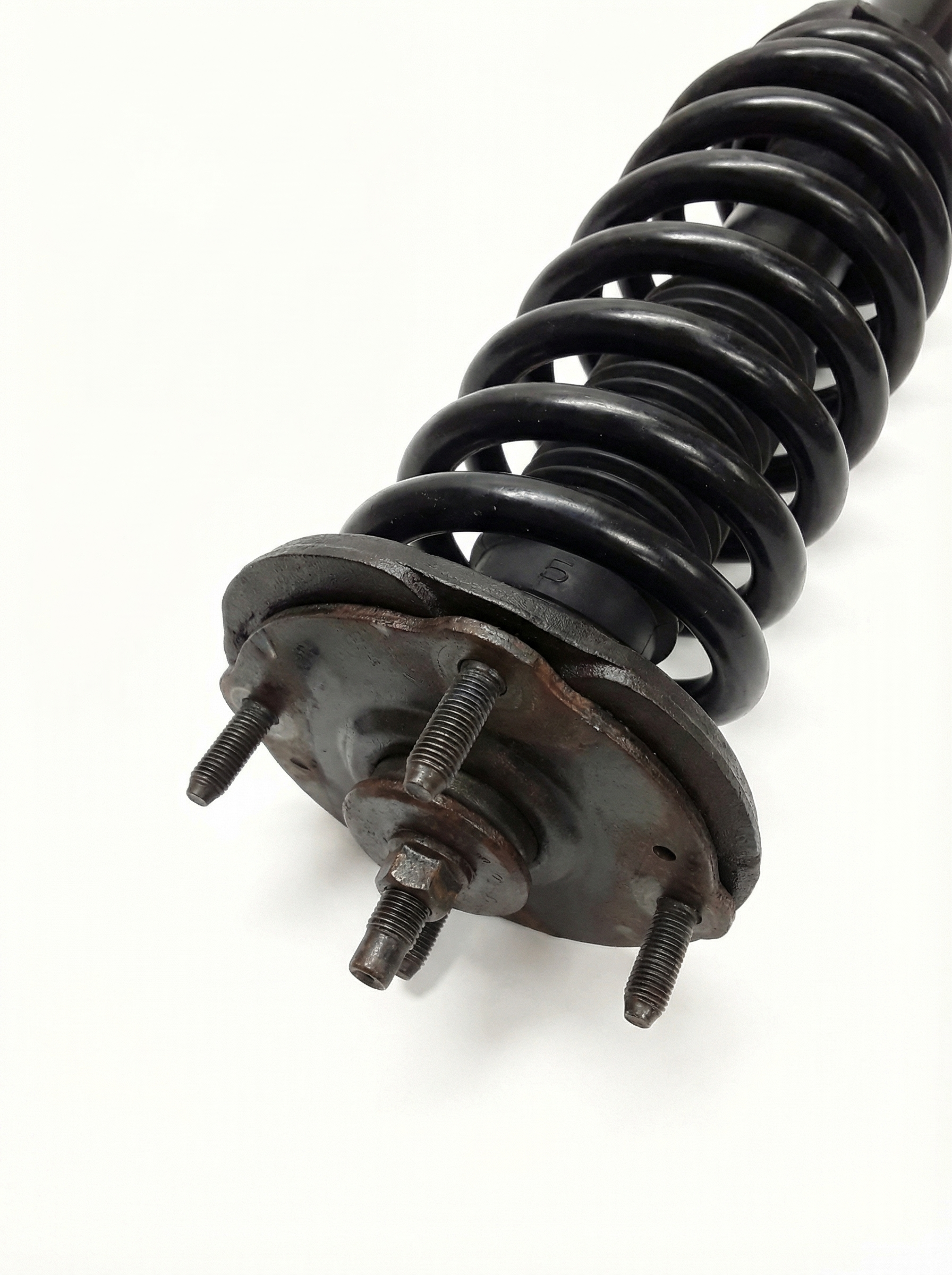
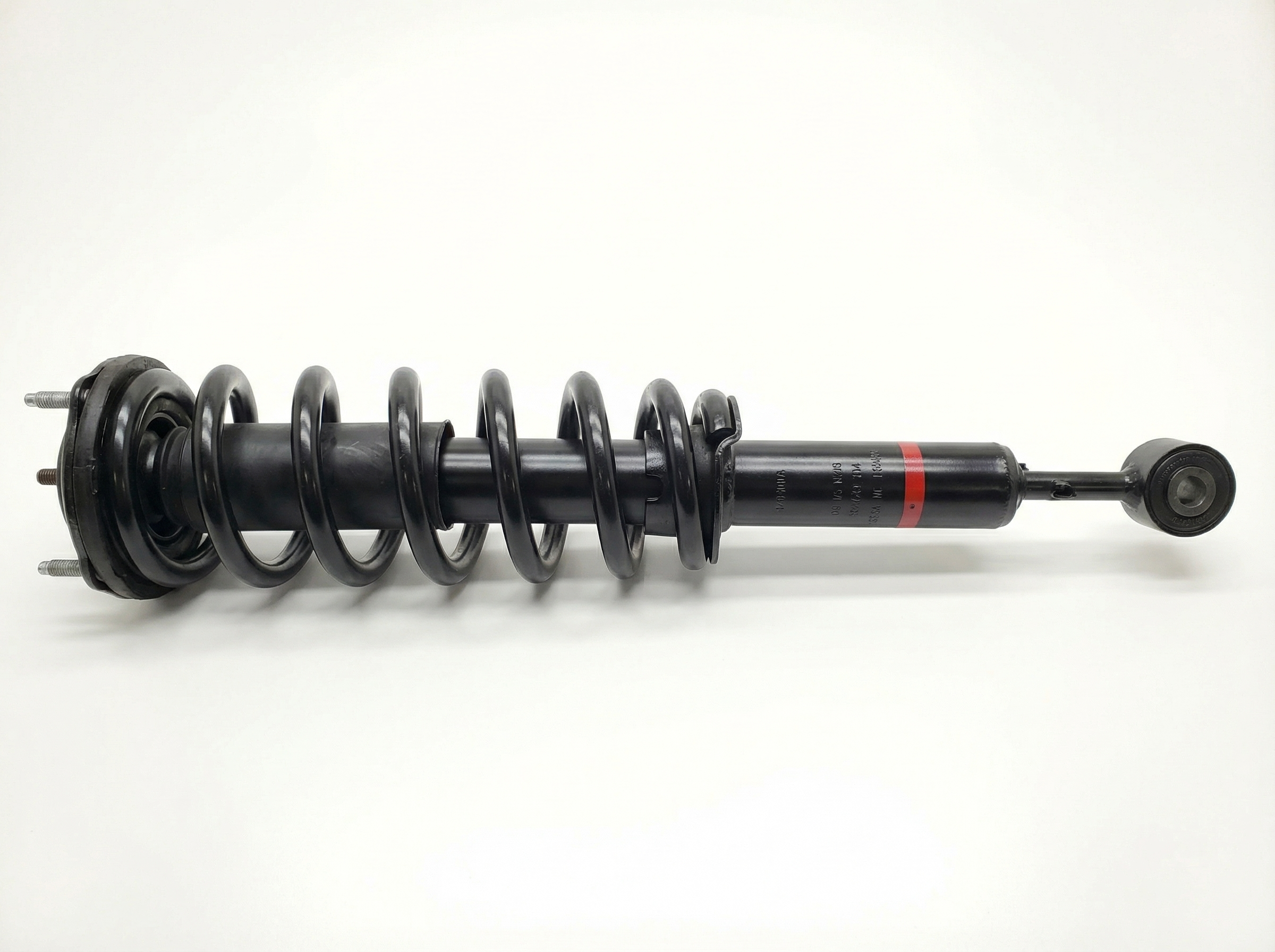
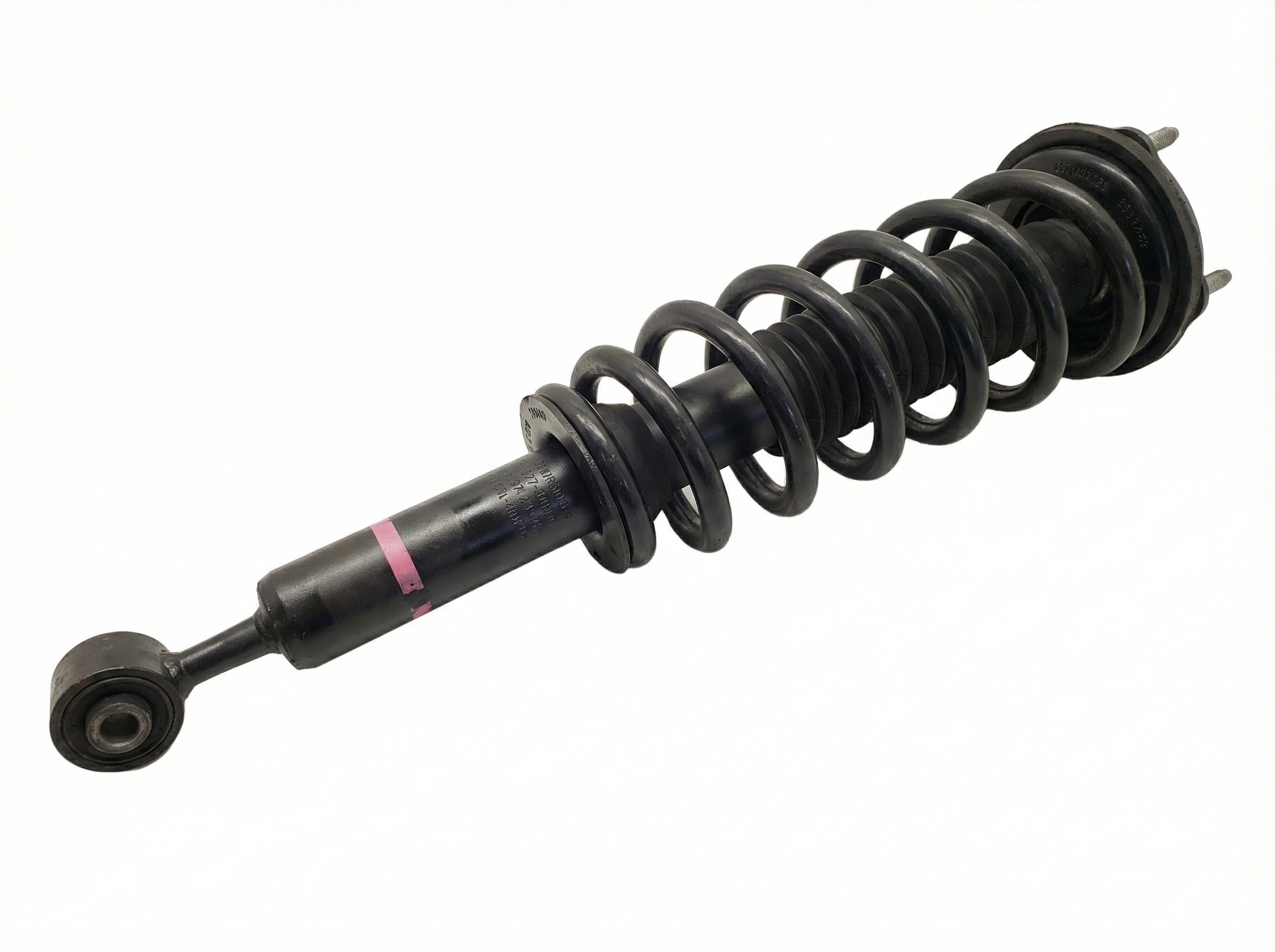
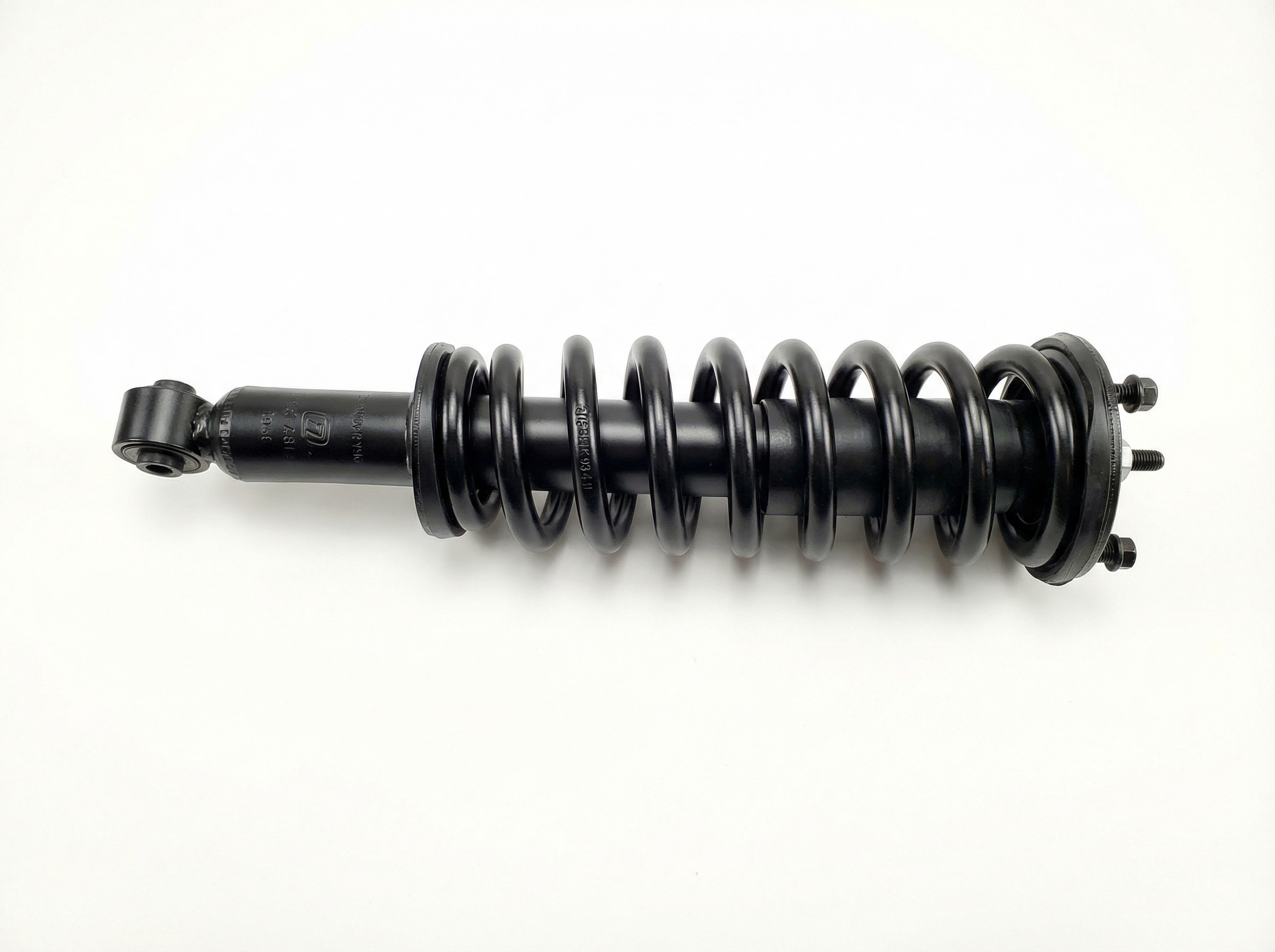
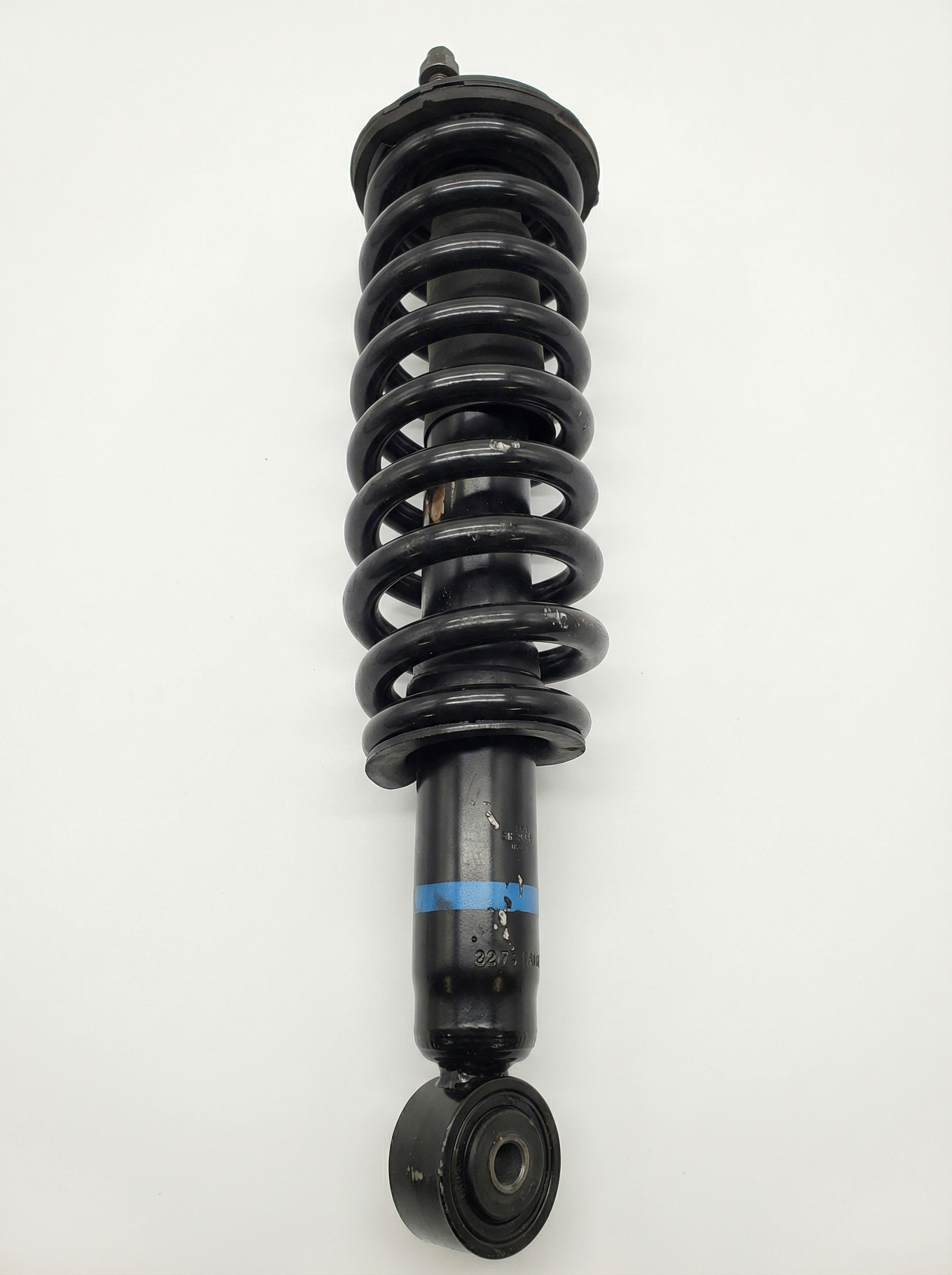
- For Front Struts: If buying a complete assembly, inspect the coil spring for heavy rust or cracks. Check the condition of the upper mount (the "top hat") for cracks or worn rubber.
Mileage and Compatibility
- Mileage is Key: OEM shocks can last 80,000-100,000 miles or more, but their performance degrades over time. A used part from a vehicle with under 100,000 miles is a reasonable bet. Anything over 150,000 miles is likely at the end of its service life.
- RWD vs. 4WD: The front struts are often different between Rear-Wheel Drive (RWD) and 4-Wheel Drive (4WD) models to accommodate different ride heights and component geometry. Always verify the part is from a vehicle with the same drivetrain as yours. The provided OEM part numbers are for RWD models only.
Cost Breakdown
Prices can vary significantly based on brand and source. Here is a general cost comparison for replacing a single front strut assembly or rear shock.
| Part | New OEM | New Aftermarket | Used OEM | Shop Labor (per pair) |
|---|---|---|---|---|
| Front Strut Assembly | $250 - $400 | $100 - $250 | $50 - $120 | $220 - $350 |
| Rear Shock | $85 - $130 | $40 - $90 | $30 - $75 | $150 - $250 |
Pro Tip: Aftermarket prices vary widely. Brands like KYB and Monroe are often considered OE-quality replacements, while cheaper, unbranded parts may have a shorter lifespan and compromise ride quality.
Replacement Guide & Special Procedures
Replacing suspension components is a job that can be done at home, but the front struts are significantly more challenging than the rear shocks.
Related Parts to Replace
When replacing struts and shocks, it's wise to inspect and often replace related components that wear at a similar rate:
- Front: Strut mounts ("top hats"), strut bearings, dust boots, and bump stops. If you buy a complete "quick strut" assembly, these parts are already included. Sway bar end links are also a common wear item to check.
- Rear: Upper and lower shock bushings/mounts.
Front Strut Replacement
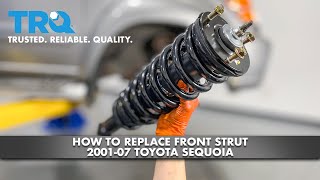
This is a more involved job. If you are not replacing the entire assembly with a "quick strut," you will need a spring compressor to move the old spring to the new strut. This tool is dangerous if used improperly. For most DIY mechanics, buying a complete assembly is safer and easier.
🎬 Watch: Step-by-step front strut replacement for 2001-2007 modelsWarning: A front-end alignment is mandatory after replacing front struts. Failure to do so will result in poor handling and rapid, uneven tire wear.
Rear Shock Replacement
This is a much simpler job, typically involving two bolts per shock. It's a great project for a beginner or intermediate DIYer. 🎬 See this complete walkthrough for front and rear installation An alignment is generally not needed after replacing only the rear shocks.
Torque Specifications
Using a torque wrench is critical for suspension work. Over or under-tightening bolts can lead to noise or component failure. These are common specs; always verify for your specific year and model.
- Front Strut Top Mount Nuts (x3): 47 ft-lbs
- Front Strut Lower Mount Bolt/Nut: 100-101 ft-lbs
- Rear Shock Top Mount Nut: 15-20 ft-lbs
- Rear Shock Lower Mount Bolt: 64 ft-lbs
- Wheel Lug Nuts: 83 ft-lbs
Frequently Asked Questions
Do I need to replace struts and shocks in pairs?
Yes, always. Shocks and struts should be replaced in pairs (both front or both rear) to ensure even damping side-to-side. Replacing only one can lead to unbalanced handling and instability.
What's the difference between a strut and a shock on my Sequoia?
On your Sequoia, the front has struts and the rear has shocks. A strut is a structural part of the suspension that also supports the vehicle's weight via a coil spring. A shock is a simple damper that controls spring oscillation but does not support weight.
Is a front-end alignment necessary after replacement?
Yes, an alignment is absolutely required after replacing the front struts. The strut's position affects the wheel's alignment angles. Skipping this step will cause poor handling and destroy your tires. An alignment is not necessary if you are only replacing the rear shocks.
Can I use 4WD parts on my RWD Sequoia?
No. While some rear shocks may fit both, the front struts are often different due to ride height and geometry. It is critical to use parts specified for your vehicle's drivetrain (RWD or 4WD) to ensure safety and proper alignment.
Helpful Videos

Technical Specifications
OEM Part Numbers: 48510-0C040 48510-34010 48510-34040 48510-A9180 48510-A9600 48530-80104 48530-A9180
Front Strut Top Mount Nuts: 47 ft-lbs. Front Strut Lower Mount Bolt: 100-101 ft-lbs. Rear Shock Top Mount Nut: 15-20 ft-lbs. Rear Shock Lower Mount Bolt: 64 ft-lbs. Wheel Lug Nuts: 83 ft-lbs.
We Have This Part in Stock

The information in this article is provided for general reference and educational purposes only. Vehicle specifications, procedures, and part compatibility can vary by production date, trim level, and region. Always consult your vehicle's factory service manual and verify part numbers before purchasing or performing repairs. Safety-critical components such as airbags, seat belts, and braking systems should be installed by a qualified professional.
- Toyota Sequoia:
- 🎬 Helpful Videos
- 🛍️ Shop This Part
- Symptoms of Failure
- Noises
- Ride and Handling Issues
- Visual Signs
- Known Issues, TSBs, and Recalls
- Buying a Used Suspension Strut or Shock
- What to Inspect
- Mileage and Compatibility
- Cost Breakdown
- Replacement Guide & Special Procedures
- Related Parts to Replace
- Front Strut Replacement
- Rear Shock Replacement
- Torque Specifications
- Frequently Asked Questions
- 🎟️ Get 5% Off