

2016-2025 Tesla Model X Trailer Hitch: Refresh vs. Pre-Refresh Differences
This guide covers the critical distinctions between tow packages for different Model X years, including part numbers, installation, and software requirements.
- The trailer hitches for pre-refresh (2016-2020) and refreshed (2021+) Model X vehicles are NOT interchangeable. You must buy the correct part for your year.
- Software activation of 'Trailer Mode' is required for safe towing. Tesla may refuse to enable this feature if an aftermarket hitch is used.
- Many used listings are for the removable 2-inch adapter only (part 1027582-00-B), not the main receiver that bolts to the car.
- Installation is complex, requiring removal of the rear bumper fascia. Expect a 3-4 hour job for a professional.
Key Differences: Pre-Refresh (2016-2020) vs. Refresh (2021+)

The most critical factor when purchasing a used trailer hitch for a Tesla Model X is the model year. The vehicle underwent a significant 'Refresh' for the 2021 model year, and the trailer hitch components are not interchangeable between the early (2016-2020) and refreshed (2021-2025) generations. Using the wrong part will result in fitment issues and unsafe operation.
Always verify the OEM part number on the hitch receiver itself before purchasing. Listings for used parts can often be mislabeled.
Part Number Identification
| Model Years | Common Receiver Part Numbers | Notes |
|---|---|---|
| 2016 - Early 2021 (Pre-Refresh) | 1027581-00-F, 1027581-00-H | Designed for the original body style. Part number 1027581-00-H appears to have been used on later pre-refresh models. |
| Late 2021 - 2025 (Refresh) | 1027581-00-K | Specifically for the 'Refreshed' Model X. |
| Removable Adapter (All Years) | 1027582-00-A, 1027582-00-B | This is the removable 2-inch adapter piece only, not the main receiver. It is generally compatible across years if the vehicle has the factory receiver. |
Warning: Many online listings for 'trailer hitch' are only for the removable 2-inch adapter (1027582-00-B) and its storage bag. These parts are useless unless your vehicle already has the main hitch receiver bolted to the frame.
Symptoms of a Faulty Trailer Hitch System

Physical failure of the steel hitch is rare outside of a collision or severe overloading. Most problems are related to the electrical system or fitment of the removable components.
- Trailer Lights Not Working: If your trailer's brake lights, turn signals, or marker lights are inoperative, it often points to an issue with the vehicle's 7-pin connector or the wiring harness. The vehicle's display may show an error message indicating a faulty electrical connection.
- 'Trailer Mode' Errors: The vehicle may fail to detect a connected trailer or may display a persistent error icon. This can be caused by faulty wiring or a problem with the trailer control module.
- Removable Hitch is Loose or Stuck: The removable 2-inch adapter should lock securely into the receiver. If it rattles excessively, it may be worn or damaged. If it's difficult to insert or remove, the receiver tube may be filled with dirt, rust, or debris. Leaving the hitch installed for long periods can lead to rust buildup in the locking mechanism, making it very difficult to remove.
- Visible Physical Damage: After any rear-end collision, the hitch receiver should be carefully inspected for cracked welds, bent mounting flanges, or deformation. A damaged hitch is a major safety risk and should be replaced.
Buying a Used Tesla Model X Trailer Hitch: A Checklist

Purchasing a used OEM trailer hitch can be a great value, but careful inspection is crucial for safety and compatibility. Aftermarket options exist, but the OEM hitch is designed for perfect integration with the bumper and vehicle software.
- Confirm the Part Number: This is the most important step. Cross-reference the part number on the receiver with the table above to ensure it matches your vehicle's model year range. Do not rely solely on the seller's description.
- Inspect the Receiver Tube: Look inside the 2-inch square opening. Check for heavy rust, debris, or warping. Some owners have reported that leaving the hitch adapter installed permanently can cause mud and snow to collect inside the bumper, leading to corrosion.
- Check the Wiring and Connector: Ensure the wiring harness pigtail is included and has not been cut. Inspect the pins inside the 7-pin electrical connector for corrosion, dirt, or damage.
- Look for Stress Fractures and Bends: Carefully examine all weld points and mounting plates. Look for any signs of cracking in the paint or metal, which could indicate stress from overloading or an accident. Ensure the entire assembly is straight and not bent.
- Verify What's Included: A complete used OEM tow package should include the main receiver assembly and the attached wiring harness. The removable 2-inch adapter (ball mount) and its storage bag are often sold separately.
Installation and Software Activation
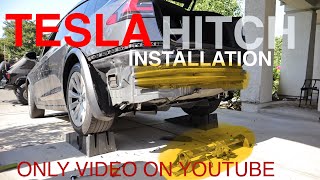
Installing the trailer hitch receiver is a complex job that requires removing the rear bumper fascia and the original steel impact bar.
🎬 Watch: This step-by-step video shows the full bumper removal and installation.- Difficulty: 4 out of 5. This is not a simple bolt-on accessory.
- Procedure: The process involves raising the vehicle, carefully unclipping and removing the plastic rear bumper cover, unbolting the factory impact bar, bolting the new hitch receiver in its place (the hitch serves as the new impact bar), and connecting the electrical harness.
- Software Requirement: After the hardware is installed, the vehicle's software must be configured to enable 'Trailer Mode'. This is essential for safe towing as it adjusts stability control, suspension, and Autopilot features. Tesla has reportedly been unwilling to sell or enable this software feature for vehicles with aftermarket hitches, making the use of genuine Tesla parts critical. Some independent shops may offer software activation services.
Pro Tip: The Tesla owner's manual specifies a maximum ball mount rise of 0.75 inches and explicitly states not to use any drop ball mounts. This is a critical safety constraint to maintain proper trailer geometry and vehicle stability.
Known Issues, TSBs, and Recalls
While there have been no major recalls specifically for the trailer hitch assembly itself, some related items are worth noting:
- Service Bulletin SB-21-19-002: Some earlier Model X vehicles had an incorrect towing capacity value printed on the hitch label. This bulletin provides instructions for service centers to apply a corrected label.
- Recalls for Roof Trim/Appliques: Recalls like NHTSA 20V710 have been issued for 2016 Model X vehicles where cosmetic roof trim pieces could detach due to improper adhesion. While not part of the hitch, this highlights potential issues with factory adhesion processes from that era.
- Software Updates: Tesla frequently issues over-the-air (OTA) software updates that can affect towing. Recent updates have improved the navigation system to prioritize Supercharger locations with pull-through stalls for vehicles in Trailer Mode. 🎬 See how Tesla's latest software updates have improved the towing experience.
Cost Comparison
| Item | Estimated Cost | Notes |
|---|---|---|
| New OEM (from Tesla) | $1,300 - $1,600 | This price typically includes the hitch, hardware, and professional installation with software activation at a Tesla Service Center. |
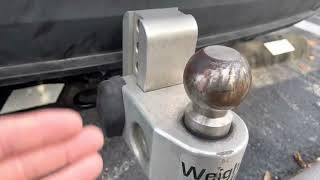
| New Aftermarket | $350 - $500 (Parts Only) | From brands like Draw-Tite. May offer higher tongue weight ratings but can present challenges with software activation and may require trimming the bumper. | 🎬 Watch: A detailed review of the Draw-Tite aftermarket hitch option.
| Used OEM | $200 - $450 (Parts Only) | Price varies based on condition and what's included (receiver, adapter, bag). A common price for the main receiver assembly is around $350-$400. |
| Shop Labor (Installation Only) | $300 - $500+ | Labor for a third-party shop to install a hitch you provide. This does not include the cost of software activation, which may be an additional charge or require a separate visit to a specialist. |
Frequently Asked Questions
What is the towing capacity of the Tesla Model X?
Most Tesla Model X vehicles equipped with the factory tow package are rated to tow up to 5,000 pounds. However, this can be lower (e.g., 3,500 pounds) for vehicles with larger, 22-inch wheels. The maximum tongue weight is typically 10% of the trailer weight, up to 500 pounds. Always consult your owner's manual for the specific ratings for your vehicle's configuration.
Can I install a trailer hitch on a Model X that didn't come with one?
Yes, it is possible to retrofit the factory tow package. You will need to purchase the correct OEM hitch receiver for your model year, install it (which involves removing the rear bumper), and have the vehicle's software updated to enable 'Trailer Mode'. Due to the software component, it is highly recommended to use genuine Tesla parts.
What is 'Trailer Mode' and why do I need it?
Trailer Mode is a software setting that activates when you connect trailer wiring. It makes towing safer by adjusting vehicle systems: it disables some Autopilot features like Autosteer, modifies stability control responses, and changes air suspension behavior. Towing without Trailer Mode is not recommended as the vehicle's safety systems will not be optimized for the extra weight and length of a trailer.
What is the difference between the hitch receiver and the hitch adapter?
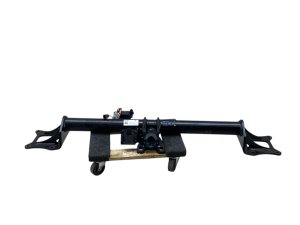
The hitch receiver (e.g., part #1027581-00-K) is the large structural component that is bolted to the car's frame, hidden behind the bumper. The hitch adapter (e.g., part #1027582-00-B) is the smaller, L-shaped 2-inch tow hook that you slide into the receiver and lock in place when you want to tow something. Many used parts for sale are only the adapter, so be sure you are buying the main receiver if you are retrofitting a hitch to your vehicle.
Helpful Videos
Technical Specifications
OEM Part Numbers: 10057987-001 10061545-001 1027581-00-F 1027581-00-H 1027581-00-K 1027582-00-A 1027582-00-B 1482424-00-A
Towing Capacity: Up to 5,000 lbs (2250 kg) depending on wheel size. Tongue Weight Capacity: Up to 500 lbs. Accessory Carrier Weight Limit: 120 lbs (54 kg). Receiver Size: 2-inch. Ball Mount Restriction: Max 0.75-inch rise, no drop hitches allowed.
We Have This Part in Stock

The information in this article is provided for general reference and educational purposes only. Vehicle specifications, procedures, and part compatibility can vary by production date, trim level, and region. Always consult your vehicle's factory service manual and verify part numbers before purchasing or performing repairs. Safety-critical components such as airbags, seat belts, and braking systems should be installed by a qualified professional.
- Tesla Model X:
- 🎬 Helpful Videos
- 🛍️ Shop This Part
- Key Differences: Pre-Refresh (2016-2020) vs. Refresh (2021+)
- Part Number Identification
- Symptoms of a Faulty Trailer Hitch System
- Buying a Used Tesla Model X Trailer Hitch: A Checklist
- Installation and Software Activation
- Known Issues, TSBs, and Recalls
- Cost Comparison
- Frequently Asked Questions
- 🎟️ Get 5% Off