

Ford & Lincoln PTU Failure (2007-2016): The Definitive Guide to Explorer, Edge, Flex, MKX & More Transfer Cases
This in-depth guide explains the common Power Take-Off Unit (PTU) failures in many Ford and Lincoln AWD vehicles and how to diagnose, replace, and prevent them.
- The primary cause of failure is extreme heat from the nearby exhaust cooking the 'lifetime' gear oil, leading to lubrication breakdown.
- The most common symptom is a burning oil/propane smell, followed by whining/grinding noises and fluid leaks from the passenger side.
- Preventative maintenance is critical: change the PTU fluid every 30,000 miles with full synthetic 75W-140 gear oil to avoid failure.
- Replacement is a major repair; when replacing, it is essential to also replace all associated seals to prevent leaks.
The Root of the Problem: Why These PTUs Fail

The single greatest cause of failure for the PTU in the 2011-2016 Ford Explorer, 2007-2014 Ford Edge, 2007-2015 Lincoln MKX, 2009-2015 Ford Flex, 2008-2015 Ford Taurus, 2008-2009 Ford Taurus X, 2009-2015 Lincoln MKS, 2010-2012 Lincoln MKT, and 2008-2009 Mercury Sable is the breakdown of its gear oil. The unit is positioned directly next to the extremely hot catalytic converter and exhaust system, which relentlessly cooks the small volume of lubricating fluid inside.
Ford designated the fluid as a "lifetime" fill, meaning there is no scheduled service interval. This has proven to be a critical design flaw. Over time, the intense heat causes the gear oil to degrade, thicken into a sludge, and lose its ability to protect the internal gears and bearings. Eventually, the unit runs low on effective lubrication, leading to catastrophic internal damage.
Symptoms of a Failing PTU

A failing PTU provides several distinct warning signs. Addressing them early can be the difference between a fluid change and a complete unit replacement.
1. Burning Oil Smell
The most common and earliest symptom is a strong, foul odor inside the cabin, often described as burning gear oil or even propane. This smell occurs when the overheated, sludgy fluid builds pressure and is forced out of a small vent on top of the PTU. This fluid then drips directly onto the hot exhaust components below, creating the unmistakable smell that gets drawn into the car's ventilation system. If you smell this, the fluid is already compromised.
2. Whining, Grinding, or Clunking Noises
Once the fluid has broken down, metal-on-metal contact begins inside the PTU. This creates noises that change with vehicle speed, such as:
- A speed-dependent whine or growl.
- A metallic grinding or grating sound.
- A clunking or banging, especially when turning or accelerating from a stop.
These sounds indicate that the gears and bearings are wearing out and failing. At this stage, the unit has likely suffered irreversible damage.
3. Visible Fluid Leaks
Look for signs of a dark, thick fluid leak on the passenger side of the vehicle, near the back of the engine. The heat often destroys the PTU's output shaft seals, causing the burnt gear oil to leak out. Ford even issued Technical Service Bulletin (TSB) 19-2017 for a "dark black fluid leak from the right side transfer case intermediate shaft seal" on some of these models. In some cases, the seal between the transmission and PTU can fail, causing red transmission fluid to mix with the gear oil before leaking.
Buying a Used Transfer Case Assembly (PTU)

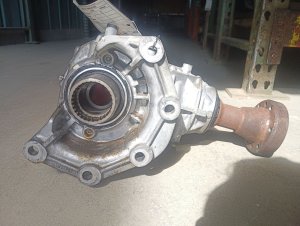
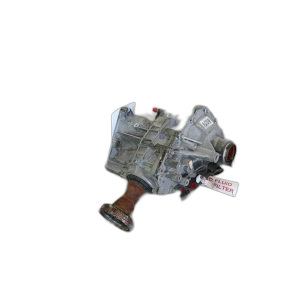
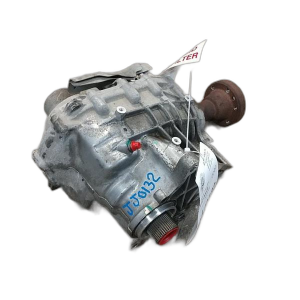
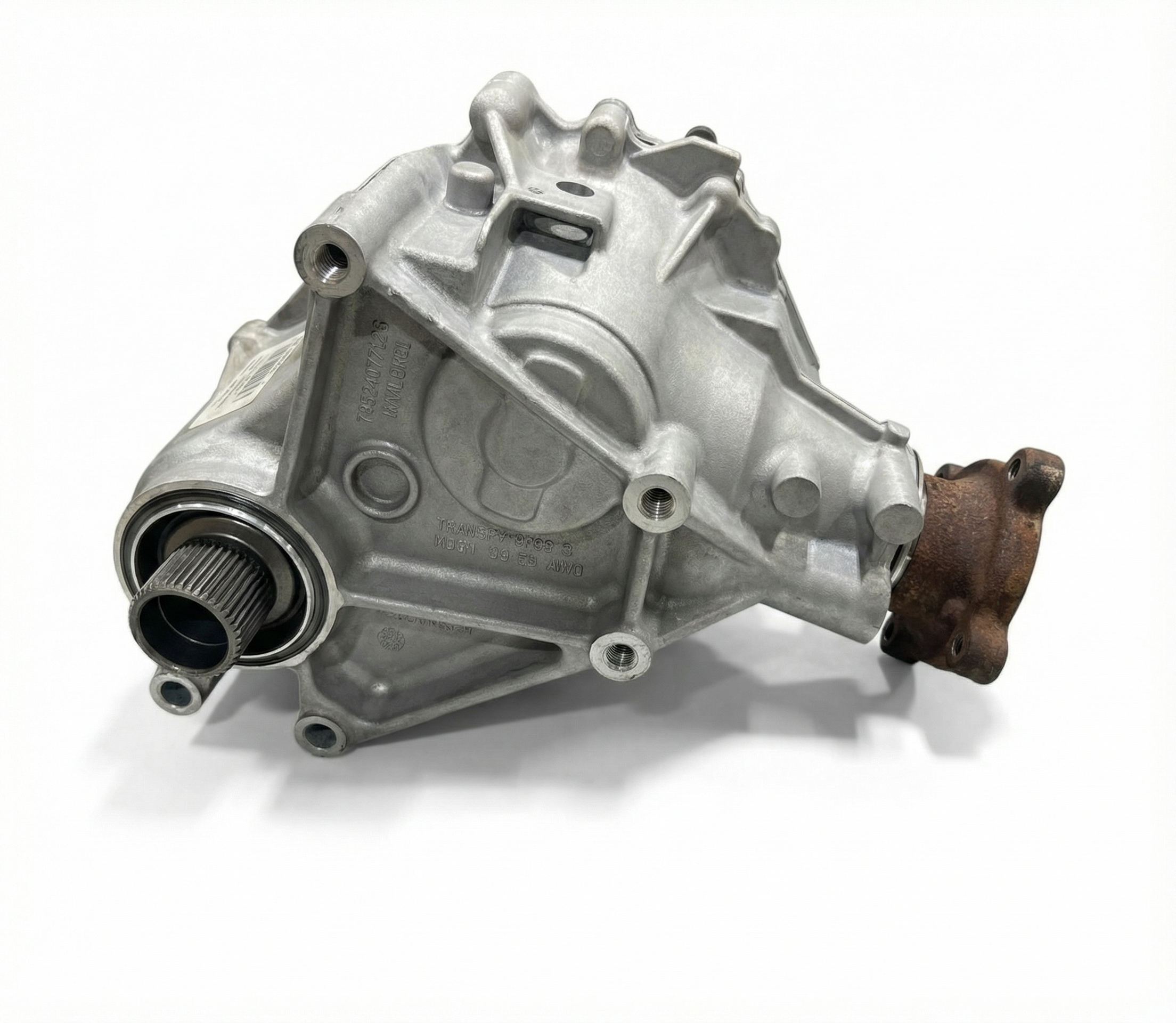
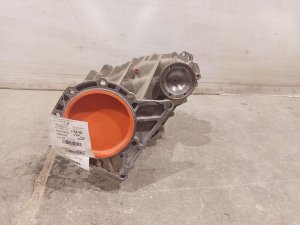
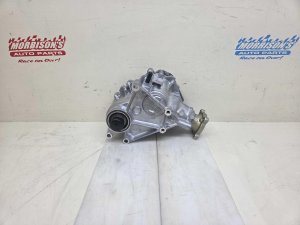
A recycled OEM PTU can be a cost-effective replacement, but careful inspection is key. Since the primary failure mode is internal and related to fluid, you cannot know the internal condition for certain, but you can look for important external clues.
Compatibility Warning: This PTU fits All-Wheel Drive (AWD) models WITHOUT a factory transfer case oil cooler and WITHOUT the Police Package. Police Interceptor vehicles used a heavy-duty, cooled version of this part that is not interchangeable. For some models, you may need to match the identification number from your original part to the replacement. Always verify these requirements before ordering.
Inspection Checklist:
- Check for Leaks and Stains: The entire case should be inspected for dark, oily residue. Pay close attention to the areas where the axles and driveshaft connect (the output seals) and where the unit bolts to the transmission (the input seal). A heavily stained unit has likely been leaking for a long time.
- Inspect the Housing: Look for any cracks or damage to the aluminum case. A severe failure can sometimes break the housing itself.
- Look for Heat Damage: Check for any discoloration on the case that might indicate extreme overheating.
- Assume the Fluid is Bad: Regardless of the external condition, you should assume the fluid inside any used PTU is old and needs to be replaced immediately. Factor a fluid change into your repair plan.
- Mileage vs. Maintenance: A lower-mileage unit is generally preferable, but a higher-mileage unit from a vehicle with documented fluid changes could be in better condition than a low-mileage unit with its original "lifetime" fluid. Failure can occur at a wide range of mileages, from 60,000 to over 150,000 miles.
Replacement and Maintenance
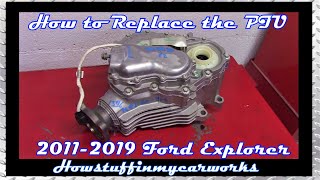
Replacing the PTU is a labor-intensive job rated at approximately 4-8 hours for a professional technician. It is a difficult task for a DIY mechanic without a vehicle lift due to tight access and the components that must be removed.
The general procedure involves:
- Removing the exhaust components that are in the way, including the catalytic converter on many models.
- Removing the rear driveshaft from the PTU.
- Removing the passenger-side front axle shaft, which passes through the PTU.
- Unbolting the PTU from the transmission and engine block brackets and maneuvering it out of the vehicle. 🎬 See this step-by-step walkthrough of the PTU replacement process.
Pro Tip: It is absolutely critical to replace all related seals when installing a new or used PTU. This includes the passenger side axle seal and the seal between the PTU and the transmission to prevent immediate leaks.
Preventative Maintenance: The Key to Longevity
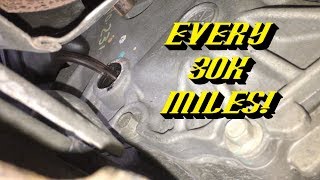
To prevent failure of a new, used, or even your original PTU, the fluid MUST be changed regularly. The consensus among independent mechanics is to change the fluid every 30,000 miles.
- Fluid Specification: Use a high-quality full synthetic 75W-140 gear oil.
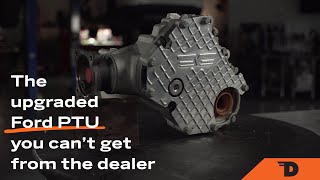
- Fluid Change Procedure: Many of these PTUs do not have a drain plug. The fluid must be extracted out of the fill hole using a suction pump. 🎬 Watch: A professional guide to the PTU fluid exchange procedure. The fill plug is often difficult to access due to the nearby catalytic converter, so the job must be done on a cold engine. Some owners have successfully drilled and tapped a drain plug into the bottom of the case to make future changes easier. 🎬 Learn how to modify your PTU to prevent future failures.
Cost to Replace a PTU Assembly
Prices can vary by location and the specific parts chosen. Here is a general cost comparison:
| Item | Estimated Cost |
|---|---|
| New OEM | $800 - $1,500+ |
| New Aftermarket (e.g., Dorman) | $550 - $1,000 |
| Used OEM | $250 - $600 |
| Remanufactured | $600 - $1,200 |
| Shop Labor | $800 - $1,500 (4-8 hours) |
| Total Professional Replacement | $2,200 - $3,300+ |
Frequently Asked Questions (FAQ)
Why did Ford say the PTU fluid was 'lifetime' if it fails so often?
Automakers use the term "lifetime fluid" to reduce the official cost of ownership on paper. The "lifetime" is technically the life of the component. If the component fails at 100,000 miles because the fluid broke down, the fluid is considered to have lasted the lifetime of the part. Unfortunately, this design choice leads to premature and expensive failures for consumers.
Can I just replace the seals if my PTU is leaking?
If you catch a leak very early and the unit is not making noise or smelling burnt, you might be able to get away with just replacing the seals and the fluid. However, in most cases, a leak is a symptom of excessive heat and pressure from failing fluid, meaning internal damage may have already begun.
Is a Dorman or other aftermarket PTU better than OEM?
Some aftermarket manufacturers, like Dorman, have addressed the original design flaws. Their replacement units may include features like a drain plug for easier servicing and an integrated heat shield to protect the unit from the exhaust. For this specific part, a well-engineered aftermarket replacement can be a superior choice to a new OEM unit that still has the original flaws.
What happens if I keep driving with a failing PTU?
Continuing to drive with a noisy or leaking PTU is not recommended. The unit can eventually seize completely, which could cause a loss of vehicle control. In some severe cases, a catastrophic failure of the PTU can also crack the transmission case it is bolted to, leading to a much more expensive repair.
Helpful Videos

Technical Specifications
OEM Part Numbers: 7T437251BG 7T437251BH 7T437251BJ 7T4Z7251D 8T437251AA 8T437251AB 8T437251AC 8T437251AE 8T4Z7251A AT437251AB AT437251AC AT437251AD AT437251DB AT437251DC AT437251DD DG1Z-7251-F
Fluid Type: SAE 75W-140 Full Synthetic Gear Oil. Fluid Capacity: Varies by specific model and year, but generally very low (approx. 12-18 oz). Many units lack a factory drain plug.
We Have This Part in Stock

The information in this article is provided for general reference and educational purposes only. Vehicle specifications, procedures, and part compatibility can vary by production date, trim level, and region. Always consult your vehicle's factory service manual and verify part numbers before purchasing or performing repairs. Safety-critical components such as airbags, seat belts, and braking systems should be installed by a qualified professional.
- Ford Explorer:
- Ford Edge:
- Lincoln MKX:
- Ford Flex:
- Ford Taurus:
- Ford Taurus X:
- Lincoln MKS:
- Lincoln MKT:
- Mercury Sable:
- 🎬 Helpful Videos
- 🛍️ Shop This Part
- The Root of the Problem: Why These PTUs Fail
- Symptoms of a Failing PTU
- 1. Burning Oil Smell
- 2. Whining, Grinding, or Clunking Noises
- 3. Visible Fluid Leaks
- Buying a Used Transfer Case Assembly (PTU)
- Inspection Checklist:
- Replacement and Maintenance
- Preventative Maintenance: The Key to Longevity
- Cost to Replace a PTU Assembly
- Frequently Asked Questions (FAQ)
- 🎟️ Get 5% Off