

2014-2023 Nissan Rogue Transfer Case: VIN Splits, Noises, and Leaks Explained
This guide decodes the critical compatibility differences for the Nissan Rogue transfer case and outlines the key symptoms of failure to watch for.
- Compatibility is critical and depends on your VIN. A VIN starting with '5' (USA-built) uses a different transfer case than one starting with 'J' (Japan-built) or 'K' (Korea-built) for 2014-2020 models.
- Fluid leaks from the passenger-side axle seal are a common issue addressed by Nissan Technical Service Bulletin NTB21-094B.
- Grinding or whining noises that change with speed are a primary symptom of internal failure, often due to low fluid levels.
- When replacing, always verify the part number and consider a low-mileage used OEM unit as a cost-effective alternative to a new one.
Critical Compatibility Warnings: Don't Get The Wrong Part!
Buying a transfer case for a 2014-2023 Nissan Rogue requires careful attention to detail. There are several different, non-interchangeable versions based on the engine, model year, and where the vehicle was manufactured. Installing the wrong part can lead to significant drivetrain damage. Always verify your vehicle's information before purchasing.
Warning: The most significant compatibility issue is the manufacturing location, which is identified by the first character of your Vehicle Identification Number (VIN). This is not an optional detail; the parts are physically different and will not interchange.
| Vehicle Configuration | VIN Starts With | Common Part Numbers | Notes |
|---|---|---|---|
| 2014-2020 Rogue 2.5L Gas Engine | '5' (USA Built) | 33100-4BA0B | This is one of the most common types for the second-generation Rogue. |
| 2014-2020 Rogue 2.5L Gas Engine | 'J' (Japan Built) or 'K' (Korea Built) | 33100-4BA0D | Part number 33100-4BA0B is often superseded by this part for Japan-built models. |
| 2017-2019 Rogue 2.0L Hybrid Engine | Any | Specific to Hybrid models. | The transfer case for the hybrid model is not interchangeable with the 2.5L gas or 1.5L turbo models. |
| 2021-2023 Rogue 1.5L Turbo or 2.5L Gas Engine | Any | 33100-6RA0A | Fits the third-generation (T33) Rogue. Not backward compatible with 2014-2020 models. |
Symptoms of a Failing Transfer Case
A failing transfer case will almost always provide warning signs. Ignoring them can lead to more severe and expensive damage to the transmission and other drivetrain components.
Noises: Grinding, Whining, or Clunking
Unusual noises are the most common symptom. You might hear grinding or whining that changes with vehicle speed. This can be due to low fluid levels, worn bearings, or damaged gears inside the case. A clunking sound, especially when accelerating, turning, or shifting, can also point to an internal issue.
Fluid Leaks
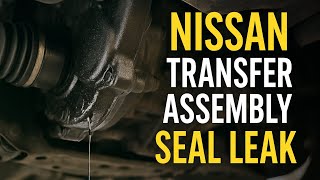
A reddish or brownish fluid puddle under the front-middle of the vehicle is a major red flag. 🎬 See how to identify and fix this common AWD fluid leak The transfer case uses a specific gear oil for lubrication, and a leak from a worn seal or gasket can lead to low fluid levels, causing overheating and rapid internal wear. Leaks are often found on the passenger side where the drive shaft connects.
Vibrations and Shuddering
If you feel excessive vibrations or a shuddering sensation while driving, especially at higher speeds, it could indicate an imbalance or a problem with the transfer case's internal components. This can feel like driving over a rough patch of road even when the surface is smooth.
Difficulty Shifting or Engaging AWD
In some cases, a failing transfer case can make it difficult to shift gears or cause the 'AWD Lock' or other warning lights to appear on the dashboard. The vehicle may struggle to engage all-wheel drive, or it might feel like the drivetrain is binding or locking up.
Known Issues, TSBs, and Recalls
While there are no major recalls for the transfer case assembly itself, Nissan has issued several Technical Service Bulletins (TSBs) related to fluid leaks from the transfer case seals.
- TSB NTB21-094B: This is a significant TSB that addresses fluid leaks from the transfer assembly's right side drive shaft oil seal. It applies to 2014-2023 Rogue models, among other Nissan vehicles. The bulletin instructs technicians to replace both the drive shaft oil seal and the dust seal any time the front right drive shaft is removed for service. Leaks often appear after a separate repair, like a CV axle replacement, was performed.
- TSB NTB17-003C / NTB15-070: These earlier bulletins also address fluid leaks from the transfer case seals, advising against replacing the entire assembly for a simple seal leak. They provide procedures for replacing the specific seals causing the leak.
Pro Tip: If you notice a fluid leak, check the fluid level and condition immediately. If the fluid is dark, has a burnt smell, or contains metal particles, the internal components may already be damaged, and a full replacement is likely necessary. If the fluid looks clean, simply replacing the seals according to the TSB may solve the problem.
Buying a Used Nissan Rogue Transfer Case
A used OEM transfer case can be a cost-effective and reliable alternative to an expensive new unit. Since these parts are designed specifically for your vehicle, they often offer better fit and longevity than new aftermarket options. However, careful inspection and verification are key.
Mileage and Wear
While there is no specific mileage at which these units fail, lower mileage is always preferable. Aim for a unit from a vehicle with under 100,000 miles if possible. The most important factor is not mileage alone, but evidence of proper maintenance. A unit from a higher-mileage vehicle that had its fluid changed regularly may be in better condition than a low-mileage unit that was run low on fluid.
Physical Inspection Checklist
- Check for Leaks: Look for any signs of current or past fluid leaks, especially around the seals and case seams. Staining or built-up grime can indicate a long-term leak.
- Inspect the Case: Carefully check the aluminum housing for any cracks, deep gouges, or signs of impact damage.
- Check the Shafts: The input and output shafts (where the driveshafts connect) should have minimal play. Try to wiggle them by hand; excessive movement can indicate worn internal bearings.
- Verify Part Numbers: Most importantly, match the part number on the used unit to the one required for your vehicle's specific VIN and engine configuration.
Replacement and Installation Tips
Replacing the transfer case is a moderately difficult job that typically requires lifting the vehicle for access. It involves removing the driveshafts, exhaust components, and various brackets.
Related Parts to Inspect
When the transfer case is removed, it's a good time to inspect related components for wear:
- Driveshaft U-Joints and Carrier Bearings: Check for any play or roughness.
- Axle Seals: As noted in the TSBs, it is highly recommended to replace the axle seals when the transfer case is serviced to prevent future leaks.
- Transmission Output Seal: Inspect the seal where the transfer case mates to the transmission.
Fluid Requirements
The transfer case requires a specific type of gear oil. Using the wrong fluid can cause damage not covered by warranty. Many owners and service manuals specify an 80W-90 or 75W-90 gear oil. Always confirm the correct fluid type for your specific year and model in the owner's manual or service guide. When refilling, ensure the vehicle is level to get an accurate fluid level reading.
Pro Tip: When performing a fluid change, always remove the fill plug before removing the drain plug. If you drain the fluid and then discover the fill plug is seized, you will be unable to refill the transfer case and the vehicle will be immobile.
Cost Comparison
The cost to replace a Nissan Rogue transfer case can vary significantly based on the part source and labor rates.
| Part Source | Estimated Part Cost |
|---|---|
| New OEM | $1,700 - $2,200 |
| New Aftermarket | $795 - $900 |
| Used OEM | $175 - $400 |
| Remanufactured | $900 - $1,500 |
| Shop Labor | $400 - $700 |
Frequently Asked Questions (FAQ)
How do I know if my Rogue is USA, Japan, or Korea-built?
Look at the first character of your VIN. A '5' indicates it was built in the USA. A 'J' indicates it was built in Japan, and a 'K' indicates it was built in Korea. This is the most critical step for ensuring you order the correct transfer case for 2014-2020 models.
Can I drive my Rogue with a failing transfer case?
It is not recommended. Continuing to drive can cause the transfer case to lock up or fail completely, which could lead to a loss of vehicle control. It can also cause catastrophic damage to the transmission and other expensive drivetrain components.
How often should the transfer case fluid be changed?
While some owner's manuals may not specify an interval, many experienced mechanics recommend changing the transfer case fluid every 30,000 to 50,000 miles to prolong its life. The fluid that comes out is often very dark, indicating significant wear even at lower mileages.
Is a transfer case the same as a transmission or a differential?
No. The transmission changes gears to control speed. The transfer case takes power from the transmission and splits it between the front and rear axles for AWD. The differentials (one front, one rear) then allow the left and right wheels on each axle to spin at different speeds when turning.
Helpful Videos


Technical Specifications
OEM Part Numbers: 33100-4BA0B 33100-4BA0D 33100-4BC0A 33100-4BC0B 33100-4BC0C 33100-6RA0A
Fluid Type: API GL-5 80W-90 or 75W-90 Gear Oil (verify with owner's manual)
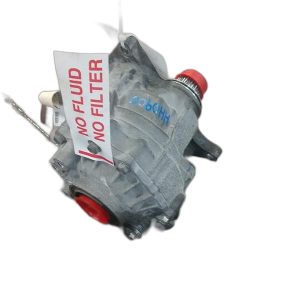
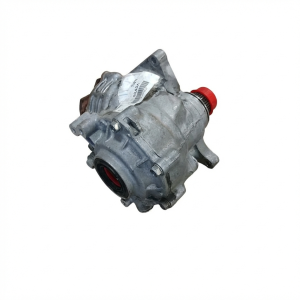
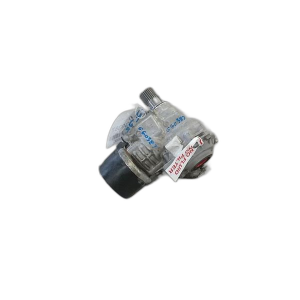
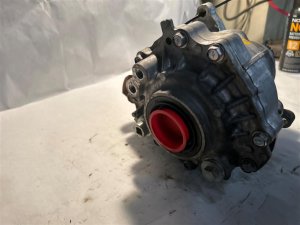
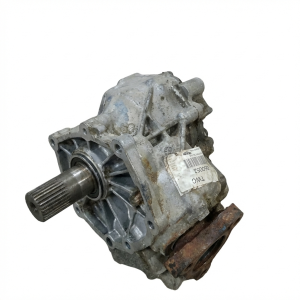
We Have This Part in Stock

The information in this article is provided for general reference and educational purposes only. Vehicle specifications, procedures, and part compatibility can vary by production date, trim level, and region. Always consult your vehicle's factory service manual and verify part numbers before purchasing or performing repairs. Safety-critical components such as airbags, seat belts, and braking systems should be installed by a qualified professional.
- Nissan Rogue:
- 🎬 Helpful Videos
- 🛍️ Shop This Part
- Critical Compatibility Warnings: Don't Get The Wrong Part!
- Symptoms of a Failing Transfer Case
- Noises: Grinding, Whining, or Clunking
- Fluid Leaks
- Vibrations and Shuddering
- Difficulty Shifting or Engaging AWD
- Known Issues, TSBs, and Recalls
- Buying a Used Nissan Rogue Transfer Case
- Mileage and Wear
- Physical Inspection Checklist
- Replacement and Installation Tips
- Related Parts to Inspect
- Fluid Requirements
- Cost Comparison
- Frequently Asked Questions (FAQ)
- 🎟️ Get 5% Off