

2003-2006 Mitsubishi Outlander Rear Differential Whine: A Guide to the Ring & Pinion
Diagnosing and replacing the 3.312 ratio rear ring and pinion gear set in your All-Wheel Drive (AWD) Mitsubishi Outlander.
- This part is in the REAR DIFFERENTIAL on AWD models, not the transmission. The 3.312 gear ratio is critical and must be matched.
- The most common failure symptom is a whining noise from the rear that changes pitch with vehicle speed.
- A 'clunk' noise is often a worn differential mount, a much cheaper fix. Always check mounts before condemning the differential.
- It is almost always more cost-effective and reliable to replace the entire rear differential assembly with a used OEM unit than to replace the internal gears.
Symptoms of a Failing Ring and Pinion
A failing rear differential ring and pinion set on a 2003-2006 Outlander almost always gives audible warnings. Recognizing these sounds is the first step to a correct diagnosis.
1. Whining or Howling Noise
This is the most common symptom. You will hear a distinct whining or howling sound coming from the rear of the vehicle. This noise is directly related to vehicle speed, not engine RPM. It will change pitch as you speed up or slow down and is often most noticeable during acceleration. 🎬 Watch: Hear what a whining differential sounds like during acceleration. A worn ring and pinion gear set causes this noise because the gear teeth no longer mesh perfectly, creating a high-pitched vibration as they turn.
2. Clunking or Banging Noises
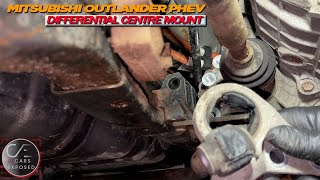
A clunking sound when you shift from Park to Drive, or when you get on and off the accelerator, can point to a few different issues. If the gear teeth are severely damaged or broken, it can cause a loud clunking sound. However, a very common and often misdiagnosed issue on these Outlanders is a worn rear differential mounting bracket. The rubber in the mount wears out, allowing the entire differential to move and 'thud' against the subframe 🎬 See how a worn mount causes that common thud noise. during changes in load. Always inspect the differential mounts before assuming the internal gears are bad.
3. Rumbling or Grinding
A rumbling or grinding noise that gets worse over time can indicate that the pinion or carrier bearings inside the differential are failing. This can be caused by fluid contamination or simply high mileage. When these bearings fail, they can allow the ring and pinion gears to move out of alignment, which quickly destroys the gears themselves.
Known Issues, Recalls, and Technical Service Bulletins (TSBs)
While this generation of Outlander had several recalls, none were issued for the internal components of the rear differential. Research has not identified any Technical Service Bulletins (TSBs) from Mitsubishi specifically addressing ring and pinion failure for the 2003-2006 models.
Common Failure Points:
- Worn Differential Mounts: As mentioned, a 'clunk' from the rear is frequently caused by worn rubber mounts, not bad gears. This is a much less expensive repair and should be the first thing you check.
- Leaking Axle or Pinion Seals: The seals that keep gear oil inside the differential can become hard and brittle with age, leading to leaks. Low fluid level is a primary cause of accelerated wear and eventual failure of the gears and bearings.
Pro Tip: Before condemning your differential, rule out other common sources of rear-end noise. Worn wheel bearings often produce a rumbling or roaring noise that sounds very similar to a bad differential. Unevenly worn tires can also create a humming noise. A mechanic can use a stethoscope while the vehicle is on a lift to pinpoint the exact source of the noise.
Buying a Used 2003-2006 Outlander Ring and Pinion
Replacing the internal ring and pinion gears is a complex and expensive job that requires specialized tools and knowledge to set the gear mesh (backlash) and bearing tension (preload) correctly. For this reason, it is almost always more practical and cost-effective to replace the entire rear differential assembly with a good, low-mileage used unit.
What to Check Before You Buy a Used Assembly:
- Verify the Gear Ratio: This is the most important step. You MUST ensure the replacement differential has the same 3.312 gear ratio as your original. The seller should be able to guarantee this. Installing the wrong ratio will destroy your AWD system.
- Physical Inspection: Look for any signs of heavy leaking around the pinion seal (where the driveshaft connects) and the axle seals. Some dampness can be normal, but heavy, wet oil is a red flag.
- Check for Play: Grab the input flange (the yoke where the driveshaft bolts up) and try to turn it back and forth. There should be a very small amount of rotational play (this is the backlash). There should be no in-and-out or up-and-down movement.
- Smooth Rotation: Turn the input flange by hand. It should rotate smoothly, without any grinding or catching.
- Check the Fluid (If Possible): Ask the seller if you can open the fill plug and get a small sample of the fluid. A metallic sheen or very fine, paste-like shavings on the magnetic drain plug are normal. However, if the oil contains large metal chunks or looks like metallic paint, the differential has severe internal damage.
- Mileage History: Always choose an assembly from a vehicle with the lowest possible mileage.
Replacement Difficulty & Labor
- Gear Set Replacement: This is rated 5 out of 5 for difficulty. It is not a DIY job for the average mechanic. It requires dial indicators, a hydraulic press, and specialized knowledge to set clearances to factory specifications. Failure to do so will result in immediate noise and rapid failure of the new gears.
- Complete Assembly Replacement: This is rated 4 out of 5. It is a feasible job for an experienced DIY mechanic with a good set of tools. The process involves safely supporting the vehicle, removing the rear exhaust section, disconnecting the driveshaft and both rear axles, unbolting the differential mounts, and lowering the entire assembly. The job typically takes 4-6 hours. 🎬 Watch: Step-by-step guide to replacing the entire rear differential assembly.
Cost Comparison
Prices can vary significantly based on your location and the supplier. The following is an estimated breakdown to illustrate the value of a used assembly.
| Part/Service | Estimated Cost | Notes |
|---|---|---|
| New OEM Gear Set (Part Only) | $800 - $1500+ | May be discontinued or difficult to source. Does not include bearings or seals. |
| New Aftermarket Gear Set (Part Only) | $400 - $700 | Quality can vary. Does not include required master install kit (bearings, seals, shims). |
| Used OEM Differential Assembly | $100 - $450 | The most cost-effective solution. Price varies by mileage and condition. |
| Shop Labor (Gear Set Install) | $800 - $1500+ | Specialized labor is costly. |
| Shop Labor (Assembly Swap) | $400 - $700 | Fewer labor hours than a gear set install. |
Technical Specifications
| Specification | Value |
|---|---|
| Vehicle Fitment | 2003-2006 Mitsubishi Outlander (AWD Models Only) |
| Part Location | Rear Differential |
| Gear Ratio | 3.312 : 1 |
| Known OEM Part Numbers | MR208481, MR476114 |
| Recommended Gear Oil | API GL-5, SAE 80W-90 or 75W-90 Hypoid Gear Oil |
Frequently Asked Questions (FAQ)
Can I just change the fluid to stop the whining noise?
If the noise has already started, the gear surfaces are already worn and damaged. Changing the fluid is good maintenance and may slightly quiet the noise, but it will not fix the underlying mechanical problem. The noise will eventually return and continue to worsen.
Is it dangerous to drive with a whining differential?
In the early stages, a whining differential is generally safe to drive for short distances, but it should be addressed as soon as possible. As the wear progresses, the risk of a gear tooth breaking off increases. In a worst-case scenario, the differential could lock up, causing the rear wheels to stop suddenly and leading to a loss of vehicle control.
How can I tell if the noise is from the differential or a wheel bearing?
A wheel bearing noise is also speed-dependent but often changes when you turn. For example, a bad right-rear wheel bearing may get louder when you make a left turn (loading the bearing) and quieter on a right turn. Differential whine typically stays the same or changes only with acceleration or deceleration, not turning.
Why is replacing the whole assembly better than just the gears?
It comes down to cost and reliability. The labor to properly install a new ring and pinion gear set often exceeds the cost of a complete, low-mileage used differential assembly. A used OEM assembly is a factory-built unit with correctly set clearances, making it a more reliable and straightforward swap.
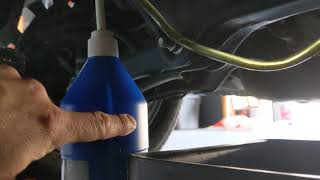
Helpful Videos
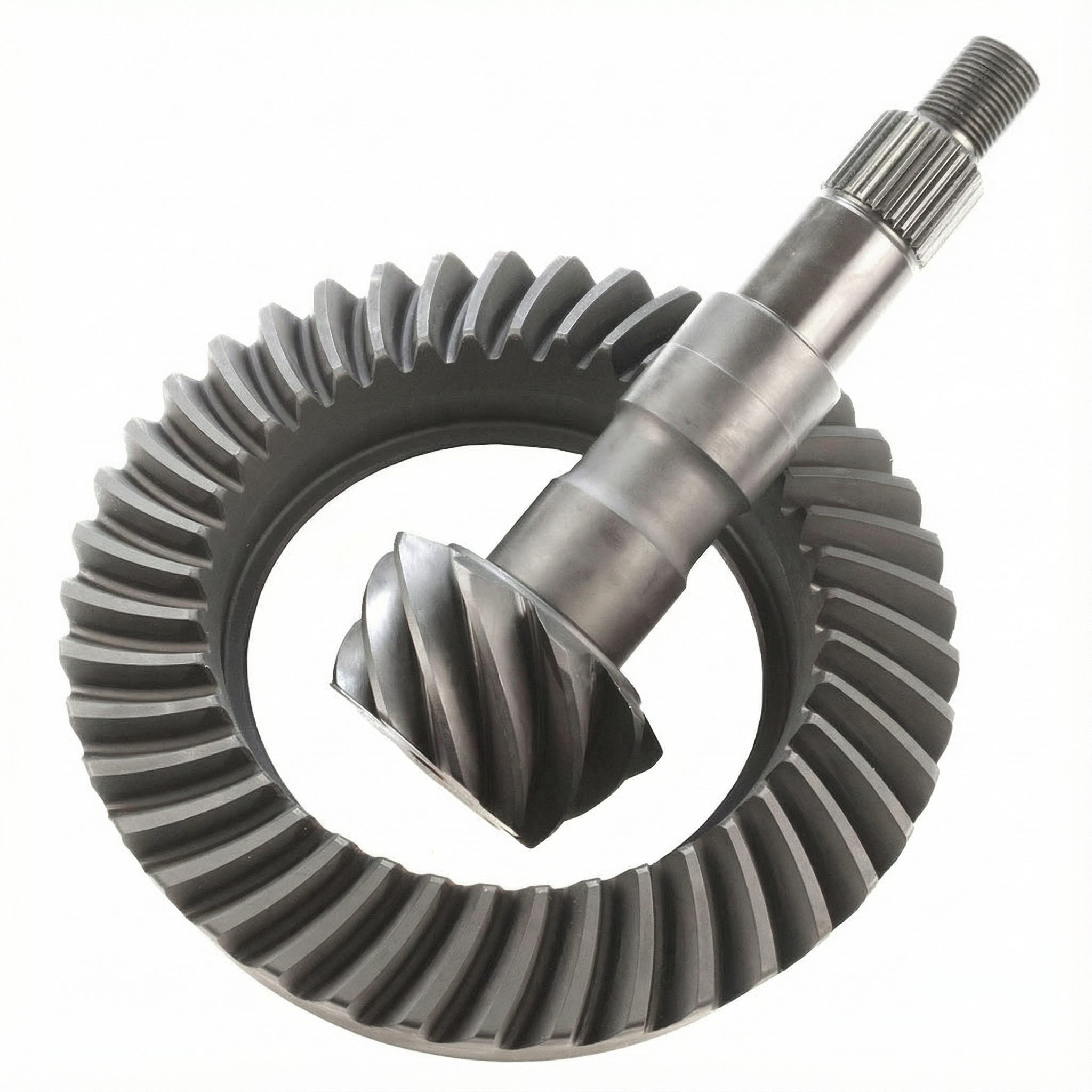
Technical Specifications
OEM Part Numbers: MR208481 MR476114
Fits: 2003-2006 Mitsubishi Outlander (AWD only). Type: Rear Differential Ring and Pinion Gear Set. Ratio: 3.312:1.
We Have This Part in Stock

The information in this article is provided for general reference and educational purposes only. Vehicle specifications, procedures, and part compatibility can vary by production date, trim level, and region. Always consult your vehicle's factory service manual and verify part numbers before purchasing or performing repairs. Safety-critical components such as airbags, seat belts, and braking systems should be installed by a qualified professional.
- Mitsubishi Outlander:
- 🎬 Helpful Videos
- 🛍️ Shop This Part
- Symptoms of a Failing Ring and Pinion
- 1. Whining or Howling Noise
- 2. Clunking or Banging Noises
- 3. Rumbling or Grinding
- Known Issues, Recalls, and Technical Service Bulletins (TSBs)
- Common Failure Points:
- Buying a Used 2003-2006 Outlander Ring and Pinion
- What to Check Before You Buy a Used Assembly:
- Replacement Difficulty & Labor
- Cost Comparison
- Technical Specifications
- Frequently Asked Questions (FAQ)
- 🎟️ Get 5% Off