

2007-2014 Edge & 2007-2010 MKX Liftgate Module: Solving Battery Drain & Failure
This guide diagnoses the common failures of the Rear Gate Trunk Module (RGTM) in the Ford Edge and Lincoln MKX, focusing on parasitic battery drain, erratic operation, and replacement.
- The most common failure symptom is a parasitic battery drain caused by the module failing to enter sleep mode.
- Water intrusion is a primary cause of module failure; inspect any used module for corrosion before buying.
- This module does not require dealer programming for these vehicles, but a battery-disconnect reset is necessary after installation.
- Before replacing the module, check fuses and ensure the separate gas lift supports are not weak, as they can cause similar symptoms.
Symptoms of a Failing Liftgate Control Module
When the RGTM begins to fail, it can manifest in several ways. Because it controls the entire system, symptoms can sometimes be confusing and may seem unrelated to the liftgate at first.
- Parasitic Battery Drain: This is the most common and frustrating symptom. You park the vehicle overnight, and the battery is dead the next morning. This happens because the module fails to go to sleep, continuously drawing power. This can also cause interior lights to stay on or cycle erratically.
- Liftgate Operates Erratically: The liftgate may start to open and then immediately close, or refuse to open all the way. It might also fail to latch completely, leaving an 'Ajar' message on the dashboard.
- Total Failure to Operate: The power liftgate may stop responding entirely to the key fob, interior button, or the button on the hatch itself. You may hear a click from the latch, but the motor won't engage to lift the gate.
- Grinding or Unusual Noises: While often related to the motor or latch mechanism, a faulty module can send improper signals, causing the motor to operate incorrectly and produce strange noises.
Known Issues, TSBs, and Recalls
While no major recalls exist specifically for the liftgate module on the 2007-2014 Ford Edge and 2007-2010 Lincoln MKX, several related issues are well-documented in forums and for similar Ford models.
- Water Intrusion: The RGTM is located behind the passenger side trim panel in the rear cargo area. Water leaks from the roof, taillight seals, or body seams can drip directly onto the module, causing corrosion and short-circuiting the internal components. This is a very common cause of failure.
- Weak Lift Supports: The gas-charged struts that help lift the tailgate wear out over time. When they become weak, the power lift motor has to work much harder. This extra strain can cause the system to fault and may contribute to premature wear on the motor and module.
- Software Glitches: On some Ford models, software issues within the RGTM can cause erratic behavior. While specific TSBs often target newer model years, the underlying principle of a software glitch causing problems is relevant. A simple system reset often resolves these temporary issues.
Diagnosing the Problem
Before replacing parts, a few diagnostic steps can help pinpoint the issue.
- Check the Fuses: The power liftgate system is protected by multiple fuses. There is typically a 30A J-case fuse in the under-hood fuse box (often labeled for the LTM or Liftgate Module) and smaller fuses in the interior fuse panel. Always check these first. 🎬 Watch: How to find and check your power liftgate fuse.
- Perform a System Reset (Initialization): Often, a simple reset can fix temporary glitches. Ford calls this a "Power Liftgate Initialization." You can achieve this by disconnecting the negative battery terminal for at least one minute. Alternatively, you can pull the specific fuse for the liftgate module for about 20-30 seconds. After reconnecting power, the system should reset. Note that disconnecting 🎬 See this video for more Ford liftgate module reset tips. the battery may require the vehicle's computer to relearn idle and transmission shift points.
- Inspect the Module for Water Damage: Remove the rear cargo trim panel on the passenger side to access the RGTM. Disconnect the electrical connectors and inspect the module's pins and the connectors themselves for any green or white corrosion, which is a clear sign of water damage. If corrosion is present, the module is likely bad.
- Check Battery Voltage: A low battery can cause the liftgate to act strangely, as the module is sensitive to voltage drops. Ensure your battery is fully charged and in good health before diagnosing liftgate problems.
Pro Tip: If your liftgate opens slightly and then stops, or struggles to lift, check your gas support struts. Replace them if they are weak. They are inexpensive and easy to replace, and worn struts are a common root cause of power liftgate problems.
🎬 Watch: Step-by-step guide to replacing your liftgate lift supports.Buying a Used Trunk Lid Pull Down Motor
The term "Trunk Lid Pull Down Motor" can be confusing. The system has three main parts: the Rear Gate Trunk Module (RGTM), the Power Lift Motor (a large strut assembly), and the Latch Actuator. The RGTM (part numbers like 7A1Z-14B291-A) is the most common electronic failure point.
When buying a used RGTM, follow these guidelines:
- Match the Part Number Exactly: While several part numbers may supersede each other, it is safest to match the number on your original module precisely. This ensures compatibility with your vehicle's specific options and wiring.
- Inspect for Water Damage: This is the #1 killer of these modules. Ask the seller for clear photos of the electrical pins. Do not buy a module that shows any signs of corrosion, water stains, or rust on its casing or connectors.
- Source from a Dry Climate: If possible, purchase a part that came from a vehicle in a dry, rust-free region. This dramatically reduces the chance of pre-existing water damage.
- Why Used OEM is a Good Choice: A used OEM module that is clean and dry is often a more reliable and affordable choice than a new aftermarket part. Aftermarket electronics can have compatibility and quality control issues, whereas a used OEM part is guaranteed to have the correct software and fitment, provided it is in good condition.
Programming and Installation
For the 2007-2014 Edge and 2007-2010 MKX, replacing the RGTM typically does not require programming by a dealer. It is a plug-and-play part. However, after installation, you must perform the initialization procedure (disconnecting the battery or fuse) to allow the new module to learn the liftgate's position. In some rare cases or if other system faults are present, a dealer-level scan tool might be needed to clear stored fault codes.
Warning: When disconnecting the battery, wait at least one minute after turning the ignition off before removing the cable. Disconnecting it too soon can set unrelated diagnostic trouble codes in other modules, like the ABS system.
Cost to Replace Liftgate Components
Prices can vary based on location and supplier. The following table provides an estimated cost comparison for the different parts of the power liftgate system.
| Part | New OEM | New Aftermarket | Used OEM | Shop Labor |
|---|---|---|---|---|
| Rear Gate Trunk Module (RGTM) | $250 - $400 | $150 - $250 | $50 - $125 | $75 - $150 |
| Power Lift Motor (Strut) | $400 - $600 | $200 - $350 | $75 - $150 | $120 - $180 |
| Latch Assembly | $200 - $300 | $80 - $150 | $40 - $80 | $100 - $200 |
Frequently Asked Questions
Does the liftgate module need to be programmed after replacement?
No, for the 2007-2014 Ford Edge and 2007-2010 Lincoln MKX, the Rear Gate Trunk Module (RGTM) does not typically require programming. However, you must perform a system reset/initialization by disconnecting the battery or the module's fuse for at least a minute to allow the system to recognize the new part.
Why did my power liftgate suddenly drain my battery?
A dead battery is a classic symptom of a failed liftgate control module. The module gets stuck in an 'awake' state and creates a parasitic draw that drains the battery, usually overnight. This can be caused by internal failure or water damage to the module.
Can I open my trunk manually if the power liftgate fails?
Yes. If the power function fails, you should still be able to unlatch the trunk using the exterior release button (as long as the latch itself is working) and then lift the gate by hand. If the gate is completely stuck, there is usually an emergency release lever accessible from inside the cargo area, often behind a small plastic cover on the interior liftgate trim panel.
Is the liftgate motor the same as the module?
No. The system has three key parts: the module (the computer), the motor (the powered strut that lifts the door), and the latch (the mechanism that locks the door). The module is the most common point of electronic failure, while the motor can fail mechanically and the latch can get stuck.
Helpful Videos

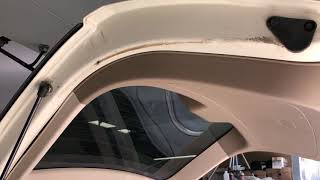

Technical Specifications
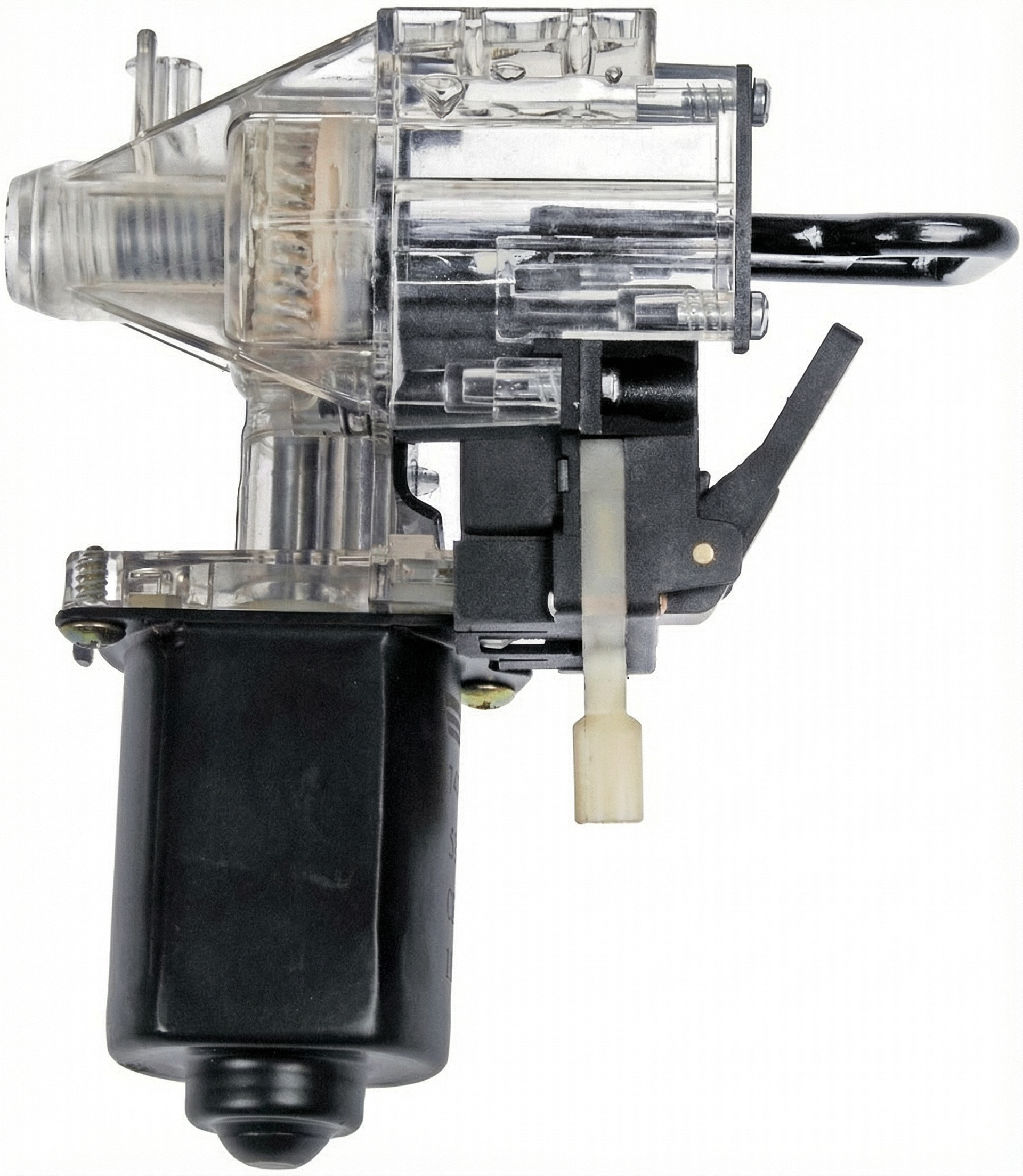
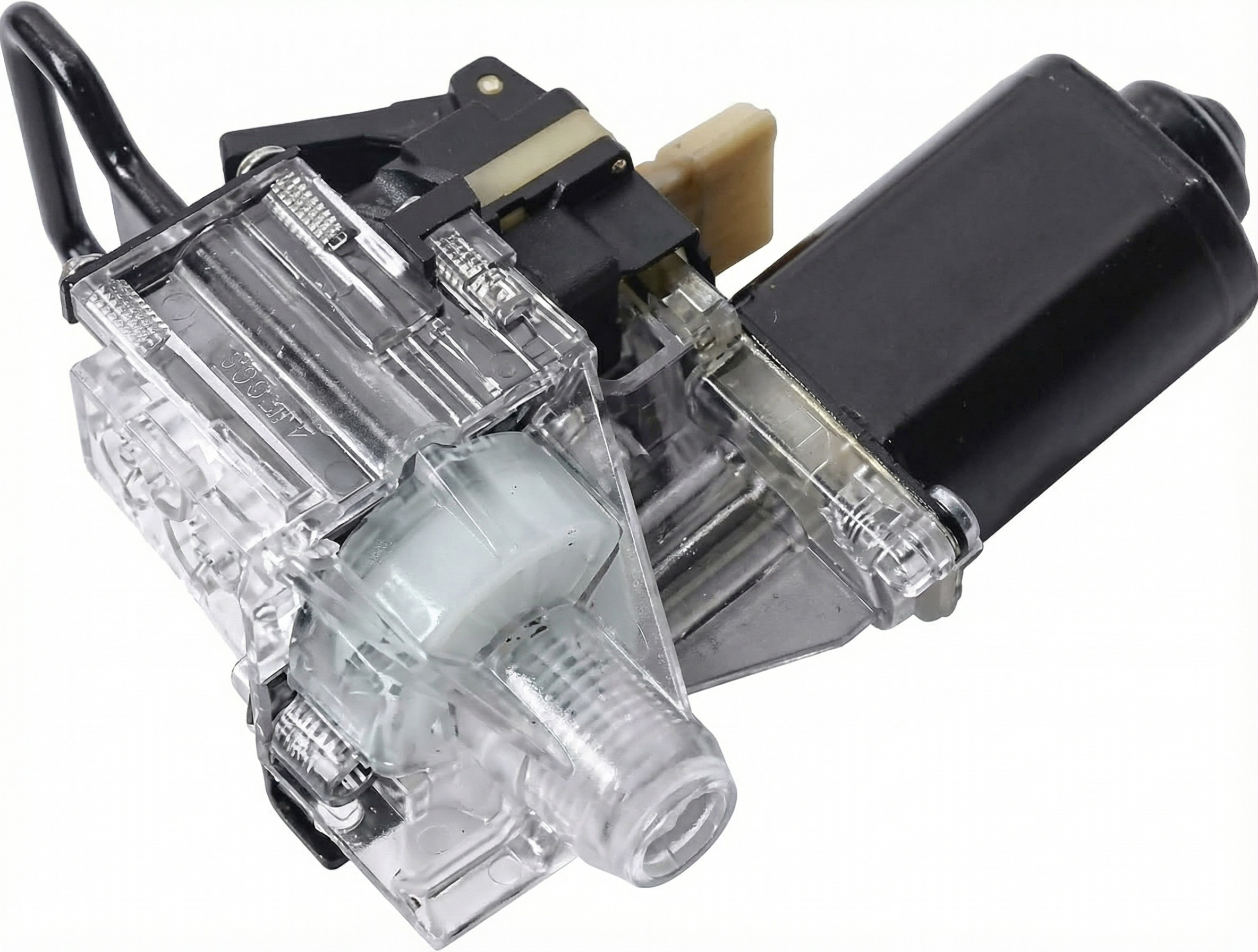
OEM Part Numbers: 7A1Z-14B291-A 8A1T-17404D06-AC 9A1T-17404D06-AC
The part is a Rear Gate Trunk Module (RGTM) that controls the power liftgate system. It is located behind the passenger side trim panel in the cargo area.
We Have This Part in Stock

The information in this article is provided for general reference and educational purposes only. Vehicle specifications, procedures, and part compatibility can vary by production date, trim level, and region. Always consult your vehicle's factory service manual and verify part numbers before purchasing or performing repairs. Safety-critical components such as airbags, seat belts, and braking systems should be installed by a qualified professional.
- Ford Edge:
- Lincoln MKX: