

2011-2017 BMW X3 N55 Turbocharger: Diagnosing Failures vs. Common Charge Pipe & Gasket Leaks
This guide covers the key failure points of the N55 turbocharger, how to distinguish them from more common (and cheaper) problems, and what to inspect on a used unit.
- Before suspecting the turbo, ALWAYS inspect the plastic charge pipe for cracks or breaks; its failure is extremely common and mimics turbo failure.
- A leaking Oil Filter Housing Gasket (OFHG) is a critical issue that must be fixed immediately to prevent oil starvation that will destroy the turbo.
- When buying a used turbo, check for shaft play. Any noticeable in-and-out (axial) movement means the turbo is bad.
- Turbo replacement is a 10+ hour job for a professional and is not recommended for DIY mechanics.
Is Your Turbo Really Blown? First, Check the Charge Pipe.

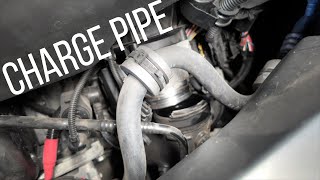
Critical First Step: Before you condemn the turbocharger, you MUST inspect the charge pipe. The N55 engine is notorious for its factory plastic charge pipe becoming brittle and failing, often with a loud bang followed by a complete loss of power. 🎬 Watch: How to identify a blown charge pipe The symptoms are nearly identical to a catastrophic turbo failure but it is a much cheaper and easier part to replace. Check the plastic pipe that runs from the intercooler to the throttle body for cracks, splits, or a complete separation.
Symptoms of a Failing Turbocharger

If you've ruled out a broken charge pipe, here are the primary symptoms of a failing N55 turbocharger:
- Loss of Power: The vehicle may feel sluggish and struggle to accelerate, especially at higher speeds or under load. This happens because the turbo is no longer providing the expected amount of boost.
- Whining or Siren-Like Noise: A high-pitched, siren-like sound from the engine bay that changes with engine RPM is a classic sign of a failing turbo. This is often caused by damaged compressor or turbine blades, or failing bearings.
- Excessive Exhaust Smoke: Blue or grayish smoke from the exhaust, particularly during acceleration, indicates that the turbo's internal seals have failed. This allows engine oil to leak into the exhaust system where it gets burned off.
- Increased Oil Consumption: A direct result of leaking turbo seals, you may notice you need to add oil more frequently between changes.
- Check Engine Light: The vehicle's computer will detect that the engine is not receiving the commanded amount of boost and will trigger a check engine light. Common fault codes include those for "underboost" or wastegate-related issues.
Known Issues & Common Causes of Failure


Beyond the turbo itself, several other common N55 engine issues can directly cause turbo failure or present similar symptoms.
1. Oil Filter Housing Gasket (OFHG) Leak
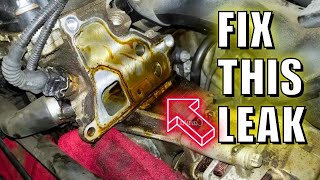
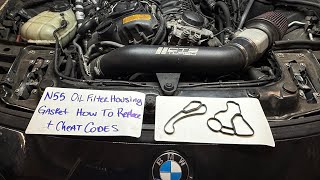
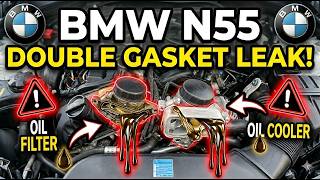
This is arguably the most critical failure point on the N55 engine. The gaskets sealing the oil filter housing to the cylinder head degrade over time, causing significant oil leaks. This presents two major dangers:
- Oil Starvation: A severe leak can lower engine oil levels, starving the turbocharger of its crucial oil supply for lubrication and cooling. This will rapidly destroy the turbo's bearings.
- Serpentine Belt Destruction: Leaking oil often drips directly onto the serpentine belt. The oil-soaked belt can slip off its pulleys, get shredded, and be ingested by the engine through the front crankshaft seal, leading to catastrophic engine failure that is far more expensive than the initial gasket leak.
Pro Tip: If you see any oil residue around the oil filter housing, replace the gasket immediately. It is a critical preventative repair that can save you from replacing the engine or turbocharger.
🎬 See this critical advice before replacing your oil filter gasket2. Wastegate Failure
The wastegate controls boost pressure by allowing some exhaust gas to bypass the turbine. The N55 engine used two types: a pneumatic (vacuum-operated) version on earlier models and an electronic actuator (EWG) on later models. Both can fail.
- Pneumatic Wastegate (PWG): The actuator can fail, or the linkage can wear, causing a rattling noise and poor boost control.
- Electronic Wastegate (EWG): The electronic motor or position sensor can fail, leading to underboost or overboost conditions and specific fault codes like "123432 - Electrical wastegate, stop learning: stop position... outside of tolerance." In some cases, the actuator needs to be replaced and calibrated using diagnostic software.
3. Contaminated Oil / Long Oil Change Intervals
The turbocharger's bearings spin at extremely high speeds and are entirely dependent on a clean, steady supply of engine oil. Following extended oil change intervals (like the 15,000 miles sometimes suggested by the vehicle's computer) can lead to oil breakdown and contamination, which will wear out the turbo bearings prematurely. More frequent oil changes (every 5,000-7,500 miles) are highly recommended to preserve turbo life.
Buying a Used Turbocharger: What to Inspect
A quality used OEM turbo can be a great value, but it's crucial to inspect it carefully. A bad used turbo can fail quickly and send metal fragments into your engine.
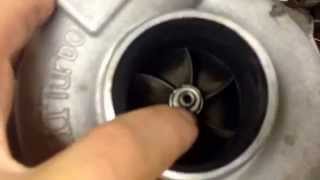
- Check for Shaft Play: This is the most important test. Grab the nut on the compressor wheel (the wheel on the cold air intake side).
- Radial Play (Side-to-Side): Gently try to wiggle the shaft from side to side. A very small amount of movement is normal, but if you can feel a distinct 'clunk' or if the wheel can touch the housing, the bearings are worn out.
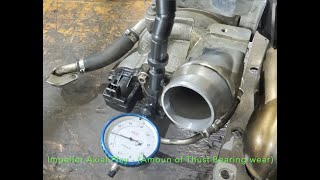
- Axial Play (In-and-Out): Try to push and pull the shaft in and out along its axis. There should be almost zero perceptible movement. Any noticeable in-and-out play means the thrust bearing has failed and the turbo is junk. 🎬 Watch: How to check for turbo shaft play
- Inspect the Wheels: Look closely at both the compressor (aluminum) and turbine (darker metal) wheels. The blades should be straight, evenly spaced, and have no chips, cracks, or signs of bending. Any damage indicates the turbo has ingested foreign material or has contacted the housing.
- Look for Housing Contact: Check the inside of the housing walls around the wheels for any scoring or scrape marks. This is a clear sign that excessive shaft play has allowed the wheels to hit the housing.
- Spin the Shaft: The wheel assembly should spin freely and smoothly with no grinding or scraping sounds.
- Check the Wastegate: Ensure the wastegate flap is present and not damaged. The arm should move, though it may be stiff depending on the actuator type.
- Look for Oil: Check the intake and exhaust ports for excessive wet oil, which could indicate failed seals. A light oily film can be normal, but pooled oil is a red flag.
Recalls and Service Bulletins
While there are no specific recalls for the turbocharger on the 2011-2017 BMW X3, several other relevant recalls have been issued for the vehicle and its N55 engine.
- NHTSA Recall 23V707000: Affects certain 2010-2012 models. The aluminum bolts for the VANOS variable camshaft timing unit can loosen or break, potentially causing an engine stall.
- NHTSA Recall 17V683000: Affects certain 2007-2011 models. The Positive Crankcase Ventilation (PCV) valve heater may short circuit, creating a fire risk even when the vehicle is off.
- NHTSA Recall 16V333000: The lower anchor bars for child seats may be damaged when using certain types of child restraints.
Cost Comparison

| Part Type | Estimated Cost |
|---|---|
| New OEM (BorgWarner) | $1,400 - $1,600 |
| Used OEM | $300 - $600 |
| New Aftermarket (Upgraded) | $900 - $3,500+ |
| Shop Labor for Replacement | $1,300 - $1,800 |
Frequently Asked Questions (FAQ)
Is my turbo really blown, or is it just the charge pipe?
A failed charge pipe will cause a sudden, loud pop or bang, followed by a dramatic loss of power and a loud whooshing sound under acceleration. A failing turbo is often more gradual, with symptoms like whining noises, smoke from the exhaust, and a progressive loss of power. Always inspect the charge pipe first, as it is a very common point of failure and much cheaper to fix.
What is the main cause of N55 turbo failure?
The most common cause of premature turbo failure is oil starvation or contamination. This is often a secondary result of another common N55 issue: a leaking oil filter housing gasket (OFHG). The leaking gasket can lead to low oil levels, which destroys the turbo's bearings. Using fresh, high-quality oil and changing it frequently (every 5,000 miles) is the best way to protect your turbo.
Can I prevent my turbo from failing?
Yes, proactive maintenance is key. 1) Address oil leaks from the valve cover and oil filter housing immediately. 2) Shorten your oil change intervals to 5,000-7,500 miles. 3) Allow the engine to warm up properly before driving aggressively and let it idle for 30-60 seconds before shutting it down after a hard drive to allow the turbo to cool. 4) Consider upgrading the plastic charge pipe to a more durable aluminum version as a preventative measure.
Is it difficult to replace the N55 turbo?
Yes, this is a very difficult and time-consuming job. The turbo is integrated with the exhaust manifold and is located in a tight space. The replacement procedure involves removing numerous components and requires special tools. Labor time is typically estimated at 10 hours or more. This job is not recommended for a beginner or DIY mechanic without significant experience.
Helpful Videos




Technical Specifications
OEM Part Numbers: 11657583908 11657583909 11657636424 11657636425 11657636426 11657643115 11657648913 11654577236 11657588995
Engine: N55 3.0L Inline-6 Gasoline, Turbo Type: Single, Twin-Scroll with Integrated Exhaust Manifold, Manufacturer: BorgWarner
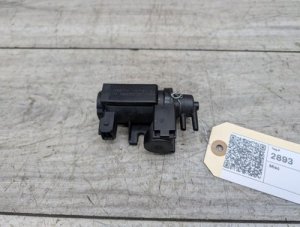
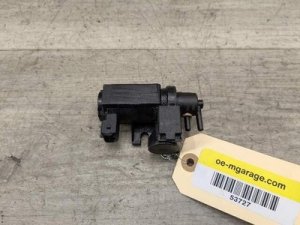
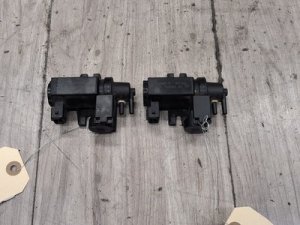
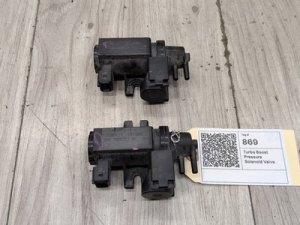
We Have This Part in Stock


The information in this article is provided for general reference and educational purposes only. Vehicle specifications, procedures, and part compatibility can vary by production date, trim level, and region. Always consult your vehicle's factory service manual and verify part numbers before purchasing or performing repairs. Safety-critical components such as airbags, seat belts, and braking systems should be installed by a qualified professional.
- BMW X3:
- 🎬 Helpful Videos
- 🛍️ Shop This Part
- Is Your Turbo Really Blown? First, Check the Charge Pipe.
- Symptoms of a Failing Turbocharger
- Known Issues & Common Causes of Failure
- 1. Oil Filter Housing Gasket (OFHG) Leak
- 2. Wastegate Failure
- 3. Contaminated Oil / Long Oil Change Intervals
- Buying a Used Turbocharger: What to Inspect
- Recalls and Service Bulletins
- Cost Comparison
- Frequently Asked Questions (FAQ)
- 🎟️ Get 5% Off