

Ford 1.6L EcoBoost Vacuum Pump Failure: 2013-2019 Escape, Fiesta, Fusion & Transit Connect
A hard brake pedal on your 1.6L EcoBoost is a serious safety issue, often caused by a failed, oil-starved vacuum pump.
- A hard brake pedal is the primary symptom and indicates an immediate and critical safety hazard.
- This pump is ONLY for the 1.6L EcoBoost engine in these Ford models.
- The leading cause of pump failure is oil starvation from clogged engine oil passages; you must verify oil flow before installing a replacement.
- On some models like the Escape, a seized pump can reportedly break apart and cause catastrophic engine damage.
Symptoms of a Failing Vacuum Pump

A failing vacuum pump on your Ford Escape, Fiesta, Fusion, or Transit Connect gives clear, and often dangerous, warning signs. The most critical symptom relates directly to your braking ability.
- Hard Brake Pedal: This is the most common and serious symptom. The brake pedal will feel stiff and require significantly more physical effort to press down. This indicates a loss of power brake assist.
- Increased Stopping Distance: Because you can't apply as much force to the brakes, the vehicle will take longer to stop, especially in panic situations.
- Intermittent Brake Assist: The power brakes might work sometimes and not others. This inconsistency can be unpredictable and dangerous.
- Oil Leak: A common failure is the seal between the pump and the cylinder head. This results in an oil leak on the driver's side of the engine, often dripping down onto the transmission.
- Hissing or Whining Noises: You might hear a hissing sound from a vacuum leak in the pump or its hoses. In some cases, a mechanical grinding or knocking from the pump itself can indicate severe internal wear.
- Check Engine Light: While less common for this specific failure, a related vacuum system issue could trigger a check engine light.
Warning: A hard brake pedal is a critical safety failure. Do not continue to drive a vehicle that has lost power brake assist. The increased pedal effort required can make it impossible to stop in an emergency.
Known Issues & Vehicle-Specific Information

This vacuum pump is used across the 2013-2016 Ford Escape, 2014-2019 Ford Fiesta (specifically the ST model), 2013-2014 Ford Fusion, and 2014-2016 Ford Transit Connect, but only on models equipped with the 1.6L EcoBoost turbocharged engine. The core problem and replacement procedure are the same for all these vehicles.
The Critical Role of Engine Oil
The number one killer of this vacuum pump is oil starvation. The pump is lubricated by engine oil fed through a small passage in the cylinder head. If engine maintenance is neglected, oil sludge can build up and restrict or completely block this passage. When the pump runs without oil, it quickly overheats and destroys its internal components, leading to seizure. This is why regular oil changes with the correct specification oil are critical for the 1.6L EcoBoost engine.
Catastrophic Failure on Ford Escape: There are reports of seized vacuum pumps on the 2016 Ford Escape fracturing and sending metal fragments into the engine or turbocharger. This can cause catastrophic engine damage, turning a relatively minor repair into a complete engine replacement. This highlights the importance of addressing a failing pump immediately.
Recalls and Technical Service Bulletins (TSBs)
As of early 2026, there are no specific recalls or widespread customer satisfaction programs from Ford for this mechanical vacuum pump failure on these models. While other TSBs exist for the 1.6L engine concerning turbo components or other issues, the vacuum pump itself is not directly addressed in a major service campaign.
Buying a Used Vacuum Pump: What to Check

A used OEM vacuum pump can be a cost-effective solution, but careful inspection is crucial due to the risk of oil starvation from the donor vehicle.
- Verify Compatibility: Ensure the pump is from a vehicle with a 1.6L EcoBoost engine. Part numbers like BM5Z-2A451-A, BM5G-2A451-EC, or the Motorcraft number BRPV-15 are correct.
- Check for Oil: The most important check. Look inside the pump's drive mechanism and ports. It should be coated in clean engine oil. If it looks dry, discolored from heat, or contains metal shavings, reject the part. It was likely starved of oil and is internally damaged.
- Inspect the Drive Tang: This is the part that engages with the camshaft. It should be straight and show no signs of sheering, twisting, or excessive wear.
- Examine the Housing: Check for any cracks or damage to the pump housing or the vacuum port nipple.
- Ask About the Donor Vehicle: If possible, find out the mileage of the donor car. A pump from a lower-mileage vehicle is always preferable. Pumps can begin to fail anywhere from 60,000 to 80,000 miles, though this varies widely.
Pro Tip: When you remove your old pump, inspect it for signs of oil starvation. If it's dry and scored, you must address the root cause. This may involve cleaning the oil passages in the cylinder head to ensure the new or used replacement pump receives proper lubrication. Failure to do so will cause the replacement pump to fail quickly.
Replacement Overview
Replacing the vacuum pump is a feasible DIY job for someone with basic mechanical skills. The pump is located on the driver's side of the cylinder head, near the top of the transmission.
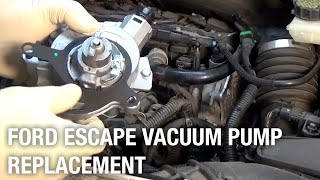
🎬 Watch this step-by-step replacement guide and diagnostic walkthrough.- Difficulty: 2 out of 5
- Estimated Time: 1-1.5 hours
- Common Tools: 8mm socket, ratchet, pliers, trim removal tool.
The basic steps involve removing the engine cover and air intake ducting for access. The vacuum line is disconnected by squeezing the tabs on the connector. The pump is held to the cylinder head by three 8mm bolts or studs. After removing them, the pump can be wiggled out. When installing the new pump, you must align the drive tang with the slot in the camshaft. Always use a new gasket or O-ring to prevent leaks.
Cost of Replacement
Here is an estimated cost breakdown for replacing the vacuum pump. Prices can vary by location and supplier.
| Part Type | Estimated Cost |
|---|---|
| New OEM (Dealer) | $230+ |
| New OEM (Online) | $140 - $160 |
| New Aftermarket | $115 - $170 |
| Used OEM | $40 - $80 |
| Shop Labor | $95 - $150 |
Frequently Asked Questions (FAQ)
Can I drive my car with a bad vacuum pump?
No. While the engine will run, the loss of power brake assist makes the vehicle unsafe to drive. The amount of pedal force required to stop is dangerously high, especially for an emergency stop. The vehicle should be towed for repair.
Is the vacuum pump the same on the 1.5L, 2.0L, or 2.5L engines?
No, this specific vacuum pump and its common issues are for the 1.6L EcoBoost engine only. Other engines in the Escape, Fusion, and Transit Connect use different vacuum pump designs or may not require one at all.
Will a bad vacuum pump cause an oil leak?
Yes. A very common failure mode is for the gasket or seal between the pump and the engine to fail, causing a noticeable oil leak on the driver's side of the engine, often dripping onto the transmission case.
Why did my replacement vacuum pump fail so quickly?
The most likely reason for a rapid failure of a replacement pump is not addressing the original problem: oil starvation. If the oil passages in the cylinder head are clogged with sludge, the new pump will not receive lubrication and will be destroyed. It is essential to verify clear oil flow to the pump location before installing a new part.
Helpful Videos
Technical Specifications
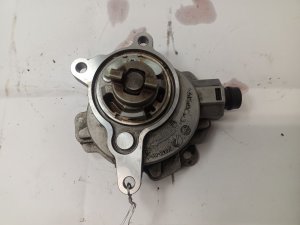
OEM Part Numbers: BM5Z-2A451-A BM5G-2A451-EB BM5G-2A451-EC BM5G-2A451-ED BRPV-15
Camshaft-driven mechanical vacuum pump
We Have This Part in Stock

The information in this article is provided for general reference and educational purposes only. Vehicle specifications, procedures, and part compatibility can vary by production date, trim level, and region. Always consult your vehicle's factory service manual and verify part numbers before purchasing or performing repairs. Safety-critical components such as airbags, seat belts, and braking systems should be installed by a qualified professional.
- Ford Escape:
- Ford Fiesta:
- Ford Fusion:
- Ford Transit Connect:
- 🎬 Helpful Videos
- 🛍️ Shop This Part
- Symptoms of a Failing Vacuum Pump
- Known Issues & Vehicle-Specific Information
- The Critical Role of Engine Oil
- Recalls and Technical Service Bulletins (TSBs)
- Buying a Used Vacuum Pump: What to Check
- Replacement Overview
- Cost of Replacement
- Frequently Asked Questions (FAQ)
- 🎟️ Get 5% Off