

2014-2019 Silverado & Sierra Vapor Canister: Solving Fueling Issues & EVAP Codes
A complete guide to diagnosing and replacing the EVAP vapor canister on your 2014-2018 Chevrolet Silverado 1500, GMC Sierra 1500, and 2019 Silverado 1500 LD/Sierra 1500 Limited models.
- The most common symptom of failure is the gas pump repeatedly clicking off during fueling, caused by a clogged canister.
- This part fits 2014-2018 Silverado/Sierra 1500 and 2019 LD/Limited models with Double or Crew Cabs, but NOT models with the 8-foot long bed.
- Common trouble codes include P0449, P0496, and P0446. A bad canister will cause the vehicle to fail an emissions test.
- Avoid overfilling your fuel tank, as this can force liquid gas into the canister and cause it to fail prematurely.
Symptoms of a Failing Vapor Canister
A failing vapor canister on a 2014-2018 Chevrolet Silverado 1500, 2014-2018 GMC Sierra 1500, or the 2019 Silverado 1500 LD and Sierra 1500 Limited models can manifest in several ways. Often, the first sign is the check engine light, but other performance issues can also point to a problem within the EVAP system.
Check Engine Light and OBD-II Codes
The most common indicator of an EVAP system problem is an illuminated Check Engine Light. Specific codes related to the vapor canister and its associated components include:
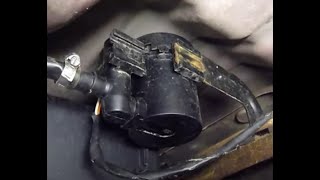
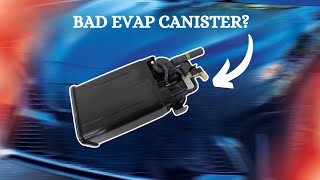
- P0449 (Evaporative Emission System Vent Control Circuit Malfunction): This code points to an electrical problem in the vent valve circuit, which is often 🎬 Watch: Troubleshooting P0449 codes on your Silverado or Sierra. located on or near the canister itself.
- P0496 (EVAP Flow During a Non-Purge Condition): This indicates that fuel vapor is flowing into the engine when it shouldn't be. This is frequently caused by a stuck-open purge valve but can also be related to a saturated canister.
- P0446 (Evaporative Emission System Vent Control Circuit): Similar to P0449, this code suggests a fault in the vent control system, which could be the valve, wiring, or the canister.
- P0455 (Evaporative Emission System Leak Detected - Large Leak): A cracked canister housing can cause a large leak in the system, triggering this code.
Difficulty Fueling
One of the most frustrating symptoms is the fuel pump nozzle clicking off repeatedly when you try to fill the tank, even when it's not full. This happens because a clogged or saturated canister prevents air and vapor from escaping the fuel tank as it's being filled. The pressure builds up in the filler neck, triggering the pump's automatic shut-off.
🎬 See a mobile mechanic diagnose gas pump shut-off issues.Poor Engine Performance
A faulty vapor canister can lead to a range of performance issues. You might experience a rough idle, difficulty starting the engine, or hesitation during acceleration. This occurs because the EVAP system can disrupt the engine's air-fuel mixture if it's purging vapors at the wrong time or if there's a vacuum leak.
Fuel Odor
A strong smell of gasoline around the vehicle, especially near the rear, can be a sign that the canister is cracked or saturated and can no longer hold fuel vapors. These escaping vapors are not only a pollutant but can also be a potential safety hazard.
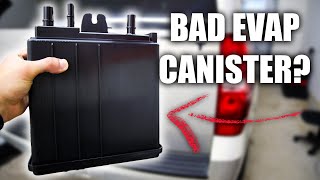
🎬 Watch: 7 warning signs of a bad EVAP canister.Pro Tip: Avoid "topping off" your fuel tank after the pump clicks off. Overfilling can force liquid gasoline into the vapor canister, saturating the charcoal and leading to premature failure.
Buying a Used Vapor Canister: What to Look For
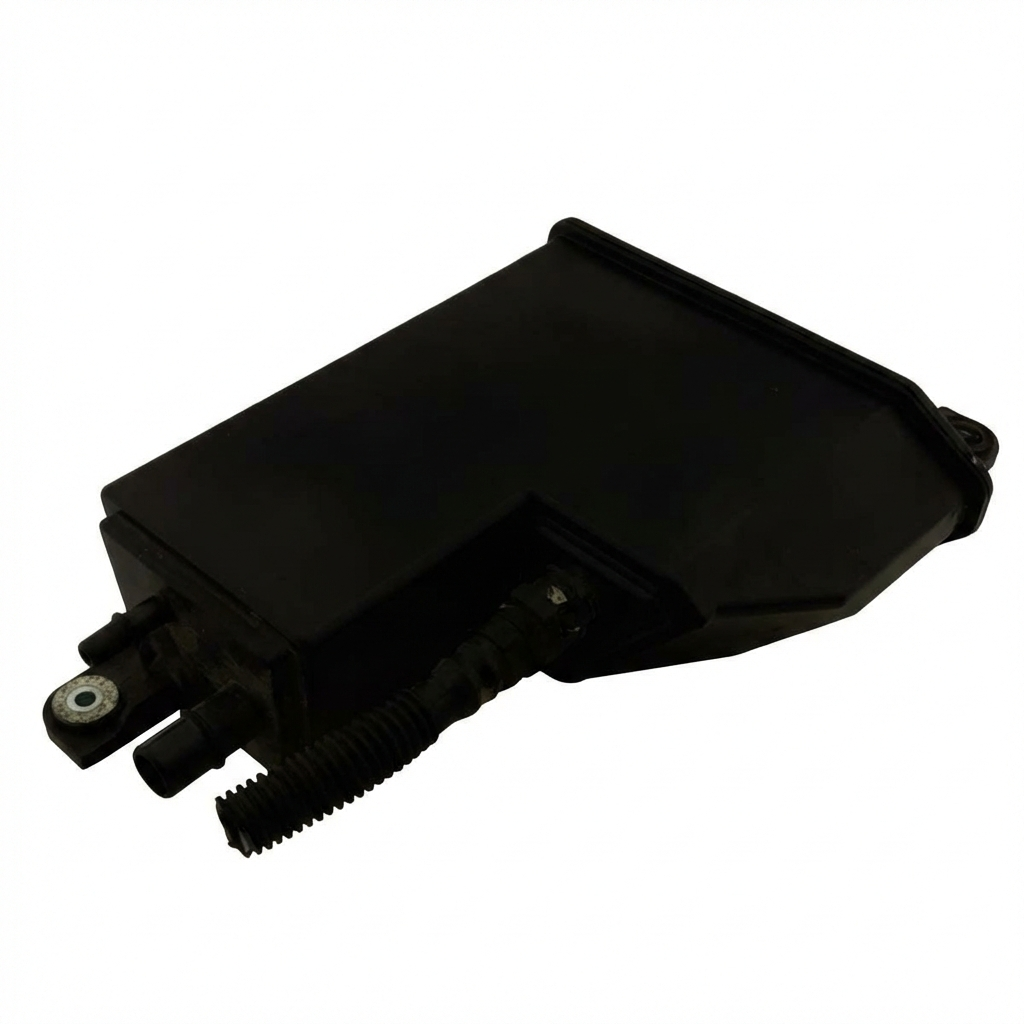
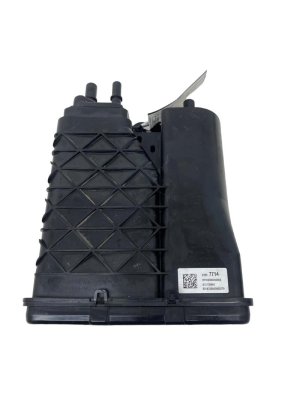
A recycled OEM vapor canister can be a cost-effective solution, but a careful inspection is crucial to ensure you're getting a functional part. Here’s what to check:
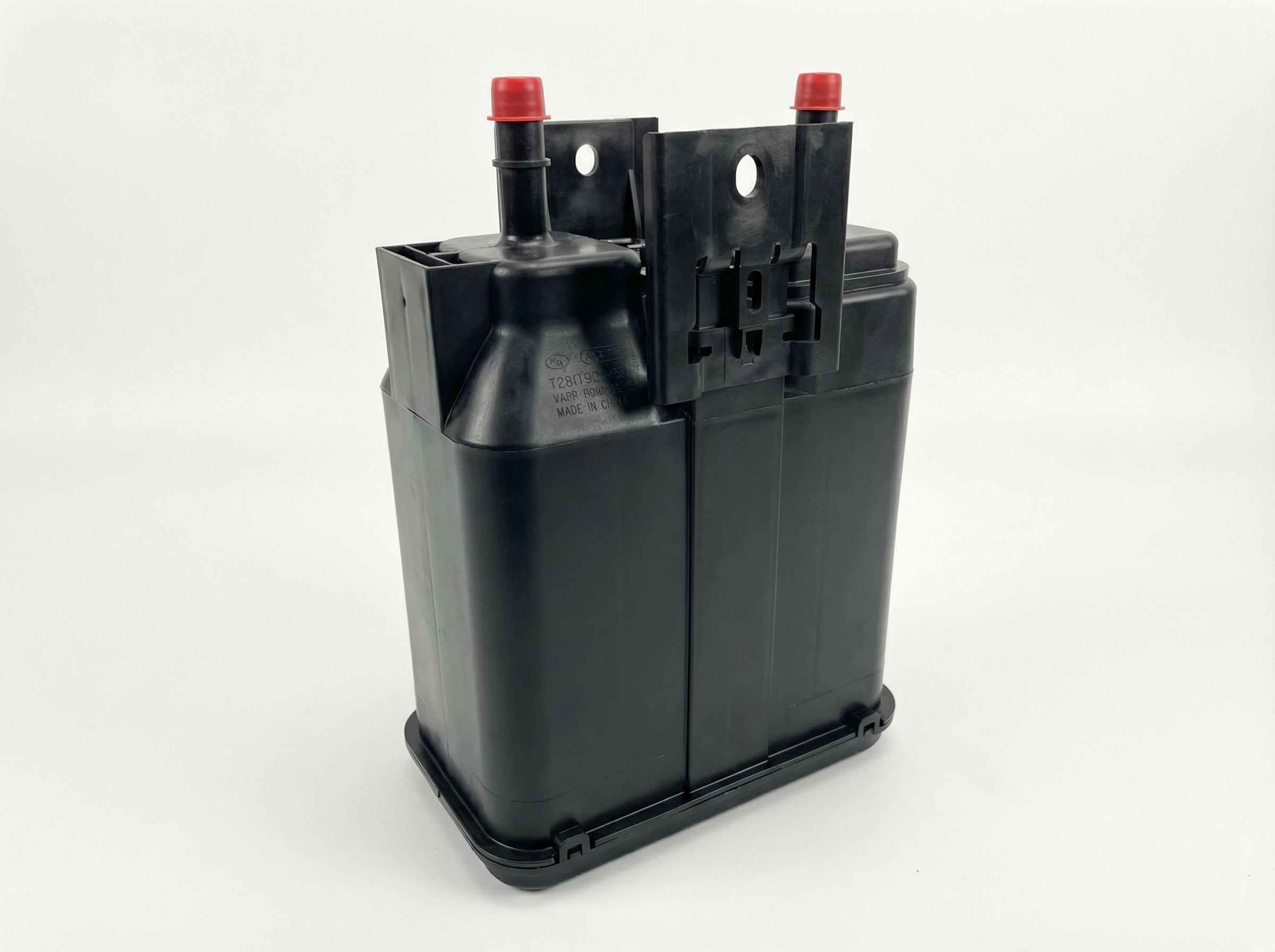
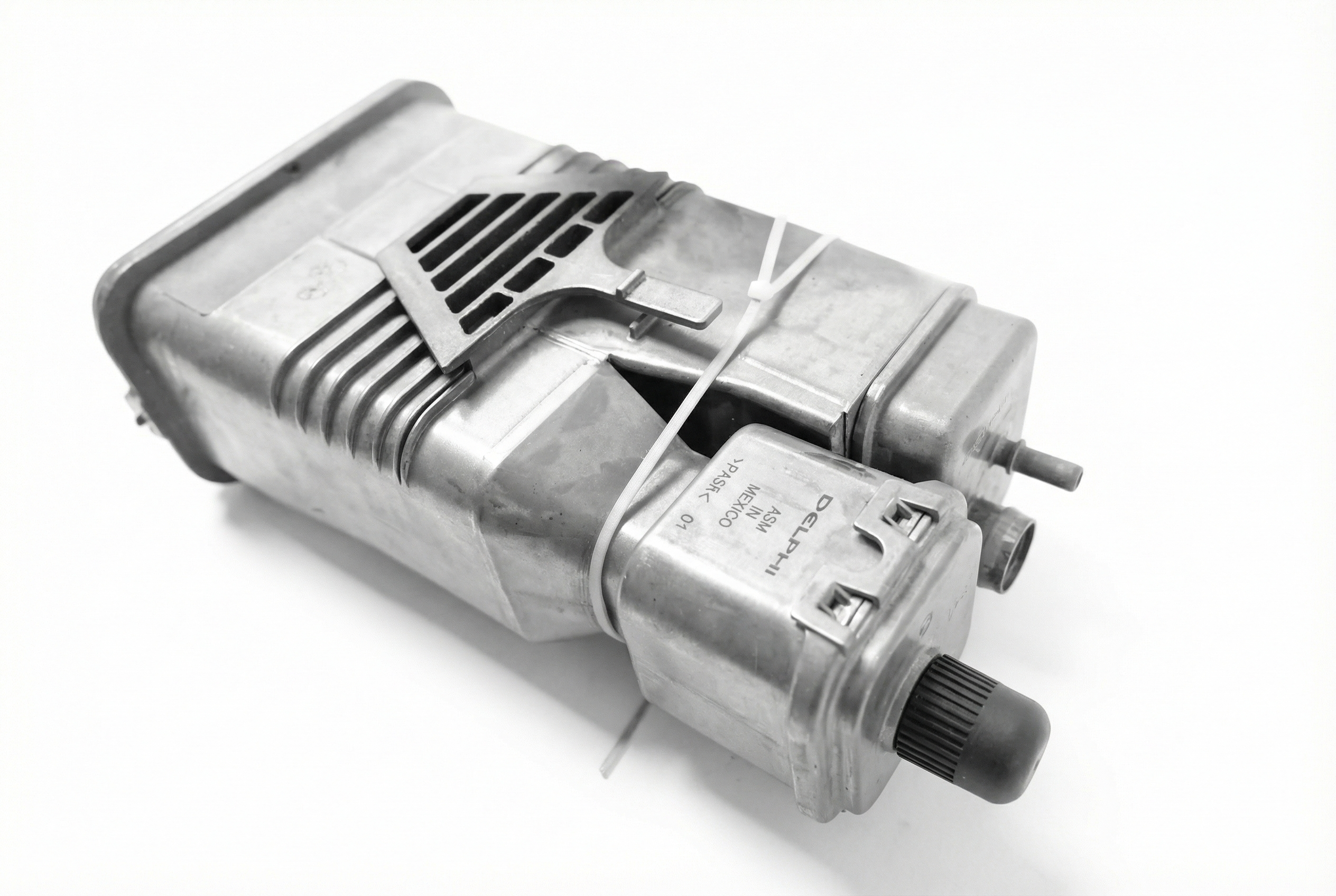
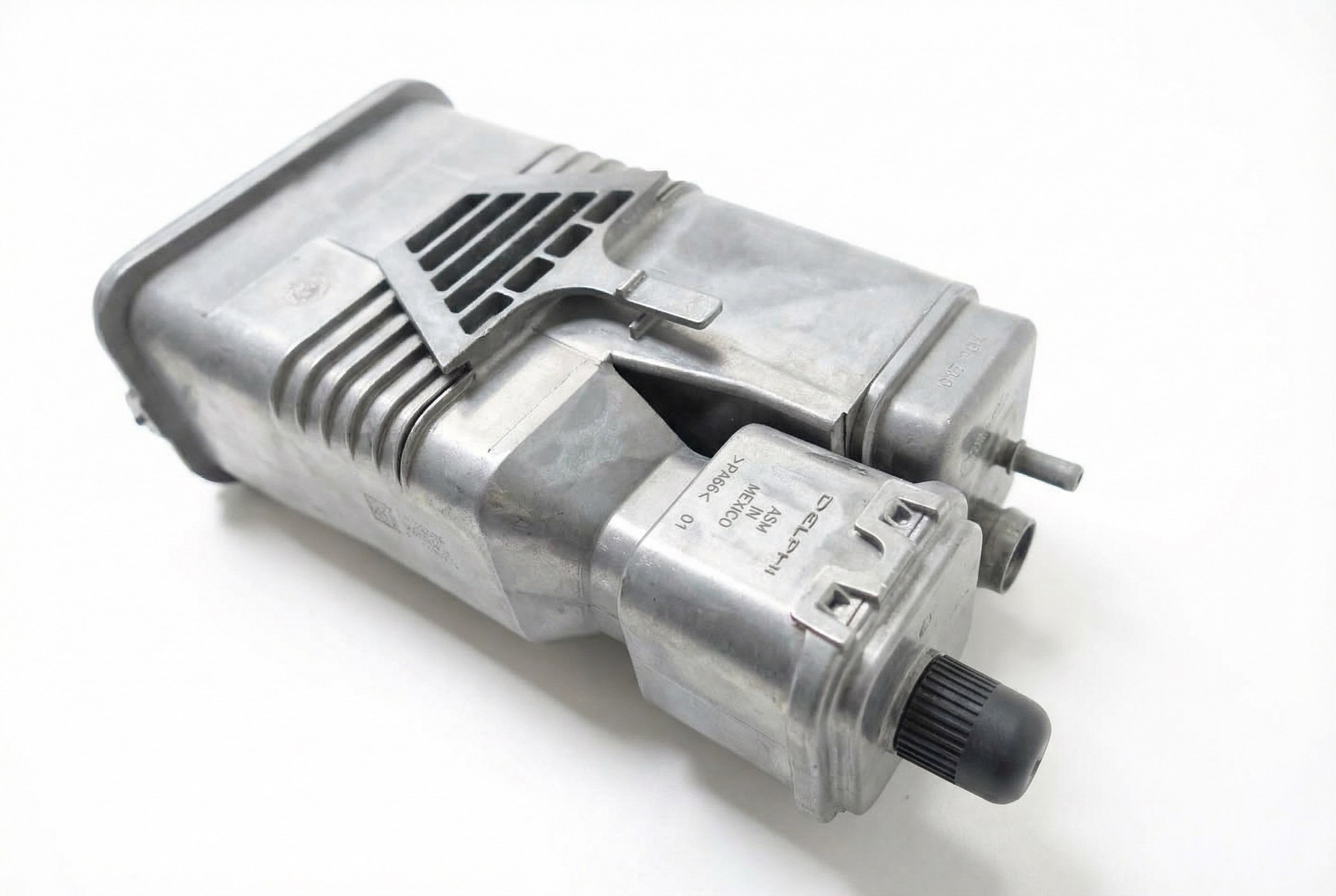
- Inspect the Housing: Carefully examine the entire plastic housing for any cracks, fractures, or signs of heat damage. A small crack can cause a large EVAP leak and trigger a check engine light.
- Check All Ports and Nipples: Ensure all the hose connection points are intact and not broken or brittle. These can easily be damaged during removal from the donor vehicle.
- Listen for Loose Charcoal: Gently shake the canister. You shouldn't hear significant rattling. If it sounds like a maraca, the internal structure may have failed, and the charcoal granules could travel down the EVAP lines, causing blockages.
- Look for Fuel Saturation: Check for any signs of liquid fuel residue or staining around the ports. A canister that has been flooded with gasoline is compromised and should be avoided.
- Verify Compatibility: This specific vapor canister fits 2014-2018 Silverado 1500 and Sierra 1500 models, as well as the 2019 "LD" and "Limited" versions. It is designed for trucks with a Double Cab or Crew Cab body style and is not compatible with models that have the 8-foot long bed. Always match the OEM part number (23103951 or 84106544) to be certain.
Cost Breakdown
The cost of replacing a vapor canister can vary significantly depending on the type of part you choose and whether you perform the labor yourself.
| Part Type | Estimated Cost |
|---|---|
| New OEM (GM Genuine) | $190 - $370 |
| New Aftermarket | $170 - $250 |
| Used OEM | $75 - $150 |
| Shop Labor | $73 - $109 |
Legal and Emissions Requirements
The EVAP system, including the vapor canister, is a federally mandated emissions control system. A functioning EVAP system is required to pass emissions inspections in most states. Driving with a known EVAP issue, indicated by a check engine light, will result in a failed smog test. While the canister itself is not typically subject to CARB-specific compliance like a catalytic converter, it must be the correct, functional part for the vehicle to meet emissions standards set by both the EPA and the California Air Resources Board (CARB).
Frequently Asked Questions
Can I drive my truck with a bad vapor canister?
Yes, you can typically drive with a faulty vapor canister, but it's not recommended for long. While it may not leave you stranded, you will likely experience reduced fuel economy, poor engine performance, and you will not be able to pass a state emissions test.
Where is the vapor canister located on these trucks?
On the 2014-2019 Silverado and Sierra 1500 models, the vapor canister is typically located on the driver's side frame rail, roughly under the cab or near the front of the bed, close to the fuel tank.
Is replacing the vapor canister a difficult DIY job?
For a moderately experienced DIY mechanic, this is a manageable job. It typically involves safely raising the vehicle, disconnecting a few electrical connectors and hose clamps, and unbolting the canister bracket. Access can be tight, but special tools are not usually required. The job takes about an hour.
Do I need to replace the vent solenoid or purge valve at the same time?
It's not always necessary, but it can be a good idea. The vent solenoid is often attached to the canister, and EVAP codes like P0449 can be caused by either the canister or the solenoid. Similarly, the purge valve (located in the engine bay) can cause code P0496. If you are replacing a canister that failed due to fuel saturation, it's wise to inspect the related valves for contamination as well.
Helpful Videos
Technical Specifications
OEM Part Numbers: 23103951 84106544
The canister is filled with activated carbon to adsorb fuel vapors.
We Have This Part in Stock

The information in this article is provided for general reference and educational purposes only. Vehicle specifications, procedures, and part compatibility can vary by production date, trim level, and region. Always consult your vehicle's factory service manual and verify part numbers before purchasing or performing repairs. Safety-critical components such as airbags, seat belts, and braking systems should be installed by a qualified professional.
- Chevrolet Silverado 1500:
- GMC Sierra 1500:
- Chevrolet Silverado 1500 LD:
- GMC Sierra 1500 Limited: