

2004-2008 Chrysler Pacifica Vapor Canister: Solving EVAP Codes and Fueling Issues
This guide covers the common failure symptoms, diagnostic procedures, and replacement costs for the vapor canister on 2004-2008 Chrysler Pacifica models.
- The most common symptom of a bad vapor canister is a Check Engine Light with EVAP codes like P0455, P0456, or P0457.
- Before replacing the canister, always inspect the gas cap for a tight seal, as it's the most frequent cause of these codes.
- A clogged canister can make refueling extremely frustrating by causing the gas pump to constantly click off.
- A functioning vapor canister is required to pass emissions tests in most states; a fault will cause an automatic failure.
Symptoms of a Failing Vapor Canister
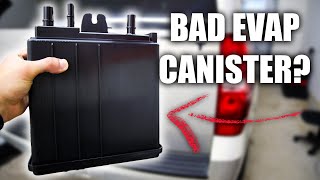
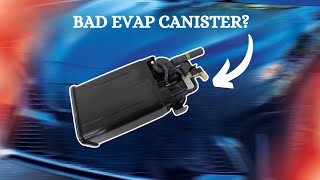
When the vapor canister in a 2004-2008 Chrysler Pacifica begins to fail, it can cause several noticeable issues. The most common sign is the check engine light, but other symptoms can also point to a problem 🎬 Watch: 7 warning signs of a bad EVAP canister with this component.
1. Check Engine Light for EVAP Codes
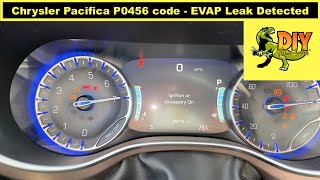
The most frequent indicator of a vapor canister problem is an illuminated Check Engine Light. The onboard diagnostic (OBD-II) system monitors the EVAP system for leaks. If it detects a problem, it will store a diagnostic trouble code (DTC). Common codes related to the vapor canister 🎬 See how to fix EVAP codes P0455, P0456, and P0457 and EVAP system include:
- P0455: Evaporative Emission System Leak Detected (large leak)
- P0456: Evaporative Emission System Leak Detected (small leak)
- P0457: Evaporative Emission System Leak Detected (Fuel Cap Loose/Off)
- P0440: Evaporative Emission Control System Malfunction
While a loose gas cap is a very common cause for these codes, a cracked canister, saturated charcoal, or a faulty valve can also be the culprit.
2. Difficulty Refueling
A clogged vapor canister can make it very difficult to fill up your gas tank. As you pump gas, the air and vapor in the tank need a place to go. The EVAP system is designed to vent this pressure through the canister. If the canister is blocked, pressure builds up in the tank, which can cause the fuel pump nozzle to repeatedly click off, even when the tank isn't full.
3. Fuel Odor
A strong smell of raw gasoline around the vehicle, especially near the rear, can indicate a problem. If the canister is cracked or its hoses are disconnected or broken, fuel vapors can escape directly into the atmosphere instead of being stored and burned by the engine.
4. Poor Engine Performance
In some cases, a faulty vapor canister or a stuck-open purge valve can create a vacuum leak. This can lead to symptoms like a rough idle, difficulty starting the engine (especially after refueling), and reduced fuel economy.
Pro Tip: Before assuming the vapor canister is bad, always check the gas cap first. A loose or worn-out gas cap is the number one cause of EVAP-related check engine lights. Ensure it is tightened until it clicks and that the rubber seal is not cracked or brittle.
Known Issues, Recalls, and TSBs
While there are no specific recalls for the vapor canister itself on the 2004-2008 Chrysler Pacifica, there have been recalls related to the fuel system that involve EVAP components.
- NHTSA Recall #06V432000: This recall for some 2005-2006 models addresses a potential engine stall condition. The repair procedure involves disconnecting the EVAP line at the fuel tank as part of the fuel pump module replacement.
- NHTSA Recall #D42: A recall for some 2004 models involved reprogramming the Powertrain Control Module (PCM) to prevent engine stalling.
- NHTSA Recall #H45: On certain 2005 models built between October and November 2004, a recall was issued for a sticking fuel tank inlet check valve, which could cause fuel spills during refueling. The diagnostic procedure for this involves a smoke test of the EVAP system.
Forum discussions among Pacifica owners frequently mention EVAP codes like P0455 and P0456. In some cases, the issue was traced to a broken nipple on the fuel pump assembly 🎬 Watch this video for common Chrysler Pacifica EVAP leak causes where an EVAP hose connects, rather than the canister itself.
Legal and Emissions Requirements
A functioning EVAP system is a federal requirement for emissions control. A check engine light triggered by an EVAP fault code (like P0455 or P0456) will cause an automatic failure of an emissions inspection in all states that require them. There are no specific California-only (CARB) versions of this vapor canister; the part is the same for all 50 states. However, states like California have strict requirements for the overall EVAP system's performance. Driving with a known EVAP leak means your vehicle is releasing harmful pollutants into the atmosphere.
Buying a Used Vapor Canister
A used OEM vapor canister can be a cost-effective and reliable alternative to an expensive new part. Because this part is primarily a plastic housing with charcoal and simple valves, a low-mileage unit from a reputable recycler is often a smart choice. Here’s what to look for:
- Physical Inspection: Carefully inspect the entire plastic housing for any cracks, especially around the mounting tabs and hose ports. A small crack can cause a system leak and trigger a check engine light.
- Intact Hose Ports: Ensure all the nipples and ports where hoses connect are present and not broken or brittle. These can easily be damaged during removal.
- No Signs of Fuel Saturation: The canister should be dry and not smell strongly of raw fuel. If it feels heavy or you can hear liquid sloshing inside, it may be saturated with gasoline from overfilling the fuel tank, which ruins the charcoal.
- Verify Part Numbers: Match the OEM part number from your old canister to the used one whenever possible. The provided OEM numbers (4809610AA, 4891783AA, 4891784AA, and its successors) are a good starting point.
- Why Used OEM is Often Better: For emissions components, the precise fit and function of an OEM part is critical. Cheaper aftermarket canisters may use lower-quality materials or have slight variations in fitment that can lead to persistent EVAP leak codes. A used OEM part was designed specifically for your vehicle's system.
Cost Comparison
The cost to replace a vapor canister can vary significantly depending on the type of part you choose and whether you do the work yourself.
| Part Type | Estimated Cost |
|---|---|
| New OEM (Mopar) | $250 - $380 |
| New Aftermarket | $165 - $270 |
| Used OEM | $50 - $125 |
| Shop Labor | $175 - $260 |
Step-by-Step Replacement Guide
Warning: Always work in a well-ventilated area and wear safety glasses. Disconnect the negative battery terminal before beginning work.
The vapor canister on the 2004-2008 Chrysler Pacifica is located near the fuel tank, typically mounted above the rear subframe.
- Safely Raise the Vehicle: Use a jack and jack stands to safely lift the rear of the vehicle for access.
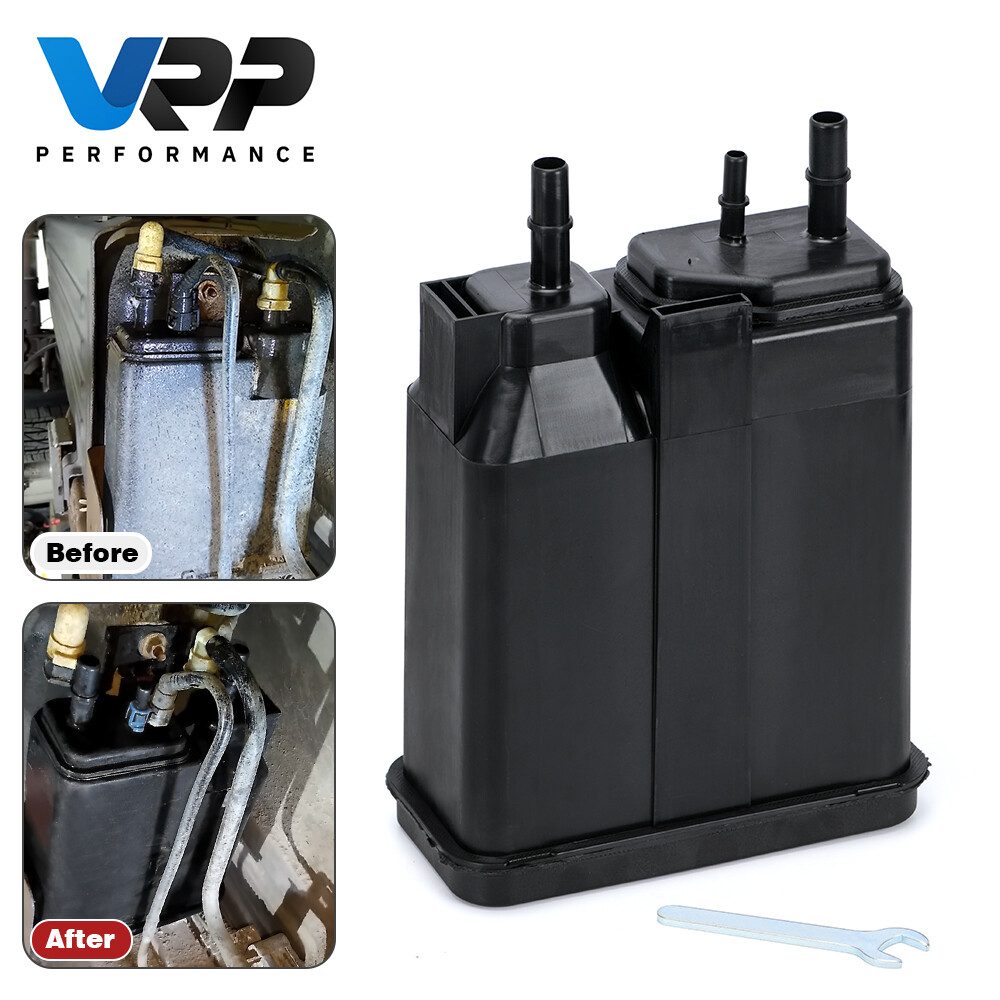
- Locate the Canister: Find the black plastic box (the vapor canister) near the fuel tank. It will have several hoses and at least one electrical connector attached to it.
- Disconnect Hoses and Connectors: Carefully disconnect the electrical connector for the vent solenoid. Then, disconnect the various EVAP hoses. These may have quick-disconnect fittings that require pressing a tab or a special tool to release. Note the location of each hose.
- Remove Mounting Bolts: The canister is held in place by several bolts. Remove these bolts to free the canister from its mounting bracket.
- Install the New Canister: Transfer the mounting brackets to the new canister if necessary. Bolt the new canister into place.
- Reconnect Everything: Reconnect all hoses and the electrical connector in the reverse order of removal. Ensure all connections are secure to prevent leaks.
- Lower the Vehicle and Clear Codes: Lower the vehicle, reconnect the battery, and use an OBD-II scanner to clear any stored EVAP codes. The system will need to run its self-test during normal driving to confirm the repair.
Frequently Asked Questions (FAQ)
Can I drive my Pacifica with a bad vapor canister?
Yes, you can generally drive with a bad vapor canister, but it's not recommended for long. While it typically won't leave you stranded, it can cause poor fuel economy, rough idling, and difficulty starting. Most importantly, your vehicle will not pass an emissions test and will be releasing excess pollution.
What is a smoke test and do I need one?
A smoke test is a common diagnostic procedure used by mechanics to find leaks in the EVAP system. A machine forces low-pressure smoke into the EVAP lines. If there is a crack in a hose or the canister, smoke will be visible at the leak point. If you've replaced the gas cap and still have an EVAP code, a smoke test is the best way to pinpoint the exact source of the leak before replacing parts.
Will overfilling my gas tank damage the vapor canister?
Yes. Consistently topping off your fuel tank after the pump clicks off can force liquid gasoline into the vapor canister. The activated charcoal is designed to handle vapor, not liquid fuel. Liquid fuel will saturate and ruin the charcoal, clogging the canister and requiring its replacement.
Is the vapor canister the same as the purge valve/solenoid?
No, they are different parts of the same system. The vapor canister is the box containing charcoal that stores fuel vapors. The purge solenoid (or purge valve) is an electronically controlled valve that regulates when those stored vapors are drawn into the engine. While they work together, they can fail independently.
Helpful Videos
Technical Specifications
OEM Part Numbers: 4809610AA 4891783AA 4891784AA 4891784AC 4891784AD 4891784AE 4891784AF 4891784AG
Fits 2004-2008 Chrysler Pacifica models with either the 3.5L or 3.8L V6 engine.
We Have This Part in Stock

The information in this article is provided for general reference and educational purposes only. Vehicle specifications, procedures, and part compatibility can vary by production date, trim level, and region. Always consult your vehicle's factory service manual and verify part numbers before purchasing or performing repairs. Safety-critical components such as airbags, seat belts, and braking systems should be installed by a qualified professional.
- Chrysler Pacifica:
- 🎬 Helpful Videos
- 🛍️ Shop This Part
- Symptoms of a Failing Vapor Canister
- 1. Check Engine Light for EVAP Codes
- 2. Difficulty Refueling
- 3. Fuel Odor
- 4. Poor Engine Performance
- Known Issues, Recalls, and TSBs
- Legal and Emissions Requirements
- Buying a Used Vapor Canister
- Cost Comparison
- Step-by-Step Replacement Guide
- Frequently Asked Questions (FAQ)
- 🎟️ Get 5% Off