

2008-2018 Ford Focus Vapor Canister: Solving PZEV vs. Federal Fitment Issues
This guide explains the critical differences between PZEV and non-PZEV vapor canisters for the 2008-2018 Ford Focus, helping you identify symptoms and choose the correct used part.
- You MUST match the canister to your Focus's emissions type: PZEV or non-PZEV (Federal). Check the sticker under the hood to verify.
- A major recall (18S32) on the 2012-2018 Focus addresses a faulty purge valve that can destroy the vapor canister by saturating it with fuel.
- Symptoms of failure include a Check Engine Light (P0456, P1450), difficulty filling the gas tank, and a fuel smell.
- When buying a used canister, physically inspect it for cracks and ensure it's not heavy or saturated with fuel.
The Critical PZEV vs. Non-PZEV Difference
The single most important factor when replacing the vapor canister on a 2008-2018 Ford Focus is the vehicle's emissions certification. Ford produced two distinct versions of the EVAP system: one for standard Federal (non-PZEV) vehicles and another for Partial Zero Emission Vehicle (PZEV) models. These two systems use different vapor canisters that are not interchangeable.
Warning: You must verify which system your car has before ordering a part. Installing the wrong canister will cause a persistent Check Engine Light, prevent the car from passing an emissions test, and may cause performance issues.
How to Identify Your Vehicle's Emissions System
To determine if your Focus is a PZEV or non-PZEV model, check the Vehicle Emission Control Information (VECI) sticker located under the hood. This label will clearly state whether the vehicle conforms to U.S. EPA regulations only (Federal/non-PZEV) or to U.S. EPA and State of California regulations (PZEV). PZEV-certified vehicles were originally sold in California and other states that adopted its stricter emissions standards.
Common Symptoms of a Failing Vapor Canister
A bad vapor canister can cause several noticeable issues. While some are minor annoyances, others can affect drivability and cause an automatic emissions test failure.
- Check Engine Light: This is the most common symptom. The vehicle's computer monitors the EVAP system, and a fault will trigger the light. Common related codes include P0455 (large leak), P0456 (small leak), and P1450 (unable to bleed up fuel tank vacuum).
- Difficulty Fueling: A classic sign of a clogged canister or a stuck vent valve is the gas pump nozzle clicking off repeatedly before the tank is full. This happens because trapped air and vapor can't escape the tank properly as fuel enters.
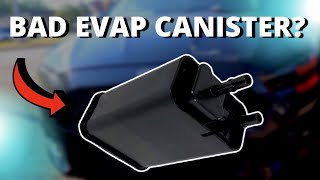
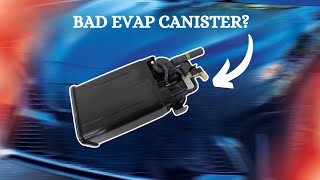
- Fuel Smell: If the canister's plastic housing is cracked or the internal charcoal is saturated with liquid fuel, it can no longer absorb vapors, leading to a raw gasoline smell around the rear of the car. 🎬 See more warning signs of a failing canister
- Poor Engine Performance: A faulty EVAP system can sometimes create a vacuum leak, leading to a rough idle, hesitation, or difficulty starting, especially right after refueling.
Known Issues, Recalls, and Technical Service Bulletins (TSBs)
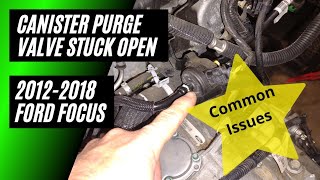
While the vapor canister itself hasn't been the subject of a direct recall, a closely related part has. Ford issued recall 18S32 (NHTSA ID: 18V735) for approximately 1.5 million 2012-2018 🎬 Watch: Understanding the common purge valve failure points Ford Focus models with 2.0L engines due to a faulty canister purge valve (CPV).
The recall addresses a CPV that can stick open, creating excessive vacuum in the fuel system. This can deform the plastic fuel tank, leading to an inaccurate fuel gauge, engine stalling, and difficulty restarting the vehicle. In some cases, this constant vacuum can pull raw fuel into the charcoal canister, saturating it and causing it to fail. The recall service involves reprogramming the powertrain control module and, if necessary, replacing the purge valve, carbon canister, and fuel tank at no charge.
Pro Tip: Because a faulty purge valve can destroy a new vapor canister, it is highly recommended to inspect or replace the purge valve when replacing the canister, especially on 2012-2018 models.
Buying a Used Ford Focus Vapor Canister: What to Look For
A used OEM vapor canister can be a reliable and cost-effective alternative to an expensive new part, especially when compared to lower-quality aftermarket options. Here’s what to inspect:
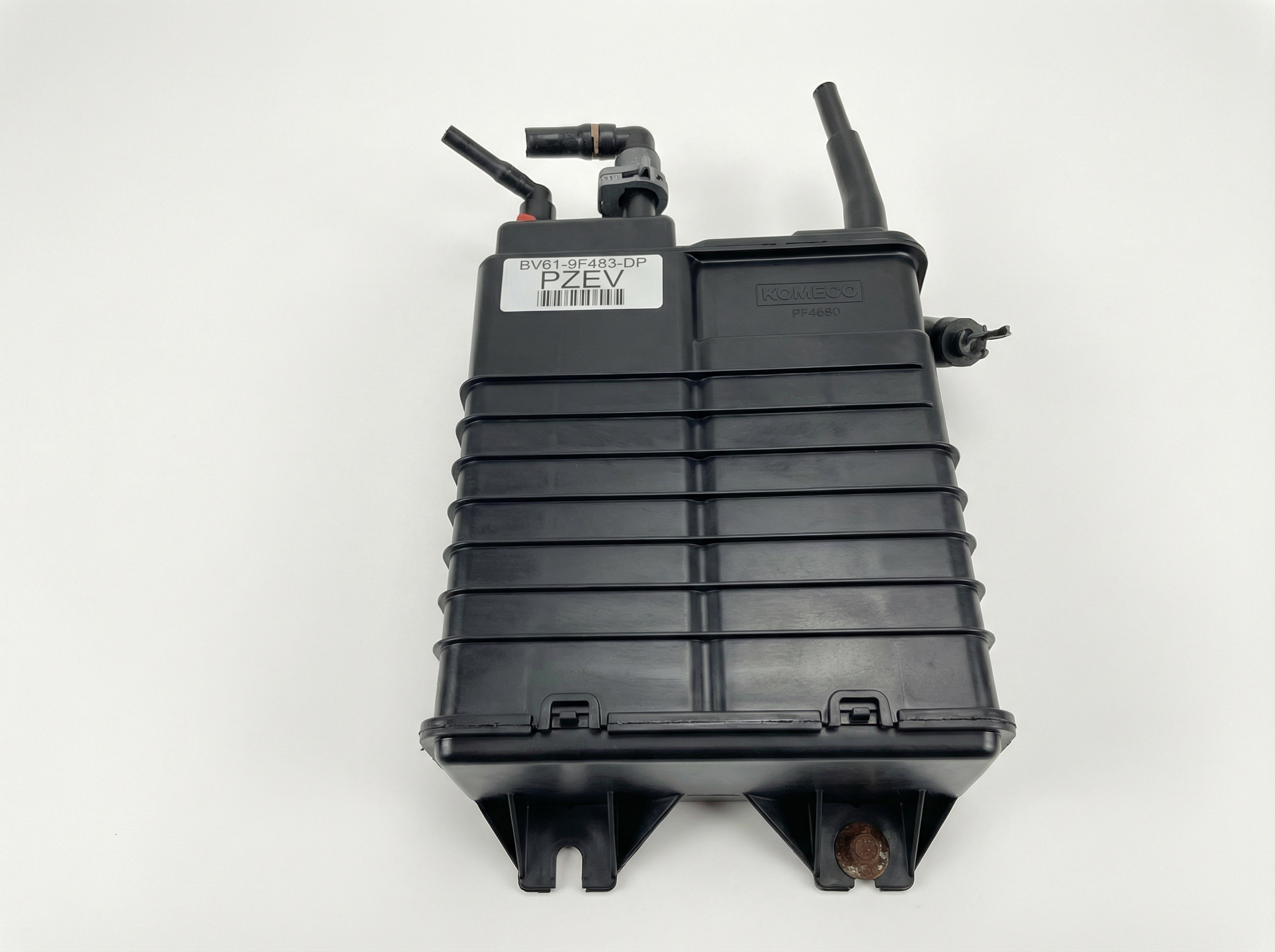
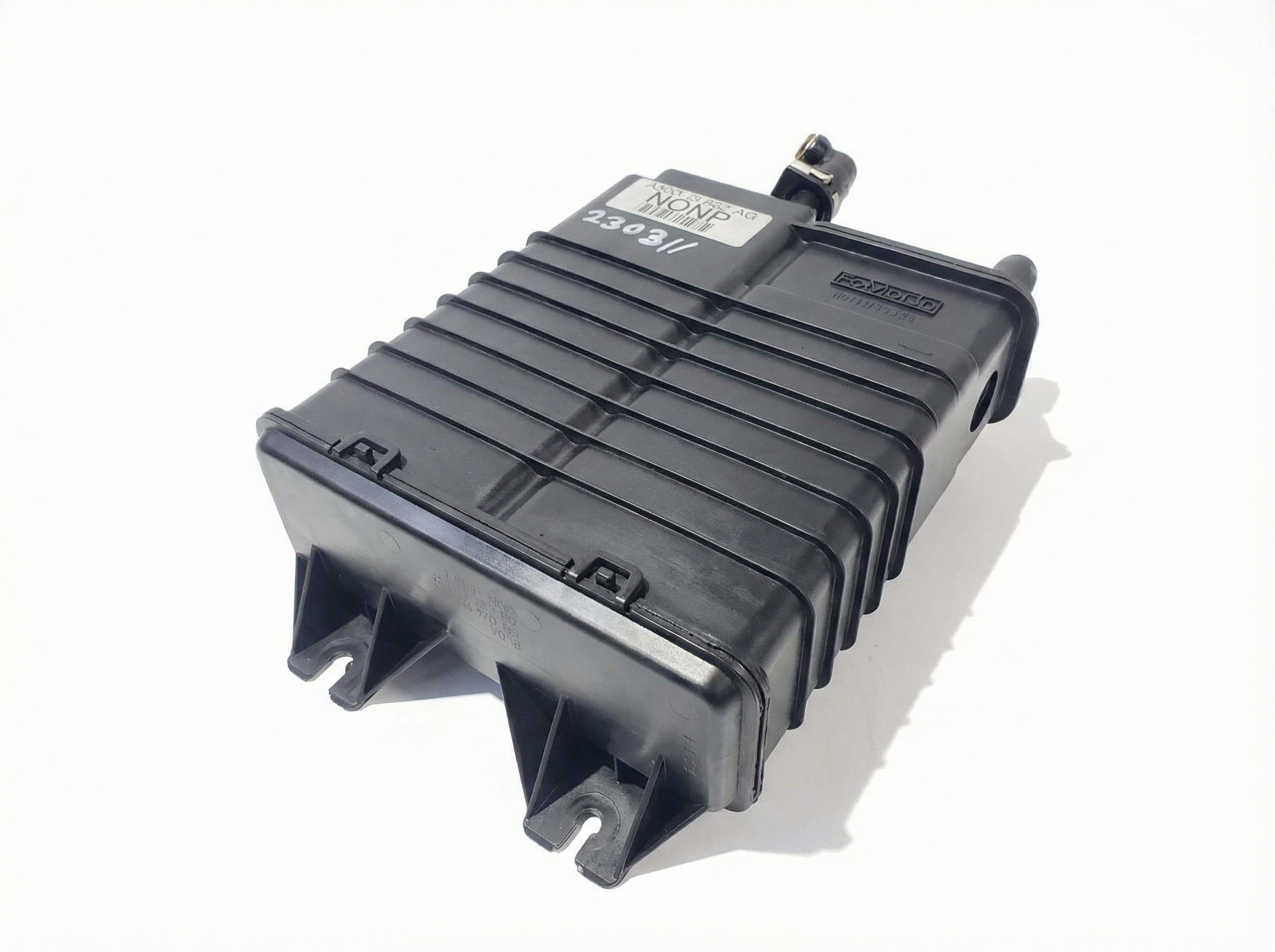
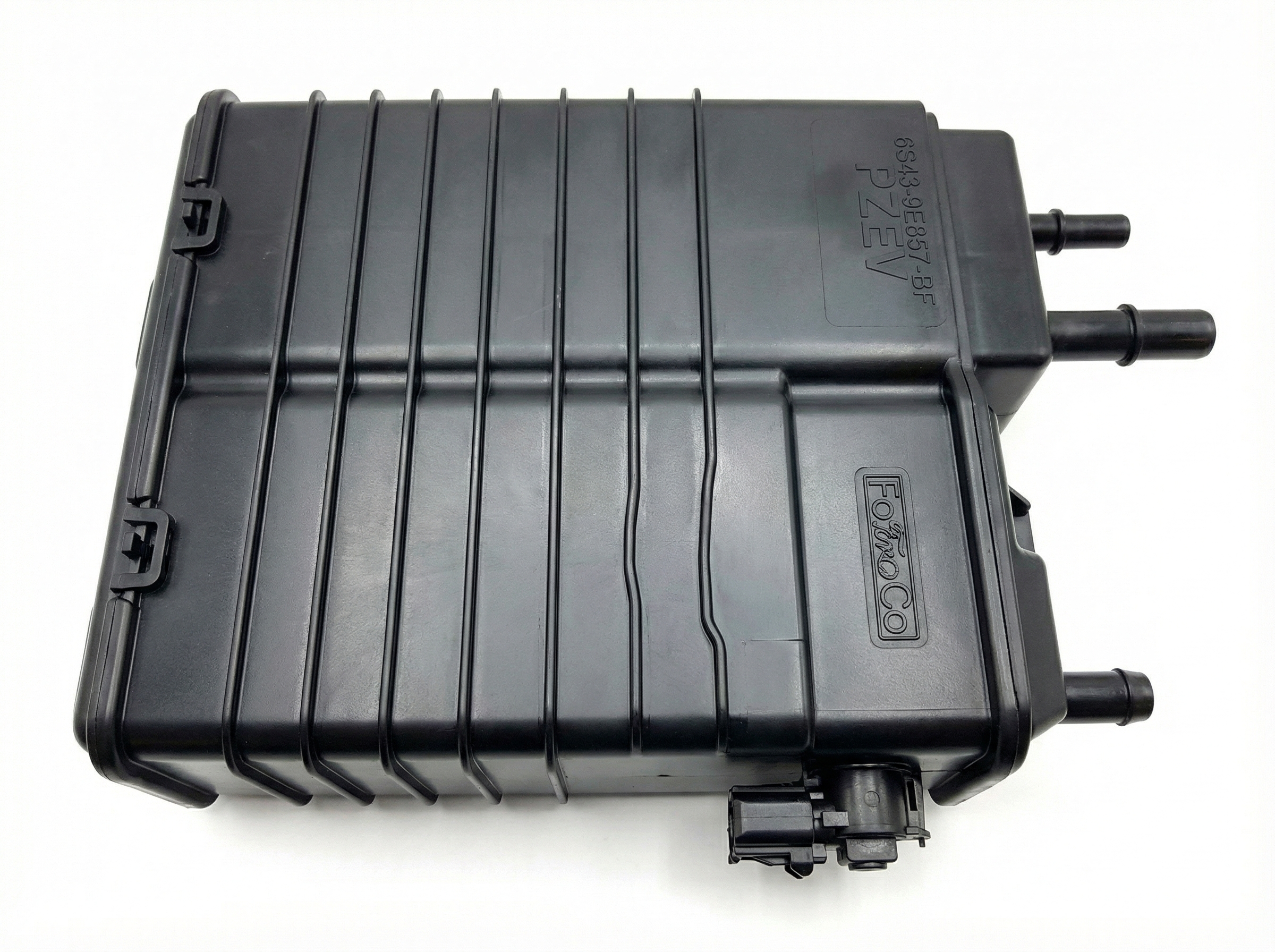
- Verify the Part Number: This is the most critical step. Before purchasing, remove your original canister and match the part number exactly. The PZEV and non-PZEV canisters look similar but are not interchangeable. The part number is typically printed on a sticker or molded into the plastic housing.
- Inspect the Housing: Carefully check the entire plastic body of the canister for any cracks, especially around the mounting tabs and hose ports. A cracked canister will cause a guaranteed EVAP leak and Check Engine Light.
- Check the Hose Ports: Ensure none of the plastic nipples where the EVAP hoses connect are broken, cracked, or excessively brittle. These can easily be damaged during removal from the donor vehicle.
- Listen for Loose Charcoal: Gently shake the canister. You shouldn't hear significant rattling. While some minor sound is normal, loud rattling could indicate that the internal charcoal media has broken down, which will render the canister ineffective.
- Avoid Saturated Canisters: Do not buy a canister that is wet, smells strongly of raw fuel, or feels unusually heavy. This indicates it has been saturated with liquid fuel, likely due to a bad purge valve, and is no longer functional.
Replacement Overview
Replacing the vapor canister is a feasible DIY job for those with basic mechanical skills. It is typically located underneath the vehicle, near the fuel tank and rear suspension.
- Difficulty: 2/5
- Estimated Time: 1-1.5 hours
- General Steps:
- Safely raise and support the rear of the vehicle.
- Locate the vapor canister, which is a black plastic box with several hoses and an electrical connector attached.
- Disconnect the electrical connector from the vent solenoid on the canister.
- Carefully disconnect the EVAP hoses. These connectors can be brittle; use care to avoid breaking the clips.
- Unbolt the canister from its mounting bracket. Access to one of the nuts can be tricky and may require a ratchet wrench. 🎬 Watch: Step-by-step guide to replacing the vapor canister
- Install the new canister by following the steps in reverse.
Cost Comparison: New vs. Used
Prices can vary based on the specific part number (PZEV vs. non-PZEV) and model year.
| Part Source | Estimated Cost |
|---|---|
| New OEM | $110 - $370 |
| New Aftermarket | $90 - $150 |
| Used OEM | $45 - $125 |
| Shop Labor | $197 - $290 |
Legal & Emissions Compliance
A functioning EVAP system is a legal requirement for road use and is necessary to pass emissions inspections in most states. Driving with a known EVAP system fault (indicated by a Check Engine Light with codes like P0455 or P0456) will result in an automatic test failure. The distinction between PZEV and Federal emissions is critical for compliance; installing a Federal canister in a vehicle that requires a PZEV part will not meet the required emissions standards. PZEV standards were originally mandated by the California Air Resources Board (CARB) and adopted by many other states, often referred to as "CARB states".
Frequently Asked Questions (FAQ)
Can I drive with a bad vapor canister?
Yes, but it's not recommended for long. While the car will remain drivable, you will not be able to pass an emissions test. In some cases, related EVAP faults can cause stalling or poor engine performance.
Will a bad vapor canister cause my car to fail an emissions test?
Yes, absolutely. A faulty vapor canister or any other part of the EVAP system that triggers the Check Engine Light will cause an automatic failure of an OBD-II emissions test.
Is the vapor canister the same as the purge valve?
No, they are separate components of the EVAP system. The vapor canister (a black box with charcoal) stores fuel vapors. The purge valve (or solenoid) is an electronically controlled valve, usually located in the engine bay, that opens to allow the stored vapors to be drawn into the engine. However, a bad purge valve can cause the canister to fail.
Can I clean a clogged or saturated vapor canister?
No, a vapor canister cannot be effectively cleaned or repaired. The activated charcoal inside is contaminated by fuel or debris, and the only solution is replacement. Once saturated with liquid fuel, its ability to absorb vapor is permanently lost.
Helpful Videos
Technical Specifications
OEM Part Numbers: 8S4Z-9D653-B 8S4Z-9D653-C 9S4Z-9D653-B AS43-9E857-AG AS4Z-9D653-A AS4Z-9D653-C AS4Z-9D653-D AS4Z-9D653-E AS4Z-9D653-F AU5A-9D653-AE BV6Z-9D653-A BV6Z-9D653-B BV6Z-9D653-C BV6Z-9D653-D CX-2520
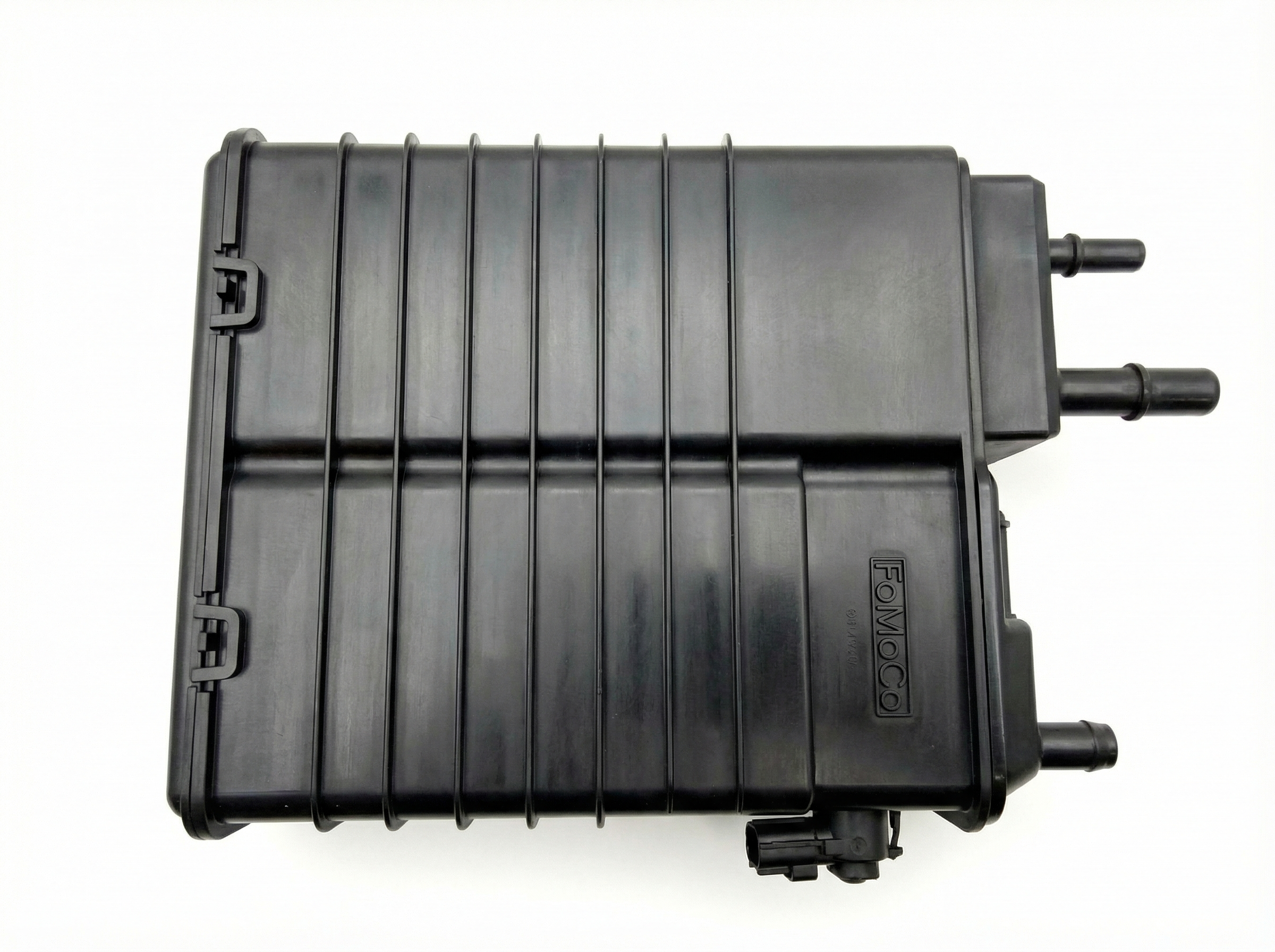
Fitment is dependent on vehicle's emissions certification (PZEV or non-PZEV/Federal). The canister is a plastic housing containing activated charcoal, designed to absorb fuel vapors as part of the EVAP system.
We Have This Part in Stock


The information in this article is provided for general reference and educational purposes only. Vehicle specifications, procedures, and part compatibility can vary by production date, trim level, and region. Always consult your vehicle's factory service manual and verify part numbers before purchasing or performing repairs. Safety-critical components such as airbags, seat belts, and braking systems should be installed by a qualified professional.
- Ford Focus:
- 🎬 Helpful Videos
- 🛍️ Shop This Part
- The Critical PZEV vs. Non-PZEV Difference
- How to Identify Your Vehicle's Emissions System
- Common Symptoms of a Failing Vapor Canister
- Known Issues, Recalls, and Technical Service Bulletins (TSBs)
- Buying a Used Ford Focus Vapor Canister: What to Look For
- Replacement Overview
- Cost Comparison: New vs. Used
- Legal & Emissions Compliance
- Frequently Asked Questions (FAQ)
- 🎟️ Get 5% Off