

2002-2005 Thunderbird Vapor Canister: Solving EVAP Codes & Fueling Issues
A definitive guide to diagnosing common EVAP leak codes, fixing fueling problems, and replacing the hard-to-reach vapor canister on the 2002-2005 Ford Thunderbird.
- Replacement is a very difficult job on the 2002-2005 Thunderbird, requiring the rear subframe to be lowered for access.
- The most common symptoms are a Check Engine Light (P0442, P0455, P0456) and the gas pump nozzle constantly clicking off during fueling.
- Before replacing the canister, rule out a loose gas cap and consider a smoke test to check for common leaks at the fuel tank's vapor valves.
- A faulty vapor canister will cause an automatic failure of state emissions tests.
Symptoms of a Failing Vapor Canister
A problem with the vapor canister or the broader EVAP system will almost always announce itself with a Check Engine Light, but other symptoms can also appear.
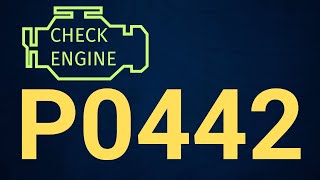
- Check Engine Light (CEL): This is the most common symptom. The onboard computer monitors the EVAP system for leaks, and if it detects one, it will trigger the light. Common codes include P0442 (small leak), P0455 (large leak), and P0456 (very small leak).
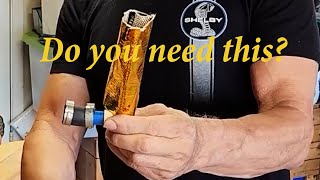
- Difficulty Fueling: One of the most telling signs of a clogged canister is the gas pump nozzle repeatedly clicking off before the tank is full. This happens because trapped air and vapor in the tank can't escape through the blocked EVAP system, creating back-pressure that trips the pump's auto-shutoff sensor. 🎬 Watch: Why the gas pump keeps clicking off and how to fix it.
- Fuel Smell: A cracked canister or a leaking hose can allow fuel vapors to escape, causing a noticeable gasoline smell around the rear of the vehicle, especially after it has been parked.
- Failed Emissions Test: A Check Engine Light from an EVAP code is an automatic failure for emissions inspections in most states. Even if the light isn't on, some states may not pass a vehicle if the EVAP system's self-test (readiness monitor) has not completed.
- Poor Engine Performance: While less common, a malfunctioning EVAP system can sometimes create a vacuum leak, leading to a rough idle, difficulty starting, or reduced fuel economy.
Known Issues for the 2002-2005 Thunderbird
While any part of the EVAP system can fail, the 2002-2005 Thunderbird has two particularly noteworthy issues that can cause EVAP codes and fueling problems.
1. Extremely Difficult Canister Location
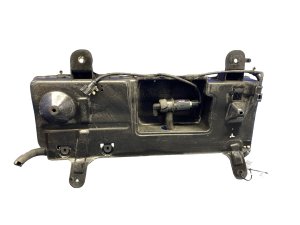
Unlike many vehicles where the vapor canister is easily accessible, the canister on the 11th-generation Thunderbird is in a very challenging location. It is mounted above the rear suspension subframe. To access and replace it, a mechanic must support the vehicle on a hoist and lower the entire rear subframe assembly. This turns a simple part swap into a significant, labor-intensive job. This difficult access is a critical factor to consider when estimating repair costs and is often underestimated by generic labor guides.
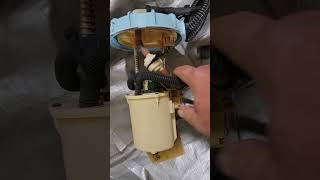
🎬 See this walkthrough for the correct way to replace the canister.2. Cracked Fuel Tank Vapor Valves
A common source of EVAP leak codes on these Thunderbirds is not the canister itself, but cracks that form in the plastic vapor valves that are welded to the top of the fuel tank. These leaks often become apparent after filling the fuel tank, sometimes with a visible fuel weep from the top of the tank. A smoke test is the definitive way to diagnose this. Because the valves are integrated into the tank, the repair is complex, often requiring the fuel tank to be dropped and a specialized plastic weld to be performed, or a complete tank replacement if a weld is not possible. New fuel tanks for this model are reportedly difficult to find.
Pro Tip: Before assuming the canister is bad, always check the gas cap first. A loose or worn-out gas cap is the single most common cause of EVAP codes. If the cap is good, a professional smoke test is highly recommended to pinpoint the exact source of the leak, which could be the canister, a hose, or the vapor valves on the tank itself.
Buying a Used Vapor Canister
Given the high cost of a new OEM part and the difficult installation, a quality used OEM canister can be a smart, cost-effective choice. Here’s what to look for:
- Physical Inspection: Carefully inspect the plastic housing for any cracks, especially around the hose ports and mounting tabs. A part that lived in a rust-belt state may have corroded fittings. Avoid any canister with visible damage.
- Check for Fuel Saturation: The canister should be dry and relatively lightweight. If it feels heavy or sloshes, it may be saturated with raw fuel from being overfilled, which ruins the charcoal inside. A fuel-saturated canister is useless and must be replaced.
- Verify Part Numbers: The primary OEM part number is XW4X-9D665-AJ. However, you may also see related component numbers like XW4U-9E857-AB on used parts. Since the Thunderbird shares its platform with the Lincoln LS and Jaguar S-Type, cross-referencing parts from those vehicles can sometimes yield compatible results.
- Why Used OEM is a Good Choice: The complex shape and specific port locations of the vapor canister are critical for proper fitment, especially in a tight space above the subframe. A used original Ford part guarantees a perfect fit, whereas an aftermarket part may have slight variations that complicate the already difficult installation.
Cost Breakdown
Costs can vary significantly based on who does the work due to the difficult access.
| Part/Service | Estimated Cost | Notes |
|---|---|---|
| New OEM Canister | $350 - $550+ | Price can be high and availability may be limited. |
| New Aftermarket Canister | $150 - $300 | Ensure it is an exact match for the OEM part to avoid fitment issues. |
| Used OEM Canister | $75 - $150 | A cost-effective option. Inspect carefully before purchase. |
| Shop Labor | $400 - $700+ | This reflects the significant labor of lowering the rear subframe for access. Generic estimates around $100 are not realistic for this specific vehicle. |
Legal & Emissions Requirements
A functioning EVAP system is a federal requirement for vehicle emissions control. You cannot pass a required OBD-II emissions test with an active Check Engine Light for an EVAP fault code. In some jurisdictions, you may be able to pass if the EVAP readiness monitor is the only one not complete, but this varies by state and vehicle model year. Driving with a known EVAP issue will prevent you from legally registering or renewing your vehicle's registration in states with emissions testing programs.
Warning: Never work on fuel system components without disconnecting the battery and taking proper fire safety precautions. Fuel vapors are highly flammable.
Frequently Asked Questions (FAQ)
Can I clean a vapor canister instead of replacing it?
No. The canister is filled with activated charcoal pellets that absorb vapors. If it becomes saturated with liquid fuel from overfilling the tank, the charcoal is permanently damaged and cannot be cleaned or dried out. Similarly, if the internal structure is clogged with charcoal dust, it cannot be effectively cleared. Replacement is the only solution.
What's the difference between the vapor canister and the purge valve?
The vapor canister is the passive storage tank for fuel vapors. The purge valve (or purge solenoid) is an electronically controlled valve, usually in the engine bay, that opens to allow engine vacuum to pull the stored vapors from the canister into the engine to be burned. A faulty purge valve can also cause EVAP codes.
Will a bad vapor canister damage my engine?
Generally, no. Driving with a bad vapor canister will not cause direct engine damage. However, it can lead to poor performance, reduced fuel economy, and will prevent you from passing an emissions test. The illuminated Check Engine Light can also mask new, more serious problems that may arise.
Why does my gas cap light or 'Check Gas Cap' message come on?
This message is triggered by the same EVAP system that monitors the canister. The system runs a pressure/vacuum test, and if it detects a leak, the first and most common assumption is that the gas cap is loose, missing, or has a bad seal. If tightening or replacing the cap doesn't solve the issue, it indicates a leak elsewhere in the system, such as the canister or its hoses.
Helpful Videos

Technical Specifications
OEM Part Numbers: XW4X-9D665-AJ XW4U-9E857-AB
Located above the rear suspension subframe.
We Have This Part in Stock

The information in this article is provided for general reference and educational purposes only. Vehicle specifications, procedures, and part compatibility can vary by production date, trim level, and region. Always consult your vehicle's factory service manual and verify part numbers before purchasing or performing repairs. Safety-critical components such as airbags, seat belts, and braking systems should be installed by a qualified professional.
- Ford Thunderbird:
- 🎬 Helpful Videos
- 🛍️ Shop This Part
- Symptoms of a Failing Vapor Canister
- Known Issues for the 2002-2005 Thunderbird
- 1. Extremely Difficult Canister Location
- 2. Cracked Fuel Tank Vapor Valves
- Buying a Used Vapor Canister
- Cost Breakdown
- Legal & Emissions Requirements
- Frequently Asked Questions (FAQ)
- 🎟️ Get 5% Off