

2022-2025 Genesis GV70 Vapor Canister: Diagnosing EVAP Codes and Fuel Smells
This guide covers the common symptoms, OBD-II codes, and replacement costs associated with a failing vapor canister on the 2022-2025 Genesis GV70.
- A Check Engine Light with codes like P0441, P0455, or P0456 is the most common sign of a vapor canister issue.
- Always check the gas cap and cheaper parts like the purge valve before replacing the entire canister.
- Over-filling the fuel tank is a primary cause of canister failure; stop fueling when the pump first clicks off.
- There are no recalls for the vapor canister itself, but a fuel pump recall (24V-282) exists for 2022-23 models which can be related to fuel system odors.
Symptoms of a Failing Vapor Canister
A problem with the vapor canister or the broader EVAP system will almost always trigger a Check Engine Light. However, other symptoms may also appear. Because the Genesis GV70 is a newer vehicle, widespread canister failures are not yet common, but these are the universal signs to watch for.
- Check Engine Light: This is the most common symptom. The vehicle's computer monitors the EVAP system for leaks and proper flow. Any failure will store a Diagnostic Trouble Code (DTC) and illuminate the light. Common codes include P0441, P0442, P0455, and P0456. 🎬 Watch: EricTheCarGuy explains common EVAP leak codes and symptoms.
- Fuel Smell: A cracked or saturated canister can no longer hold fuel vapors, causing them to leak out. You might notice a raw gasoline smell around the rear of the vehicle, especially after it's been parked in the sun or in an enclosed garage.
- Difficulty Refueling: If the canister or its vent lines are clogged, air and vapor can't escape the fuel tank properly as you fill it. This creates back pressure that can cause the gas pump nozzle to repeatedly click off, making it frustratingly slow to refuel.
- Poor Engine Performance: In some cases, a faulty EVAP system can lead to a rough idle, difficulty starting (especially after filling the gas tank), or reduced fuel economy. This often happens if the purge valve is stuck open, allowing unmetered fuel vapor into the engine at the wrong time.
Diagnosing EVAP System Problems
An EVAP code doesn't automatically mean the vapor canister is bad. The system has several components, and you should always check the simplest and cheapest parts first before condemning the expensive canister.
- Check the Gas Cap: A loose or faulty gas cap is a very common cause for small EVAP leak codes (like P0456). Ensure your gas cap is tightened until it clicks. If the seal is cracked or worn, replace it.
- Inspect Hoses: Visually inspect all accessible EVAP hoses running from the tank, to the canister, and to the purge valve in the engine bay. Look for any cracks, splits, or loose connections.
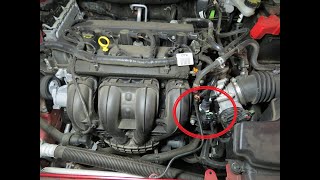
- Test the Purge Valve/Solenoid: The purge valve is a common failure point and is much cheaper to replace than the canister. A stuck-open purge valve can cause incorrect flow codes (P0441) and rough idling after refueling. A mechanic can test its operation with a scan tool or vacuum pump. 🎬 See how to test and replace a faulty purge valve.
- Test the Vent Valve/Solenoid: This valve works with the purge valve to control vapor flow and seal the system for pressure tests. If it's stuck or has failed, it can cause a variety of EVAP codes.
- Perform a Smoke Test: If a leak is suspected but not visible, the definitive diagnostic step is a smoke test. A mechanic injects low-pressure smoke into the EVAP system. Any leaks will be revealed by streams of smoke escaping from the faulty component, whether it's a hose, the canister itself, or a seal. 🎬 Watch: How to use a smoke machine to find leaks.
Pro Tip: Never overfill your gas tank. Topping off after the pump has automatically shut off can force liquid gasoline into the vapor canister. The charcoal is designed to handle vapor, not liquid fuel, and this will quickly saturate and ruin the canister, leading to a costly repair.
Known Issues, Recalls, and TSBs for 2022-2025 Genesis GV70
As of early 2026, there are no specific recalls or Technical Service Bulletins (TSBs) for the vapor canister (part number 31420-AR500) on the 2022-2025 Genesis GV70.
However, there are several relevant recalls for the fuel and emissions systems you should be aware of:
- NHTSA Recall 24V-282 (Genesis Campaign 022G): This recall addresses a low-pressure fuel pump that may fail, potentially causing a loss of drive power. It affects certain 2022-2023 GV70 models. Some owners have reported a strong gasoline smell inside the car after this recall service is performed, which typically dissipates after a few days of airing out the vehicle.
- Other Recalls: Other recalls for this generation include issues with instrument panel software, side curtain airbags, and transmission wiring harnesses. While not directly related to the EVAP system, it's important to ensure all applicable recalls have been performed on your vehicle.
Buying a Used Vapor Canister
Since a new OEM vapor canister can be expensive, a quality used OEM part is often a smart, cost-effective solution. Aftermarket options for this specific part are not readily available, making a recycled OEM part the best alternative to a new one.
What to Inspect:
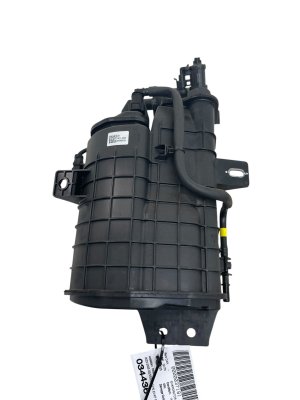
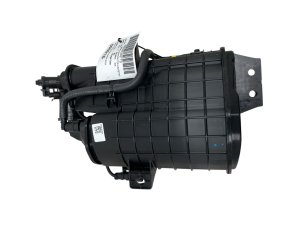
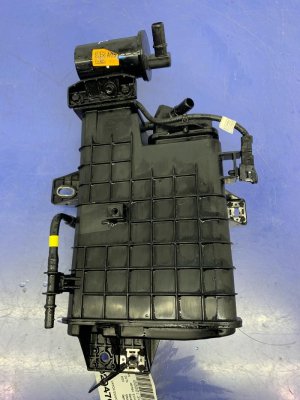
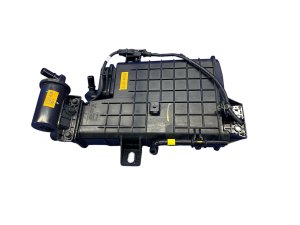
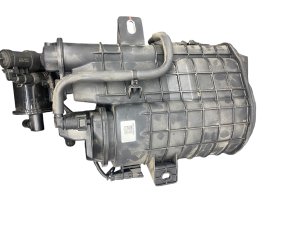
- Physical Condition: Carefully inspect the plastic housing for any cracks, fractures, or signs of damage. A cracked canister is useless, as it will cause a major EVAP leak.
- Hose Ports: Check that all hose connection ports are intact and not broken or cracked. These plastic nipples can become brittle over time and are essential for a proper seal.
- No Rattling: Gently shake the canister. You shouldn't hear any loose bits of charcoal rattling around inside. Excessive rattling could indicate the internal structure has failed.
- Verify Part Number: Ensure the part number matches what's required for your vehicle. For the 2022-2025 GV70, the correct OEM part number is 31420-AR500. This part appears to fit both the 2.5L and 3.5L engine models.
- Source Vehicle Mileage: Whenever possible, choose a part from a lower-mileage vehicle. While canisters don't have a set lifespan, one from a 20,000-mile vehicle is a safer bet than one from a 100,000-mile vehicle.
Cost Comparison for Genesis GV70 Vapor Canister Replacement
Prices can vary based on your location and supplier, but this table provides a general estimate for replacing the vapor canister.
| Part or Service | Estimated Cost |
|---|---|
| New OEM Part | $310 - $447 |
| New Aftermarket Part | Not commonly available |
| Used OEM Part | $100 - $150 |
| Shop Labor | $146 - $215 |
| Total Professional Replacement (New OEM) | $593 - $661 |
Legal & Emissions Requirements
A functioning vapor canister and EVAP system are required by federal law. You cannot pass a state emissions inspection if your Check Engine Light is on due to an EVAP-related fault code. Unlike some catalytic converters, vapor canisters are not typically subject to different CARB (California Air Resources Board) and Federal (EPA) standards; a single functional OEM part is compliant in all states. The key is that the system must be free of leaks and function as designed.
Frequently Asked Questions (FAQ)
Can I drive my GV70 with a bad vapor canister?
Yes, but it's not recommended for long. A bad canister will not leave you stranded, but you will automatically fail any emissions test. Ignoring a strong fuel smell can also be a safety hazard, as fuel vapors are flammable. It's best to get the issue diagnosed and repaired promptly.
Where is the vapor canister located on the 2022-2025 Genesis GV70?
While specific guides for the GV70 are not yet widely available, vapor canisters are almost universally located underneath the vehicle near the fuel tank, often just behind the rear driver's side wheel. It is a black plastic box with several hoses connected to it.
Is a fuel smell always caused by the vapor canister?
No. While a bad canister is a possible cause, a fuel smell can also come from a loose gas cap, a leaking fuel line, a faulty fuel injector, or a bad fuel pump seal. If you smell gas, it's critical to have the vehicle inspected immediately to rule out a dangerous liquid fuel leak.
Why is a used OEM canister better than a new aftermarket one?
For many emissions components, OEM parts offer superior fit, material quality, and longevity. The charcoal and valve technology in an OEM canister are designed specifically for the vehicle's EVAP system. Since new aftermarket canisters for the GV70 are not readily available, a low-mileage used OEM part provides the same factory quality and compatibility at a much lower price than a new dealer part.
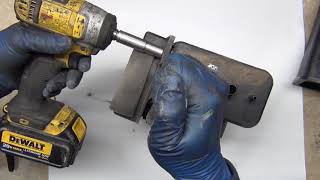
Helpful Videos

Technical Specifications
OEM Part Numbers: 31420-AR500
Fits both 2.5L and 3.5L engines for the 2022-2025 Genesis GV70 model years.
We Have This Part in Stock


The information in this article is provided for general reference and educational purposes only. Vehicle specifications, procedures, and part compatibility can vary by production date, trim level, and region. Always consult your vehicle's factory service manual and verify part numbers before purchasing or performing repairs. Safety-critical components such as airbags, seat belts, and braking systems should be installed by a qualified professional.
- Genesis GV70:
- 🎬 Helpful Videos
- 🛍️ Shop This Part
- Symptoms of a Failing Vapor Canister
- Diagnosing EVAP System Problems
- Known Issues, Recalls, and TSBs for 2022-2025 Genesis GV70
- Buying a Used Vapor Canister
- What to Inspect:
- Cost Comparison for Genesis GV70 Vapor Canister Replacement
- Legal & Emissions Requirements
- Frequently Asked Questions (FAQ)
- 🎟️ Get 5% Off