

2018-2026 Prius, Corolla, & Lexus UX Vapor Canister: Solving Fueling Issues & EVAP Codes
A complete guide to diagnosing and replacing the vapor canister assembly (77740-12770) and leak detection pump on Toyota Prius, Corolla, Corolla Cross, and Lexus UX hybrids.
- This part (77740-12770) is for standard hybrid models only; it does NOT fit Plug-In Hybrid (PHEV) versions like the Prius Prime, which use a different part.
- The most common failure symptoms are a Check Engine Light (codes P0441, P0455, etc.), difficulty filling the gas tank, and a raw fuel smell.
- A faulty vapor canister will cause an automatic failure of any state emissions test. Before replacing parts, always check that the gas cap is tight.
- No aftermarket replacements are widely available, making a quality used OEM part a smart, cost-effective alternative to an expensive new dealer part.
Symptoms of a Failing Vapor Canister or EVAP System
A problem within the EVAP system, whether it's the canister, a valve, or the leak detection pump, will usually make itself known in a few distinct ways. The first step in diagnosis is always to ensure your gas cap is tight and the seal is in good condition.
Check Engine Light with EVAP Codes
This is the most common symptom. The vehicle's computer constantly monitors the EVAP system's pressure. If it detects a leak or a blockage, it will illuminate the Check Engine Light (CEL). Common codes associated with a faulty vapor canister or leak detection pump include:
- P0441: Evaporative Emission System Incorrect Purge Flow
- P0442: Evaporative Emission System Leak Detected (Small Leak)
- P0455: Evaporative Emission System Leak Detected (Large Leak)
- P0456: Evaporative Emission System Leak Detected (Very Small Leak)
- P043E, P043F, P2401, P2402, P2419: These codes point more specifically to a fault with the leak detection pump or its circuitry.
Difficulty Fueling
If the gas pump nozzle constantly clicks off when you're trying to fill the tank, it's a classic symptom of a clogged vapor canister or a blocked vent line. The EVAP system is designed to vent air pressure from the tank during refueling. When it's blocked, pressure builds up rapidly and trips the nozzle's automatic shut-off sensor.
🎬 Watch: Why the gas pump keeps clicking off when refueling.Fuel Smell
A strong smell of raw gasoline around the rear of the vehicle, especially when parked, is a tell-tale sign that fuel vapors are escaping from a cracked canister or a leaking hose instead of being properly stored.
Poor Engine Performance
While less common, a stuck-open purge valve or a major leak in the system can create a vacuum leak. This can lead to a rough idle, hesitation during acceleration, or difficulty starting the engine.
Known Issues, Recalls, and Service Campaigns
While these models are generally reliable, a few specific issues related to the EVAP system have been noted by owners and by Toyota itself.
Special Service Campaign 24TC08
This campaign applies to certain 2023-2024 Toyota Corolla Hybrid and 2023-2024 Toyota Prius models. The issue is that the vehicle's vapor leak detection system may fail to identify a leak from a loose fuel filler cap, meaning the Check Engine Light won't turn on as it should. A fuel smell might be the only symptom. Toyota dealers will install a fuel tank clamp free of charge to remedy this. Note that the fix for the Prius Prime (PHEV) model is different.
Dust and Debris Clogging
Owners who frequently drive on dirt or dusty roads may experience premature clogging of the EVAP system's filters and vent lines. Forum discussions on PriusChat describe how fine dust can overwhelm the system, leading to fueling issues and requiring the replacement of filters, hoses, and sometimes the entire canister assembly. If you live in a dusty climate and experience fueling problems, this is a likely cause.
Compatibility Warning: This guide and the primary part number 77740-12770 are for standard Hybrid models ONLY. They will NOT fit Plug-in Hybrid (PHEV) models like the Prius Prime. The Prius Prime uses a different vapor canister assembly, part number 77740-47120. Always verify the correct part number for your specific vehicle and drivetrain before ordering.
Buying a Used Vapor Canister Assembly
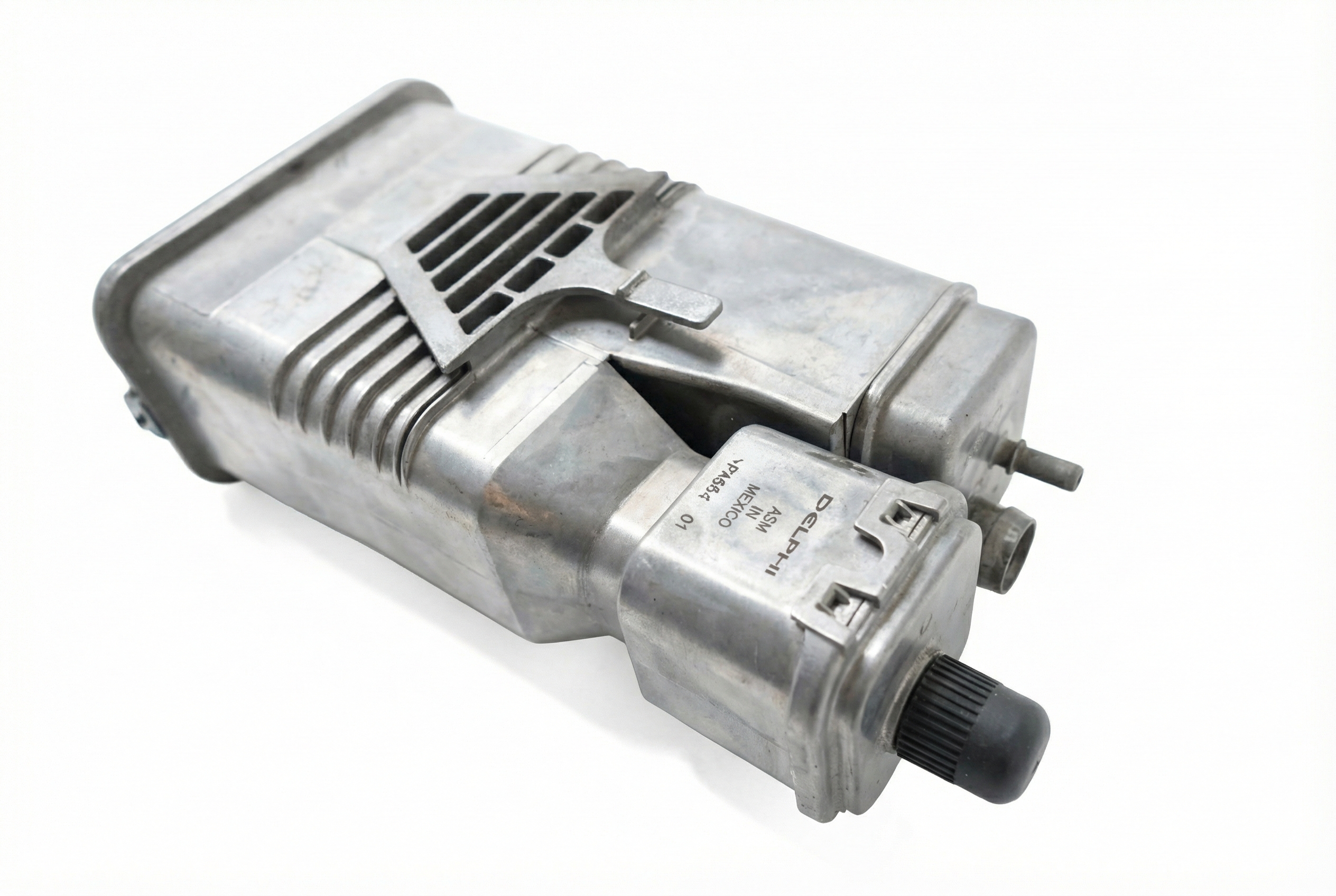
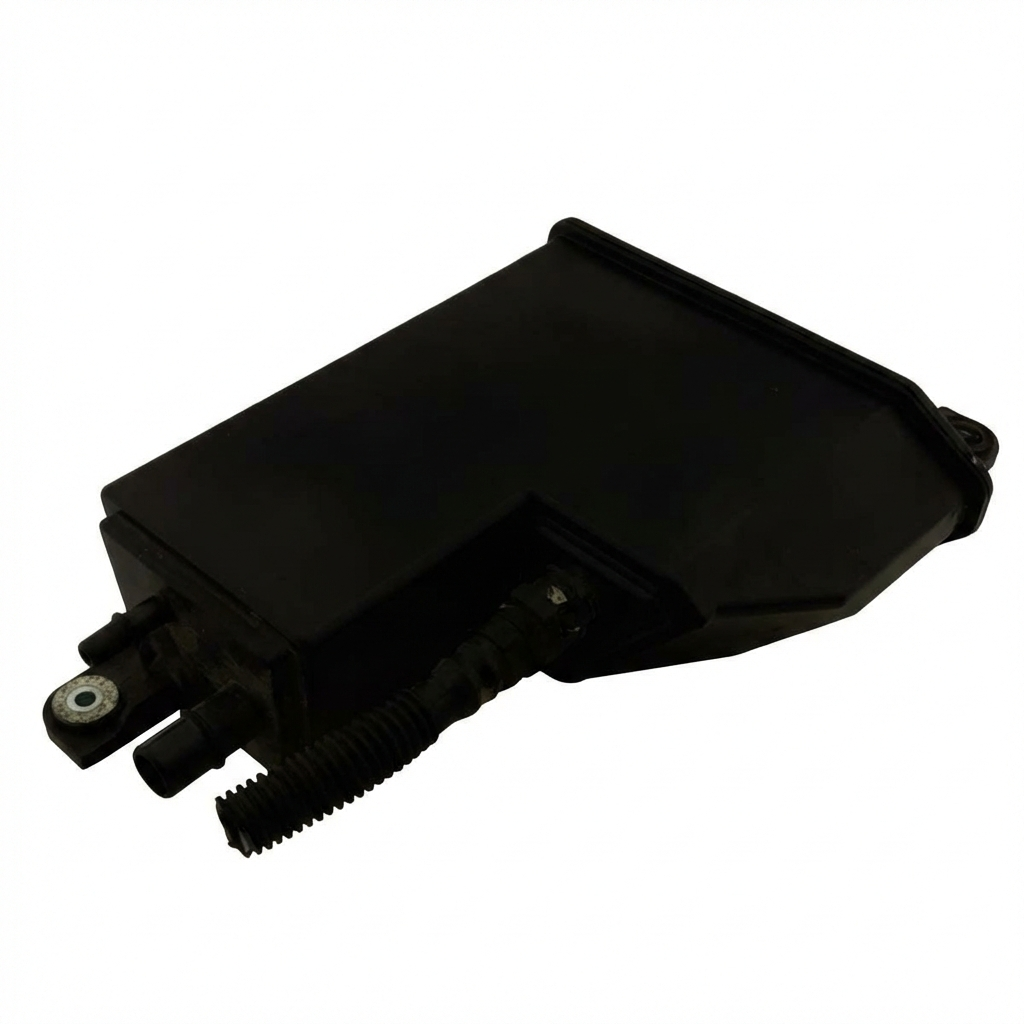
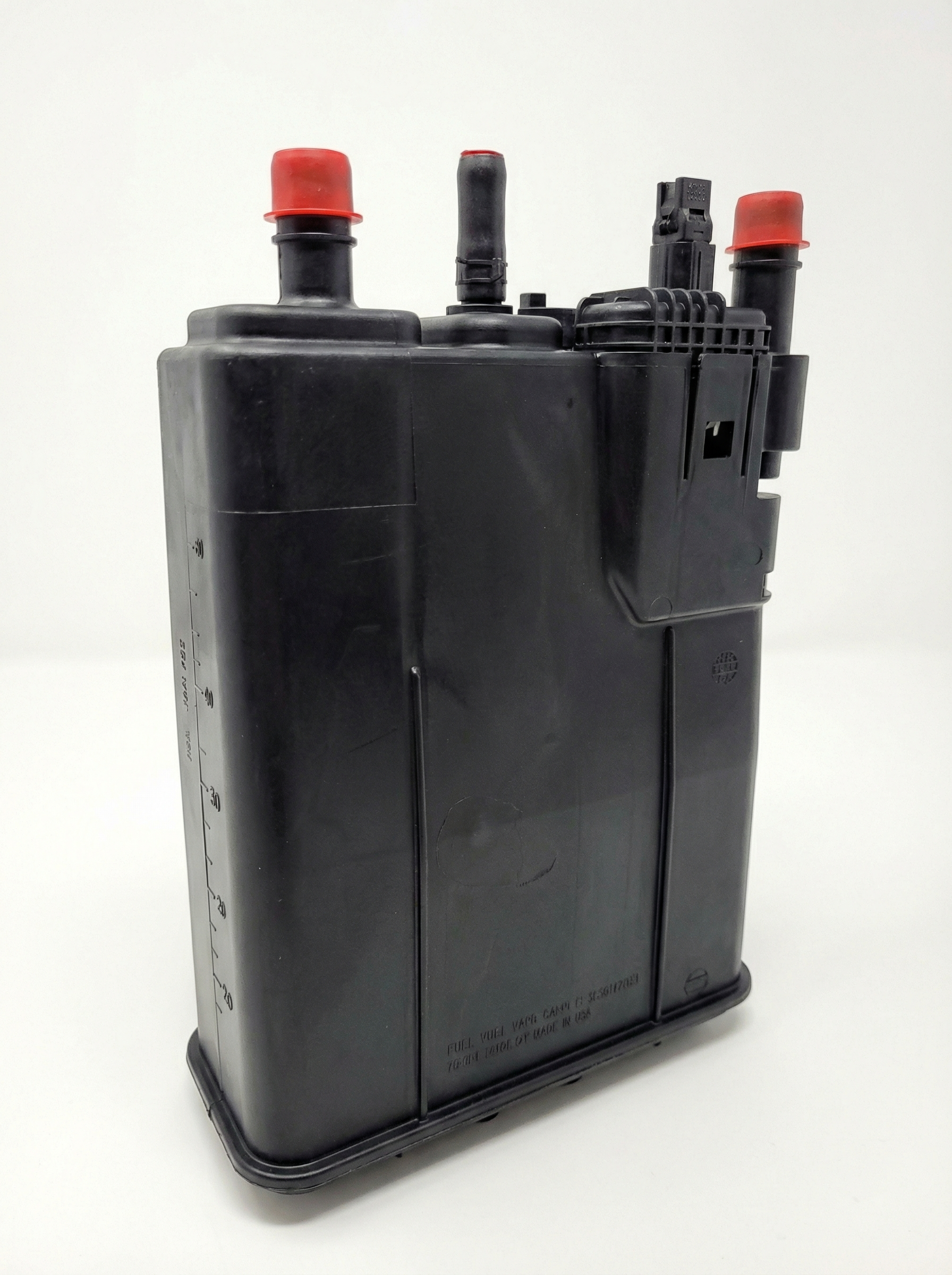
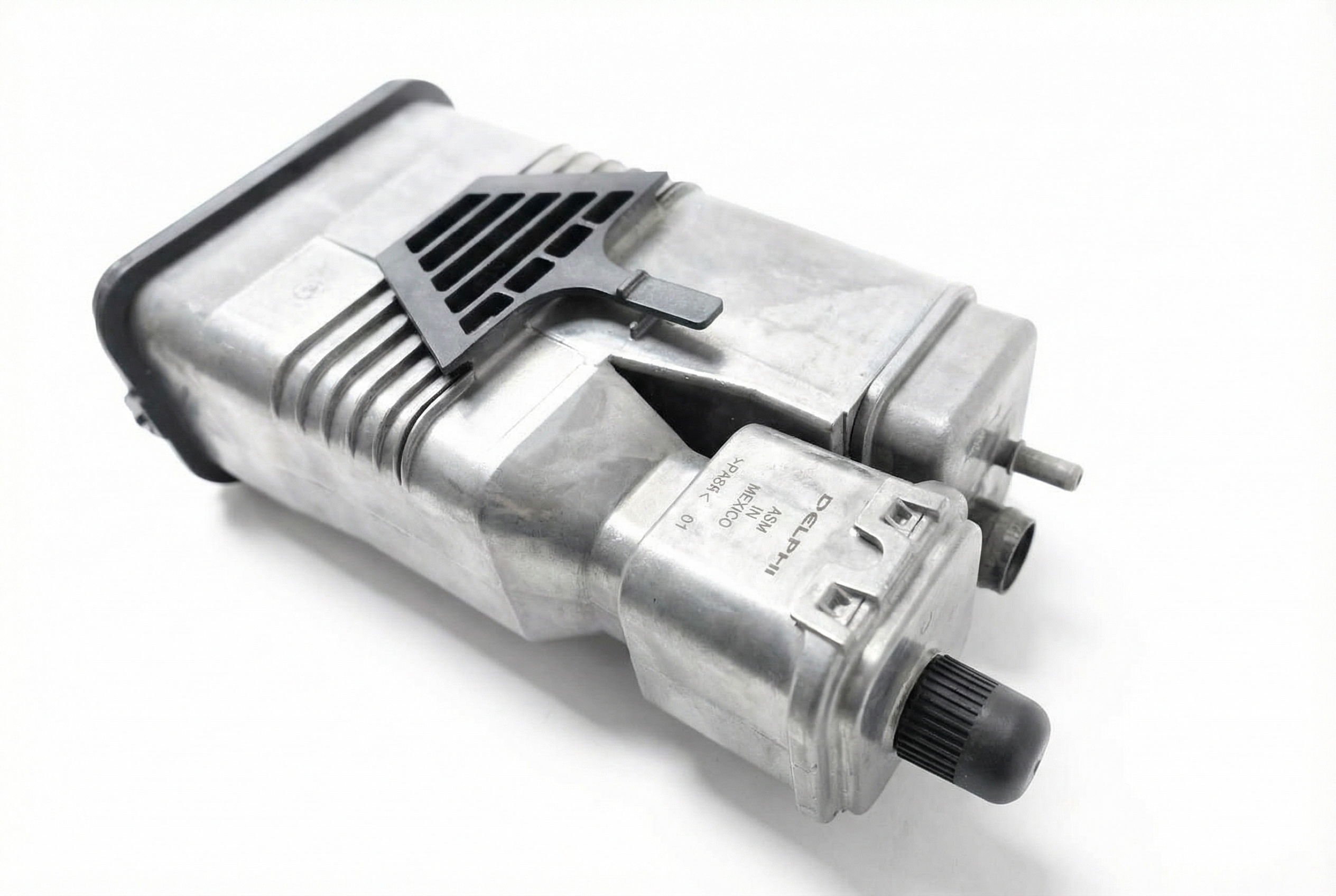
Because there are no aftermarket versions of this canister assembly available, a used OEM part is a very popular and cost-effective alternative to a new part from the dealer. When buying a used canister assembly (77740-12770), here’s what to look for:
- Physical Inspection: Carefully inspect the entire plastic housing for cracks, especially around the mounting tabs and hose ports. A part that was removed carelessly can be easily damaged.
- Check the Ports: Ensure all hose connections are clean, unbroken, and free of debris. Pay special attention to the electrical connector for the leak detection pump if it's attached.
- No Rattling: Gently shake the canister. You shouldn't hear loose pieces rattling inside. A rattling sound could indicate that the internal charcoal bed has broken down, 🎬 Watch: How to test and inspect your EVAP canister. which will render the part useless.
- Source Vehicle Mileage: Ask for the mileage of the vehicle it came from. A canister from a lower-mileage vehicle is always preferable. While these parts don't have a set lifespan, one from a car with 50,000 miles is a better bet than one from a car with 150,000 miles.
- Verify the Part Number: Double-check that the part number on the unit matches 77740-12770. While it may look identical, there could be internal differences for other models.
Cost Comparison
Prices can vary by supplier and location, but this gives a general idea of the cost for the vapor canister assembly and related repairs.
| Part / Service | Estimated Cost |
|---|---|
| New OEM Vapor Canister Assembly (77740-12770) | $450 - $600 |
| Used OEM Vapor Canister Assembly | $150 - $300 |
| New OEM Leak Detection Pump (90910-14008) | $110 - $210 |
| Shop Labor for Replacement | $150 - $300 |
Replacement Overview
Replacing the vapor canister is a moderately difficult job that a skilled DIYer can perform.
- Location: The vapor canister assembly is located underneath the rear of the vehicle, typically above the rear subframe and near the fuel tank. You will need to safely raise and support the vehicle to gain access.
- Process: The process generally involves disconnecting the battery, removing several plastic underbody panels, disconnecting multiple EVAP hoses and electrical connectors, and then unbolting the canister assembly from the chassis. The hoses can be tricky to remove without damaging the plastic clips, so patience is key. 🎬 See this step-by-step guide on how to replace the canister.
- Special Tools: No highly specialized tools are required, but hose plier tools can make releasing the spring clamps much easier.
- Post-Replacement: After installation, you will need to clear the OBD-II codes with a scan tool. The vehicle's computer will then need to complete its self-test cycle, which may require a specific drive pattern.
Legal & Emissions Compliance
The EVAP system is a federally mandated emissions control device. A vehicle with a malfunctioning vapor canister or an illuminated Check Engine Light for an EVAP code will automatically fail an emissions inspection in any state that requires one. Driving with a known EVAP issue is not illegal, but you will not be able to legally register your vehicle in many jurisdictions until it is repaired. Unlike catalytic converters, vapor canisters are not a target for theft.
Frequently Asked Questions (FAQ)
Can I drive with a bad vapor canister?
Yes, in most cases, the vehicle will still be drivable. However, you may experience reduced fuel economy, a persistent fuel smell, and poor engine performance. You will also be releasing excess pollutants and will fail any required emissions test.
Will 'topping off' my gas tank damage the vapor canister?
Yes, absolutely. Repeatedly forcing more fuel into the tank after the pump automatically shuts off can push liquid gasoline into the vapor canister. The canister is designed to handle vapor, not liquid fuel. Liquid fuel will saturate and ruin the activated charcoal inside, leading to clogs and expensive repairs. Always stop fueling when the pump clicks off the first time.
What's the difference between the vapor canister and the leak detection pump?
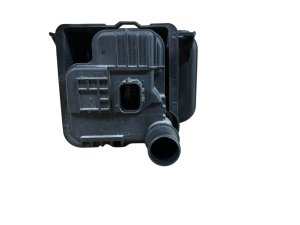
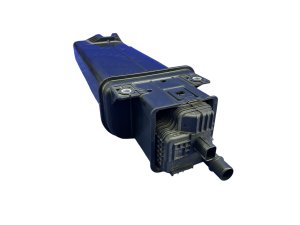
The vapor canister (77740-12770) is the large box containing charcoal that stores fuel vapors. The leak detection pump (90910-14008) is a smaller, separate component that often attaches to the canister. Its job is to pressurize the entire EVAP system so the car's computer can test for leaks. A failure in either part can trigger an EVAP-related check engine light.
Why does the gas pump keep clicking off?
This happens because the vapor canister or its vent lines are clogged and can't vent pressure from the fuel tank as it's being filled. Air and fuel vapor that are displaced by the incoming gasoline have nowhere to go, so pressure builds in the filler neck and triggers the pump's automatic shutoff. It's a classic sign of a saturated or blocked canister.
Helpful Videos

Technical Specifications
OEM Part Numbers: 77740-12770 77740-47120 90910-14006 90910-14008 90910-AF006
The primary part is the Charcoal Canister Assembly (77740-12770). It works in conjunction with the Leak Detection Pump (90910-14008, superseded by 90910-AF006). The canister for Plug-in Hybrid (PHEV) models is 77740-47120.
We Have This Part in Stock

The information in this article is provided for general reference and educational purposes only. Vehicle specifications, procedures, and part compatibility can vary by production date, trim level, and region. Always consult your vehicle's factory service manual and verify part numbers before purchasing or performing repairs. Safety-critical components such as airbags, seat belts, and braking systems should be installed by a qualified professional.
- Toyota Prius:
- Toyota Corolla Cross:
- Toyota Corolla:
- Lexus UX250h:
- Lexus UX300h:
- 🎬 Helpful Videos
- 🛍️ Shop This Part
- Symptoms of a Failing Vapor Canister or EVAP System
- Check Engine Light with EVAP Codes
- Difficulty Fueling
- Fuel Smell
- Poor Engine Performance
- Known Issues, Recalls, and Service Campaigns
- Special Service Campaign 24TC08
- Dust and Debris Clogging
- Buying a Used Vapor Canister Assembly
- Cost Comparison
- Replacement Overview
- Legal & Emissions Compliance
- Frequently Asked Questions (FAQ)
- 🎟️ Get 5% Off