

2018-2023 Kia Stinger Cameras & Sensors: A Guide to Failures, Part Numbers, and Calibration
This guide clarifies the different ADAS cameras and sensors on the Kia Stinger, explains common failures, and details the critical calibration required after replacement.
- Professional ADAS calibration is mandatory after replacing any camera or sensor; this is not a fully DIY job.
- The term 'Video Camera' can refer to several different parts; you must match your original part number exactly to ensure compatibility.
- A common symptom of forward-facing camera failure is the simultaneous activation of FCA, LKA, and HBA warning lights.
- When calculating costs, always add the price of professional calibration ($300-$600) to the price of the part and installation labor.
Understanding the ADAS 'Cameras' on Your 2018-2023 Kia Stinger

When searching for a 'video camera' for a Kia Stinger, it's important to know that the vehicle uses several different types of cameras and sensors for its safety and convenience features. Purchasing the wrong component is a common and costly mistake. These parts are not interchangeable. Always match the part number from your original unit before ordering a replacement.
| Component Name | Location | Primary Function(s) | Common Part Numbers |
|---|---|---|---|
| Forward-Facing Camera | Upper-center of the windshield | Lane Keep Assist (LKA), Forward Collision-Avoidance (FCA), High Beam Assist (HBA) | 99211-J5000, 95740-J5000 |
| Rear View Camera | Rear liftgate/trunk lid | Backup camera display, parking guidelines | 95760-J5000, 99240-J5000 |
| Front/Side View Cameras | Front grille and under side mirrors | Surround View Monitor (360° view) | (Varies by location) |
| Front Radar Sensor | Lower front grille | Smart Cruise Control (SCC) / Adaptive Cruise | 96400-J5100 |
| Blind Spot Radar Sensor | Behind the rear bumper cover (corners) | Blind-Spot Collision Warning (BCW) | 95811-J5000 (Left), 95821-J5001 (Right) |
Symptoms of a Failing Stinger Camera or Sensor

Failure symptoms vary depending on which component has failed. Here are the most common issues reported by owners.
Forward-Facing Windshield Camera Failure
- Multiple ADAS Warning Lights: The most common symptom is the simultaneous illumination of warning lights for FCA (Forward Collision-Assistance), LKA (Lane Keep Assistance), and HBA (High Beam Assist) on the instrument cluster.
- Error Messages: You may see messages like "Check FCA system" or "Check LKA system." 🎬 Watch: How to troubleshoot and reset FCA system warnings.
- Features Stop Working: The Lane Keep Assist will no longer provide steering input, and the Forward Collision-Avoidance system will be disabled.
Rear View or Surround View Camera Failure
- Black or Blue Screen: When you shift into reverse, the infotainment screen is black, blue, or displays a "No Signal" error.
- Flickering or Distorted Image: The camera feed may cut in and out, flicker, or show distorted lines. This can sometimes be caused by a loose connection or wiring issue.
- Blurry or Foggy Image: The image may be out of focus, hazy, or have low contrast, especially in low light or rain. This can be due to a dirty lens, internal condensation from a failed seal, or a degrading camera sensor. 🎬 See this guide on fixing common Kia backup camera issues.
Known Issues, TSBs, and Recalls
As of early 2026, there are no specific safety recalls issued by the National Highway Traffic Safety Administration (NHTSA) for failures of the camera or ADAS sensor systems on the 2018-2023 Kia Stinger.
However, the vehicle has been subject to other important safety recalls. These include recalls for a high-pressure fuel pump that could cause a loss of power (NHTSA 23V634) and a turbocharger oil feed pipe that could leak and increase fire risk (NHTSA 24V169). It is always recommended to check your vehicle's VIN on the NHTSA website for any open recalls.
Warning: The most critical aspect of replacing any ADAS component, especially the forward-facing camera, is the mandatory calibration procedure that must be performed after installation.
Buying a Used Kia Stinger ADAS Camera

Purchasing a used ADAS camera or sensor can offer significant savings over a new OEM part. However, there are critical factors to consider to ensure you get a functional and compatible part.
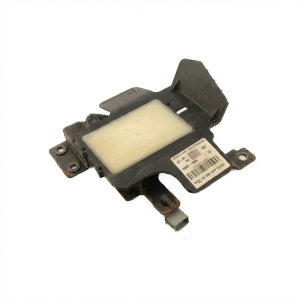
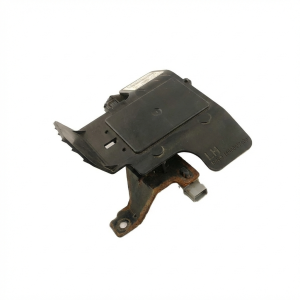
- Verify the Part Number: This is the most important step. ADAS systems are highly specific to the vehicle's trim level and options. You must match the part number from your original unit exactly. Do not rely on visual appearance alone.
- Inspect for Damage: Physically inspect the used part for any signs of damage. For cameras, check for cracks, deep scratches, or haziness on the lens. For any component, ensure the housing is intact and that the electrical connector pins are straight and free of corrosion.
- Consider the Source: Buy from a reputable automotive recycler that offers a warranty and a return policy. This protects you if the part is dead on arrival.
- Factor in Calibration Costs: A used camera that costs $100 is not a $100 repair. You must add the cost of professional calibration, which can be several hundred dollars. Even with this added cost, a used OEM part is often more affordable than a new one.
- OEM vs. Aftermarket: For complex electronics like ADAS components, a used OEM part is generally a safer choice than a new, cheap aftermarket part. The OEM unit is designed to integrate perfectly with the vehicle's software and calibration procedures.
Replacement and Calibration

Physically replacing an ADAS component can range from simple to moderately complex. The rear camera involves removing liftgate trim, while the forward camera is often accessible after removing the plastic housing behind the rearview mirror. The blind spot sensors require removing the rear bumper cover.
The real difficulty lies in the mandatory post-installation calibration.
Pro Tip: ADAS calibration is the process of precisely aligning the camera or sensor's field of view with the vehicle's computer. This ensures the system accurately sees the road, lane markings, and other vehicles. Even a one-degree misalignment can cause the system to fail or, worse, make incorrect decisions.
This procedure is not optional and cannot be done without specialized, expensive equipment and software. After installing your used part, the vehicle must be taken to a Kia dealership or a qualified independent shop that specializes in ADAS services for calibration. This is also required after a windshield replacement or even a wheel alignment in some cases.
🎬 Watch: A walkthrough of the forward-facing camera calibration process.Cost Comparison for Stinger Camera Replacement
Prices can vary by location and which specific component has failed. The forward-facing camera and front radar sensor are typically the most expensive parts.
| Part/Service | Estimated Cost |
|---|---|
| New OEM Part (e.g., Front Radar/Camera) | $800 - $1,400 |
| New OEM Part (e.g., Rear Camera) | $200 - $400 |
| New Aftermarket Part (e.g., Rear Camera) | $150 - $250 |
| Used OEM Part | $70 - $200 |
| Shop Labor (Part Installation) | $130 - $400 |
| ADAS Calibration (Required) | $300 - $600 |
Frequently Asked Questions (FAQ)
Can I replace a Stinger's ADAS camera myself?
While you might be able to physically install the part, the job is incomplete and the system will not work until it is professionally calibrated. Therefore, a 100% DIY replacement is not feasible for most home mechanics.
My Lane Keep Assist stopped working after a windshield replacement. Is the camera bad?
The camera is likely not bad. Whenever a windshield is replaced on an ADAS-equipped vehicle, the forward-facing camera must be recalibrated. The glass company should have performed this or advised you it was necessary. Contact the installer or take it to a dealer for calibration.
Why is ADAS calibration so expensive?
The cost is due to the need for specialized equipment, including targets and scanners, a controlled workshop environment (level ground, specific lighting), and trained technicians. The process is precise and time-consuming to ensure the safety systems function correctly.
Can I upgrade my Stinger to have features like Lane Keep Assist by just adding a camera?
No. ADAS features are deeply integrated into the vehicle's wiring, computers (like the ECU and BCM), and software. Simply adding a camera will not enable the feature. It requires the correct control modules, wiring harnesses, and vehicle programming.
Helpful Videos

Technical Specifications
OEM Part Numbers: 99211-J5000 95740-J5000 95760-J5000 99240-J5000 96400-J5100 95811-J5000 95821-J5001 94310-J5400
System components are highly specific to vehicle trim and options. Compatibility must be verified by OEM part number.
We Have This Part in Stock

The information in this article is provided for general reference and educational purposes only. Vehicle specifications, procedures, and part compatibility can vary by production date, trim level, and region. Always consult your vehicle's factory service manual and verify part numbers before purchasing or performing repairs. Safety-critical components such as airbags, seat belts, and braking systems should be installed by a qualified professional.
- Kia Stinger:
- 🎬 Helpful Videos
- 🛍️ Shop This Part
- Understanding the ADAS 'Cameras' on Your 2018-2023 Kia Stinger
- Symptoms of a Failing Stinger Camera or Sensor
- Forward-Facing Windshield Camera Failure
- Rear View or Surround View Camera Failure
- Known Issues, TSBs, and Recalls
- Buying a Used Kia Stinger ADAS Camera
- Replacement and Calibration
- Cost Comparison for Stinger Camera Replacement
- Frequently Asked Questions (FAQ)
- 🎟️ Get 5% Off