

Subaru EyeSight & Backup Camera Guide: 2015-2021 Impreza, Crosstrek, Forester & More
This guide covers the two separate camera systems—the forward-facing EyeSight and the rear backup camera—explaining common failures, high replacement costs, and the critical need for calibration.
- These vehicles have two separate camera systems: a simple rear backup camera and the complex, forward-facing EyeSight stereo cameras.
- Replacement of the forward-facing EyeSight cameras is extremely expensive and ALWAYS requires professional calibration, which adds several hundred dollars to the repair cost.
- A common cause for a non-working backup camera is a faulty backup lamp switch, which has been subject to a recall.
- When buying a used EyeSight camera, it must be a matched pair from a non-collision vehicle, and you must budget for the mandatory calibration.
Understanding the Two Camera Systems

When discussing video cameras on the 2015-2020 Subaru Impreza, 2016-2021 Subaru Crosstrek, 2015-2020 Subaru XV Crosstrek, 2019 Subaru Ascent, and 2019-2021 Subaru Forester, it's essential to distinguish between two completely separate systems: the rear backup camera and the forward-facing EyeSight cameras.
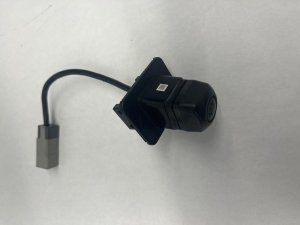
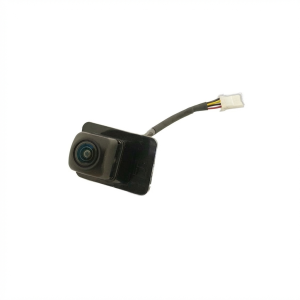
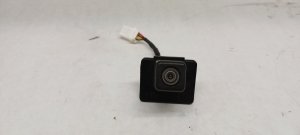
- Rear-View Backup Camera: This is a single camera located on the rear of the vehicle (trunk lid for sedans, tailgate for wagons and SUVs). Its only job is to show you what's behind the vehicle when you shift into reverse.
- Forward-Facing EyeSight Cameras: This is a set of two cameras (a stereo pair) mounted inside the vehicle, behind the windshield near the rearview mirror. These cameras are the 'eyes' for Subaru's suite of advanced driver-assistance systems (ADAS), including automatic emergency braking and adaptive cruise control.
These two systems do not share parts and have vastly different replacement requirements and costs.
Symptoms of Failure


Diagnosing a camera issue starts with observing the specific symptoms, which differ significantly between the rear camera and the EyeSight system.
Rear-View Backup Camera Failure Symptoms
- Blank or Black Screen: The most common symptom is the infotainment screen showing nothing, or a solid blue or black screen, when the vehicle is in reverse.
- Flickering or Distorted Image: The video feed may cut in and out, flicker, or appear distorted, which can point to a failing camera or a loose electrical connection.
- Blurry or Foggy Image: Moisture intrusion into the camera lens is a common issue, causing a permanently blurry or fogged-up image that cleaning the outside of the lens won't fix.
- "Check Surroundings for Safety" Message Stays On: The warning message appears, but no video image follows.
EyeSight System Failure Symptoms
- "EyeSight Disabled" Warning Light: This is the primary indicator of a problem. A persistent warning light on the dashboard indicates the system has detected a fault and has shut down all related safety features.
- Loss of Driver-Assist Features: Adaptive Cruise Control, Pre-Collision Braking, and Lane Keep Assist will become unavailable.
- Phantom Braking: In some cases, a malfunctioning or miscalibrated system may incorrectly detect an obstacle and apply the brakes unexpectedly.
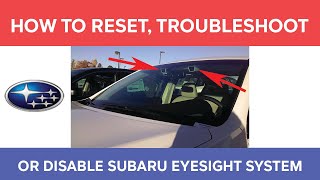
- Intermittent Shutdowns: The system may disable itself in certain weather conditions like heavy rain, fog, or even direct sunlight, but if it happens frequently in clear conditions, it can signal a hardware or calibration issue. 🎬 Learn how to troubleshoot or reset your EyeSight system safely.
Pro Tip: Before assuming your EyeSight camera has failed, thoroughly clean the inside and outside of the windshield in front of the cameras. Smudges, condensation, or even certain window-mounted accessories can obstruct the cameras' view and cause the system to temporarily disable itself.
Known Issues, Recalls, and Technical Service Bulletins (TSBs)

Several known issues can affect the camera systems on these vehicles.
Backup Camera Recalls
Subaru has issued recalls for issues related to the backup camera. A widespread problem involves a faulty backup lamp switch (inhibitor switch). Corrosion can cause this switch to fail, which prevents the car from recognizing it's in reverse. As a result, the reverse lights and the backup camera fail to activate. While this recall primarily targets 2021-2023 models, similar switch failures have been noted on earlier vehicles. Another software-related recall was issued for some models where the rearview display could freeze or go blank.
- NHTSA Campaign Number: 22V522000 (WRE-22) - Affects some 2015-2021 models for a faulty backup light switch that also disables the rearview camera.
EyeSight System Issues
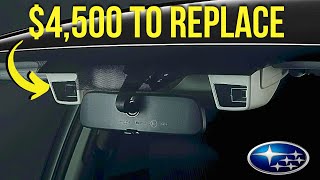
The EyeSight system is sensitive and can be prone to issues. Subaru has released TSBs, such as 07-225-24, addressing camera halt and fan malfunction error codes (E5 and B28C7) that can disable the system. These issues sometimes require software updates or, in more severe cases, a full camera assembly replacement. 🎬 See why EyeSight repairs can be so expensive and complex. Failures can be triggered by extreme temperatures, humidity, or internal component failure.
Buying a Used Video Camera: What to Check

Purchasing a used camera can be a cost-effective solution, but careful inspection and verification are critical, especially for the EyeSight system.
For a Used Rear-View Backup Camera:
- Physical Inspection: Closely examine the lens for deep scratches, cracks, or any sign of hazing or moisture inside the housing. A clear, undamaged lens is essential for good image quality.
- Check the Connector: Inspect the electrical connector pins. They should be straight and free of any green or white corrosion, which would indicate water damage.
- Verify the Part Number: Match the OEM part number exactly. For the 2015-2020 Impreza, it is critical to get the correct camera for your body style. The sedan (trunk-mounted) and wagon (tailgate-mounted) use different cameras.
- Why Used OEM is a Good Choice: A used original equipment (OEM) camera ensures perfect fitment, proper electrical connections, and the same image quality as the factory part. Aftermarket cameras can sometimes have lower resolution, distorted guideline overlays, or poor weather sealing leading to premature failure.
For a Used Forward-Facing EyeSight Camera Assembly:
Warning: Replacing EyeSight cameras is not a simple DIY job. Professional calibration is mandatory for the system to function correctly and safely. This is a significant added cost that must be factored into your budget.
- Buy as a Matched Pair: The two EyeSight cameras are a stereo pair. It is highly recommended to purchase them together from the same donor vehicle. Do not attempt to replace just one camera.
- Lens and Housing Inspection: Any scratches, chips, or damage to the lenses or the housing that holds them is an immediate red flag. The system's accuracy depends on pristine optics.
- Avoid Collision Vehicles: Do not purchase EyeSight cameras from a vehicle that sustained a heavy front-end collision. Even if the cameras look undamaged, the mounting points could be compromised, making proper calibration impossible.
- The Calibration Requirement: A used EyeSight camera assembly WILL NOT work by simply plugging it in. It must be professionally calibrated using specialized targets and Subaru-specific software. This procedure tells the system how the cameras are aimed relative to the car's alignment, ensuring it can accurately judge distances for braking and lane-keeping. This service is typically only available at Subaru dealerships or high-end independent shops specializing in ADAS.
Cost Comparison
The cost difference between the rear backup camera and the forward EyeSight system is substantial.
| Part / Service | Estimated Cost |
|---|---|
| New OEM Rear Camera | $130 - $325 |
| New Aftermarket Rear Camera | $90 - $150 |
| Used OEM Rear Camera | $50 - $125 |
| Shop Labor (Rear Camera Replacement) | $100 - $200 |
| New OEM EyeSight Camera Assembly | $2,000 - $3,000+ |
| Used OEM EyeSight Camera Assembly | $250 - $500 |
| EyeSight Calibration Service | $300 - $600+ |
Replacement Difficulty
Rear-View Backup Camera
- Difficulty Rating: 2 out of 5
- Estimated Time: 1 hour
- DIY Feasible: Yes
Replacement typically involves removing the interior trim panel from the trunk or tailgate, disconnecting the electrical connector, unbolting the old camera, and installing the new one. No special calibration is required.
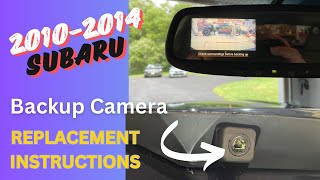
🎬 Watch this step-by-step guide for replacing a Subaru backup camera.Forward-Facing EyeSight Cameras
- Difficulty Rating: 5 out of 5 (due to mandatory calibration)
- Estimated Time: 2-3 hours (including calibration)
- DIY Feasible: No
While the physical swap of the camera unit behind the rearview mirror is relatively simple, the job is incomplete and the system will not work without professional calibration. This requires specialized, expensive equipment and is not a DIY task. Attempting to use the system without proper calibration is dangerous, as safety features may not work or could engage unexpectedly.
Frequently Asked Questions (FAQ)
Why did my EyeSight system turn off by itself?
The system can temporarily disable itself due to poor visibility (heavy rain, fog, snow), a dirty windshield, or driving directly into the sun. If the "EyeSight Disabled" light stays on in clear conditions with a clean windshield, it indicates a system fault that requires diagnosis.
Do I need to calibrate a replacement backup camera?
No. The rear-view backup camera is a simple plug-and-play component and does not require any special calibration after installation.
Can I replace my windshield at any glass shop if I have EyeSight?
It is strongly recommended to use a shop that can also perform the mandatory EyeSight recalibration. Many discount glass shops do not have the equipment and you will have to pay separately for calibration at a dealership, often making the total cost higher.
My backup camera is just blurry. Does it need to be replaced?
First, thoroughly clean the exterior lens with a soft, damp cloth. If the image is still blurry or looks like there is condensation, the camera's internal seal has likely failed, allowing moisture inside. In this case, the camera assembly must be replaced.
Helpful Videos
Technical Specifications
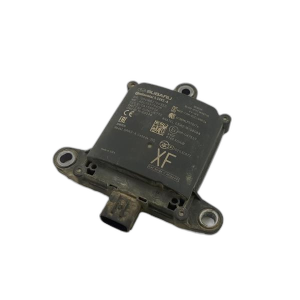
OEM Part Numbers: 86267FJ300 86267FJ500 87501FJ040 87501FL060 87611FL000 87611FL00A 87611SJ003 87611SJ004 87611XC00A 87611XC00B 86267FL000
System includes rear-view camera (tailgate/trunk mounted) and forward-facing stereo cameras (windshield mounted) for EyeSight Driver Assist.
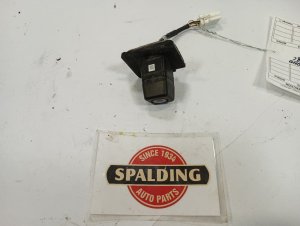
We Have This Part in Stock

The information in this article is provided for general reference and educational purposes only. Vehicle specifications, procedures, and part compatibility can vary by production date, trim level, and region. Always consult your vehicle's factory service manual and verify part numbers before purchasing or performing repairs. Safety-critical components such as airbags, seat belts, and braking systems should be installed by a qualified professional.
- Subaru Impreza:
- Subaru Crosstrek:
- Subaru XV Crosstrek:
- Subaru Ascent:
- Subaru Forester:
- 🎬 Helpful Videos
- 🛍️ Shop This Part
- Understanding the Two Camera Systems
- Symptoms of Failure
- Rear-View Backup Camera Failure Symptoms
- EyeSight System Failure Symptoms
- Known Issues, Recalls, and Technical Service Bulletins (TSBs)
- Backup Camera Recalls
- EyeSight System Issues
- Buying a Used Video Camera: What to Check
- For a Used Rear-View Backup Camera:
- For a Used Forward-Facing EyeSight Camera Assembly:
- Cost Comparison
- Replacement Difficulty
- Rear-View Backup Camera
- Forward-Facing EyeSight Cameras
- Frequently Asked Questions (FAQ)
- 🎟️ Get 5% Off