

2004-2009 Toyota Prius Washer Reservoir: Leaks, Pumps, and Replacement Guide
This guide covers common failure points, how to diagnose a bad washer pump versus a cracked tank, and what to look for when buying a used reservoir for your Gen 2 Prius.
- The most common failures are the electric washer pumps, not the tank itself. Test the pumps before assuming you need a whole new reservoir.
- Accessing the reservoir requires removing the passenger-side front fender liner; the entire bumper does not need to come off.
- The OEM part number for the complete assembly for all 2004-2009 Prius models is 85315-47060.
- Using plain water instead of proper washer fluid can lead to cracks in the tank if it freezes.
Symptoms of Failure
Diagnosing a problem with your washer system is usually straightforward. The symptoms often point directly to the cause, which can be the reservoir tank, the pumps, or the hoses.
1. No Fluid Sprays on Windshield
If you activate the washers and nothing comes out, the first step is to listen. If you hear a humming sound from the front passenger side of the car, the pump is getting power and trying to work. This suggests the problem could be an empty reservoir, a clog in the lines, or a pump that runs but no longer builds pressure. If you hear no sound at all, the issue is likely electrical—either a failed pump motor or a blown fuse.
2. Visible Fluid Leaks
Puddles of blue, green, or orange fluid under the front passenger-side of the car are a clear sign of a leak. The reservoir itself can become brittle with age and develop cracks, especially if plain water was used and allowed to freeze. Leaks can also come from the rubber grommets where the two washer pumps and the level sensor are seated in the tank.
3. Washer Fluid Light Stays On
The 2004-2009 Prius is equipped with a washer fluid level sensor. If the warning light on your dashboard stays on even after you've completely filled the reservoir, the sensor itself has likely failed. On these models, the sensor is part of the reservoir assembly.
Known Issues & Recalls: 2004-2009 Toyota Prius
While there are no specific recalls or Technical Service Bulletins (TSBs) for the washer fluid reservoir itself on the 2004-2009 Prius, the most common failures are due to age and normal wear.
- Cracked Plastic: Over years of heat cycles under the hood, the plastic reservoir can become brittle and crack, leading to leaks.
- Pump Failure: The small electric washer pumps are a very common failure point. Often, the motor simply burns out from age. The good news is that the front and rear pumps are often interchangeable, so in an emergency, you could swap them to get your front windshield washer working.
- Clogged Pump Inlets: If poor quality or contaminated fluid is used, the small filter screens at the base of the pumps can become clogged, preventing fluid from being drawn from the tank. 🎬 Watch: How to fix a clogged washer system
Pro Tip: Before replacing the entire reservoir, test the pumps. Have a helper activate the washer switch while you listen for the pump motor. If you hear it run but no fluid comes out, the pump is likely the culprit (assuming the tank is full and lines aren't clogged). If you hear nothing, test for 12V power at the pump's electrical connector when the switch is activated. Power at the connector means the pump is bad.
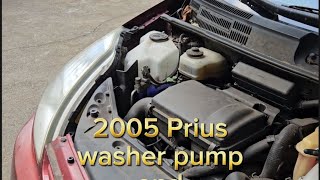
🎬 Watch: How to diagnose a bad windshield washer pumpBuying a Used Washer Fluid Reservoir: What to Check
A used OEM reservoir is an excellent, cost-effective alternative to a new part. Because this part is mostly plastic, a careful inspection is key to getting a good one.
- Inspect for Cracks: Carefully check the entire tank body for hairline cracks, especially around the mounting points and the seams. Pay close attention to the bottom where the pumps are installed.
- Check Plastic Condition: The plastic should still feel somewhat flexible. Avoid reservoirs that look chalky, faded, or feel excessively brittle, as they are likely to crack soon.
- Verify Pumps and Sensor are Included: A major benefit of a used assembly is getting the pumps and level sensor. Ensure they are present. Check that the electrical connector pins on the pumps are clean and free of corrosion.
- Examine Grommets: Check the condition of the rubber grommets that seal the pumps and level sensor. They should be soft and pliable, not dry-rotted or cracked. These are a common source of slow leaks.
- Confirm Part Number: The correct OEM part number for the 2004-2009 Prius reservoir assembly (with rear wiper) is 85315-47060.
Replacement Overview
Replacing the washer reservoir on a Gen 2 Prius is a manageable DIY job for someone with basic tools. Accessing the reservoir is the main challenge.
- Difficulty: 2.5 out of 5
- Estimated Time: 1 hour
- Process: The reservoir is located behind the front bumper cover on the passenger side. While some guides suggest removing the whole bumper, access can often be gained by simply removing the passenger side front wheel and the plastic fender liner. This reveals the reservoir, which is held in place by a few 10mm bolts and clips. After draining any remaining fluid, you'll disconnect the electrical connectors and fluid hoses, unbolt the tank, and swap it out.
Warning: Before removing the old pumps from the reservoir, make sure the tank is empty, or the remaining fluid will spill out.
| Part Type | Estimated Price Range |
|---|---|
| New OEM (Toyota) | $110 - $155 |
| New Aftermarket | $50 - $90 |
| Used OEM | $40 - $75 |
| Shop Labor | $116 - $171 |
Frequently Asked Questions (FAQ)
Can I just replace the washer pump instead of the whole tank?
Yes. If you've determined that only a pump has failed and the tank itself is not leaking, you can purchase and replace just the individual pump. The front pump is Toyota part number 85330-60190 and the rear is 85330-60180. However, on an older vehicle, if the labor-intensive step of removing the fender liner is required, many owners choose to replace the entire assembly to prevent future failures of the tank or the other pump.
Is the front washer pump the same as the rear one?
For the 2004-2009 Prius, the front and rear pumps have different part numbers but are physically very similar and may be interchangeable in some cases. However, their electrical connectors can be different, so it is best to use the correct part for each location to ensure proper fit and function.
Why do my washers stop working in the winter?
This is almost always due to frozen fluid. If you use plain water or an all-season fluid in a climate with freezing temperatures, the water in the lines and nozzles will turn to ice, blocking flow. Always use a winter-grade washer fluid rated for low temperatures to prevent this.
Do I have to remove the whole front bumper to replace the reservoir?
No, it is typically not necessary. The most common method involves removing the front passenger wheel and the plastic fender liner. This provides enough access to unbolt the reservoir, disconnect the lines and wires, and remove it from the vehicle.
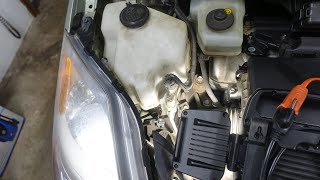
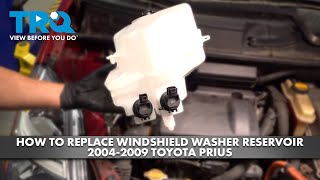
🎬 See this step-by-step washer reservoir replacement walkthroughHelpful Videos
Technical Specifications
OEM Part Numbers: 85315-47060 (Reservoir Assembly) 85330-60190 (Front Washer Pump) 85330-60180 (Rear Washer Pump)
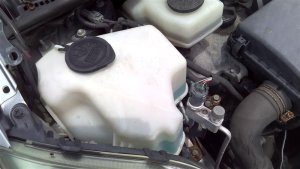
Fits all 2004, 2005, 2006, 2007, 2008, and 2009 Toyota Prius models. Assembly includes reservoir tank, filler neck, cap, front washer pump, rear washer pump, and fluid level sensor.
We Have This Part in Stock

The information in this article is provided for general reference and educational purposes only. Vehicle specifications, procedures, and part compatibility can vary by production date, trim level, and region. Always consult your vehicle's factory service manual and verify part numbers before purchasing or performing repairs. Safety-critical components such as airbags, seat belts, and braking systems should be installed by a qualified professional.
- Toyota Prius:
- 🎬 Helpful Videos
- 🛍️ Shop This Part
- Symptoms of Failure
- 1. No Fluid Sprays on Windshield
- 2. Visible Fluid Leaks
- 3. Washer Fluid Light Stays On
- Known Issues & Recalls: 2004-2009 Toyota Prius
- Buying a Used Washer Fluid Reservoir: What to Check
- Replacement Overview
- Frequently Asked Questions (FAQ)
- 🎟️ Get 5% Off