

2017-2022 Prius Prime Washer Reservoir: Leaks, Pumps, and Prime-Specific Fitment
This guide covers common failures, replacement costs, and how to choose the right used washer reservoir for your 2017-2022 Toyota Prius Prime.
- This washer reservoir is exclusive to the 2017-2022 Toyota Prius Prime and will not fit the standard Prius model.
- Common failures include leaks from cracked plastic or dried-out pump grommets, and washer pump motor failure.
- Replacement is a feasible DIY task, requiring removal of the passenger-side front fender liner for access.
- When buying a used part, inspect for cracks and ensure the pump and level sensor are included and have intact connectors.
Symptoms of a Failing Washer Fluid Reservoir
Problems with the washer fluid system can range from simple annoyances to safety issues. Here are the most common signs that your reservoir or its related parts are failing:
- No Fluid Sprays on Windshield: If you activate the washers and hear nothing, the pump motor might have failed or there could be an electrical issue like a blown fuse. If you can hear the pump whirring but no fluid comes out, the tank is likely empty, the lines are clogged, or the pump itself is broken internally.
- Visible Fluid Leaks: Puddles of blue, green, or orange fluid under the front passenger side of the car are a clear sign of a leak. This can be caused by a crack in the reservoir tank itself (often from a minor impact or from using water that freezes and expands), or from old, dried-out rubber grommets where the pumps and sensors are inserted into the tank.
- Weak or Uneven Spray: If the fluid barely reaches the windshield or sprays unevenly, it could be a sign of a failing pump that can no longer generate enough pressure. It can also be caused by clogged nozzles or a leak in the washer fluid lines.
- Low Fluid Warning Light Stays On: If the reservoir is full but the low fluid warning light on your dashboard won't turn off, the fluid level sensor is likely faulty. On some models, this sensor is part of the reservoir assembly.
Compatibility Warning: This washer reservoir assembly is specifically for the 2017-2022 Toyota Prius Prime. It will NOT fit the standard (non-Prime) Toyota Prius. The Prime model has different components and packaging in the engine bay. Always verify your vehicle is a Prius Prime before ordering.
Buying a Used 2017-2022 Prius Prime Washer Reservoir
A used OEM washer reservoir is an excellent, cost-effective alternative to an expensive new dealer part. Because these reservoirs are typically damaged by impact rather than wear, a good used part from an undamaged vehicle is often just as reliable as a new one. Here’s what to look for:
- Thorough Visual Inspection: Carefully inspect the entire plastic tank for any cracks, especially around the mounting points and seams. Hairline cracks can be difficult to see but will cause slow leaks.
- Check Included Components: A complete used assembly should include the reservoir tank, the washer pump(s), and the fluid level sensor. Ensure the electrical connectors on the pumps and sensor are not cracked or damaged.
- Inspect Rubber Grommets: The rubber seals or grommets where the pumps push into the tank are critical. Make sure they are included and are still soft and pliable. If they are hard, brittle, or cracked, they will leak and should be replaced.
- Confirm Vehicle Origin: Double-check that the part was removed from a 2017-2022 Toyota Prius Prime. A part from a standard Prius will not fit correctly.
- Why Used OEM is a Smart Choice: A recycled OEM reservoir guarantees a perfect fit, proper mounting points, and compatibility with the original pumps and sensors. Cheap aftermarket reservoirs can be made from lower-quality plastic that becomes brittle over time and may not fit as precisely, leading to installation headaches or premature failure.
Known Issues, Recalls, and Technical Service Bulletins (TSBs)
For the 2017-2022 Toyota Prius Prime, the washer fluid reservoir and its components are generally reliable. Searches for common problems, recalls, or TSBs specifically related to the washer reservoir system on the Prius Prime did not reveal any widespread, recurring manufacturing defects. Failures are typically isolated incidents due to:
- Age-related pump motor failure.
- Cracked tanks from road debris or minor accidents.
- Leaks from deteriorated rubber pump grommets.
- Clogged lines or nozzles, sometimes from mixing incompatible washer fluids.
Owners should be aware of recalls for other systems on these vehicles, but none directly involve the washer reservoir.
Cost Comparison for Prius Prime Washer Reservoir Replacement
Replacing the washer reservoir involves both parts and labor costs. The reservoir itself is located behind the passenger-side front fender liner, which must be removed for access.
| Part or Service | Estimated Cost |
|---|---|
| New OEM Reservoir (Tank Only) | $85 - $123 |
| New OEM Washer Pump | $60 - $90 |
| New Aftermarket Reservoir Assembly | $75 - $110 |
| Used OEM Reservoir Assembly | $50 - $95 |
| Shop Labor Cost | $110 - $161 |
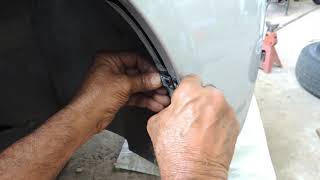
Pro Tip: If only your washer pump has failed, you can often replace just the pump without replacing 🎬 See this walkthrough on replacing the windshield washer pump. the entire reservoir. The pump is typically held in place by a rubber grommet and can be pulled out from the bottom of the tank once accessed.
Frequently Asked Questions (FAQ)
Where is the washer fluid reservoir located on a 2017-2022 Prius Prime?
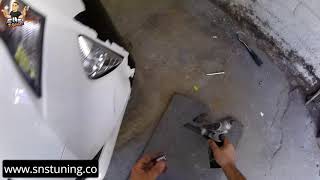
The washer fluid reservoir is located behind the front bumper cover and fender liner 🎬 Watch: How to remove the front bumper for better access. on the front passenger side of the vehicle. Access requires removing plastic clips and bolts to peel back the fender liner.
Will a washer reservoir from a regular Toyota Prius fit my Prius Prime?
No. The Prius Prime has a different component layout than the standard Prius. You must use a reservoir specifically designed for the Prius Prime model years to ensure correct fitment. The OEM part number for the tank is 85315-47100.
My washer fluid is leaking. Do I need to replace the whole tank?
Not always. First, identify the source of the leak. It could be a crack in the tank itself, which would require replacement. However, it is also very common for the leak to come from the rubber grommet where the washer pump inserts into the tank. These grommets can dry out and crack over time. Replacing just the grommet is a very inexpensive fix if the tank is otherwise undamaged.
I can hear the pump motor, but no fluid comes out. What's wrong?
If you hear the pump running, the electrical part of the system is likely working. The problem could be an empty reservoir, a clog in the lines or spray nozzles, a disconnected hose, or an internally failed pump that runs but no longer moves fluid. Start by making sure the tank is full, then check for obvious leaks or disconnected hoses between the reservoir and the nozzles on the hood.
Helpful Videos

Technical Specifications
OEM Part Numbers: 85315-47100 (Reservoir Tank) 85330-04010 (Pump - may be superseded) 85330-33070 (Pump) 85330-04011 (Pump - supersedes 85330-04010)
The reservoir is located in the front passenger wheel well. The assembly holds the washer fluid, one or more electric pumps, and a fluid level sensor.
We Have This Part in Stock

The information in this article is provided for general reference and educational purposes only. Vehicle specifications, procedures, and part compatibility can vary by production date, trim level, and region. Always consult your vehicle's factory service manual and verify part numbers before purchasing or performing repairs. Safety-critical components such as airbags, seat belts, and braking systems should be installed by a qualified professional.
- Toyota Prius Prime:
- 🎬 Helpful Videos
- 🛍️ Shop This Part
- Symptoms of a Failing Washer Fluid Reservoir
- Buying a Used 2017-2022 Prius Prime Washer Reservoir
- Known Issues, Recalls, and Technical Service Bulletins (TSBs)
- Cost Comparison for Prius Prime Washer Reservoir Replacement
- Frequently Asked Questions (FAQ)
- 🎟️ Get 5% Off