

2007-2012 Acura RDX Wheels: A Guide to Sizes, Specs, and Common Issues
This guide covers the factory 18-inch and 19-inch wheels, including how to spot damage on a used wheel and verify the correct fitment for your RDX.
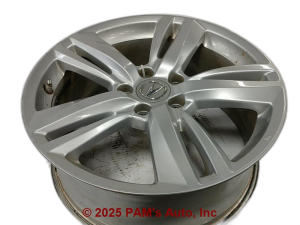
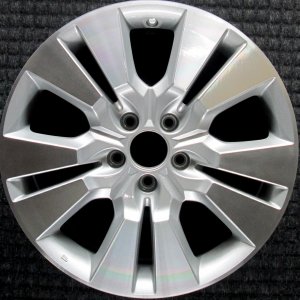
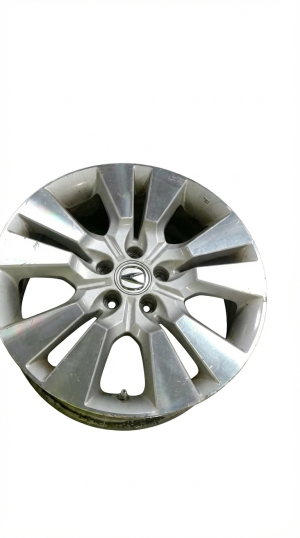
- Before buying, you must verify if your RDX has the standard 18-inch 5-spoke wheels or the optional 19-inch 10-spoke accessory wheels.
- When inspecting a used wheel, check carefully for cracks on the inner barrel and any signs of previous weld repairs, which are major safety red flags.
- The factory wheel finish is known to peel and corrode over time. This is usually cosmetic but can cause air leaks if the corrosion is on the bead seat.
- Always use a torque wrench to tighten lug nuts to 80 ft-lbs in a star pattern to prevent damage and ensure safety.
Factory Wheel Options: 18-inch vs. 19-inch

The first-generation Acura RDX (2007-2012) came with two primary factory alloy wheel options. It is essential to identify which version your vehicle has before purchasing a replacement, as they are not visually interchangeable.
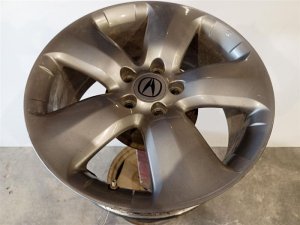
- Standard 18-inch Wheel: The most common wheel is the 18x7.5-inch, 5-spoke silver alloy wheel. This was the standard fitment for most RDX models during this period. It was manufactured for Acura by Enkei and is associated with part numbers like 42700-STK-A91.
- Optional 19-inch Wheel: An optional 19x8-inch, 10-spoke alloy wheel was available as a factory accessory. This larger wheel offered a different aesthetic and was available in finishes like silver painted and "chrome-look". It is associated with part numbers like 08W19-STK-200, 08W19-STK-200A, and 08W19-STK-201.
Technical Specifications

All factory wheels for the 2007-2012 Acura RDX share the same critical fitment specifications. Using a wheel with incorrect specs can lead to vibrations, rubbing against suspension or fender liners, and premature wear on wheel bearings.
| Specification | Dimension |
|---|---|
| Bolt Pattern | 5x114.3 mm (also known as 5x4.5 in) |
| Center Bore | 64.1 mm |
| Wheel Offset | +45mm to +50mm (for OEM wheels) |
| Lug Nut Style | Ball Seat (for OEM wheels) |
| Lug Nut Torque | 80 ft-lbs |
Warning: Aftermarket wheels often use conical seat lug nuts. Do not use your original Acura ball seat lug nuts on aftermarket wheels, as they will not seat correctly and can come loose. Always use the lug nuts specified by the wheel manufacturer.
Symptoms of a Damaged or Failing Wheel

Wheel issues can range from cosmetic annoyances to critical safety failures. Here’s what to look and listen for:
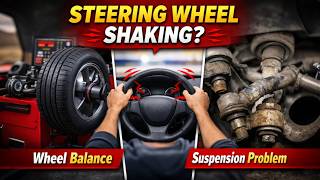
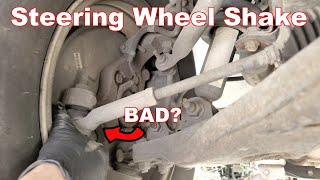
- Vibration or Shaking: A bent wheel will often cause a noticeable vibration in the steering wheel or through the seat, which typically gets worse as vehicle speed increases. 🎬 Watch: How to diagnose wheel balance vs suspension wear.
- Constant Air Loss: If a tire continually loses air without any visible puncture, it could be due to a hairline crack in the wheel or corrosion on the bead seating area where the tire seals against the rim.
- Visible Damage: Obvious signs like cracks, large gouges from curb impacts, or bends in the wheel lip are clear indicators that the wheel needs replacement.
- Wobbling Appearance: While driving slowly, a severely bent wheel may be visibly wobbling if viewed from another car.
Known Issues, Recalls, and TSBs

The factory wheels on the 2007-2012 RDX are generally durable. There are no major recalls or Technical Service Bulletins (TSBs) for widespread wheel cracking or structural failure.
- Finish Peeling/Corrosion: The most common issue is cosmetic. Over time, the protective clear coat on the alloy wheels can degrade, leading to a peeling or flaking appearance. Once moisture gets under the clear coat, it can cause the aluminum to oxidize, creating white, spiderweb-like marks. This is primarily an aesthetic issue but can lead to air leaks if the corrosion occurs on the tire bead seating surface.
- Non-Compliance Recall (2008 Models): A very small number of early 2008 RDXs (about 100 vehicles) were recalled because the certification label on the driver's doorjamb was missing the tire and rim size information. This was a labeling error and not a defect with the wheels themselves.
Buying a Used 2007-2012 RDX Wheel: A Step-by-Step Inspection Guide

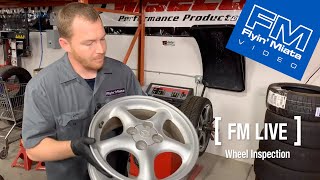
Buying a used OEM wheel is a great way to save money, but a thorough inspection is critical to avoid buying someone else's problem. 🎬 See this guide on the top 5 things to check. OEM wheels are often higher quality than cheap aftermarket alternatives, resisting bends and cracks better. Here's what to look for:
- Check for Cracks: Carefully inspect the entire wheel, front and back. Pay special attention to the inner barrel and around the spokes. Hairline cracks can be very difficult to see. Wiping the wheel down with a damp cloth can sometimes make them more visible.
- Look for Bends: Place the wheel on a flat surface and check the inner and outer lips for any waviness or flat spots. Even a minor bend can cause a major vibration. If possible, ask the seller to spin it on a wheel balancer, which will immediately reveal any bends.
- Inspect for Previous Repairs: Look for signs of welding on the back side of the wheel. A weld is a major red flag, as it indicates a previous crack. Repaired wheels can be significantly weaker than original, uncracked wheels. Also, look for fresh paint or powder coating in one specific area, which may be hiding filler or a cosmetic repair.
- Examine the Lug Holes: The holes where the lug nuts seat should be round and free of significant damage. Elongated or damaged lug holes can prevent the wheel from being properly centered and torqued.
- Check Bead Seating Surfaces: Run your finger along the inner and outer edges where the tire seals. Roughness from corrosion or curb damage can cause slow air leaks. Minor corrosion can often be cleaned up, but deep pitting is a problem.
Wheel Refinishing and Color Matching
You may be asked to provide a paint code when trying to match a wheel. However, the paint code found on your RDX's door jamb sticker is for the vehicle's body paint, not the wheels.
Acura wheels have specific factory-applied *finishes*, such as "Silver" or "Charcoal," which are not matched using a standard body paint code. If you have a wheel with cosmetic damage like curb rash or peeling clear coat, you can have it professionally refinished. A wheel repair specialist can match the original silver or charcoal finish. 🎬 Watch: Easy DIY tutorial for professional curb rash repair. Costs for refinishing typically range from $125 to $200 per wheel, depending on the extent of the damage and the specific finish.
Cost Comparison for a Single RDX Wheel
| Part Type | Estimated Cost |
|---|---|
| New OEM (Dealer) | $425 - $615 |
| New Aftermarket | $150 - $400+ |
| Used OEM (Salvage) | $125 - $300 |
| Remanufactured OEM | $140 - $350 |
| Professional Refinishing | $125 - $200 |
Frequently Asked Questions (FAQ)
Will wheels from a different Acura or Honda model fit my RDX?
Possibly, but you must verify all specifications. Many Honda and Acura models share the 5x114.3 bolt pattern and 64.1 mm center bore. However, the offset is critical. A wheel with the wrong offset can cause rubbing or stress on wheel bearings. Always check the specs of the donor wheel against the RDX's required +45mm to +50mm offset.
What happens if I use a wheel with the wrong offset?
Offset is the distance from the wheel's mounting surface to its centerline. A wheel with too little offset (a lower number) will stick out further, potentially rubbing on the fender. A wheel with too much offset (a higher number) will sit further inside, risking contact with suspension components like the strut or brake caliper. Both scenarios can negatively affect handling and safety.
How do I find my wheel size?
The wheel and tire size are molded into the sidewall of your tire. Look for a series of numbers like P235/55R18. The number after the 'R' is your wheel diameter, in this case, 18 inches. The wheel width and offset are typically stamped on the back of the wheel's spokes.
Is it safe to repair a cracked alloy wheel?
While cracked wheels can be welded by specialists, it is generally not recommended for a daily-driven vehicle. A welded repair can create a new weak point near the weld, and the structural integrity of the wheel is compromised. For safety, replacing a cracked wheel is always the best option.
Helpful Videos

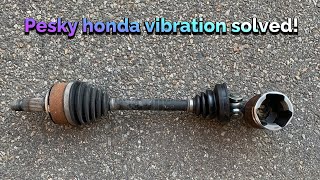
![Acura RDX Vibration during acceleration. Left and Right Axle Replacement (2011 Acura RDX) [E111]](https://img.youtube.com/vi/Ei0hfYXltr8/mqdefault.jpg)
Technical Specifications
OEM Part Numbers: 08W19STK200 08W19STK200A 08W19STK201 08W19STK201A 42700-STK-A91 42700STKA82 42700STKA91 42700STKA92
Bolt Pattern: 5x114.3mm, Center Bore: 64.1mm, OEM Offset: +45mm to +50mm, OEM Lug Nut Seat: Ball Type, Lug Nut Torque: 80 ft-lbs.
We Have This Part in Stock

The information in this article is provided for general reference and educational purposes only. Vehicle specifications, procedures, and part compatibility can vary by production date, trim level, and region. Always consult your vehicle's factory service manual and verify part numbers before purchasing or performing repairs. Safety-critical components such as airbags, seat belts, and braking systems should be installed by a qualified professional.
- Acura RDX:
- 🎬 Helpful Videos
- 🛍️ Shop This Part
- Factory Wheel Options: 18-inch vs. 19-inch
- Technical Specifications
- Symptoms of a Damaged or Failing Wheel
- Known Issues, Recalls, and TSBs
- Buying a Used 2007-2012 RDX Wheel: A Step-by-Step Inspection Guide
- Wheel Refinishing and Color Matching
- Cost Comparison for a Single RDX Wheel
- Frequently Asked Questions (FAQ)
- 🎟️ Get 5% Off