

1989-1992 Cadillac Allante Wheels: Decoding Leaks, Fitment, and Finding a Good Used Set
This guide covers the common causes of air leaks in the original 16-inch alloy wheels and provides the critical specs you need to know before buying a replacement.
- The most common hidden issue is slow air leaks, which can be caused by either bead seat corrosion or porosity in the aluminum casting, both of which are addressed by GM service bulletins.
- The correct wheel size is 16x7 inches with a 5x115 bolt pattern, 70.3mm center bore, and a high positive offset (around +34mm to +42mm).
- When buying a used wheel, the most critical inspection points are cracks and bends. A cracked wheel is unsafe and should never be used.
- New OEM wheels are discontinued, making a quality-inspected used OEM wheel the best value and fitment choice over potentially lower-quality aftermarket options.
Symptoms of a Damaged Wheel
A damaged wheel is not just a cosmetic problem; it can be a serious safety hazard. If you notice any of the following symptoms, inspect your wheels immediately.
Vibration or Shaking
One of the most common signs of a bent or out-of-balance wheel is a vibration that can be felt in the steering wheel or through the seats. This shaking is often most noticeable at higher speeds. A bent wheel cannot be properly balanced, and the vibration can cause premature wear on your tires, wheel bearings, and suspension components.
Visible Damage
Perform a close visual inspection of your wheels. Look for cracks, especially around the lug nut holes or where the spokes meet the rim. Bends or dents in the wheel lip, often caused by hitting potholes or curbs, are also a major concern. Even small cracks can compromise the structural integrity of the wheel and lead to catastrophic failure.
Constant Loss of Tire Pressure
If one tire consistently loses air without any obvious punctures, the wheel itself may be the culprit. A crack in the aluminum, a bend that prevents the tire from sealing properly against the bead, or porosity in the wheel casting can all cause slow leaks. This is a known issue addressed by a General Motors technical service bulletin.
Unusual Noises
Clicking, grinding, or thumping sounds coming from the wheel area can indicate a problem. While these noises are often associated with a bad wheel bearing, a severely damaged wheel or loose lug nuts can also be the cause.
Known Issues, TSBs, and Recalls
While the 1989-1992 Cadillac Allante wheels are generally robust, General Motors did issue a technical service bulletin (TSB) that addresses a potential cause of air leaks.
TSB 05-03-10-003F: Slow Leaks from Wheel Porosity
Some owners may experience a slow loss of tire pressure over several days or weeks. If a leak can't be found in the tire or valve stem, the cause may be porosity in the cast aluminum wheel itself. This means there are microscopic holes in the metal that allow air to escape. The TSB provides a specific repair procedure for technicians, which involves dismounting the tire, cleaning the inside of the wheel, and applying an adhesive sealant to the affected area. The bulletin states that if the leak is in the bead area (where the tire seals to the rim) or if there are two or more leaks, the wheel should be replaced.
There are no major safety recalls specifically for the wheels on the 1989-1992 Cadillac Allante.
Pro Tip: Before assuming a slow leak is from wheel porosity, have a technician check for bead seat corrosion. This is a more common issue where corrosion builds up on the wheel's mounting surface, preventing the tire from sealing properly. This is addressed in a separate TSB (08-03-10-006G) and is often fixed by simply cleaning the bead seat area.
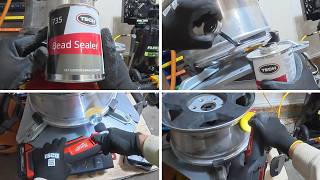
🎬 Watch this guide on finding and repairing tire bead leaksBuying a Used Wheel: What to Inspect
Since new OEM wheels are no longer available, finding a quality used wheel is the best option for most owners. A used OEM wheel is often superior to a cheap aftermarket alternative due to better quality control, guaranteed fitment, and maintaining the car's original appearance. Here’s what to look for:
🎬 Watch: Top 5 things to check when buying used wheels- Cracks: Inspect the entire wheel, front and back, for any cracks. Pay close attention to the base of the spokes and around the lug nut holes. A cracked wheel is unsafe and cannot be safely repaired.
- Bends and Dents: Lay the wheel on a flat surface to check for wobbles. Look down the inner and outer barrel for any bends. A bent wheel will cause vibrations and can be difficult or impossible to balance. 🎬 See how to quickly check for a bent wheel
- Previous Repairs: Look for signs of welding on the backside of the wheel. While some weld repairs can be done properly, they can also indicate a weak spot. Also, check for excessive amounts of wheel weights, which might suggest the wheel is bent and difficult to balance.
- Curb Rash: Scrapes and gouges from hitting curbs are common. Minor cosmetic curb rash can be repaired, but deep gouges can weaken the wheel structure.
- Finish Condition: Check the condition of the silver painted finish. Look for peeling clear coat or areas where the paint is bubbling, which could indicate underlying corrosion.
Wheel Specifications and Part Numbers
Ensuring you have the correct wheel is critical for proper fitment and safety. Using a wheel with the wrong specifications can lead to rubbing against suspension or fender components, or place undue stress on wheel bearings.
| Specification | Value |
|---|---|
| Years | 1989-1992 |
| Size | 16x7 inches |
| Material | Aluminum Alloy |
| Bolt Pattern | 5 x 115mm |
| Center Bore | 70.3mm |
| Offset | Approximately +34mm to +42mm |
| OEM Part Numbers | 03527287, 03634731, SAJ |
Verifying Paint and Color Match
The standard wheel for this period was a 16-slot design with a silver painted finish. To find the specific paint code for your vehicle's body color (which can help in refinishing), look for the Service Parts Identification (SPID) label. On a Cadillac Allante, this sticker is typically located in the trunk, often on the underside of the spare tire cover or on the trunk floor.
Cost of Replacement
Replacing a damaged wheel involves the cost of the part itself and the labor to mount and balance a tire.
| Item | Estimated Cost |
|---|---|
| New OEM | Discontinued |
| New Aftermarket | $150 - $250+ per wheel |
| Used OEM | $125 - $200 per wheel |
| Reconditioned OEM | $180 - $275 per wheel |
| Shop Labor (Mount & Balance) | $25 - $50 per wheel |
| Wheel Refinishing (Curb Rash Repair) | $100 - $200 per wheel |
Frequently Asked Questions
Will wheels from a different Cadillac fit my Allante?
Possibly, but you must match the key specifications: a 5x115 bolt pattern and a center bore of at least 70.3mm. The offset must also be similar (high positive, around +40mm) to avoid fitment issues. Many other Cadillacs from the era used the same bolt pattern, but offset and center bore can vary.
What happens if I use a wheel with the wrong offset?
Offset is the distance from the wheel's mounting surface to its centerline. Too little offset (or a negative offset) will push the wheel outward, potentially causing it to rub on the fender. Too much positive offset will pull the wheel inward, where it could interfere with suspension components like the struts or brake calipers. Incorrect offset also changes the suspension geometry, which can lead to premature wear on wheel bearings.
Can a cracked aluminum wheel be repaired?
While some specialty shops will weld cracked aluminum wheels, it is generally not recommended for safety reasons. A weld creates a heat-affected zone that can alter the temper of the aluminum, creating a new weak point. For a daily-driven vehicle, a cracked wheel should always be replaced.
Do I need to replace my TPMS sensor?
The 1989-1992 Cadillac Allante was not equipped with a modern Tire Pressure Monitoring System (TPMS) that uses sensors inside the wheels. Therefore, no sensors need to be swapped over when replacing a wheel.
Helpful Videos
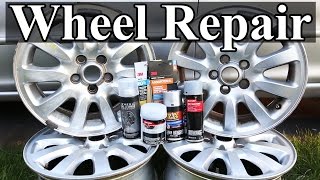
Technical Specifications
OEM Part Numbers: 03527287 03634731 SAJ
Size: 16x7", Bolt Pattern: 5x115mm, Center Bore: 70.3mm, Offset: High positive (approx. +34 to +42mm)
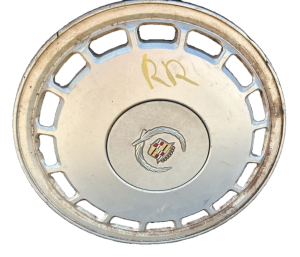
We Have This Part in Stock

The information in this article is provided for general reference and educational purposes only. Vehicle specifications, procedures, and part compatibility can vary by production date, trim level, and region. Always consult your vehicle's factory service manual and verify part numbers before purchasing or performing repairs. Safety-critical components such as airbags, seat belts, and braking systems should be installed by a qualified professional.
- Cadillac Allante:
- 🎬 Helpful Videos
- 🛍️ Shop This Part
- Symptoms of a Damaged Wheel
- Vibration or Shaking
- Visible Damage
- Constant Loss of Tire Pressure
- Unusual Noises
- Known Issues, TSBs, and Recalls
- TSB 05-03-10-003F: Slow Leaks from Wheel Porosity
- Buying a Used Wheel: What to Inspect
- Wheel Specifications and Part Numbers
- Verifying Paint and Color Match
- Cost of Replacement
- Frequently Asked Questions
- 🎟️ Get 5% Off