

2010-2015 Camaro Wheels: A Guide to RPO Codes, Staggered Setups, and Common Damage
This guide decodes the confusing array of factory wheel options for the fifth-generation Chevrolet Camaro and shows you how to inspect for hidden cracks and bends before you buy.
- Before buying, find your wheel's 3-digit RPO code on the sticker in the trunk to ensure an exact match.
- Many Camaros have staggered wheels, meaning the wider rear wheels cannot be used on the front.
- Always inspect used wheels for cracks, especially on the inner barrel, as this is a critical safety failure.
- Using a wheel with the incorrect offset can cause dangerous tire rubbing and premature wheel bearing failure.
Symptoms of a Damaged Wheel

A damaged wheel can range from a minor cosmetic issue to a serious safety hazard. Knowing the signs can help you decide when a wheel needs repair or replacement.
- Vibration or Shaking: A bent wheel is the most common cause of vibrations that you can feel in the steering wheel or through the whole car. This vibration often gets worse as your speed increases, typically becoming noticeable around 50-60 MPH.
- Constant Air Loss: If a tire keeps losing air even after you've checked the valve stem and tire for punctures, you may have a hairline crack in the wheel. These cracks often form on the inner barrel of the wheel where they are not easily visible.
- Visible Damage: Obvious signs of damage include curb rash (scrapes on the outer lip), bent edges, or cracks. Cracks are a major safety concern and the wheel should be replaced immediately.
- Poor Handling or Pulling: A severely bent wheel can affect your car's alignment, causing it to pull to one side or feel unstable.
Decoding 5th-Gen Camaro Wheel Options


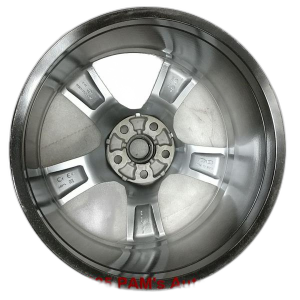
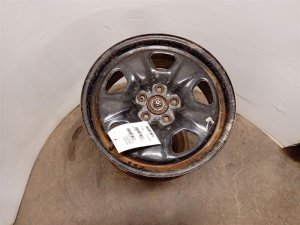
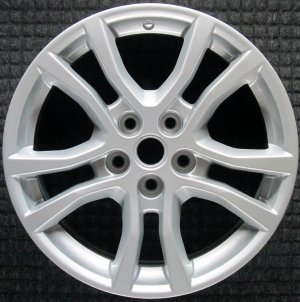
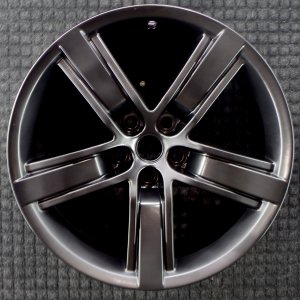
Chevrolet offered a huge variety of wheels for the 2010-2015 Camaro, leading to significant confusion for buyers. Size, width, finish, and design varied by trim level (LS, LT, SS, ZL1, Z/28) and optional packages like the RS package. Many models used a staggered setup, meaning the rear wheels and tires are wider than the fronts for better traction. This is critical to remember, as front and rear wheels are not interchangeable on these cars.
The single most important tool for identifying your wheels is the Service Parts Identification (SPID) sticker. On the 2010-2015 Camaro, this sticker is located in the trunk, usually under the trunk mat on the left side. This sticker lists all the three-character Regular Production Option (RPO) codes for your specific car. You must match the RPO code for your wheels to ensure you are buying the correct replacement.
| RPO Code | Size & Position | Description | Known Models/Years |
|---|---|---|---|
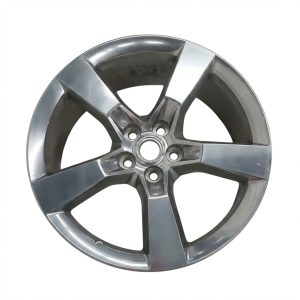
| PZ5 / RVD | 19x8" | 5-spoke, silver painted | 2010-2013 LT |
| R41 | 20x8" Front | 5-spoke, silver painted | Part of a staggered set |
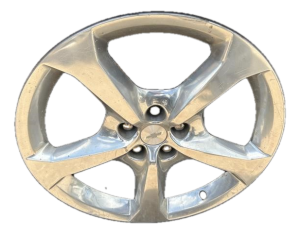
| (RS Package) | 20x9" Rear | 5-spoke, dark gray "Hyper Silver" | Rally Sport (RS) Package |
| R45 | 20x9" Rear | 5-spoke, black painted | Part of a staggered set |
| VZN | 21x8.5" Front | 5-triple-spoke, machined black/silver | Optional accessory wheel |
| (ZL1) | 20x10" Front / 20x11" Rear | 10-spoke (5-split-spoke), various finishes | ZL1 models |
Pro Tip: Don't guess! Always verify your RPO code before ordering. Many wheels look similar but have different widths or offsets that make them incompatible.
Buying a Used 2010-2015 Camaro Wheel: Your Inspection Checklist

Buying a used OEM wheel is a great way to save money, but careful inspection is key. A recycled factory wheel is often stronger and a better match than a cheap aftermarket replacement.
- Check for Cracks: This is the most important check. Lay the wheel on the ground and meticulously inspect the front and, more importantly, the back side (inner barrel). Hairline cracks can be hard to see. Forum users have reported non-impact related cracks on GM wheels, so inspect carefully. A cracked wheel is unsafe and should not be purchased or used.
- Look for Bends: Place the wheel face down on a flat, level surface. Press on the edges of the barrel. If it wobbles or rocks, it's likely bent. Also, look down the bead line (where the tire seals) for any visible dips or flat spots.
- Inspect for Previous Repairs: Look for signs of welding on the inner barrel. A professionally welded crack can be safe, but it's a red flag that the wheel has had a hard life. Also check for inconsistent paint finishes or sanding marks, which could indicate a cosmetic repair.
- Examine the Finish: Check for peeling clear coat, corrosion bubbling under the paint, or deep curb rash. While cosmetic, significant damage can be expensive to refinish properly.
- Check the Lug Nut Holes: The holes should be round and free of significant gouging or deformation. Damaged lug seats can prevent the wheel from being torqued down correctly.
Warning: Be extremely cautious of buying wheels that have been repaired after being cracked. While some cracks can be welded, the structural integrity may be compromised. For safety, it is often best to avoid wheels with a history of cracks.
Known Issues, Recalls, and Service Bulletins
The wheels on the 2010-2015 Chevrolet Camaro have proven to be fairly reliable. There are no major NHTSA recalls or Technical Service Bulletins (TSBs) specifically for wheel cracking, peeling finish, or structural failure on this generation.
- Cracked Wheels: While not subject to a recall, there are anecdotal reports on owner forums of factory wheels developing cracks without a significant impact. This makes a thorough inspection of any used wheel critical.
- Summer Tires in Cold Weather: Some high-performance models (like the SS) came equipped with summer-only tires. A complaint filed with the NHTSA noted that these tires become very hard and provide little traction in temperatures below 40°F, which can be dangerous. This is a tire issue, but relevant to the wheel/tire assembly.
Cost of Replacement (per wheel)
The cost to replace a Camaro wheel can vary dramatically based on the style and where you buy it. Labor to mount and balance a tire is typically extra.
| Type | Estimated Cost | Notes |
|---|---|---|
| New OEM | $600 - $1200+ | Purchased from a Chevrolet dealership. The most expensive option, but a guaranteed match. |
| New Aftermarket | $250 - $500 | Price varies by brand and quality. May not perfectly match OEM finish or durability. |
| Used OEM | $150 - $450 | A great value. Price depends on condition and rarity of the specific wheel style. |
| Remanufactured/Refinished | $200 - $400 | An original wheel that has been professionally repaired and refinished to look like new. |
| Wheel Refinishing (Your Wheel) | $150 - $300 | Cost to repair curb rash and repaint your existing wheel. Diamond-cut finishes are more expensive. |
| Shop Labor (Mount & Balance) | $25 - $50 | Cost to swap the tire and TPMS sensor from your old wheel to the new one and balance the assembly. |
Key Technical Specifications

All 5th-generation Camaros share the same bolt pattern and center bore, but offsets can vary significantly. Using a wheel with the wrong offset can cause tires to rub against the fender or suspension components and can cause premature wheel bearing wear.
- Bolt Pattern: 5x120 mm
- Center Bore: 66.9 mm (some sources list 67.1mm, but wheels are generally hub-centric)
- Lug Nut Thread Size: M14 x 1.5
- Offset: Varies widely from approximately +25mm to +45mm depending on the wheel's width and position (front/rear). Always match the original offset.
Frequently Asked Questions (FAQ)
How do I know which wheels my Camaro has?
Check the Service Parts Identification (SPID) sticker located in the trunk, usually under the mat. It will have a list of three-digit RPO codes. Find the code for your wheels (e.g., R45, VZN) and match it to the replacement part.
Can I put wider wheels on my Camaro?
Yes, but it requires careful consideration of width, offset, and tire size to avoid rubbing. Many owners successfully upgrade to wider wheels, but it's best to consult with a reputable wheel shop or Camaro-specific forums to find a setup that is known to work without issues.
What happens if I use a wheel with the wrong offset?
Offset is the distance from the wheel's mounting surface to its centerline. The wrong offset can be dangerous. Too little offset (pushed out) can cause the tire to hit the fender. Too much offset (tucked in) can cause the wheel or tire to hit the suspension or brake components. Both scenarios can also put extra stress on the wheel bearings, causing them to fail prematurely.
Is it cheaper to repair my damaged wheel or buy a used one?
It depends on the damage. For cosmetic curb rash, refinishing your current wheel is often the most cost-effective option, costing around $150-$300. If the wheel is bent or cracked, the repair cost can approach or exceed the price of a good used OEM wheel ($150-$450), making a replacement the better and often safer choice.
Technical Specifications
OEM Part Numbers: 09599046 19260567 19301171 19301172 19301174 20984707 20984708 22751406 22798741 22798742 22798743 92197465 92197466 92197468 92230280 92230892 92230893 92230895
Bolt Pattern: 5x120mm, Center Bore: 66.9mm, Lug Thread: M14x1.5. Offset varies by wheel style and position.
We Have This Part in Stock

The information in this article is provided for general reference and educational purposes only. Vehicle specifications, procedures, and part compatibility can vary by production date, trim level, and region. Always consult your vehicle's factory service manual and verify part numbers before purchasing or performing repairs. Safety-critical components such as airbags, seat belts, and braking systems should be installed by a qualified professional.
- Chevrolet Camaro:
- 🛍️ Shop This Part
- Symptoms of a Damaged Wheel
- Decoding 5th-Gen Camaro Wheel Options
- Buying a Used 2010-2015 Camaro Wheel: Your Inspection Checklist
- Known Issues, Recalls, and Service Bulletins
- Cost of Replacement (per wheel)
- Key Technical Specifications
- Frequently Asked Questions (FAQ)
- 🎟️ Get 5% Off