

1984-1985 Corvette Wheels: Decoding Sizes, Offsets, and Directional Fins
This guide covers the critical differences between 1984 and 1985 Corvette wheels, including the staggered sizing, directional design, and common clear coat issues.
- 1984 models have staggered wheels (16x8.5" front, 16x9.5" rear), while 1985 models typically have 16x8.5" wheels on all four corners.
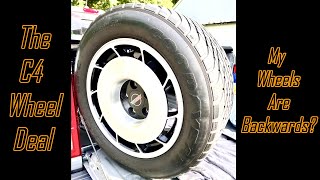
- These wheels are directional and side-specific (Left and Right) to aid in brake cooling; check for markings on the inner hub before installation.
- The most common problem is cosmetic failure of the factory clear coat, causing a cloudy or peeling appearance.
- When buying used, check carefully for cracks, bends, and previous weld repairs, as these compromise safety.
Key Differences & Compatibility Warnings

The most important factor when purchasing a wheel for a 1984 or 1985 Corvette is understanding the size differences between the two model years. Failure to select the correct wheel can cause fitment issues, poor handling, and an incorrect appearance.
🎬 Watch: Original Chevrolet engineering video on the 1984 C4 designCritical Compatibility Warning: The 1984 and 1985 Corvettes used different wheel setups. Do not assume a wheel from one year will fit all positions on the other.
- 1984 Corvette (Standard): This model year came with a staggered wheel setup. The front wheels are 16x8.5 inches, while the rear wheels are a wider 16x9.5 inches.
- 1985 Corvette (Standard): This model year used a "square" setup, with 16x8.5-inch wheels on all four corners.
- 1985 Corvette (with Z51 Package): The optional Z51 performance package for 1985 included wider 16x9.5-inch wheels on all four corners.
Directional "Turbine" Design
These wheels, often nicknamed "salad shooters," are directional. This means there are specific left-side and right-side wheels. The fins are angled to act like a fan, pulling air through the wheel to cool the brakes as the car moves forward. The inside of the wheel hub is typically stamped with "LEFT" or "RIGHT" to ensure correct placement. Installing a wheel on the wrong side will not cause immediate mechanical failure, but it will negate the brake cooling benefit and look incorrect, as the fins will be angled backward.
Symptoms of a Failing or Damaged Wheel

Wheel issues can range from cosmetic flaws to critical safety hazards. Here’s what to look and listen for:
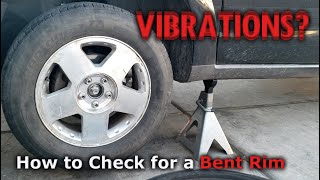
- Vibration or Wobble: A bent wheel is the most common cause of persistent vibration that changes with vehicle speed. 🎬 See how to identify a bent rim and vibration symptoms You'll feel it in the steering wheel if a front wheel is bent, or in the seat if it's a rear wheel.
- Air Loss: A slow, consistent loss of air pressure in one tire can be a sign of a small crack in the wheel barrel or a poor seal at the bead, sometimes caused by corrosion.
- Visible Damage: Obvious cracks, especially radiating from the lug nut holes or on the inner barrel, are a major safety concern. A cracked wheel must be replaced immediately. Bends or gouges from curb impacts are also common.
- Poor Clear Coat: The most frequent issue with these specific wheels is cosmetic. The factory clear coat degrades over time, leading to a cloudy, peeling, or yellowed appearance on the machined aluminum surfaces.
Buying a Used OEM Wheel: Inspection Guide
Buying a used original equipment (OEM) wheel is often the best way to maintain your Corvette's classic look. However, careful inspection is crucial.
Why Used OEM is Often Better Than New Aftermarket
For a classic vehicle like the C4 Corvette, OEM wheels preserve the car's authenticity and value. While modern aftermarket wheels are available, they often differ in style and can look out of place. Cheap aftermarket replicas may not have the same durability or quality control as the original GM wheels, potentially being heavier or more prone to cracking.
What to Look For on Inspection:
- Check for Bends: Lay the wheel on a flat, level surface. Look for any wobbling or uneven gaps as you spin it. Even a minor bend can cause significant vibration.
- Inspect for Cracks: Clean the wheel and carefully inspect it in a well-lit area. Pay close attention to the area around each lug hole and the inner and outer lips (the barrel). Hairline cracks can be hard to spot but are extremely dangerous.
- Look for Previous Repairs: Check the back of the wheel for signs of welding (uneven beads) or grinding marks. A repaired wheel is significantly weaker than an original and should be avoided for anything other than a temporary spare.
- Verify the Size and Side: The wheel size (e.g., "16x8.5" or "16x9.5") is cast into the back of the wheel. Also, find the "LEFT" or "RIGHT" directional marking to ensure you're buying for the correct side of the car.
- Assess the Finish: The most common flaw will be the clear coat. Note any peeling, cloudiness, or curb rash. While this is a cosmetic issue, professional refinishing can cost $150 to $275 per wheel, so factor that into your purchase price. Also, note the color of the painted sections inside the fins—some were glossy black, others gray—to ensure it matches your existing wheels.
Technical Specifications
| Specification | Value |
|---|---|
| Bolt Pattern (PCD) | 5 x 120.65 mm (5 x 4.75 in) |
| Center Bore | 70.3 mm |
| Lug Nut Thread Size | M12 x 1.5 |
| Lug Nut Torque | 100 ft-lbs (136 Nm) |
| Standard Wheel (1984 Front / 1985 All) | 16x8.5" with +32mm Offset |
| Wide Wheel (1984 Rear / 1985 Z51) | 16x9.5" with +38mm Offset |
Pro Tip: The lug nut torque specification is a point of confusion. While some owner's manuals from the era state 80 ft-lbs, the official Factory Service Manual and common consensus among technicians is 100 ft-lbs for all C4 Corvettes. Always tighten lug nuts on clean, dry studs without anti-seize.
Cost of Replacement & Refinishing
The cost to replace or repair a 1984-1985 Corvette wheel can vary significantly based on condition and source.
| Item | Estimated Cost | Notes |
|---|---|---|
| Used OEM Wheel | $75 - $250 per wheel | Price depends heavily on condition, size (9.5" is often more desirable), and seller. |
| Professional Refinishing | $150 - $275 per wheel | Includes stripping, repairing curb rash, and applying a new clear coat. |
| New Aftermarket Replica | $170 - $350+ per wheel | Style may not be an exact match. Quality can vary. |
| New OEM (NOS) | $500+ per wheel | New Old Stock. Extremely rare and very expensive. |
| Shop Labor (Mount & Balance) | $25 - $50 per wheel | Cost to swap the tire from your old wheel to the new one. |
Frequently Asked Questions (FAQ)
Can I put the wider 16x9.5" wheels on the front of my Corvette?
Yes, it is a common modification to run a "square" setup of four 16x9.5" wheels, as was done on the 1985 Z51 package. This can improve handling by allowing for tire rotation and creating a more neutral handling balance. Ensure you have the correct offset (+38mm) to avoid rubbing issues.
What happens if my wheels are on the wrong side?
Functionally, the car will drive fine for normal use. However, the brake-cooling function of the directional fins will be reversed, and the wheels will appear aesthetically incorrect. It is a simple fix to swap them to the correct sides.
How do I find my car's original options, like the Z51 package?
Look for the Service Parts Identification (SPID) label. On early C4 Corvettes, this sticker is usually located on the underside of the center console lid or inside one of the rear storage compartments. It contains a list of three-character Regular Production Option (RPO) codes. The code "Z51" will be on this list if your car was equipped with it from the factory.
Can I repair the peeling clear coat myself?
Yes, but it is a labor-intensive process. It involves using a chemical stripper to remove the old clear coat, sanding the aluminum to remove imperfections, and then polishing it to a shine. You can then choose to leave it as polished aluminum (which requires regular polishing) or apply a new, high-quality automotive clear coat for protection.
🎬 Watch: DIY guide to removing clearcoat and polishing your wheelsAre there any recalls on these wheels?
No, there have been no specific NHTSA recalls issued for the wheels on 1984-1985 Chevrolet Corvettes. Recalls for these model years pertained to other systems like seat belts and cruise control.
Helpful Videos


Technical Specifications
OEM Part Numbers: 10052092 10067313 10067314 14046983 14046984 14069517 14069518 14094587 14094588
Bolt Pattern: 5x120.65mm (5x4.75"); Center Bore: 70.3mm; Lug Nut Torque: 100 ft-lbs.
We Have This Part in Stock


The information in this article is provided for general reference and educational purposes only. Vehicle specifications, procedures, and part compatibility can vary by production date, trim level, and region. Always consult your vehicle's factory service manual and verify part numbers before purchasing or performing repairs. Safety-critical components such as airbags, seat belts, and braking systems should be installed by a qualified professional.
- Chevrolet Corvette:
- 🎬 Helpful Videos
- 🛍️ Shop This Part
- Key Differences & Compatibility Warnings
- Directional "Turbine" Design
- Symptoms of a Failing or Damaged Wheel
- Buying a Used OEM Wheel: Inspection Guide
- Why Used OEM is Often Better Than New Aftermarket
- What to Look For on Inspection:
- Technical Specifications
- Cost of Replacement & Refinishing
- Frequently Asked Questions (FAQ)
- 🎟️ Get 5% Off