

2002-2004 Ford Focus Wheels: Decoding Bends, Corrosion, and Replacement Specs
This guide covers the essential specifications, common failure points, and inspection tips for buying a used 2002-2004 Ford Focus wheel.
- The most critical step when buying a used wheel is inspecting for cracks and bends; never buy a cracked wheel.
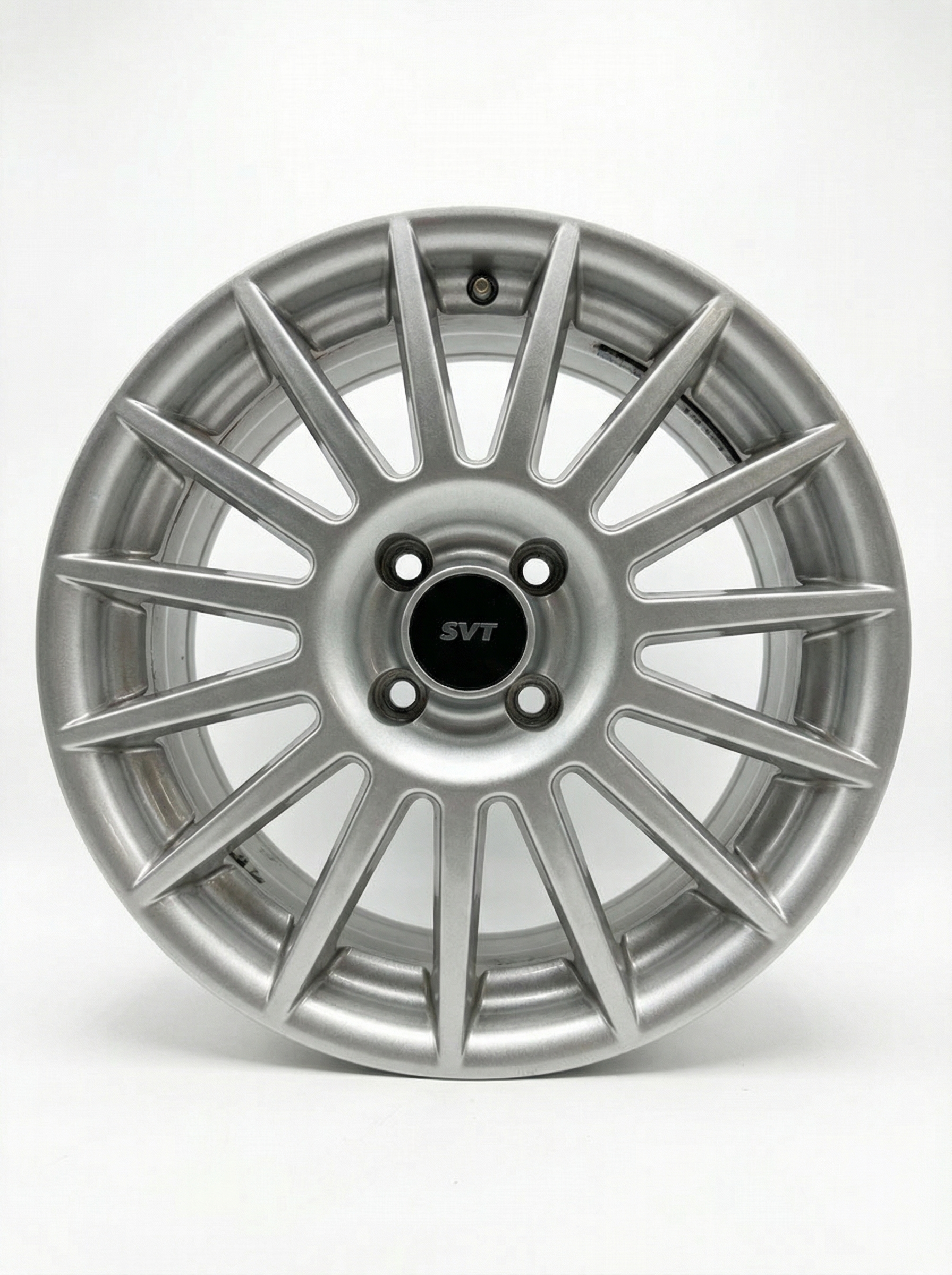
- The correct bolt pattern for a 2002-2004 Ford Focus is 4x108 mm with a 63.4 mm center bore; using incorrect specs is unsafe.
- Slow air leaks are often caused by corrosion on the wheel's bead seat, which can sometimes be cleaned and sealed by a tire shop without replacing the wheel.
- Symptoms of a bad wheel include vibration, pulling to one side, and visible damage; these should be addressed immediately for safety.
Symptoms of a Bad or Failing Wheel
A damaged wheel can compromise your vehicle's safety and performance. Ignoring the signs can lead to tire damage, poor handling, and even loss of control. Here are the most common symptoms of a wheel that needs inspection or replacement:
- Vibrations or Shaking: One of the most common signs of a bent wheel is a noticeable vibration or shaking that you can feel in the steering wheel or through the seats. This vibration often gets worse as you increase speed. A vibration felt in the steering wheel usually indicates a problem with a front wheel, while a vibration felt in the seat points to a rear wheel issue.
- Visible Damage: A thorough visual inspection can reveal obvious problems. Look for bends or warps, especially on the inner and outer lip of the rim. Cracks, which can be hairline fractures, are a serious safety concern and often start near the spokes or on the rim edge. Also, check for significant cosmetic issues like deep curb rash, peeling finish, and corrosion.
- Constant Air Loss in a Tire: If one tire consistently loses air pressure, and you've ruled out a puncture in the tire itself, the wheel could be the culprit. A bend in the rim can prevent the tire from sealing properly. Corrosion on the bead seating area, where the tire meets the wheel, can also create a slow leak.
- Poor Vehicle Handling: A bent wheel can cause the vehicle to pull to one side. You might also notice that the car feels 'slushy' or less responsive to steering inputs.
- Unusual Noises: While less common, a severely damaged wheel or a related issue like a bad wheel bearing can cause clunking, grinding, or humming sounds.
Known Issues, Recalls, and TSBs
For the 2002-2004 Ford Focus, there are no specific recalls issued by the National Highway Traffic Safety Administration (NHTSA) for the wheels themselves. However, some related issues and common owner complaints are worth noting:
- Corrosion: Like many factory alloy wheels from this era, the clear coat on Focus wheels can fail over time. This allows moisture and road salt to get underneath, causing the aluminum to oxidize. This results in a white, powdery substance and a peeling, bubbling finish. If the corrosion occurs on the bead seat area, it can cause slow air leaks.
- TSB for Tire Wear: Ford issued Technical Service Bulletin (TSB) #17591 for diagonal wear or cupping on the rear tires, which could be related to alignment and suspension, but indirectly affects how the wheel and tire assembly performs. No TSBs point to a defect in the wheels themselves.
Pro Tip: Many slow leaks blamed on 'porous alloys' are actually caused by corrosion on the wheel's bead seat. Before replacing a wheel for this reason, ask a tire shop if they can clean and reseal the bead area. This is often a much cheaper solution.
The Definitive Guide to Buying a Used 2002-2004 Ford Focus Wheel
Buying a used OEM wheel is a great way to save money, but careful inspection is crucial to ensure you're getting a safe, reliable part. Cheap aftermarket wheels often use lower-quality materials and may not have the same durability or corrosion resistance as factory wheels.
Physical Inspection Checklist:
- Check for Bends and Warps: Lay the wheel on a flat surface. Inspect both the front (face) and back (barrel) lip for any signs of being bent out of shape. A straight edge can help reveal deviations. Spin the wheel and watch the rim edges; they should spin true without any wobble.
- Search for Cracks: This is the most critical inspection. Clean the wheel and use a bright light to carefully examine all areas, especially where the spokes meet the rim and in the lug nut holes. Pay extra attention to the back side of the wheel. Hairline cracks can be very difficult to see but represent a critical safety failure. Never buy a cracked wheel, even if a repair is offered.
- Look for Signs of Repair: Check for fresh paint in one specific area, tool marks, or discoloration that might indicate a previous weld or straightening job. Welded repairs on alloy wheels can compromise their structural integrity.
- Inspect the Bead Seat Area: This is where the tire seals against the wheel. Run your finger along this surface. It should be smooth. Heavy corrosion, pitting, or gouges in this area can cause persistent air leaks.
- Examine the Lug Nut Holes: The seats where the lug nuts tighten down should be round and free of significant damage or elongation. Damaged seats can prevent the wheel from being torqued correctly.
- Assess Cosmetic Condition: Note any curb rash (scrapes on the outer lip), peeling clear coat, or corrosion. While mostly cosmetic, heavy corrosion can be a sign of neglect and may hide more serious issues.
Warning: Be extremely cautious when buying wheels online. Ask the seller for high-resolution photos of the front, back, and inner barrel of the wheel. If they are unwilling to provide detailed pictures, it's best to look elsewhere.
Technical Specifications
| Specification | Value |
|---|---|
| Bolt Pattern | 4x108 mm |
| Center Bore | 63.4 mm |
| Wheel Lug Nut Thread Size | M12 x 1.5 |
| Wheel Lug Nut Torque | 85-95 ft-lbs (110-135 Nm) |
| OEM Wheel Sizes | 14", 15", 16", and 17" diameter options were available |
| Common OEM Part Numbers | 2M5V1A096AA, 2M5V1A096AB, 2M5Z1130AA (Center Cap), 3M5V1007AB, 3M5Z1007AB |
Note on Offset: The offset for most standard Focus wheels is high, typically in the +42mm to +49mm range. Using a wheel with the wrong offset can cause rubbing against the suspension or fenders and can put extra stress on wheel bearings. It's crucial to match the offset as closely as possible to the original specification.
Cost Comparison
Prices can vary significantly based on wheel style, condition, and location. This table provides a general estimate.
| Part | Estimated Cost (per wheel) |
|---|---|
| New OEM | $300 - $450+ |
| New Aftermarket | $90 - $200+ |
| Used OEM | $75 - $200 |
| Remanufactured OEM | $150 - $280 |
| Labor (Mount & Balance) | $25 - $50 per wheel |
| Bent Wheel Repair | $80 - $250 (if repairable) |
Frequently Asked Questions (FAQ)
Can a bent wheel be repaired?
Yes, in many cases, a bent aluminum alloy wheel can be professionally straightened. The cost typically ranges from $80 to $250. However, if the wheel is cracked or the bend is too severe, it must be replaced for safety reasons. Steel wheels are more easily repaired but were less common on higher trims of the Focus.
What's the difference between OEM and aftermarket wheels?
OEM (Original Equipment Manufacturer) wheels are made by or for Ford specifically for the Focus. They guarantee a perfect fit and are built to the manufacturer's standards for durability and corrosion resistance. Aftermarket wheels are made by third-party companies and offer a wider variety of styles, but quality can vary dramatically. Cheaper aftermarket wheels may be heavier, less durable, and more prone to finish issues than OEM wheels.
Will wheels from another Ford fit my 2002-2004 Focus?
Not necessarily. While some other small Fords (like the Fiesta or Escort) also used a 4x10⁸ bolt pattern, you must also verify that the center bore (63.4mm) and offset are compatible. Using the wrong specifications can lead to vibrations, improper fitment, and safety issues. It is always best to use a wheel specifically designed for your vehicle.
My wheel finish is peeling. Do I need a new wheel?
Not usually. Peeling or corroded finish is a cosmetic issue, though it can lead to air leaks if it's on the bead seat. If the wheel is otherwise structurally sound (not bent or cracked), it can be refinished. This involves stripping the old finish, repairing any surface damage, and then powder coating or painting it. This is often more cost-effective than buying a new OEM wheel.
Technical Specifications
OEM Part Numbers: 2M5V1A096AA 2M5V1A096AB 2M5Z1130AA 3M5V1007AB 3M5Z1007AB
Bolt Pattern: 4x108 mm, Center Bore: 63.4 mm, Lug Nut Thread: M12 x 1.5, Lug Nut Torque: 85-95 ft-lbs
We Have This Part in Stock

The information in this article is provided for general reference and educational purposes only. Vehicle specifications, procedures, and part compatibility can vary by production date, trim level, and region. Always consult your vehicle's factory service manual and verify part numbers before purchasing or performing repairs. Safety-critical components such as airbags, seat belts, and braking systems should be installed by a qualified professional.
- Ford Focus: