

1997-2000 Lexus SC300 & SC400 Wheels: A Guide to Fitment, Chrome Peel, and Replacement
Your definitive reference for understanding common wheel issues, verifying critical specifications, and safely buying a used OEM wheel for your 1997-2000 Lexus SC.
- The most common issue is peeling chrome, which is cosmetic but can cause air leaks if it's on the tire bead.
- Verify the key specifications before buying: Bolt Pattern (5x114.3mm), Center Bore (60.1mm), and Offset (approx. +50mm).
- When buying used, always inspect for cracks and bends. A cracked wheel is unsafe and should be rejected.
- Wheels from the 1993-1998 Toyota Supra are a popular, direct-fit upgrade.
Symptoms of a Failing or Damaged Wheel
A damaged wheel can cause a range of symptoms, from subtle vibrations to dangerous handling characteristics. Identifying the problem early is key to a safe repair.
Vibration or Shaking
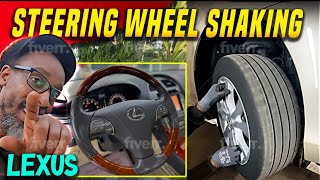
One of the most common signs of a bent or out-of-round wheel is a vibration that can be felt in the steering wheel or through the entire car. This vibration typically becomes more noticeable at certain speeds, often between 40-70 mph. While an unbalanced tire can cause similar symptoms, a vibration that persists after having the tires balanced often points to a bent wheel.
🎬 Watch: Diagnosing steering wheel shaking and vibrations in your Lexus.Difficulty Balancing Tires
If a tire shop informs you that a wheel is "unbalanceable" or requires an excessive amount of wheel weights to balance, it's a strong indicator that the wheel itself is bent or structurally compromised. A quality wheel should balance with minimal weight.
Visible Damage
A visual inspection can reveal obvious problems. Look for cracks, especially around the lug nut holes or on the inner barrel of the wheel. Bends or flat spots on the wheel lip, often caused by pothole impacts or hitting a curb, are also clear signs of damage. On models with chrome-plated wheels, peeling or flaking of the chrome finish is a common cosmetic issue that can sometimes lead to air leaks if the corrosion occurs at the tire bead.
Constant Air Loss in One Tire
If one tire consistently loses air pressure despite having no punctures, the cause could be a hairline crack in the wheel or corrosion on the bead seating area. Peeling chrome can create an uneven surface where the tire seals against the wheel, allowing air to slowly escape.
Known Issues for 1997-2000 Lexus SC300 & SC400 Wheels
The primary known issue for the factory wheels on the 1997-2000 Lexus SC300 and SC400, particularly the chrome-plated versions, is finish deterioration. Over time, moisture can get under the chrome plating, causing it to bubble, peel, and flake. This not only looks bad but can also lead to corrosion of the underlying aluminum alloy. If this corrosion occurs where the tire bead seals, it can cause slow, persistent air leaks.
Recalls and Technical Service Bulletins (TSBs)
As of early 2026, there are no specific recalls or TSBs from the National Highway Traffic Safety Administration (NHTSA) related to the structural integrity of the wheels for the 1997-2000 Lexus SC300 and SC400. Any recalls for these vehicles are typically for other issues, such as the Takata airbag inflators.
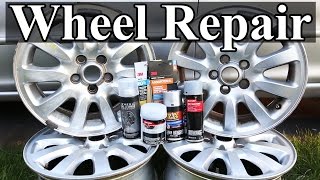
Pro Tip: Many owners of these vehicles choose to have their peeling chrome wheels professionally refinished. This involves chemically stripping the old chrome, polishing the aluminum, and then either re-chroming or powder-coating them for a more durable finish.
Buying a Used Wheel: What to Look For
Buying a used OEM wheel is an excellent way to save money while maintaining factory quality. However, careful inspection is crucial to ensure you get a safe, usable part.
🎬 Watch this guide on the top things to check for.How to Inspect a Used Wheel
- Check for Cracks: Carefully inspect the entire wheel, front and back, for any cracks. Pay close attention to the area around the lug holes and the spokes. A cracked wheel is unsafe and should not be purchased.
- Look for Bends: Place the wheel on a flat surface and look at the lip from all angles. Check for any visible bends, wobbles, or flat spots. The best way to check for a bend is on a wheel balancing machine, which will reveal any runout (wobble). Ask the seller if they can spin it on a balancer for you.
- Inspect for Previous Repairs: Look for signs of welding on the back of the wheel. While some cracks can be professionally welded, it can compromise the wheel's strength. A poorly executed weld is a major safety hazard.
- Examine the Finish: For painted wheels, look for deep scratches, curb rash, and failing clear coat. For chrome wheels, check for bubbling, peeling, or flaking. Minor cosmetic issues can be refinished, but use them to negotiate the price.
- Verify the Bead Area: Run your finger along the inner and outer bead seating areas. They should be smooth and free of corrosion or damage to ensure a proper seal with the tire.
Verifying Paint and Color Match
For painted silver wheels, finding an exact match can be tricky due to fading on the original wheels. The vehicle's paint code, which applies to the body color, is not used for the wheels. The factory silver for Lexus wheels is a specific color, but professional wheel refinishers can easily match it.
To find your vehicle's body paint code, look for the manufacturer's sticker on the driver's side door jamb. The code is typically labeled as "C/TR" followed by a three-digit code for the exterior color. While this won't help with the wheel color, it's useful information for any body repairs.
Replacement and Installation
Replacing a wheel is a straightforward process, but it requires the tire to be dismounted from the old wheel and mounted and balanced on the new one. This process should be done by a professional tire shop.
Warning: Never attempt to drive on a wheel that is visibly cracked or severely bent. Doing so can lead to a sudden tire failure and loss of vehicle control.
Cost to Mount and Balance
The cost to have a single tire dismounted from your old wheel and mounted and balanced onto your replacement wheel typically ranges from $25 to $60 at a tire shop. Prices can vary based on your location and whether your vehicle has a Tire Pressure Monitoring System (TPMS), although these models pre-date the widespread mandatory use of TPMS.
Cost Comparison
Understanding the cost differences can help you make an informed decision.
| Part Type | Estimated Cost (Per Wheel) | Notes |
|---|---|---|
| New OEM | $250 - $500+ | May be difficult to find new; often sold by dealerships. |
| New Aftermarket | $150 - $400+ | Wide range of quality and styles available. |
| Used OEM | $100 - $250 | Best value for factory quality and fitment. Price depends on condition. |
| Wheel Refinishing (Paint/Powder Coat) | $150 - $250 | Cost to repair and refinish a cosmetically damaged wheel. |
| Wheel Re-chroming | $300 - $500 | A more expensive process to restore a peeling chrome wheel. |
| Shop Labor (Mount & Balance) | $25 - $60 | Cost to swap the tire onto the new wheel. |
Frequently Asked Questions (FAQ)
What are the wheel specifications for the 1997-2000 Lexus SC300 & SC400?
The standard factory wheel specifications are a 5x114.3mm bolt pattern, a 60.1mm center bore, and a high offset, typically around +50mm. The standard wheel size was 16x6.5 inches or 16x7 inches.
What happens if I use a wheel with the wrong offset?
Offset is the distance from the wheel's mounting hub to its centerline. A lower offset (+25mm, for example) will push the wheel further out, while a higher offset (+55mm) will pull it further in. Using the wrong offset can cause the tire to rub on the fender or suspension components, and it can put additional stress on the wheel bearings, leading to premature failure.
Can I repair a bent or cracked wheel?
Minor bends can often be straightened by a professional wheel repair shop for around $75 to $150. Cracks can sometimes be welded, but this should only be done by a highly reputable specialist, as a bad weld can fail. For safety, replacing a cracked wheel is often the better choice.
Will wheels from a Toyota Supra fit my Lexus SC?
Yes, wheels from the 1993-1998 Toyota Supra (MKIV) are a very common and popular upgrade for the Lexus SC300/SC400. They share the same platform, bolt pattern, and center bore, making them a direct fit. Many other Lexus and Toyota wheels with a 5x114.3 bolt pattern and 60.1mm center bore will also fit, but you must verify the width and offset to ensure proper clearance.
Helpful Videos



Technical Specifications
OEM Part Numbers: 4261122840 4261124400 4261124360 4261124390
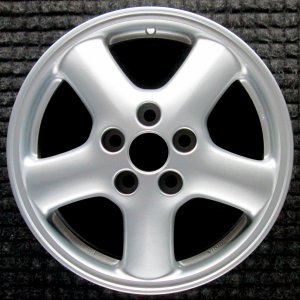
Bolt Pattern: 5x114.3 mm Center Bore: 60.1 mm Stock Offset: +50 mm Stock Size: 16x6.5" or 16x7.0"
We Have This Part in Stock

The information in this article is provided for general reference and educational purposes only. Vehicle specifications, procedures, and part compatibility can vary by production date, trim level, and region. Always consult your vehicle's factory service manual and verify part numbers before purchasing or performing repairs. Safety-critical components such as airbags, seat belts, and braking systems should be installed by a qualified professional.
- Lexus SC300:
- Lexus SC400:
- 🎬 Helpful Videos
- 🛍️ Shop This Part
- Symptoms of a Failing or Damaged Wheel
- Vibration or Shaking
- Difficulty Balancing Tires
- Visible Damage
- Constant Air Loss in One Tire
- Known Issues for 1997-2000 Lexus SC300 & SC400 Wheels
- Recalls and Technical Service Bulletins (TSBs)
- Buying a Used Wheel: What to Look For
- How to Inspect a Used Wheel
- Verifying Paint and Color Match
- Replacement and Installation
- Cost to Mount and Balance
- Cost Comparison
- Frequently Asked Questions (FAQ)
- 🎟️ Get 5% Off