

Mazda 3, Mazda 2 & CX-3 Wheel Fitment Guide: Bolt Patterns, Offsets & Common Problems
This guide covers wheel specifications, known issues, and buying advice for the 2010-2018 Mazda 3, 2011-2014 Mazda 2, and the 2022 Mazda CX-3.
- The Mazda 2 uses a 4-lug (4x100mm) pattern, while the Mazda 3 and CX-3 use a 5-lug (5x114.3mm) pattern; they are not interchangeable.
- When buying a used wheel, always inspect it for hairline cracks, bends (by rolling it on a flat surface), and signs of previous repairs like welding.
- A bent wheel causes vibrations and air leaks; a cracked wheel is a critical safety failure and must be replaced immediately.
- For replacing a single damaged wheel, a used OEM wheel is generally a safer and more reliable choice than a cheap aftermarket replica.
Compatibility Warning: These Wheels Are NOT Interchangeable
Critical Fitment Information: The 2010-2018 Mazda 3, 2011-2014 Mazda 2, and 2022 Mazda CX-3 do NOT share the same wheels. They use different bolt patterns and have other critical specification differences. Attempting to install a wheel from one model onto another will fail and is unsafe.
- 2011-2014 Mazda 2: Uses a 4-lug (4x100mm) bolt pattern.
- 2010-2018 Mazda 3: Uses a 5-lug (5x114.3mm) bolt pattern.
- 2022 Mazda CX-3: Uses a 5-lug (5x114.3mm) bolt pattern, but has different tire size requirements than the Mazda 3.
Always verify the bolt pattern and other specifications for your exact vehicle before purchasing.
Vehicle-Specific Wheel Specifications
Below are the detailed factory wheel specifications for each model. When buying a replacement, you must match these specs to ensure proper and safe fitment.
2010-2018 Mazda 3
The Mazda 3 used a consistent bolt pattern and center bore across these years, but offset and wheel sizes varied by generation and trim level.
| Specification | 2010-2013 (Gen 2) | 2014-2018 (Gen 3) |
|---|---|---|
| Bolt Pattern (PCD) | 5x114.3 mm | 5x114.3 mm |
| Center Bore | 67.1 mm | 67.1 mm |
| Lug Nut Thread | M12 x 1.5 | M12 x 1.5 |
| Factory Wheel Sizes | 15", 16", 17" | 16", 18" |
| Offset Range | ~ +50mm to +55mm | ~ +45mm to +50mm |
2011-2014 Mazda 2
The Mazda 2 is a subcompact car and uses a completely different, smaller wheel setup compared to the Mazda 3 and CX-3.
| Specification | Value |
|---|---|
| Bolt Pattern (PCD) | 4x100 mm |
| Center Bore | 54.1 mm |
| Lug Nut Thread | M12 x 1.5 |
| Factory Wheel Sizes | 15x6" Steel or Alloy |
| Offset Range | ~ +45mm |
2022 Mazda CX-3
While the CX-3 shares its bolt pattern and center bore with the Mazda 3, it is a compact SUV with different tire requirements and specific offset needs to ensure proper clearance and handling.
| Specification | Value |
|---|---|
| Bolt Pattern (PCD) | 5x114.3 mm |
| Center Bore | 67.1 mm |
| Lug Nut Thread | M12 x 1.5 |
| Factory Wheel Sizes | 16x6.5" or 18x7" |
| Offset Range | ~ +45mm to +50mm |
Symptoms of a Damaged or Failing Wheel
Wheel damage from potholes, curbs, or accidents can compromise safety. Here are the common signs of a bad wheel:
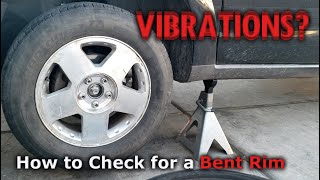
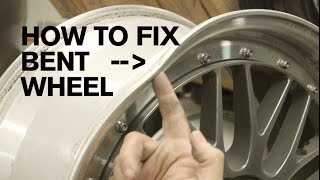
- Vibration or Shaking: A bent wheel will cause a noticeable vibration that can be felt in the steering wheel or through the seats. This vibration often gets worse as vehicle speed increases. 🎬 Watch: How to check for a bent rim and diagnose vibrations
- Poor Handling: The vehicle may pull to one side, or the steering may feel vague and unresponsive ("slushy").
- Chronic Air Loss: A wheel that is bent or has a hairline crack may not be able to form a proper seal with the tire bead, leading to a slow, persistent air leak. If one tire constantly needs air, the wheel itself may be the culprit.
- Visible Damage: Obvious signs include cracks, large dents, or chunks missing from the rim flange. Hairline cracks can be difficult to see, especially when the wheel is dirty.
- Unusual Noises: Thumping, clicking, or roaring sounds that change with wheel speed can indicate a severe problem.
Known Issues, TSBs, and Recalls
2010-2018 Mazda 3
- Bent or Cracked 18-inch Wheels: Owners of models with the larger 18-inch alloy wheels have reported a higher incidence of bending or cracking when hitting potholes. The lower-profile tires used with these wheels offer less cushioning, making the wheel more susceptible to impact damage.
- Valve Stem Corrosion: Some owners of early models, particularly the 2010 Mazda 3, have reported corrosion of the metal tire pressure monitoring system (TPMS) valve stems, which can lead to air leaks.
- Vibration Not Caused by Wheels: On some 2004-2015 Mazda 3s, excessive vibration during acceleration has been traced to failed engine or transmission mounts, not a wheel issue. If your wheels are balanced and straight but you still feel a vibration, have the mounts inspected. 🎬 Watch: How to identify a bad Mazda engine mount vibration
- 2019 Model Year Recall (For Context): While outside the specified year range, Mazda recalled approximately 25,000 2019 Mazda 3s because lug nuts could loosen and cause a wheel to fall off. This was due to a manufacturing error in the hub. This highlights the importance of always torquing lug nuts to the factory specification (85 ft-lbs) after any wheel service.
2011-2014 Mazda 2 & 2022 Mazda CX-3
No significant recalls or Technical Service Bulletins (TSBs) related to wheel failure were found for these models in the North American market.
Buying a Used Wheel: A Detailed Inspection Guide
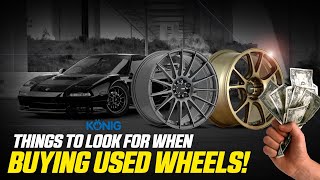
Buying a used OEM wheel is a great way to save money, but a thorough inspection is crucial to avoid buying a damaged or unsafe part. 🎬 Watch: Top 5 things to check when buying used wheels Here’s what to look for:
- Check for Bends and Dents: Lay the wheel on a flat surface and inspect both the inner and outer lip (flange) for any signs of being bent. Roll the wheel on a clean, flat floor for about 10 feet. If it wobbles or veers off a straight line, it's likely bent. Even a minor bend can cause vibrations and prevent the tire from sealing correctly.
- Inspect for Cracks: Carefully examine the entire wheel, front and back. Pay close attention to the base of the spokes and the area around the lug holes. Use a bright light and wipe away any dirt. Hairline cracks are a major safety hazard and mean the wheel should be scrapped.
- Look for Signs of Repair: Be wary of wheels that show signs of previous repairs. Look for fresh paint in one spot, discoloration from welding heat on the backside, or grinding marks. A poorly repaired wheel can be weaker than an original and may fail unexpectedly.
- Examine the Lug Holes: The lug nut holes should be perfectly round. If they appear oval or elongated, it's a sign the wheel was driven while loose, which can cause stress and damage.
- Check for Corrosion and Finish Damage: Look for peeling clear coat, flaking paint, or heavy corrosion, especially in the bead seat area where the tire seals. While cosmetic, severe corrosion can compromise the tire seal and the wheel's structural integrity.
- Verify the Part Number and Specs: Whenever possible, check for a part number stamped on the back of a spoke. Cross-reference this number to confirm it's the correct wheel for your vehicle. At a minimum, confirm the diameter, width, and bolt pattern match your needs.
Pro Tip: If you're buying a used wheel with a tire already mounted, ask the seller if you can have it checked on a wheel balancer at a local tire shop before finalizing the purchase. A balancer will quickly reveal any significant bends that are hard to see by eye.
OEM vs. Aftermarket Wheels
When replacing a wheel, you have the choice between an Original Equipment Manufacturer (OEM) part and an aftermarket one.
- OEM Wheels: These are the same wheels the car came with from the factory. They are designed and rigorously tested by Mazda for your specific vehicle's weight, suspension, and safety systems. A used OEM wheel is often a high-quality, cost-effective replacement for a single damaged wheel.
- Aftermarket Wheels: Quality in the aftermarket varies dramatically. High-end aftermarket wheels from reputable brands can be lighter and stronger than OEM. However, cheap, unbranded "replica" wheels may be made with inferior materials and less stringent manufacturing processes, making them prone to cracking and failure. They can also negatively impact ride quality and handling. For a single-wheel replacement, a used OEM wheel is almost always a safer and better choice than a cheap aftermarket replica.
Cost of Replacing a Wheel (2026 Estimates)
The cost to replace a wheel can vary significantly based on the type of wheel and where you source it.
| Item | Estimated Cost (Per Wheel) | Notes |
|---|---|---|
| New OEM (Dealer) | $450 - $900+ | Highest cost, but guaranteed fit and finish. |
| New Aftermarket | $150 - $500+ | Price varies widely with brand, size, and quality. |
| Used OEM | $100 - $350 | Excellent value. Price depends on condition, style, and availability. |
| Shop Labor | $50 - $90 | Includes mounting the tire, balancing the assembly, and installing on the vehicle. |
Frequently Asked Questions (FAQ)
What happens if I use a wheel with the wrong offset?
Offset determines the wheel's position in the wheel well. Incorrect offset can cause serious problems. Too much positive offset (wheel sits too far inward) can cause the tire or wheel to rub on suspension components or the inner fender liner. Too much negative offset (wheel sticks out too far) can cause rubbing on the outer fender, increase stress on wheel bearings and suspension parts, and negatively affect handling.
Can a bent or cracked wheel be repaired?
Minor bends can often be straightened by a professional wheel repair shop. However, a cracked wheel should almost always be replaced. Welding a crack can compromise the metal's strength, creating a weak point that could lead to a catastrophic failure, especially if the crack is on a spoke or near the hub.
Do I need special lug nuts for aftermarket wheels?
Yes, often you do. OEM wheels typically use a lug nut with a flat washer or a ball/radius seat. Many aftermarket wheels require a conical/tapered seat lug nut. Using the wrong type of lug nut will prevent the wheel from being properly secured and can damage the wheel, leading to it coming loose.
Where can I find the paint code for my Mazda's wheels?
For wheels painted in special finishes like hyper silver or gunmetal, a specific paint code may not be publicly available. For body-colored wheels, the vehicle's paint code is found on a sticker inside the driver's side door jamb. A professional wheel refinisher or paint shop can often match the specific silver or gray finishes common on OEM wheels.
Helpful Videos

Technical Specifications
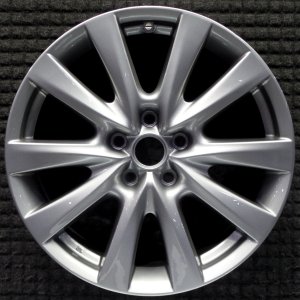
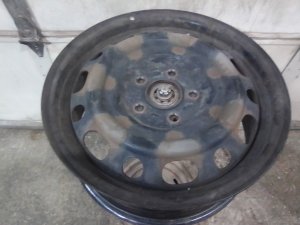
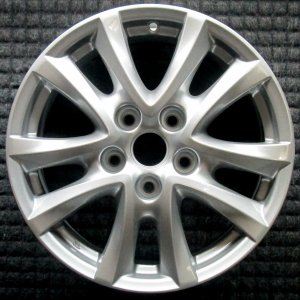
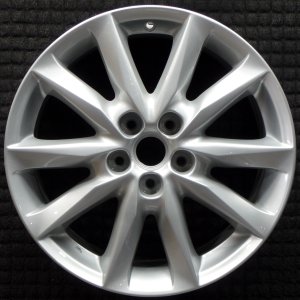
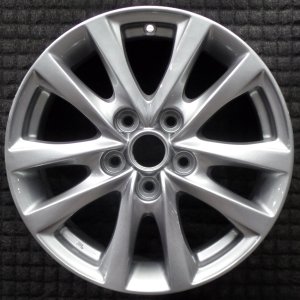
OEM Part Numbers: 9965227080 9965304060 9965307080 9965324060 9965557070 9965567070 9965727070 9965876560 9965A16560 9965D16560 9965T66050 9965U36050
Mazda 3 (2010-18) / CX-3 (2022): Bolt Pattern 5x114.3mm, Center Bore 67.1mm. Mazda 2 (2011-14): Bolt Pattern 4x100mm, Center Bore 54.1mm. All use M12x1.5 thread lug nuts.
We Have This Part in Stock


The information in this article is provided for general reference and educational purposes only. Vehicle specifications, procedures, and part compatibility can vary by production date, trim level, and region. Always consult your vehicle's factory service manual and verify part numbers before purchasing or performing repairs. Safety-critical components such as airbags, seat belts, and braking systems should be installed by a qualified professional.
- Mazda 3:
- Mazda 2:
- Mazda CX-3:
- 🎬 Helpful Videos
- 🛍️ Shop This Part
- Compatibility Warning: These Wheels Are NOT Interchangeable
- Vehicle-Specific Wheel Specifications
- 2010-2018 Mazda 3
- 2011-2014 Mazda 2
- 2022 Mazda CX-3
- Symptoms of a Damaged or Failing Wheel
- Known Issues, TSBs, and Recalls
- 2010-2018 Mazda 3
- 2011-2014 Mazda 2 & 2022 Mazda CX-3
- Buying a Used Wheel: A Detailed Inspection Guide
- OEM vs. Aftermarket Wheels
- Cost of Replacing a Wheel (2026 Estimates)
- Frequently Asked Questions (FAQ)
- 🎟️ Get 5% Off